
Reviewed · PROSECCO WINE TOURS
Secret journey between prosecco, lugana and white wines
The most interesting part of this Verona wine experience is the route through Cantine Giacomo Montresor, where you move from the pressing and fermentation plant to underground aging cellars and an old grape-drying room. It is more than a seated tasting, and the winery is only a short walk from Verona’s center.
I like the clear focus on Veneto whites, especially the chance to compare Prosecco, Lugana, Soave Classico, and Pinot Grigio in one sitting. I also like the food pairing: seasonal cold cuts, cheeses, and local products give the tasting some substance. The main consideration is that the advertised highlights mention Valpolicella and Amarone, while the listed tasting route contains five white wines and no Amarone, so check the exact selection before booking if red wine is your priority.
In This Review
- Key points to know before you book
- A Verona winery visit with more than a tasting table
- From pressing rooms to underground cellars
- The white wine route: five glasses from Veneto
- Cold cuts, cheeses, and seasonal local products
- What the 90-minute schedule means
- Is this good value at $45.55?
- The wine museum and historical angle
- Who should book this Verona wine experience?
- Practical advice before you go
- Should you book it?
- FAQ
- Where does the wine experience take place?
- How long does the activity last?
- Which wines are included in the tasting?
- Is Amarone included?
- Is food included?
- Is the activity suitable for children or vegans?
Key points to know before you book
- Five listed Veneto whites: Taste Prosecco Spumante, two Lugana wines, Soave Classico, and Pinot Grigio delle Venezie.
- A working winery route: See the pressing and fermentation plant, ancient grape-drying room, and underground cellars used for aging and refinement.
- Food is part of the experience: Seasonal cold cuts, cheeses, and typical local products accompany the wines.
- Central Verona setting: The winery is located just a few steps from the city center, but transportation to and from the activity is not included.
- A compact 90-minute visit: This suits visitors who want a focused wine stop rather than a full-day trip through the Veneto countryside.
- Adults only: The activity is not suitable for children under 18, unaccompanied minors, pregnant women, or vegans.
A Verona winery visit with more than a tasting table
Many wine tastings give you a glass, a few facts, and a plate of snacks. This one adds a proper look at how wine is made. Your English-speaking guide leads you through the winery before the tasting, helping you connect each glass with the rooms, equipment, and storage areas you have just seen.
That order matters. When you taste a sparkling Prosecco after seeing the production areas, the drink feels less like a generic aperitif and more like the final stage of a chain of work. The same is true of still wines such as Lugana and Soave Classico. You get a better sense of why grapes need different treatment before they reach your glass.
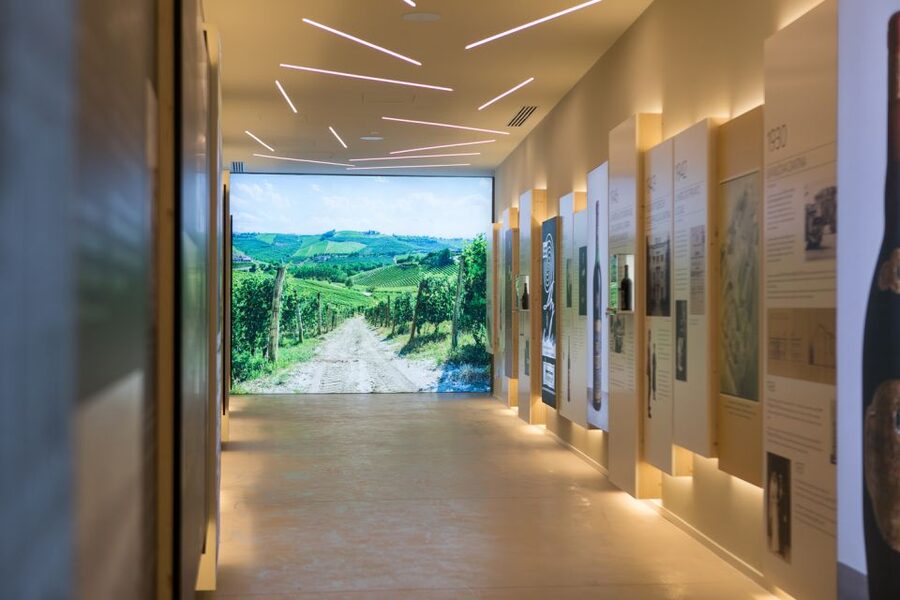
The winery is in Veneto, close to central Verona. That makes the visit easy to fit around the Roman Arena, Piazza delle Erbe, or an evening meal. You do not need to spend half a day reaching a rural estate, though you also should not expect vineyard views or a countryside excursion. This is an urban winery visit with a strong production focus.
More Wine Tours in Verona
- Verona: Pasta and Tiramisu Cooking Class with Fine Wine
★ 4.8 · 633 reviews - Verona: Pasta and Tiramisu Cooking Class With Free Flowing Wine
★ 5.0 · 575 reviews - From Verona: Valpolicella and Amarone Wine Tasting Tour
★ 4.9 · 560 reviews
From pressing rooms to underground cellars
The tour begins with the winery itself. You see the pressing and fermentation plant, where the grape juice begins its change into wine. The information provided does not specify the exact equipment or the size of the tour group, so expect a guided introduction rather than a technical class in cellar engineering.
The value here is context. You are not simply told that a wine is fermented or aged. You see the areas connected with those steps, then hear the host explain the winemaking process. If you enjoy learning how a bottle comes together, this part may be more memorable than a tasting alone.
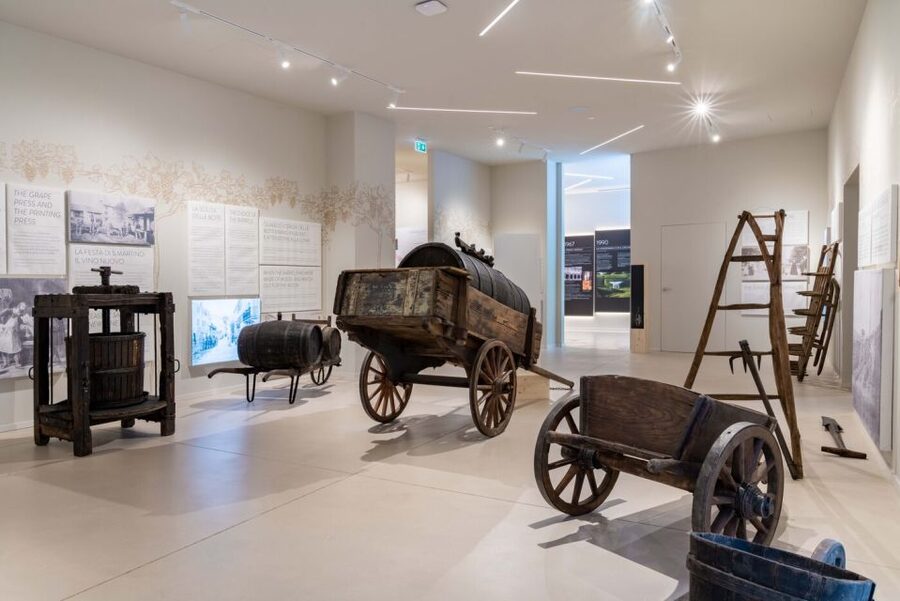
The route also includes an ancient grape-drying room. This is an especially interesting stop because drying grapes is tied to traditional winemaking methods in the Verona area. The room provides a historical reference within an otherwise active winery visit. It also helps explain why the experience includes traditional methods alongside modern production.
After that, you go below ground to the cellars used for aging and refinement. The word underground suggests a different mood from the pressing plant: quieter, darker, and more connected to the patient side of winemaking. The tour description does not promise a dramatic architectural show, so I would approach this as a useful working-cellar visit rather than a grand palace cellar.
Wear comfortable clothes and bring a camera if you like taking pictures. The activity specifically recommends both. You may want to keep your clothing practical for moving through production and cellar areas, though no special equipment is listed.
The white wine route: five glasses from Veneto
The listed tasting is built around white still and sparkling wines from the region. You are scheduled to taste:
- Prosecco Spumante DOP Millesimato
- Lugana DOP Le Tradizioni, Campovalentino
- Soave Classico DOP, Gran Guardia
- Pinot Grigio delle Venezie, Montefiera
- Lugana DOP Le Fattorie
This lineup gives you a useful comparison instead of five near-identical pours. Prosecco brings the sparkling element. The two Lugana wines let you compare bottles from the same protected denomination but different labels. Soave Classico adds another well-known Veneto style, while Pinot Grigio gives you a familiar point of reference.
The tasting is described as a journey through still and sparkling white wines, with the guide explaining tradition, innovation, and historical references. That makes it a good choice if you want a regional introduction without needing to know much about Italian wine in advance.
Do not expect the experience to function like a formal sommelier course. The supplied information promises explanations about the winemaking process, but it does not list technical tasting instruction, printed notes, or a detailed lesson on grape varieties. You will get a guided tasting with regional context, not a certification class.
There is one point to clarify before you reserve. The highlights refer to wine tasting in Valpolicella and say you can taste Amarone, but the detailed wine list names only white wines. Amarone is a famous red wine from the broader Verona wine area, and it does not appear in the five listed bottles. If Amarone is the reason you are interested, ask the provider, Cantine Giacomo Montresor, which route will be served on your date.
Cold cuts, cheeses, and seasonal local products
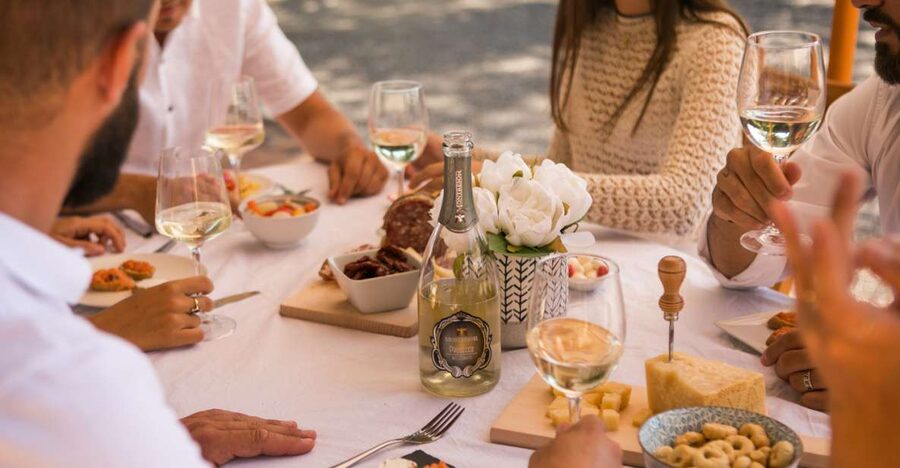
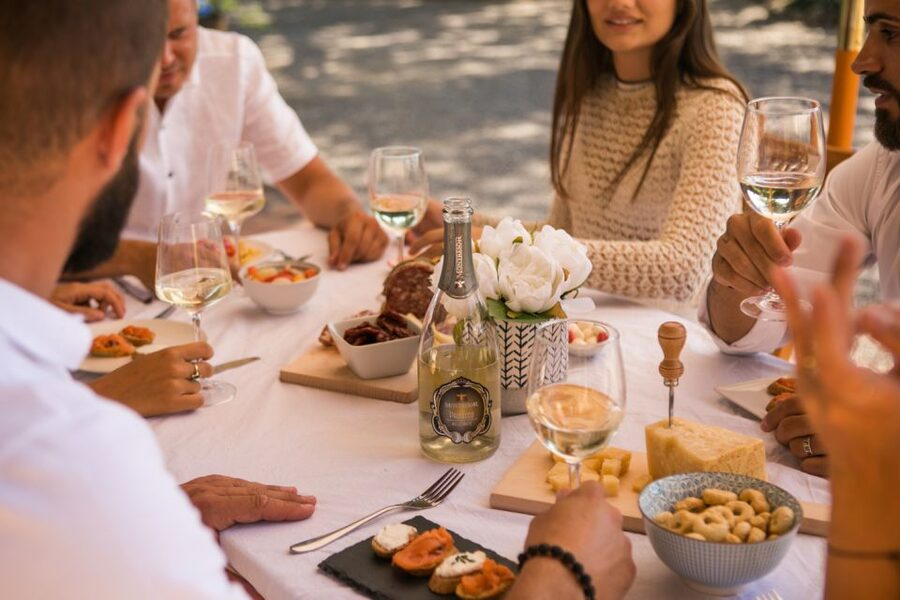
The food is not an afterthought. At the end of the cellar visit, you sit down to a light lunch made from cold cuts, cheeses, and typical products of the area. The exact items change with the season and are selected to match the wines.
I like this arrangement because a tasting becomes more useful when you can see how the wines behave with food. A Prosecco with a salty cold cut gives you a different experience from the same wine on its own. Cheese can make a wine seem softer, sharper, or more rounded. You do not need to analyze every bite, but the pairing helps you understand how wine fits into everyday Italian meals.
The meal is called light, so do not book this as a replacement for lunch if you arrive very hungry. It is better viewed as a generous tasting plate or small lunch, depending on the serving size on the day. The menu is seasonal, which means you should not expect a fixed list of meats or cheeses.
This part also explains one of the experience’s limits. It is not suitable for vegans, and the food offering is centered on animal products and local cheese. No vegan alternative is listed. Vegetarians should also ask ahead, since only cold cuts, cheeses, and typical products are specifically promised.
More Prosecco hill wine days:
- Opera Concert in Verona Palace with Prosecco
★ 4.7 · 149 reviews - Prosecco and Pasta Making Class at Local’s Home in Verona
★ 5.0 · 30 reviews - Verona: Prosecco and Pasta Making Class at a Local’s Home
★ 5.0 · 10 reviews - From Verona: Prosecco & Classic method sparkling wine tour, with light lunch
★ 5.0 · 6 reviews
What the 90-minute schedule means
The total duration is about an hour and a half. That is long enough for a cellar tour and a guided tasting, but short enough to fit into a busy Verona day.
A typical flow should include an introduction, the production and cellar route, explanations from the live English-speaking guide, and the final wine tasting with snacks. The exact division of time is not provided, so do not assume you will spend a fixed number of minutes in every room.
The compact length is a major advantage for city visitors. You can book it between sightseeing plans instead of giving up an entire afternoon. It also suits couples and small groups who want a clear regional wine experience without committing to a full vineyard tour.
The tradeoff is that the visit may feel brisk if you want long conversations about each bottle. Five wines, a cellar route, and food in 90 minutes leave limited time for lingering. I would arrive ready to pay attention and ask focused questions rather than expecting a slow, all-day tasting.
Starting times vary, so you need to check availability for your date. Transport is not included, although the winery is described as being only a few steps from the center of Verona. The location makes this easier than a rural estate visit, but you still need to plan your own way there.
Is this good value at $45.55?
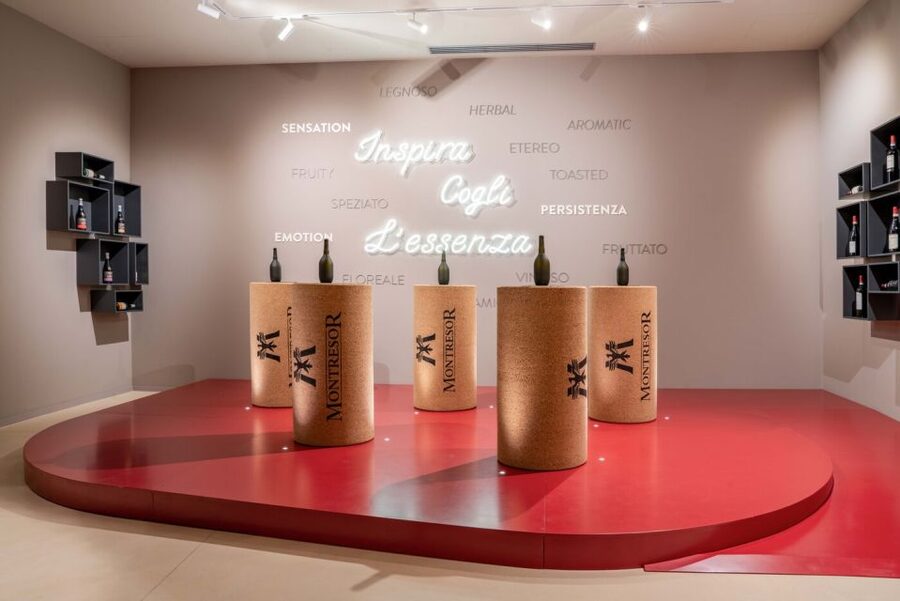
At $45.55 per person, the price covers more than the liquid in the glasses. Your ticket includes entry to the winery, the wine museum, the guided cellar visit, the tasting, snacks, and a live English-speaking guide.
That package offers reasonable value if you already plan to be in Verona. You receive a museum visit and production tour before the tasting, and the food means you are not paying only for five small pours. The central location also helps because there is no separate excursion transfer to arrange or pay for.
The value is weaker if your main goal is a scenic vineyard day in the countryside. No transport is included, and the experience is based at an urban winery near Verona’s center. You are paying for access, explanation, wine, and food, not for a drive through vineyards or a day among several estates.
The price also makes more sense for people who will use the guide’s explanations. If you already know Veneto wine well and only want to drink Amarone, the listed white wine route may not match your interests. If you want a simple introduction to regional white wines with a little production history, the cost is easier to justify.
The activity offers free cancellation up to 24 hours before the start for a full refund. You can also reserve now and pay later, which helps if your Verona plans are not fixed. Those policies are useful, but the real value still depends on choosing the right wine focus.
The wine museum and historical angle
The wine museum adds another layer to the visit. The information available does not give a room-by-room inventory or say how large the museum is, so I would not expect a major standalone museum visit. Think of it as part of the winery experience, offering objects and background that connect local wine with older methods and traditions.
The ancient grape-drying room is likely to be the most distinctive historical stop because it links the cellar to traditional handling of grapes. The tour also places tradition beside innovation, showing that wine production is not frozen in the past.
This combination works well for first-time wine visitors. You get enough historical material to understand the regional setting, but the visit remains tied to the bottles you taste. I prefer that approach to a museum lecture disconnected from the wine itself.
The provider is Cantine Giacomo Montresor. No individual guide name is supplied, so you should expect an English-speaking live guide rather than a named host. The team is described as making a real effort with tastings and the wine presentation, which fits the experience’s practical, welcoming character.
Who should book this Verona wine experience?
I would recommend it to adults who want a short, central Verona activity with a mix of wine, food, and production history. It is particularly suitable if you enjoy white wine or want to compare several Veneto styles without traveling outside the city.
It also works well for people who prefer an organized visit. The guide handles the explanations, the winery provides the tasting, and the food pairing is arranged for you. You do not need to research five bottles or find a separate place for a snack afterward.
This is less suitable for children and teenagers because the activity is restricted to adults. It is also not suitable for pregnant women or vegans according to the stated conditions. If you need a non-alcoholic or plant-based format, this is not the right booking.
Wine enthusiasts looking specifically for Amarone should confirm the route first. The experience description uses Amarone and Valpolicella in its highlights, but the detailed selection is Prosecco, Lugana, Soave, and Pinot Grigio. That difference is important, especially because Amarone is a red wine and the main tasting is presented as a white-wine journey.
Practical advice before you go
Check the starting time carefully, since several time slots may be available. Build the visit into your Verona plans with enough margin to reach the winery, even though it is close to the center and transport is not included.
Wear comfortable clothes rather than dressing for a formal restaurant. Bring a camera if the museum and cellar displays interest you, but follow the guide’s instructions about photography in production areas.
Plan on a light meal, not a large feast. The tasting includes seasonal cold cuts, cheeses, and local products, but the portions and exact menu are not specified. If you have dietary restrictions beyond the listed exclusions, contact the provider before booking rather than assuming substitutions are available.
Finally, ask about the wine route if you care about specific bottles. The five listed wines are a strong introduction to Veneto whites, but the separate references to Amarone and Valpolicella create some uncertainty. A quick confirmation can prevent disappointment.
Should you book it?
Book this experience if you want an accessible introduction to Veneto white wines in a working Verona winery, with a cellar route, wine museum, English guide, and seasonal food for $45.55. The 90-minute length is easy to fit into a city break, and the central location keeps the logistics simple.
Skip it if you want a countryside vineyard excursion, a long technical tasting, or a guaranteed Amarone-focused session. For everyone else, especially adults who enjoy regional wine and a plate of local cheese and cold cuts, this is a sensible Verona add-on. Just confirm whether Amarone is actually included before you pay.
FAQ
Where does the wine experience take place?
It takes place at Cantine Giacomo Montresor in Veneto, just a few steps from the center of Verona.
How long does the activity last?
The experience lasts approximately 1.5 hours. You need to check availability for the specific starting times.
Which wines are included in the tasting?
The listed wines are Prosecco Spumante DOP Millesimato, Lugana DOP Le Tradizioni Campovalentino, Soave Classico DOP Gran Guardia, Pinot Grigio delle Venezie Montefiera, and Lugana DOP Le Fattorie.
Is Amarone included?
Amarone is mentioned among the experience highlights, but it is not included in the detailed list of five wines. Contact the provider to confirm the selection for your date.
Is food included?
Yes. The tasting includes snacks and a light lunch made with seasonal cold cuts, cheeses, and typical products from the area.
Is the activity suitable for children or vegans?
No. It is not suitable for children under 18, unaccompanied minors, pregnant women, or vegans.
Just added around Verona
- 3 Hour Shared Walking and Aperitivo Tour of Verona★ 5.0 · 3 reviews
- Verona: Blindfolded Wine Tasting★ 5.0 · 3 reviews
- Excursion in Verona.★ 4.5 · 3 reviews
- Verona Airport (VRN) Arrival Transfer (Airport to Verona Hotels or Address)★ 4.0 · 3 reviews
- Photo Shoot in Verona: Capture Your Love Story in Pictures★ 5.0 · 3 reviews
- Incredible Verona – Family Walking Tour★ 5.0 · 3 reviews
- From Verona: discover Lake Garda and Sirmione private tour★ 5.0 · 3 reviews
- Madonna di Campiglio and Dolomites Self-Guided Tour★ 5.0 · 3 reviews
Prosecco Wine Tours, compared.
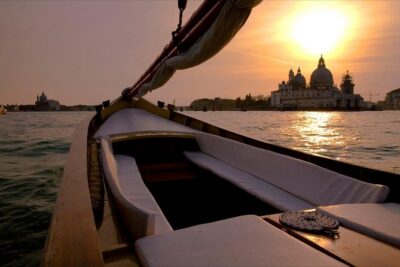
Venice Sunset Cruise by Typical Venetian Boat with Prosecco
Read our review →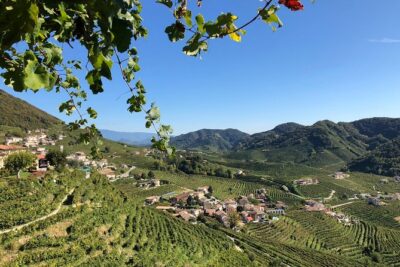
A Sparkling Day in the Prosecco Hills from Venice
Read our review →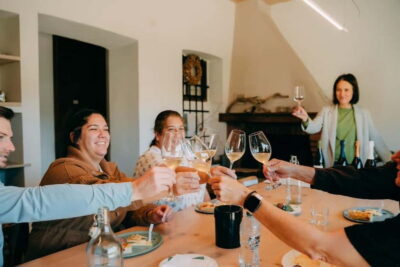
Private Prosecco , Hilltowns & Palladian Villa Tour from Venice
Read our review →
Exclusive Prosecco Wine Tour from Venice – Small Group
Read our review →Browse the lists this tour appears in