
Reviewed · VALPOLICELLA WINE TOURS
Valpolicella Wine Experience at Montresor winery
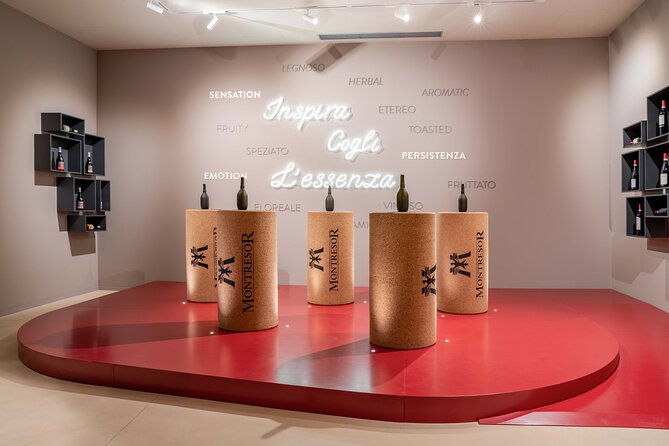
Montresor turns a wine tasting into a small, well-paced museum visit. You move from a virtual farmer explaining old and new vineyard methods to the barrique room, then test your nose with black cherry, cocoa, licorice, and floral scents before sitting down with a flight of local wine.
I like the central Verona location, which makes this a useful break from churches and Roman ruins. I also like the choice between a broad Valpolicella tasting and a more focused Amarone flight. The main drawback is value: the pours can be small, the food pairing is modest, and bottles sold afterward may feel expensive.
In This Review
- Key points to know before booking
- What Montresor adds to a Verona wine tasting
- The museum and the virtual farmer
- The barrique room and the work of aging
- The sensory room turns tasting into a game
- Choosing between the wine flights
- Local snacks and the size of the pours
- Is $35 a good value in Verona?
- Getting to Via Ca’ di Cozzi, 16
- Who will enjoy this experience most
- Cancellation and practical booking notes
- Should you book the Montresor wine experience?
- FAQ
- How long does the Montresor winery experience last?
- Where does the tour start and finish?
- How can I reach the winery from central Verona?
- What wines are included in the classic tasting?
- Is the tasting suitable for beginners?
- Can I cancel for a full refund?
Key points to know before booking
- Five wines in the classic flight: Taste Lugana, Valpolicella Classico, Valpolicella Ripasso, Amarone, and Amarone Satinato.
- Amarone vertical option: Compare five Amarone DOCG expressions and track changes in body, power, and complexity.
- A hands-on sensory room: Identify aromas such as black cherry, cocoa, licorice, and flowers in an interactive nose test.
- Easy access from central Verona: Reach the winery in about 15 minutes by taxi from the Arena, or take bus 21 or 93 from Castelvecchio Castle.
- Small-group format: The maximum group size is 20 people, and the experience runs for about 90 minutes.
- Local snacks included: Expect bread, olive oil, soppressa salami, and cheese alongside the wine.
What Montresor adds to a Verona wine tasting
Many Verona wine tastings simply put glasses on a table and explain the labels. Montresor gives you a little more context first. The visit begins at Cantine Giacomo Montresor, where the museum sets the scene before the drinking starts.
That order matters. You hear how vineyard and cellar work have changed, then see where wine matures, and only after that taste the finished product. You are not just asked to decide if a wine tastes good. You get a basic framework for noticing why one wine feels lighter, darker, sweeter, more structured, or more intense than another.
The winery’s connection to Verona is part of the presentation. The story is told through the museum and a virtual farmer, an unusual touch that helps explain vineyard work in a simple, visual way. It is not a long estate tour in the countryside. This is an urban winery visit built for a visitor with limited time.
The guides add much of the personality. Emanuele is described as precise, warm, and proud of the area, while Leonardo and Sylvia have also led enjoyable tastings. The exact guide depends on the day, but you can expect the host to explain the wines, answer questions, and keep the pace moving.
More Wine Tours in Verona
- Verona: Pasta and Tiramisu Cooking Class with Fine Wine
★ 4.8 · 633 reviews - Verona: Pasta and Tiramisu Cooking Class With Free Flowing Wine
★ 5.0 · 575 reviews - From Verona: Valpolicella and Amarone Wine Tasting Tour
★ 4.9 · 560 reviews
The museum and the virtual farmer
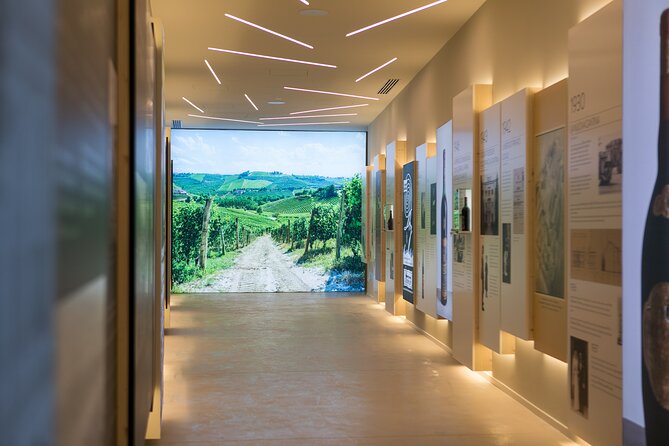
Your visit starts inside the Montresor Winery Museum. The first section covers the development of vineyard and cellar practices, linking the winery to Verona and to the wider Valpolicella tradition.
The virtual farmer helps make technical information easier to follow. You get an introduction to how grapes are handled and how wine production has changed over time without needing prior wine knowledge. That makes the experience friendly to beginners, but there is enough material here for people who already know a little about Italian wine.
Do not expect a huge museum with hours of exhibits. The museum is one part of a compact 90-minute visit. Its value is that it gives shape to the rest of the tour. If you are new to Valpolicella, this section helps you understand why the wines are treated differently. If you already drink Amarone, it gives you a short refresher before the tasting.
The guide is central to this stop. Pay attention to the explanations about the winery’s past and its connection to Verona, since these details turn a standard tasting into a more local experience.
The barrique room and the work of aging
Next, you enter the barrique room. This is where the tour shifts from general background to the cellar itself.
The focus is on how wine develops while it rests in barrels. You learn how aging can add structure, complexity, and character, and how the final wine changes over time. That explanation becomes useful later, when you compare Valpolicella with Amarone or taste several Amarone vintages and styles.
This is not a production tour covering every step from grape to bottle. The information provided focuses on maturation, so anyone hoping to see a full working harvest operation should keep expectations in check. Still, the barrique room gives you a clear physical setting for understanding what happens after fermentation.
I especially like this part for anyone who tends to treat wine labels as a puzzle. Terms such as Classico, Ripasso, and Amarone can sound abstract in a shop. Seeing the cellar and hearing how aging affects the wine makes those differences easier to remember.
The sensory room turns tasting into a game
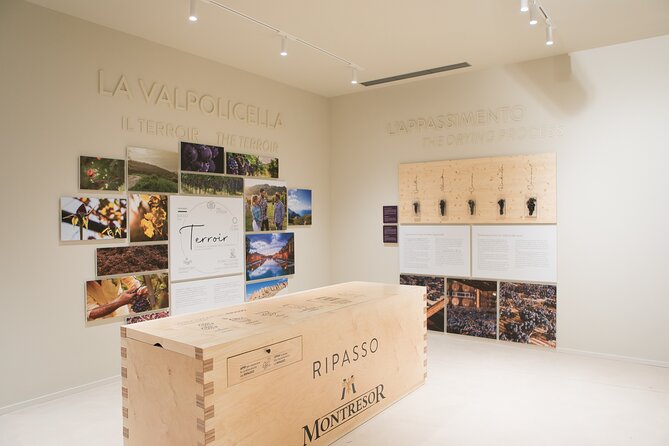
The sensory room is the most playful stop. You test your sense of smell by trying to identify common wine aromas, including black cherry, cocoa, licorice, and floral notes.
This exercise is useful because smell often tells you more than taste. You do not need a trained nose to take part. The game simply encourages you to slow down and think about what you notice in the glass.
The sensory room also helps solve a common problem with wine tours: people sometimes nod along when a guide lists aromas they cannot detect. Here, you get a chance to test your own senses. You may not identify every note, and that is fine. The point is to make the tasting less passive.
For families with children, this portion may be more engaging than the formal wine discussion, but the minimum drinking age is 18. Anyone under that age would not be able to participate in the tasting.
More Valpolicella and Amarone tastings:
- Discover Valpolicella Vineyards and Wine Tasting Experience
★ 4.5 · 341 reviews - Amarone Wine-tasting Tour from Verona with Private Transportation
★ 5.0 · 283 reviews - The Grand tour of Valpolicella: 2 Wineries, Lunch & Amarone focus
★ 5.0 · 160 reviews - Small-group Amarone Wine e-Bike Tour from Verona
★ 5.0 · 144 reviews
Choosing between the wine flights
The booking choice matters. The classic red tasting includes five glasses:
- Lugana, a white wine
- Valpolicella Classico
- Valpolicella Ripasso
- Amarone
- Amarone Satinato
This is the better choice if you want variety. You move across several styles and can compare a white wine with lighter and fuller reds. It gives first-time visitors a broad introduction to wines associated with the area.
The listed tasting menu also includes a Lake Garda white wine option with four glasses: Lugana Campo Valentino, Lugana Satinato, Bardolino Chiaretto, and Bardolino red wine. Since the experience information presents more than one tasting format, check the option you select at booking so you know exactly which flight you are purchasing.
The Amarone option is more focused. It features five different expressions of Amarone DOCG in a vertical tasting. Rather than sampling a range of wine styles, you track how Amarone changes from one expression to another.
That is the choice for someone who already knows they like full-bodied red wine or wants to spend the tasting comparing age, intensity, and structure. The guide explains how the body and complexity develop from glass to glass. Local cured meats and cheese help balance the powerful wine.
The Amarone tasting is also the more distinctive option, but it will not suit every palate. Five versions of a strong red can feel heavy, especially if you prefer crisp whites, rosé, or lighter reds. If your group has mixed tastes, the broader flight may be the safer pick.
Local snacks and the size of the pours
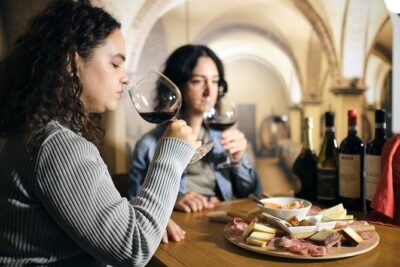
The tasting includes bread, olive oil, soppressa salami, and cheese. These are simple foods, but they play an important role. Salty, fatty cured meat and cheese soften the effect of a strong red wine and give you something to eat between glasses.
Keep your expectations realistic. This is a snack pairing, not lunch. One detailed account found the food selection a little sparse and suggested more varieties of cheese and salami. If you arrive hungry, eat beforehand or plan a meal afterward.
The pours have also been described as small. That is normal for a multi-wine tasting, especially when five glasses are served, but it affects how you judge the $35 price. You are paying for the museum, host, cellar visit, sensory room, and tasting, not for five generous glasses of wine.
The upside is that the format lets you sample wines you may not want to buy by the bottle. The downside is that a person mainly seeking a large amount of wine may find the experience less satisfying.
Is $35 a good value in Verona?
At $35 per person, this sits in a reasonable range for a guided winery visit with a museum, sensory activity, host, snacks, and several wines. The value is strongest if you want an organized introduction to Valpolicella without leaving Verona.
You are not paying for transport from the city, since hotel pickup and drop-off are not included. You also are not visiting a remote vineyard setting. The price covers the winery program itself.
I would consider it good value for a first wine experience, especially if you appreciate explanation as much as drinking. The chance to compare Valpolicella Classico, Ripasso, Amarone, and Amarone Satinato in one sitting gives the tasting a clear purpose.
The calculation changes if you mainly want generous pours or inexpensive bottles to take home. Bottle prices after the tasting can be high, so do not assume the purchase discount will make every bottle a bargain. Taste first, ask about the discount, and buy only what you truly like.
The tasting is often booked about 18 days ahead, so popular afternoon or evening times may fill first. Several start times are offered, which helps if you are fitting the winery around a museum visit or dinner.
Getting to Via Ca’ di Cozzi, 16
The meeting point is Cantine Giacomo Montresor at Via Ca’ di Cozzi, 16, in Verona. The experience begins and ends there.
From the Arena, a taxi takes about 15 minutes. By bus, take route 21 or 93 from Castelvecchio Castle, opposite the castle entrance. Parking is available at the winery if you are driving.
This location is convenient, but it is not directly beside the Arena. Leave enough time to find the bus stop or arrange a taxi. A late arrival could cut into the museum portion, especially because the whole program lasts only about an hour and a half.
The group can include up to 20 people. That is small enough for a proper guided presentation, though the feel can change depending on how many people book your time. The experience requires at least two participants to run.
The tour returns to the winery at the end, so you can continue sightseeing afterward. You might plan a meal, a walk, or another Verona attraction rather than treating the tasting as an all-day outing.
Who will enjoy this experience most
I would recommend Montresor to several types of visitors:
- Wine beginners who want a clear introduction without needing technical knowledge.
- Amarone fans who want to compare five expressions of the same major wine style.
- Couples and small groups looking for a structured activity in Verona.
- Visitors without a car who want a winery experience reachable by bus or taxi.
- People with limited time who cannot spare a full day in the Valpolicella countryside.
It is less suitable if you want a rural vineyard setting, a long cellar tour, or a full meal. It is also not ideal for anyone under 18, since the minimum drinking age is 18, or for those with reduced mobility if cellar and museum areas present access problems. Some parts may not be easy to reach, so contact the provider before booking if accessibility is important.
The tone is educational but not stiff. Guides such as Emanuele have been praised for warmth and humor, and the experience works best when you ask questions. You can ask how the wines differ, what to serve with Amarone, or which bottle makes sense for your budget.
Cancellation and practical booking notes
You can cancel up to 24 hours before the start time for a full refund. Changes or cancellations made less than 24 hours before the local start time are not accepted for a refund.
The provider does not promise a full refund for severe weather or unexpected events such as sudden closures or transport delays. If the minimum number of participants is not reached, you will be offered another date or experience, or a full refund.
Bring your mobile ticket and plan to show up at the winery rather than expecting hotel transport. Since parking is available and public transport is an option, you have several ways to reach the meeting point.
Should you book the Montresor wine experience?
Book it if you want a compact, well-organized Verona activity that combines wine, local food, a museum, and practical instruction. The strongest reasons are the sensory room, the chance to compare several Valpolicella styles, and the Amarone vertical tasting option.
I would choose the classic flight for a first visit to the region or a group with varied tastes. I would choose the Amarone flight if you already enjoy powerful reds and want comparison rather than variety.
Go in expecting small tasting pours and a light snack, not a full meal or a free-flowing wine session. At $35, the experience earns its value through the setting and instruction. If that sounds like your kind of afternoon, Montresor is a sensible choice in Verona.
FAQ
How long does the Montresor winery experience last?
The experience lasts approximately 1 hour and 30 minutes, including the museum, cellar and barrique room visit, sensory room, and wine tasting.
Where does the tour start and finish?
It starts and ends at Cantine Giacomo Montresor, Via Ca’ di Cozzi, 16, 37124 Verona, Italy.
How can I reach the winery from central Verona?
A taxi takes about 15 minutes from the Arena. You can also take bus 21 or 93 from Castelvecchio Castle, opposite the castle entrance. Parking is available at the winery.
What wines are included in the classic tasting?
The listed five-glass Valpolicella tasting includes Lugana, Valpolicella Classico, Valpolicella Ripasso, Amarone, and Amarone Satinato.
Is the tasting suitable for beginners?
Yes. The experience is designed for wine lovers of all levels and includes explanations of vineyard work, cellar aging, and a sensory aroma game. The minimum drinking age is 18.
Can I cancel for a full refund?
Yes. You can cancel at least 24 hours before the experience start time for a full refund. Cancellations or changes made less than 24 hours before the start are not accepted for a refund.
Just added around Verona
- Verona: Private 2-Hour Walking Tour★ 4.9 · 41 reviews
- Valpolicella Lunch or Dinner Wine & Food tasting with Amarone★ 5.0 · 43 reviews
- The 10 Tastings of Verona With Locals: Private Food Tour★ 4.5 · 45 reviews
- Arena di Verona Opera Ticket Package★ 4.0 · 46 reviews
- Unique Wine tasting in Verona, with Amarone docg★ 5.0 · 46 reviews
- Verona: the Arena at the Gladiators’ time★ 5.0 · 48 reviews
- Verona: Juliet’s House Fast-Track Entry Ticket & Audio Guide★ 3.5 · 52 reviews
- Verona: City Highlights Private Tour★ 4.8 · 56 reviews
Valpolicella Wine Tours, compared.
Discover Valpolicella Vineyards and Wine Tasting Experience
Read our review →
Amarone Wine-tasting Tour from Verona with Private Transportation
Read our review →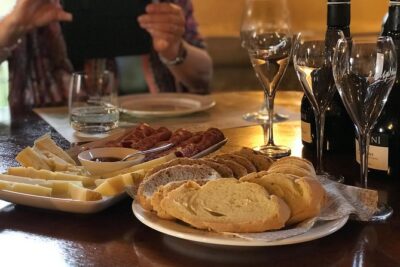
The Grand tour of Valpolicella: 2 Wineries, Lunch & Amarone focus
Read our review →
Small-group Amarone Wine e-Bike Tour from Verona
Read our review →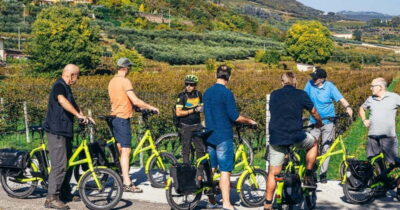
Wine Tasting near Juliet’s House & Arena with Valpolicella
Read our review →Browse the lists this tour appears in