
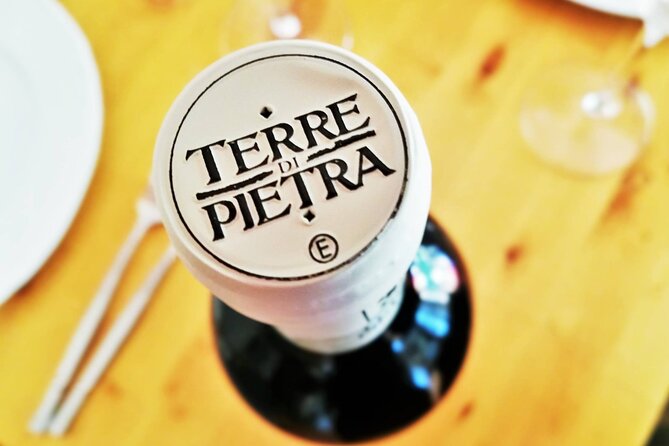
Reviewed · WINE TOURS
Verona – Cellar Tour and Tasting of NATURAL WINES
The most unusual part of this Verona wine outing is its focus on natural wines rather than polished, mass-market bottles. At Azienda Agricola Terre di Pietra, you’ll walk through the vineyard, visit the working cellar, and step into a historic cellar dating to 1760 before sitting down to taste five wines and the estate’s own olive oil.
I like the small scale, with a maximum of 15 people, and the clear connection between the land, the winemaking, and what reaches your glass. I also like the simple format: a short vineyard walk, practical cellar explanations, and a tasting that has included four Valpolicella wines and one white.
The main thing to weigh is the location. The farm is in San Martino Buon Albergo, outside central Verona, so you need to allow time to reach Via Arcandola and return to the same meeting point. The visit is advertised at about 90 minutes, although the detailed stop description allows one hour, so leave a little extra room in your plans.
In This Review
- Key points at Terre di Pietra
- Starting at a working farm outside Verona
- Seeing how natural wine is made
- A cellar with roots going back to 1760
- Tasting five wines and the estate olive oil
- What the natural-wine focus means for you
- Timing, transport, and the practical details
- Is the $30.04 price good value?
- Who will enjoy this visit most?
- Should you book the Terre di Pietra wine tour?
- FAQ
- Where does the wine tour begin?
- Where does the activity end?
- How long does the tour last?
- How many wines are included?
- Is olive oil included in the tasting?
- What kind of wine does the farm produce?
- Is the historic cellar included?
- Is the tour offered in English?
- How many people can join the activity?
Key points at Terre di Pietra
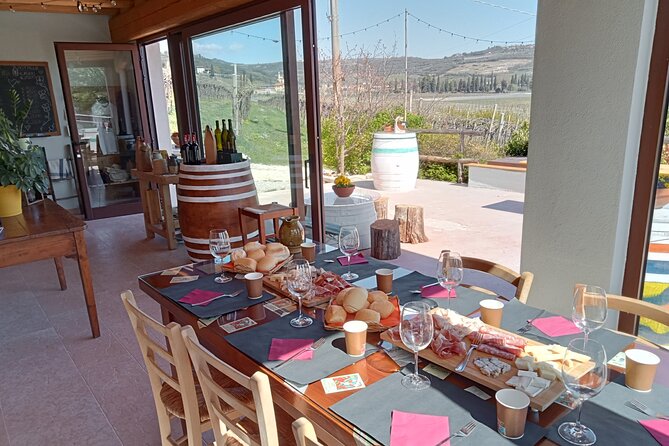
- A historic cellar dating to 1760: You get more than a modern tasting-room visit, with a look at part of the estate’s old cellar.
- Five wines and estate olive oil: The tasting gives you a useful range, including Valpolicella wines and a white.
- Natural winemaking explained on site: The producer presents wine as a partnership with the soil, weather, and handwork rather than factory-style production.
- A small group capped at 15 people: The format should feel more personal than a large bus-group tasting.
- A vineyard walk before the cellar: You first see the setting and hear the farm’s guiding ideas, then connect those ideas to the wines.
- English offered: You can book an English-language visit, with the activity beginning and ending at the farm.
Starting at a working farm outside Verona
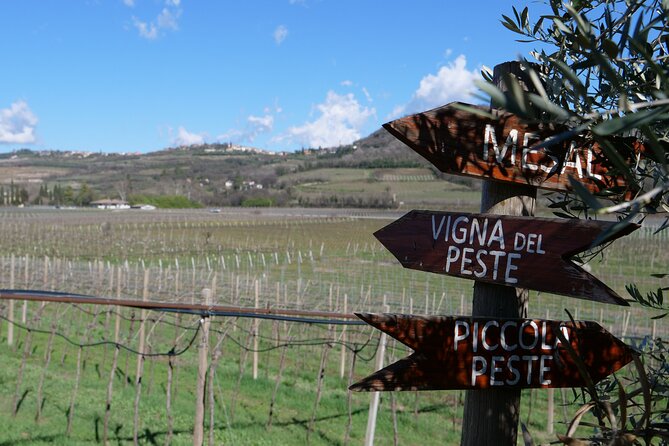
Azienda Agricola Terre di Pietra sits at Via Arcandola 4 in San Martino Buon Albergo, in the Verona area. This is not a tasting room in the middle of the old city. It is an agricultural property, and that distinction matters because the visit begins with the place where the wine is made.
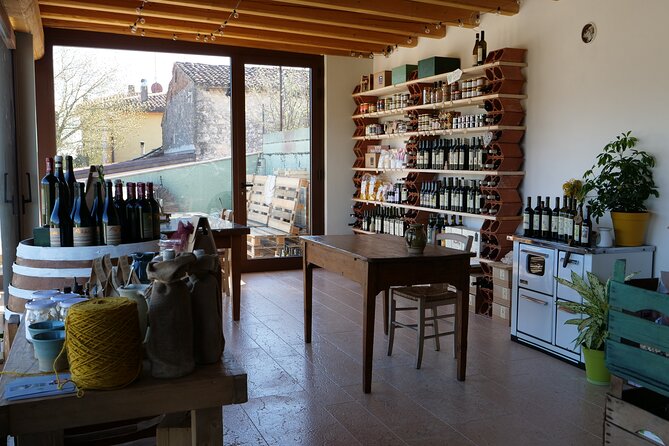
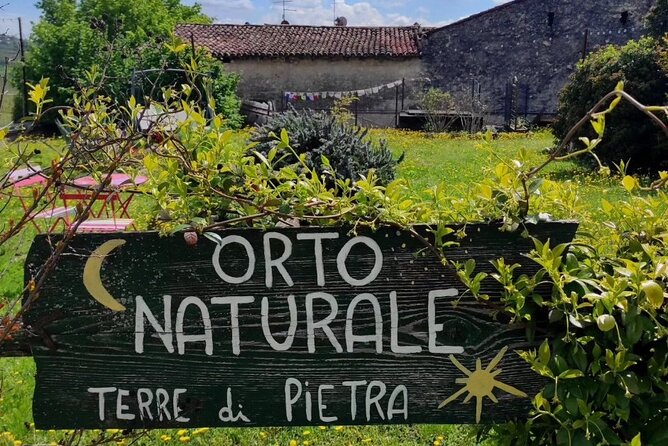
You meet at the farm shop and tasting room. From there, the visit moves outdoors for a short walk through the vineyard. This opening gives you a quick sense of the producer’s point of view before anyone starts pouring wine.
The guide explains who the farm is, what ideas shape its work, and how the owners see their role. The supplied information does not provide the guide’s name, so you should not expect a named sommelier or celebrity winemaker presentation. The appeal is the direct connection with the farm and its own production.
I like this order. Wine tastings can feel abstract when you meet the bottles first and the place second. Here, you hear the farm’s approach before tasting the results, which makes the later cellar talk easier to follow.
The vineyard walk is short, not a long countryside hike. That makes it suitable for a compact Verona day plan, but you should not book it expecting a full rural excursion with hours among the vines. The walk is a setting and introduction, not the main event.
More Food Tours in Verona
- From Verona: Valpolicella and Amarone Wine Tasting Tour
★ 4.9 · 560 reviews - Verona: Wine Tasting with Snacks and Panoramic Views
★ 4.8 · 494 reviews - Verona walking tour:food, wine, legends, lunch/dinner & cable car
★ 5.0 · 386 reviews
Seeing how natural wine is made
After the vineyard, you visit the cellar. This is where the producer explains how the natural wines are produced. The term natural wine can mean different things to different producers, so this part is important. You get the farm’s own explanation rather than a generic definition pulled from a wine book.
The guiding idea is to work with nature, including the effects of soil and weather, and to keep the production connected to handwork. One especially appealing detail is the sense that the winemaker treats changing conditions as part of the process instead of trying to make every vintage taste exactly the same.
That approach may suit you if you enjoy wines with a clear sense of place and a less industrial feel. It may be less appealing if you want a formal lesson in appellation law, laboratory methods, or a technical comparison of fermentation systems. The supplied details promise an explanation of the cellar and production method, not a specialist certification course.
The cellar visit also helps explain the word farm in the business name. This is not only a retail stop where bottles appear without context. You see the production area and hear how the wines move from vineyard to bottle.
Keep your expectations measured. Natural wine is not automatically better than conventionally made wine, and personal taste still rules the glass. The value here is that you can ask how this producer works and then judge the result for yourself.
A cellar with roots going back to 1760
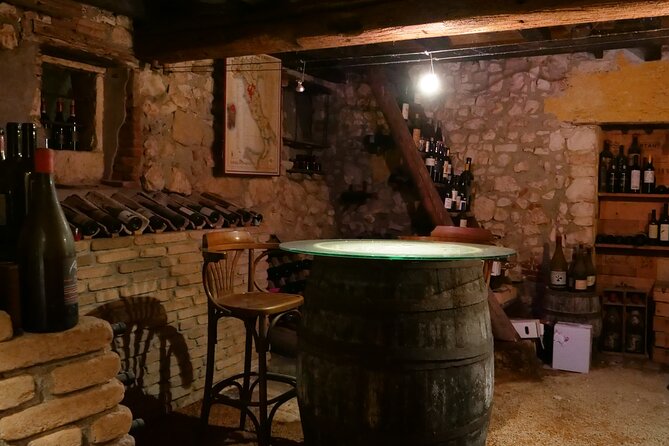
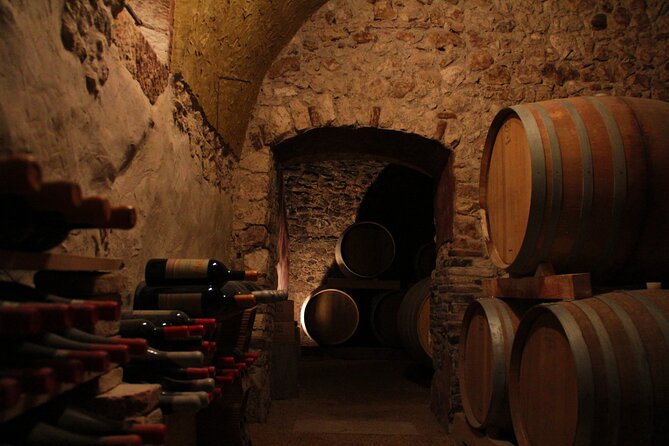
The historic cellar, dating to 1760, adds a second layer to the visit. You first learn about present-day production, then see a part of the older cellar. That contrast links current natural-wine practice with the long agricultural past of the property.
The information does not say how large the historic room is or how much of it is open to the public. Expect a visit to part of the old cellar, not a full museum tour. Even so, this is a useful detail for anyone who prefers a wine stop with a sense of place instead of a tasting counter alone.
I would pay attention to the way the old space is used in the story of the farm. The value is not just the date 1760. It is the chance to see how a modern producer presents its work alongside an older part of the estate.
This is also one reason the visit works well for people who do not already know much about wine. You do not need to identify every aroma or understand every production term. The physical spaces provide a clear sequence: vineyard, working cellar, historic cellar, tasting room.
Tasting five wines and the estate olive oil
The final part returns to the tasting room. You taste five wines and the olive oil produced by the farm. The wine selection has included four Valpolicella wines and one white, giving you a useful chance to compare several expressions of the local red-wine tradition with a different style.
Because the exact bottles can vary, you should not assume that a particular vintage or label is guaranteed. The important point is the number and range: five wines, followed by an estate product made from another part of the agricultural operation.
Valpolicella is the key local reference here. Tasting four wines from the area can help you notice how different bottles vary in weight, balance, and character, even when they share a regional identity. The white gives the flight a change of pace and keeps the tasting from becoming five similar red pours.
The olive oil is a welcome touch. It broadens the tasting beyond wine and gives you another way to assess the farm’s work. You may find the oil especially useful if you are looking for a small local product to remember the visit by, though the provided details do not promise a shop purchase or shipping service.
The tasting is likely to be most enjoyable if you approach it with curiosity rather than a checklist. Ask about the wines, the harvest conditions, and the producer’s choices. The small group limit should make questions easier than they would be in a crowded commercial tasting room, although the actual group size on your date can be smaller or close to the 15-person maximum.
More Wine Tours in Verona
- Verona: Pasta and Tiramisu Cooking Class with Fine Wine
★ 4.8 · 633 reviews - Verona: Pasta and Tiramisu Cooking Class With Free Flowing Wine
★ 5.0 · 575 reviews - Verona All in one: Food Walking Tour, Lunch & Wine
★ 5.0 · 342 reviews - Discover Valpolicella Vineyards and Wine Tasting Experience
★ 4.5 · 341 reviews
What the natural-wine focus means for you
The strongest theme of this visit is the producer’s care for making wine by hand and working with natural conditions. The farm presents its wines as products shaped by the land and weather, not as standardized drinks made for mass production.
That message comes through in the personal tone of the visit. The owner’s approach has been described as strongly tied to sharing wine made for people rather than pursuing industrial scale. You should treat that as the farm’s philosophy, not as a claim that every natural wine will suit every palate.
Natural wines can be a good choice for curious drinkers who want to understand a producer’s methods. They are also useful for people who have tasted Italian wine mainly through restaurant lists and want to meet a small agricultural operation directly.
You may want to choose another outing if your priority is a grand estate, a large collection, or a formal tasting led by a famous expert. Terre di Pietra is presented as personal, hands-on, and rooted in its own production. That is the draw, but it is also the limit.
Timing, transport, and the practical details
The full activity takes about one hour and 30 minutes. The detailed visit description assigns one hour to the farm stop, so I would plan for the longer advertised time and avoid scheduling a train, museum entry, or restaurant reservation immediately afterward.
The tour starts and ends at Azienda Agricola Terre di Pietra. There is no one-way transfer into Verona, so you are responsible for reaching the farm and getting back to your next stop. Since the address is in San Martino Buon Albergo rather than central Verona, check your route before booking and allow for the extra travel time.
The activity is offered in English and uses a mobile ticket. Confirmation is sent within 48 hours of booking, subject to availability. The group maximum is 15 people, which keeps the format fairly small without promising a private tasting.
Most people can participate, and service animals are allowed. The supplied details do not describe the walking surface, cellar stairs, vehicle access, or special arrangements for mobility needs. If any of those points matter to you, ask before booking rather than guessing.
The cancellation terms are fair for a short scheduled activity. You can cancel for a full refund up to 24 hours before the start time. Changes or cancellations made inside that 24-hour window are not accepted for a refund, and the cut-off follows local Italian time.
Is the $30.04 price good value?
At $30.04 per person, the price is reasonable if you want more than a five-glass tasting. You are paying for the vineyard introduction, the cellar explanation, the historic cellar visit, five wines, and estate olive oil, all within roughly 90 minutes.
The value is strongest for someone who wants direct contact with a small producer. A standard bar tasting may give you wine, but it usually will not connect the glass to a vineyard, a production cellar, and a room dating to 1760.
The price is less compelling if you are already booking several vineyard visits around Verona and only want a quick pour. In that case, the travel to San Martino Buon Albergo and the time involved may matter more than the cost itself.
The tasting also gives you a practical comparison point. Four Valpolicella wines and one white are enough to form an opinion about the farm’s range, rather than basing your view on one bottle. You are not simply paying for a drink. You are paying for context, explanation, and a chance to ask questions.
Who will enjoy this visit most?
I would recommend Terre di Pietra to wine drinkers who value small-scale production, natural methods, and a personal connection with the person making the wine. It is also a good fit for couples, small groups, and visitors who want a short activity outside the city rather than a full-day wine route.
It suits a mixed group well because you do not need advanced wine knowledge. Someone interested in agriculture or old buildings can enjoy the vineyard and 1760 cellar, while a wine enthusiast can focus on the natural production methods and the Valpolicella tasting.
The visit may not suit you if you need a central Verona activity with no transport planning. It may also disappoint if you expect a long vineyard walk, a large historic estate, or a highly technical class.
The high rating and full recommendation rate point to a consistently well-received format, but I would put more weight on the details that match your interests: the farm setting, the natural-wine focus, the small group, and the five-wine tasting.
Should you book the Terre di Pietra wine tour?
Book it if you want a compact, personal wine visit that connects vineyard, cellar, history, and tasting. The 1760 cellar and natural-wine approach give it more character than a simple pour-and-leave stop, while the five wines and olive oil make the $30.04 fee fair.
Skip it if central location is essential or if you prefer a large estate with a broad formal program. For the right visitor, though, this is a practical way to meet a working producer near Verona and taste the farm’s idea of wine for yourself.
FAQ
Where does the wine tour begin?
It begins at Azienda Agricola Terre di Pietra, Via Arcandola 4, 37036 San Martino Buon Albergo, VR, Italy.
Where does the activity end?
The activity ends back at the meeting point at Azienda Agricola Terre di Pietra.
How long does the tour last?
The activity lasts approximately one hour and 30 minutes. The detailed visit description lists one hour for the farm stop, so allow extra time beyond that shorter estimate.
How many wines are included?
The tasting includes five wines.
Is olive oil included in the tasting?
Yes. You taste the olive oil produced by the farm along with the five wines.
What kind of wine does the farm produce?
The visit focuses on natural wines. The tasting has included four Valpolicella wines and one white wine.
Is the historic cellar included?
Yes. The visit includes part of a historic cellar dating to 1760.
Is the tour offered in English?
Yes. English is one of the offered languages.
How many people can join the activity?
The maximum group size is 15 people. Most people can participate, and service animals are allowed.
Just added around Verona
- 3 Hour Shared Walking and Aperitivo Tour of Verona★ 5.0 · 3 reviews
- Verona: Blindfolded Wine Tasting★ 5.0 · 3 reviews
- Excursion in Verona.★ 4.5 · 3 reviews
- Verona Airport (VRN) Arrival Transfer (Airport to Verona Hotels or Address)★ 4.0 · 3 reviews
- Photo Shoot in Verona: Capture Your Love Story in Pictures★ 5.0 · 3 reviews
- Incredible Verona – Family Walking Tour★ 5.0 · 3 reviews
- From Verona: discover Lake Garda and Sirmione private tour★ 5.0 · 3 reviews
- Madonna di Campiglio and Dolomites Self-Guided Tour★ 5.0 · 3 reviews
Wine Tours, compared.
Venice Like a Local: Food, Wine & Spritz Tour with Traghetto Ride
Read our review →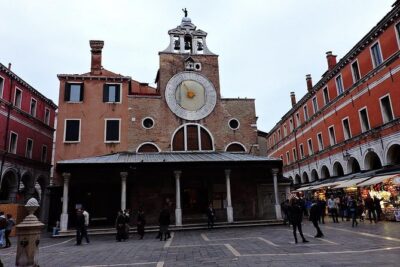
Eat, Drink and Repeat: Wine and Food Tasting Tour in Venice
Read our review →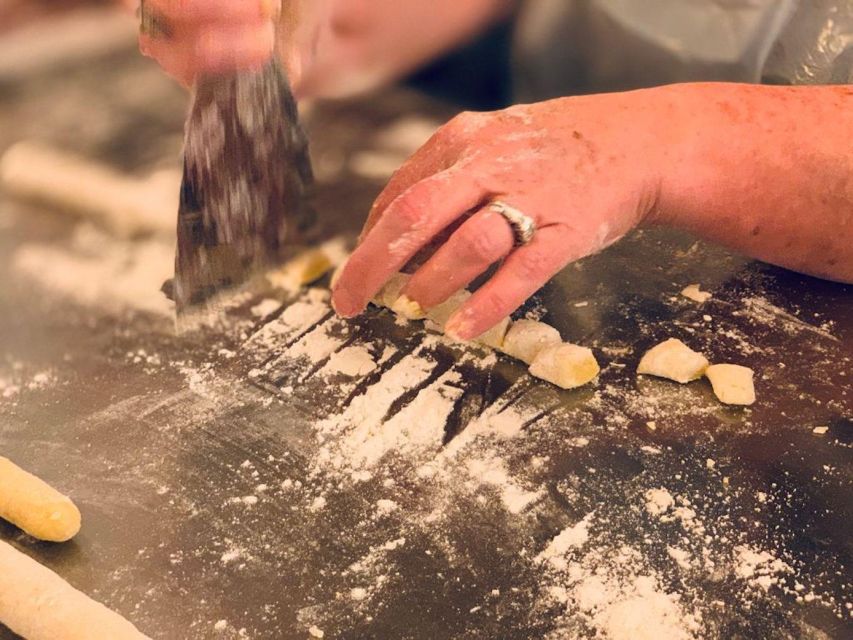
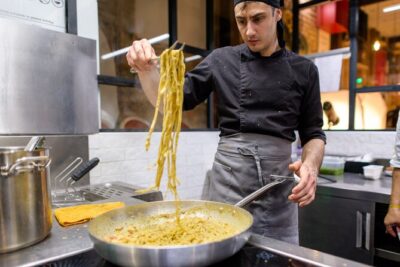
Pasta and Tiramisu Cooking Class with Wine in Venice
Read our review →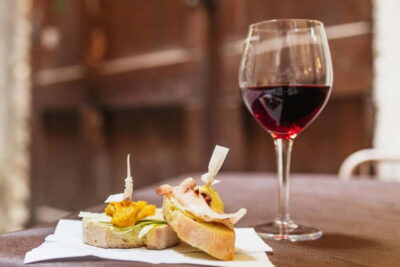
Food Tasting Tour with Cicchetti Dishes and Wine
Read our review →
Sunset Walking Tour with Food and Wine Tastings
Read our review →Pasta and Tiramisu Cooking Class with Fine Wine
Read our review →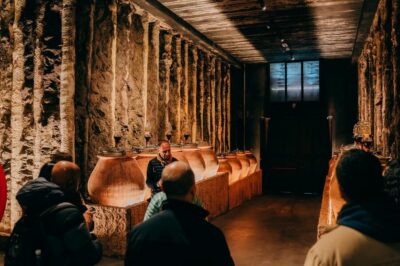
Browse the lists this tour appears in