
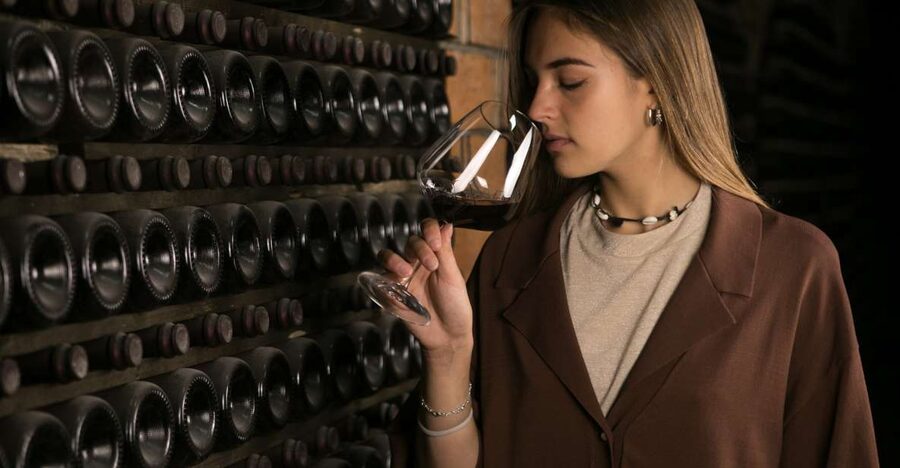
Reviewed · WINE TOURS
Verona: Montresor Winery Visit with Wine Tasting and Snacks
Montresor’s best trick is turning a wine tasting into a short, engaging story about Verona. You move from old tools and family photographs to drying grapes, giant barrels, and a guided tasting that makes each glass easier to understand. I especially like the aroma room and the way the museum links the winery to Verona’s past. The chance to taste Amarone, a costly wine in many countries, also adds real value.
I like that you can choose your direction: five bold Valpolicella reds, including Amarone Riserva, or four fresh Lake Garda whites. Guides such as Emma, Leonardo, Silvia, and Emmanuele have made the experience lively and clear. The main caution is the food pairing. The stated snack includes bread, olive oil, soppressa, and cheese, but some visitors have received only breadsticks, so do not book this as a full meal.
In This Review
- Key points to know before you book
- Why this winery visit works well in Verona
- Starting with Montresor’s Verona story
- The aroma room turns tasting into a game
- Seeing Valpolicella grapes before they become wine
- Entering the barrel room and aging cellar
- Choosing the red or white tasting
- Valpolicella red tasting
- Lake Garda white tasting
- Snacks, bottle buying, and the real value
- Getting there from Verona’s center
- Guides, pace, and language
- Who should book Montresor Winery
- Should you book this winery visit?
- FAQ
- Where is Montresor Winery located?
- How long does the experience last?
- How much does the winery visit cost?
- Can I choose between red and white wines?
- How many wines are included?
- What wines are included in the red tasting?
- What food is served with the wine?
- How can I reach the winery from central Verona?
- Is the tour offered in English?
- Can children attend?
- Is the winery accessible to people with reduced mobility?
- Can I cancel the booking?
Key points to know before you book
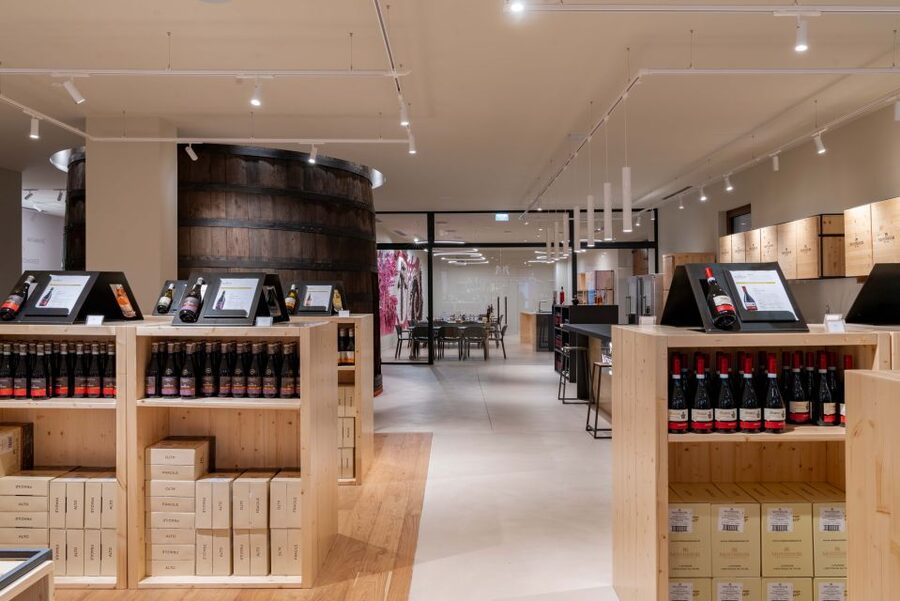
- A city winery with a museum: You learn about Montresor and Verona from the late 1800s to today before tasting.
- Two tasting paths: Choose five Valpolicella reds or four Lake Garda whites when booking.
- Amarone gets proper attention: You see grapes at different stages, including the drying process used for appassimento.
- The sensory room adds fun: An aroma quiz helps you connect familiar scents with what you find in the glass.
- Easy from central Verona: The winery is about 15 minutes from the center by car or taxi, with buses 21 and 93 stopping nearby.
- Good value at $34: A 90-minute guided visit, museum access, specialist host, and wine tasting make this a fair choice for wine fans.
Why this winery visit works well in Verona
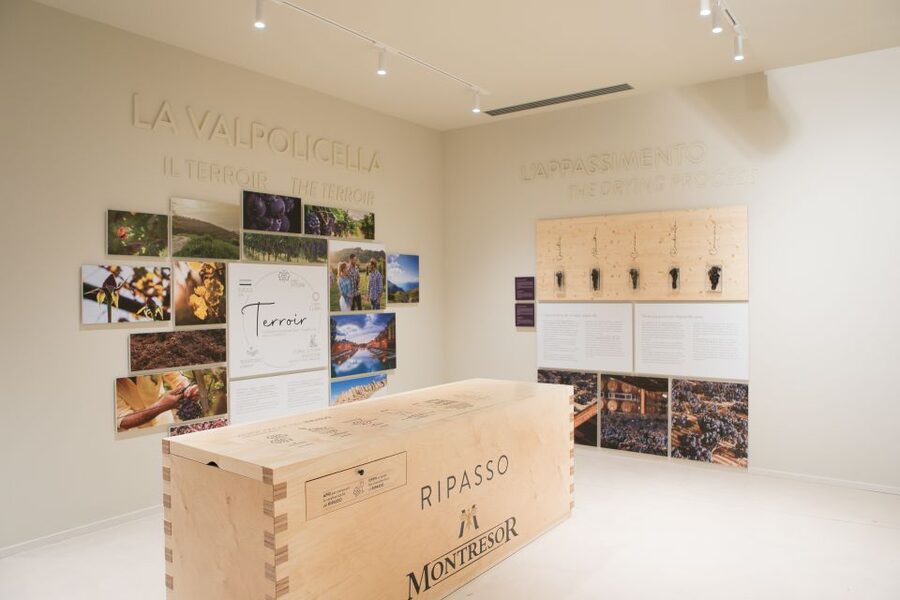
Many wine experiences near Verona take you into the countryside. Montresor offers something different: a working urban winery that you can reach without giving up most of your day. It is just outside the historic center, and the visit lasts about 1.5 hours.
That shorter format matters. You can fit it between Verona sights, use it as a break from churches and Roman ruins, or schedule it on a hot or rainy day. The indoor setting has controlled conditions, so the visit is not tied to sunshine or vineyard views.
I would choose this experience for anyone who wants more than three glasses and a plate of snacks but does not want a full-day excursion. You get a clear introduction to the wines of the area, a look at production, and enough tasting time to decide what you like.
The setting is less romantic than a small rural estate. You will not be wandering through rows of vines or sitting on a hill above the Veneto. Instead, the focus is on the winery’s story, its cellar work, and its wines. That trade-off will please city visitors who value access and substance over scenery.
More Food Tours in Verona
- From Verona: Valpolicella and Amarone Wine Tasting Tour
★ 4.9 · 560 reviews - Verona: Wine Tasting with Snacks and Panoramic Views
★ 4.8 · 494 reviews - Verona walking tour:food, wine, legends, lunch/dinner & cable car
★ 5.0 · 386 reviews
Starting with Montresor’s Verona story
The visit begins in the winery museum. This section covers Montresor’s story from the late nineteenth century to the present, placing the family and the business against major events in Verona and Italy.
That context helps. Wine can feel abstract when you are handed a glass and told to detect fruit, spice, or wood. Here, you first see the tools and objects tied to production. The winery’s identity becomes more concrete, and the later tasting has a human story behind it.
The museum uses original winemaking equipment and modern displays. One visitor found the design especially polished and wished for more time to read everything. That is useful advice: if you enjoy exhibits, pay attention from the start, because the tour moves on at a set pace.
The museum is not simply a shop decorated with bottles. It explains how Montresor kept its character while changing with new technology and difficult periods in history. The result is a good opening for first-time wine drinkers, since you can ask basic questions without feeling out of place.
The aroma room turns tasting into a game
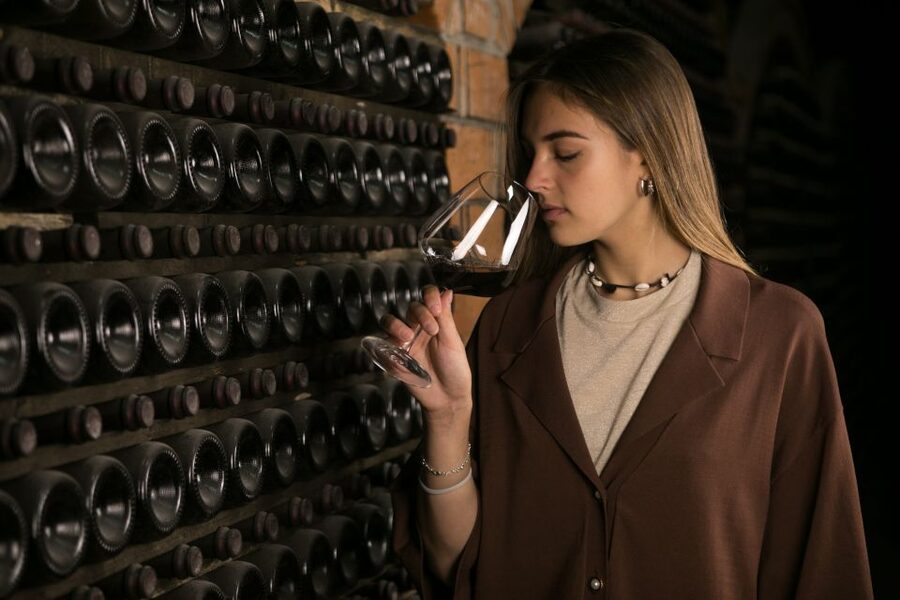
Next comes the interactive sensory room. You test your sense of smell and try to identify aromas linked to the wines.
This is one of the most appealing parts for people who find wine language intimidating. You do not need to know how to describe a wine before arriving. The exercise gives you familiar reference points, then helps you notice similar scents in the glass.
The aroma quiz has also been led in a light, playful way. Emma, in particular, has used it as a group challenge, while other guides have kept the tone relaxed and open to questions. That mix of instruction and humor prevents the visit from becoming a lecture.
Do not expect a laboratory-level wine course. The sensory activity is there to sharpen your attention, not turn you into a sommelier in ten minutes. Still, it gives you a practical skill you can use at the tasting table and later in a restaurant.
Seeing Valpolicella grapes before they become wine
The winery then explains the Valpolicella family, including Valpolicella Classico, Ripasso, and Amarone. You see grapes at different points in their journey from harvest to drying.
The key term here is appassimento. Grapes are dried before fermentation for wines such as Amarone. This reduces their water content and concentrates the fruit, creating a fuller, stronger wine. Seeing the grapes in different stages makes that process much easier to grasp than reading a short description on a menu.
The tour also clarifies the relationship between the wines. Valpolicella Classico is the lighter starting point. Ripasso gains more weight and character through its production method. Amarone goes further, with dried grapes producing a powerful, distinctive style.
You do not need to memorize every step. The useful takeaway is that these wines are related, but they are not interchangeable. If you have only tried one Valpolicella before, this part gives you a reason to taste across the range.
The Amarone section is a strong point for the price. Amarone can be expensive in restaurants and difficult to sample casually outside Italy. Tasting it here lets you compare it with less intense red wines instead of judging it on its own.
More Wine Tours in Verona
- Verona: Pasta and Tiramisu Cooking Class with Fine Wine
★ 4.8 · 633 reviews - Verona: Pasta and Tiramisu Cooking Class With Free Flowing Wine
★ 5.0 · 575 reviews - Verona All in one: Food Walking Tour, Lunch & Wine
★ 5.0 · 342 reviews - Discover Valpolicella Vineyards and Wine Tasting Experience
★ 4.5 · 341 reviews
Entering the barrel room and aging cellar
After the museum and aroma activity, you pass beneath a historic barrel into the aging room. Large casks hold wines as they rest and develop.
The barrel room gives the tour physical scale. You are no longer looking only at labels and museum pieces. You see the size of the vessels and the working environment tied to the wines in your tasting glass.
A full-wall historical mural is a distinctive feature of this room. It adds visual interest without replacing the production story. The guides explain both aging and appassimento, so you can connect the room’s equipment with the earlier display of drying grapes.
This is not a long cellar expedition. The entire experience fits into 90 minutes, and the tasting remains the main event. Still, the cellar stop is important because it shows that wine is not finished when fermentation ends. Time, storage, and the vessel all affect the result.
The space may not be easy for every person with reduced mobility or another disability. Some portions of the route have access limits, so ask the provider before booking if this matters to you.
Choosing the red or white tasting
Your tasting choice shapes the feel of the visit.
Valpolicella red tasting
Choose the red option if you want the fullest explanation of Verona’s wine identity. You receive five glasses, moving through Valpolicella styles up to Amarone Riserva.
This selection lets you compare structure, weight, fruit, and aging from glass to glass. The progression is especially useful if you are new to Amarone. Instead of treating it as a mysterious premium bottle, you can see where it fits within the wider Valpolicella family.
The guides have been praised for making the wines vivid without burying the group in technical terms. Leonardo, for example, has paired tasting notes with clear explanations of how the wine was made. That combination is more useful than a string of fancy adjectives.
The red tasting is also the better pick if you plan to buy a bottle. You can taste first, ask questions, and use the bottle discount before leaving. The winery can arrange shipping for purchases, though fees and customs costs may apply.
Lake Garda white tasting
Choose the white option if you prefer lighter, fresher wines or want to explore a part of the region beyond Valpolicella. This route includes four glasses from Lake Garda.
It offers a useful contrast to Verona’s famous reds. Lake Garda whites can feel more elegant and refreshing, making this option a sensible choice in warm weather or for people who usually avoid heavy wines.
The white route includes one fewer wine than the red route. That does not automatically make it poorer value, since the styles and serving choices differ, but red wine drinkers looking for Amarone should select carefully when booking.
If you are unsure, consider your normal restaurant order. Choose reds for body and intensity, whites for freshness and ease. The staff can explain the wines, but your initial selection determines the lineup.
Snacks, bottle buying, and the real value
At $34 per person, this is a fair-priced wine activity for Verona. You are paying for a guided museum visit, a sensory exercise, cellar access, a specialist host, and four or five pours. A comparable tasting in a major Italian city can cost much more once a guide and a premium wine such as Amarone are included.
The value is strongest for the red option because five wines include a high-end style that is often costly by the glass. The white option still makes sense if you care more about variety and regional comparison than about the number of pours.
Wine-pairing snacks are included. The stated offering is bread, olive oil, soppressa salami, and cheese. In practice, the amount and selection can vary, and some people have received only a small serving of breadsticks. I would treat the food as a palate aid, not lunch.
That distinction matters. Have a meal before or after if you need something substantial, especially since the tour lasts 90 minutes and the tasting includes several wines. Vegans should not book this activity, and it is not suitable for children under 18 or pregnant women.
The shop is another practical advantage. You receive a discount on bottle purchases, and international shipping has been available. If you buy wine to take home, check customs rules for your country. One purchase account described a quick delivery but also noted a small customs payment handled online.
Getting there from Verona’s center
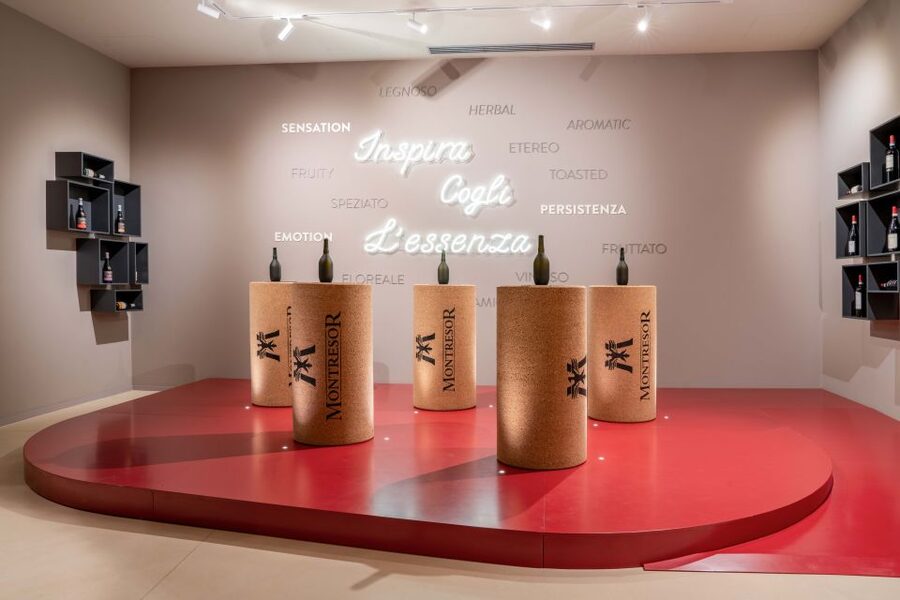
The meeting point is inside Montresor Winery. From the Arena, a taxi is the simplest choice, and the journey takes about 15 minutes from central Verona. This is also the best option if you have a tight schedule or are carrying purchases.
Bus routes 21 and 93 run from Castelvecchio Castle, opposite the castle entrance, with a stop near the winery. One account found the bus route easy, while another advised using a car or taxi. Give yourself extra time, since public transport timing can be less predictable than a short taxi ride.
Parking is available at the winery. That helps if you are touring the Veneto by car, but remember that the tasting includes multiple wines. A driver should plan to taste cautiously or arrange another way back.
The winery’s location makes this a city add-on rather than a countryside day trip. You can visit without hiring a private driver, but you should not assume that the walk from central Verona will be pleasant or quick. Check the starting time and transport before committing to other reservations.
Guides, pace, and language
Tours are offered in English and Italian. The experience includes a live guide, not an audio track, so you can ask about grape drying, wine styles, or bottles in the shop.
Several guides have made a strong impression through different strengths. Emma has led the museum and aroma quiz. Leonardo and Emmanuele have handled cellar and tasting explanations. Silvia has also been praised for an engaging presentation. Your guide may differ, but the format allows personality to shape the visit.
The tone is informative with room for humor. That suits mixed groups, where one person may be an experienced wine drinker and another may be trying Amarone for the first time.
A delay is possible. One booking started about an hour late, which did not cause a problem for that group but could disrupt a train, meal, or timed museum entry. Leave a buffer after the tour rather than booking a tight connection.
The activity needs at least two participants to operate. Children and teenagers cannot attend alone, and minors must have an adult with them. The tour is not designed for unaccompanied minors.
Who should book Montresor Winery
I would recommend this for:
- First-time visitors to Verona who want a regional wine introduction without leaving the city area.
- Couples and small groups looking for a structured tasting with some history and production detail.
- Wine drinkers eager to compare Valpolicella Classico, Ripasso, and Amarone.
- People who enjoy museums, interactive displays, and guided explanation.
- Visitors needing an indoor plan for very hot or wet weather.
- Anyone interested in buying bottles after tasting rather than guessing from a shelf.
I would think twice if you want vineyard views, a long meal, or a quiet private tasting. This is a guided group experience in a modern winery setting. It is also a poor fit for vegans, pregnant people, children under 18, and anyone who cannot manage parts of the route.
Free cancellation is available up to 24 hours before the activity, and you can reserve while paying later. Severe storms or other extreme events are handled case by case, so weather-related refunds are not guaranteed.
Should you book this winery visit?
Book it if you want a useful, compact introduction to Verona’s wines, especially Amarone and the appassimento process. The museum, aroma room, barrel room, and tasting work together, and the $34 price is reasonable for the amount of guided content.
Choose the red tasting for the fullest Valpolicella experience. Pick the Lake Garda whites if you prefer fresh wines or want a lighter alternative. Use a taxi if timing matters, and keep expectations modest about the snacks.
I would skip it only if your ideal wine day requires open countryside, vineyard scenery, or a full meal. For a practical city-based tasting with strong guides, historical context, and a chance to buy wines you have already sampled, Montresor is an easy choice.
FAQ
Where is Montresor Winery located?
The winery is just outside Verona’s historic center in Veneto, Italy. You meet your guide inside the Montresor winery.
How long does the experience last?
The guided visit and tasting last about 1.5 hours.
How much does the winery visit cost?
The listed price is $34 per person.
Can I choose between red and white wines?
Yes. You can choose a Valpolicella red tasting or a Lake Garda white tasting.
How many wines are included?
The Valpolicella option includes five glasses. The Lake Garda white option includes four glasses.
What wines are included in the red tasting?
The red tasting covers Valpolicella wines, including Valpolicella Classico, Ripasso, and Amarone styles, with the selection reaching Amarone Riserva.
What food is served with the wine?
The stated pairing includes bread, olive oil, soppressa salami, and cheese. The exact snack serving may vary, and some visits have included breadsticks only.
How can I reach the winery from central Verona?
You can take a taxi from the Arena or use bus 21 or 93 from Castelvecchio Castle. Parking is available at the winery.
Is the tour offered in English?
Yes. Live guides lead the experience in English or Italian.
Can children attend?
The activity is not suitable for children under 18. Minors must be accompanied by an adult, and unaccompanied minors are not allowed.
Is the winery accessible to people with reduced mobility?
Some parts of the tour may not be easy to access for people with reduced mobility or other disabilities. Contact the provider before booking if access is a concern.
Can I cancel the booking?
You can cancel up to 24 hours in advance for a full refund. The activity also offers reserve now and pay later booking.
Just added around Verona
- Verona: Private 2-Hour Walking Tour★ 4.9 · 41 reviews
- Valpolicella Lunch or Dinner Wine & Food tasting with Amarone★ 5.0 · 43 reviews
- The 10 Tastings of Verona With Locals: Private Food Tour★ 4.5 · 45 reviews
- Arena di Verona Opera Ticket Package★ 4.0 · 46 reviews
- Unique Wine tasting in Verona, with Amarone docg★ 5.0 · 46 reviews
- Verona: the Arena at the Gladiators’ time★ 5.0 · 48 reviews
- Verona: Juliet’s House Fast-Track Entry Ticket & Audio Guide★ 3.5 · 52 reviews
- Valpolicella Wine Experience at Montresor winery★ 5.0 · 54 reviews
Wine Tours, compared.
Venice Like a Local: Food, Wine & Spritz Tour with Traghetto Ride
Read our review →
Eat, Drink and Repeat: Wine and Food Tasting Tour in Venice
Read our review →
Pasta and Tiramisu Cooking Class with Wine in Venice
Read our review →
Food Tasting Tour with Cicchetti Dishes and Wine
Read our review →
Sunset Walking Tour with Food and Wine Tastings
Read our review →Pasta and Tiramisu Cooking Class with Fine Wine
Read our review →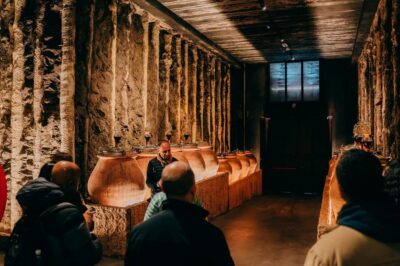
Browse the lists this tour appears in