
Reviewed · WORKSHOPS
Creative Venice: Artisan Excellence and Craftsmen Workshops
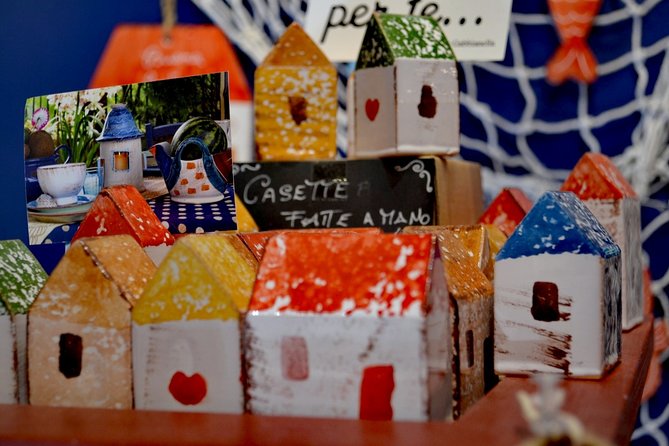
Venice is far more than palaces and postcard views. This three-hour walk with guide Valerio Coppo takes you into small workshops where craftspeople still make glass jewelry, paper, hats, shoes, ceramics, and old-style textiles by hand. You get a look at the Venice that keeps working after the gondolas glide past.
I like two things right away. First, the tour connects craft to daily Venetian life, beginning at the Rialto market and moving through neighborhoods where family skills have been handed down. Second, the private format lets you set the pace and adjust the focus, so you can spend more time with glass, fabrics, or local design if one subject catches your interest.
The main consideration is cost: $182.17 per person is a serious price for three hours, especially since workshop visits and transportation are not listed as separate inclusions. You are paying for access, local introductions, and Valerio’s guidance rather than a long list of ticketed sights.
In This Review
- Key points at a glance
- Why this tour sees a different Venice
- Rialto begins with food, trade, and old Venice
- San Polo ceramics made for the table
- Handmade shoes and the clever use of old materials
- Campo Manin and Giuliana’s hat shop
- Campo Santo Stefano and paper that echoes the lagoon
- San Salvador’s intimate atelier
- Murano glass jewelry without leaving the historic center
- Cannaregio and the surviving silk looms
- What $182.17 buys you
- Who will enjoy this craft walk
- Practical details before you book
- Should you book Creative Venice?
- FAQ
- Where does the tour begin?
- Where does the tour end?
- How long does the experience last?
- Is pickup available?
- Is this a private tour?
- Is the tour offered in English?
- What is included in the price?
- What crafts can I see?
- Can the itinerary be adjusted?
- Can I cancel for a full refund?
Key points at a glance
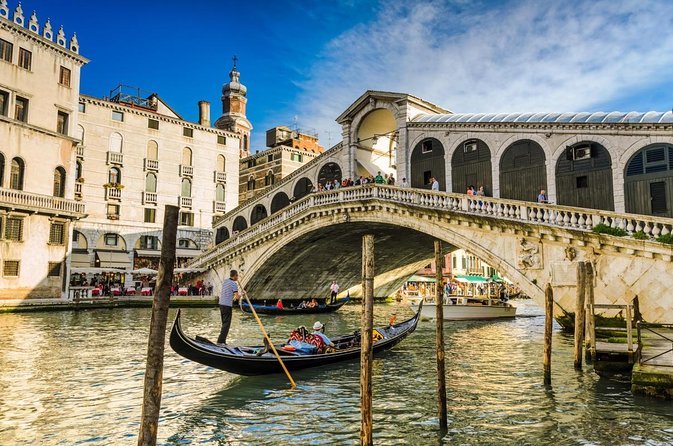
- See working craft shops, not just finished souvenirs: The route includes places making glass, paper, textiles, ceramics, shoes, hats, jewelry, and sculpture.
- Start with everyday Venice at Rialto: The fish market gives the tour a useful link between local food, trade, and handmade culture.
- Meet craftspeople in small ateliers: You may speak with artists and see their tools, materials, and methods up close.
- Follow traditions with a modern edge: Recycled bicycle tires become shoe soles, while ancient looms produce fine furnishing fabrics.
- Use the private format to your advantage: The pace and itinerary can be adjusted for your group.
- Plan for a walking tour: Pickup is available only with a private booking, and the standard meeting point is Campo San Giacomo di Rialto.
Why this tour sees a different Venice
The appeal here is not a grand monument. It is the chance to see how Venice’s identity survives in small rooms, behind modest shopfronts, and in the hands of people who still use old methods.
Valerio’s approach is personal and flexible. The route is designed around introductions to artisans, so you are not simply looking at display cases. You may hear how a material is prepared, why a certain technique matters, and how the work connects to Venetian life.
The tour also avoids a common problem with craft shopping. You are shown several kinds of work, but there is no stated requirement to buy anything. That matters. You can pay attention to the process and decide for yourself if an object belongs in your suitcase.
The tour is offered in English and lasts about three hours. Since the activity is private, your group is the only group taking part. That makes it a better fit for people who prefer questions, conversation, and a slower look rather than a fixed march from one sight to the next.
More Workshops in Venice
- Venice: Carnival Mask Workshop
★ 4.5 · 1,925 reviews - Venice: Pasta and Tiramisu Cooking Class with Wine
★ 4.9 · 1,010 reviews - Pasta and Tiramisu Cooking Class with Wine in Venice
★ 5.0 · 945 reviews
Rialto begins with food, trade, and old Venice
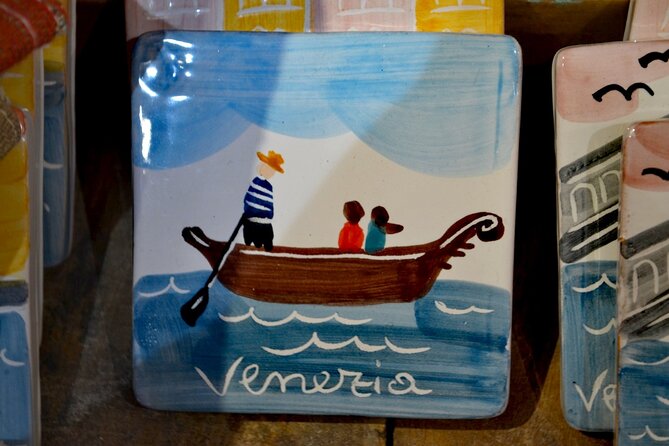
Your meeting point is Campo San Giacomo di Rialto, in front of San Giacomo di Rialto, traditionally regarded as Venice’s oldest church. It is a useful starting place because this part of town has long been tied to commerce and ordinary city life.
You then walk to the Mercato del Pesce al Minuto, the fish market in the Pescheria halls. The setting is practical and unpolished: fish lie on crushed ice, fishmongers call out the day’s catch, and local shoppers move through the stalls.
I like this opening because it prevents the craft tour from feeling like a string of unrelated boutiques. Venice’s handmade culture grew alongside its markets, shipping routes, workshops, and household traditions. At Rialto, you see the working city before moving into the more specialized world of artisans.
The market visit is brief, about 15 minutes. It is not a full food tour, and the schedule does not suggest time for a meal or extended shopping. Think of it as a short, sharp introduction to the city’s commercial heart.
San Polo ceramics made for the table
In San Polo, you visit a local artisan producing rustic Italian ceramics. These pieces use bright colors, lively designs, and traditional materials. Their purpose is not only decoration. They are linked to gathering around the table, preparing food, sharing drinks, and marking events at home.
That connection gives this stop more meaning than a quick look at plates or serving pieces. You can see how craft fits into domestic life. The objects are described as warm and informal but also refined, which is a useful reminder that handmade work does not have to look precious or fragile.
You have about 15 minutes here, so expect a focused visit rather than a pottery class. The value comes from hearing about the method and the tradition, then deciding if the style suits your taste. If you are searching for a practical Venetian souvenir, ceramics may be more useful than another small trinket.
Handmade shoes and the clever use of old materials
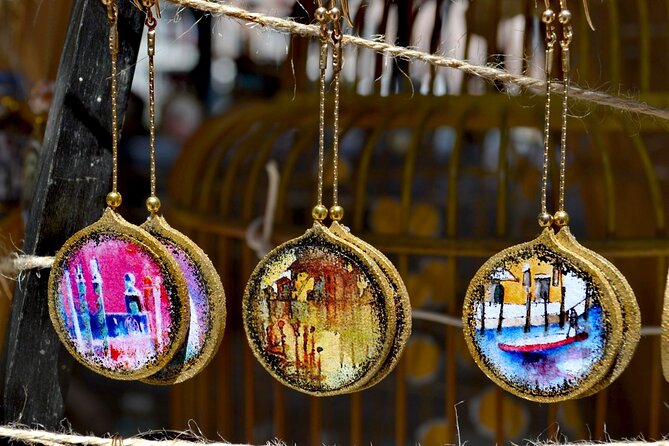
Near the Rialto Bridge, the tour visits a traditional shoe shop with a strong connection to reuse. Old bicycle tires were turned into waterproof, hardwearing soles. Jute from grain and seed sacks became linings, while old cloth and clothing scraps became the shoe uppers.
This is one of the most memorable ideas on the route because it shows necessity turning into design. The shoes are made by hand, and newer styles include the Veneziane, inspired by the eighteenth-century elegance of the Venetian Republic. Velvet and bright oriental silks add a dressier touch.
You may find the stop especially useful if you care about materials and production rather than brand names. It also gives you a chance to think about the difference between a factory-made souvenir and an item shaped by local skill.
The short timing is again important. You will not have a long fitting session built into the itinerary. If you want to buy, ask Valerio early about how much time the schedule allows. The tour is meant to introduce the craft first.
A few more Venice days to weigh up
- Verona: Pasta and Tiramisu Cooking Class with Fine Wine
★ 4.8 · 633 reviews - Verona: Pasta and Tiramisu Cooking Class With Free Flowing Wine
★ 5.0 · 575 reviews - Create Your Glass Artwork: Private Lesson With Local Artisan
★ 5.0 · 556 reviews - Venetian Carnival Mask Making Class in Venice, Italy
★ 4.5 · 525 reviews
Campo Manin and Giuliana’s hat shop
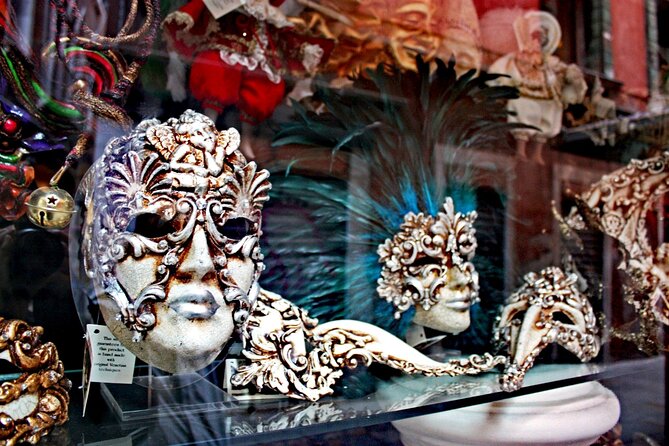
At Campo Manin, you visit Giuliana’s small shop, which is packed with hats. The selection includes Panama hats imported directly from Ecuador since 1980, gondolier hats, Carnevale hats, rain hats, wool hats, and wedding hats.
The range makes this a cheerful stop, but it also has real local character. The shop is officially recognized as a historic place in the Veneto Region, giving it a place in the city’s commercial story rather than treating it as a temporary souvenir stand.
I would pay attention to the contrast between imported Panama hats and distinctly Venetian styles. It shows how local shops can keep a strong identity while working with materials and products from elsewhere.
At 15 minutes, this is a browse-and-learn stop. You can look at the shapes and uses, but do not assume the itinerary includes a long shopping break. A hat is also one of the easier purchases to carry, though the final decision depends on your luggage and budget.
Campo Santo Stefano and paper that echoes the lagoon
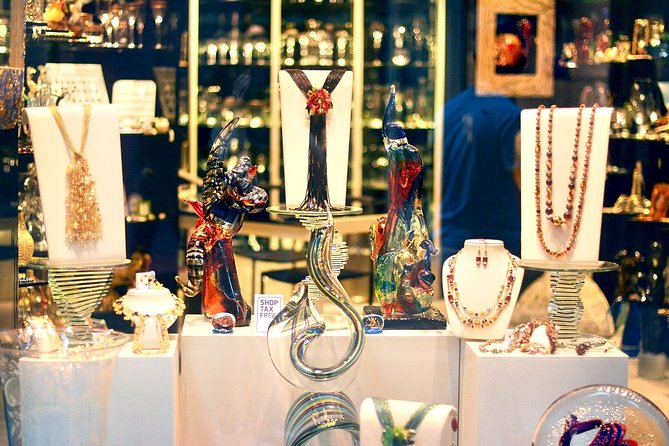
The paper workshop introduces a more unusual Venetian specialty. You meet a maestro marmorizzatore, a master of traditional marbled paper techniques. In Italian, maestro means an expert or teacher, and in Venetian speech it can also be a respectful greeting for an older person.
The work draws on Venice’s setting between water, sky, and different cultural currents. Marbled paper can reproduce the shifting colors of the lagoon at different times of day. Some sheets feature flowers, including tulips and roses, while another distinctive series shows smiling fish appearing as if fossilized in paper.
This is a strong stop for anyone interested in book arts, stationery, or small works that are easy to pack. It is also a good example of how local craft can interpret Venice without simply printing a gondola on everything.
The artistic descriptions are poetic, but you should expect to see a working technique rather than a museum exhibition. Since the stop lasts around 15 minutes, ask questions while the work is being explained. The private setting makes that easier.
San Salvador’s intimate atelier
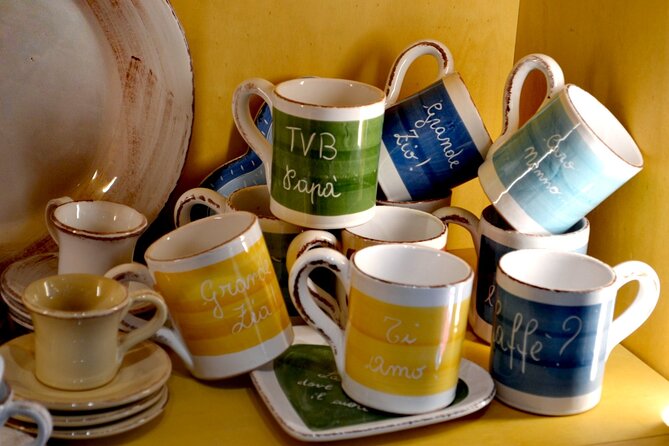
Near Chiesa di San Salvador, a couple of artists have operated a small atelier since 2007. Their work explores the relationship between an object and the person looking at it.
The collection includes delicate glass flowers, cut-iron forms, wooden trees, dreamlike shapes, nomadic scenes, and views inspired by the deep sea. This stop shifts the tour from traditional household crafts to contemporary studio art.
I like that change of rhythm. Without it, a craft walk could become repetitive. Here, you see how Venetian creativity can move beyond inherited techniques into sculpture, jewelry, and unusual mixed materials.
The workshop is described as precious and cozy, so do not expect a large gallery or a broad commercial showroom. The experience is closer to entering an artist’s small world. If you prefer major museums and famous masterpieces, this may feel modest. If you like personal studios, it could be one of the most rewarding stops.
Murano glass jewelry without leaving the historic center
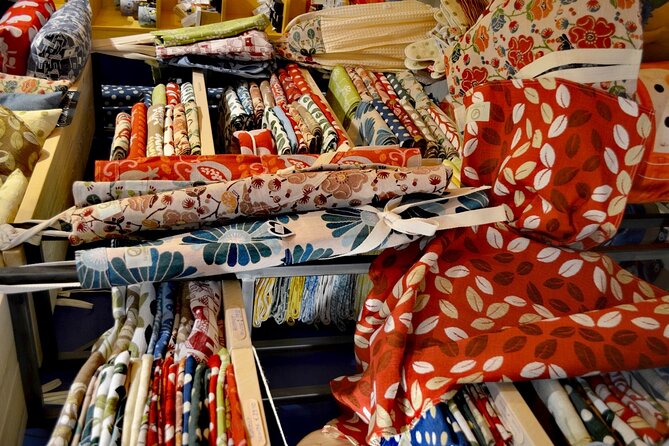
The next jewelry visit focuses on Murano glass. The beads are made by hand in small local workshops using glassblowing and lamp-working techniques from the Venetian tradition.
This stop is especially helpful because Murano glass is widely sold across Venice, and quality can vary. Seeing how individual beads are produced gives you a better basis for judging what you buy. You can ask about the process, the source of the beads, and the difference between hand-made work and mass-produced merchandise.
The visit takes place at a shop near the Rialto Bridge, not at a full glass factory on Murano Island. That distinction matters. You are getting an introduction to hand-made glass jewelry and the people behind it, not a lengthy furnace demonstration.
One past experience with Valerio also included access to places not normally open to the general public and a close look at glass work. The exact workshop access can depend on the day and the artists available, so treat the personal introduction as the key benefit rather than expecting a guaranteed production show.
Cannaregio and the surviving silk looms
The final craft stop takes you to Cannaregio, where a textile company produces fine fabrics for furniture and high fashion. The range includes velvets, damasks, lampases, brocatelles, and a special soprarizzo velvet.
The striking detail is the equipment. Production of the soprarizzo fabric still uses 18 looms from the eighteenth century. These looms once belonged to the silk guild of the Venetian Republic.
That makes this more than a fabric-shopping stop. You are seeing old machinery still connected to skilled work. The fabrics also show how Venetian craft serves both practical interiors and luxury clothing.
Textiles may be the least instantly familiar craft on the route, but they can be the most revealing. Venice is often reduced to glass and masks. Here, you see a wider tradition of weaving and design, including techniques that depend on patience and trained hands.
The official end point is at the Zattere. That gives you a different part of Venice from which to continue your day, though you will need to plan your own return or onward route.
What $182.17 buys you
At $182.17 per person, this is not a low-cost walking tour. The price makes the most sense when you value access and personal guidance more than admission tickets.
A licensed tour guide is included. The activity is private, and the itinerary can be adjusted in pace and focus. You are also visiting a series of small businesses that you would be unlikely to identify on your own, particularly if you do not speak Italian or know the city’s artisan network.
There are no listed admission fees for the stops. That is not a criticism, since most are working shops rather than ticketed attractions. Still, you should understand what you are paying for: Valerio’s local connections, explanations, navigation through Venice, and the chance to meet craftspeople.
The value improves for a couple, family, or small group that can share the private experience. Group discounts are offered, though the exact terms are not provided. Pickup is possible only for a private group, and you must request it if you want to be collected at a location in Venice’s historic center.
If you book a shared small-group option, use the general meeting point at Campo San Giacomo di Rialto, near the fountain in the middle of the square and in front of the church. Confirm the exact arrangement when booking, since the supplied details describe both private and shared formats.
Who will enjoy this craft walk
I would recommend the experience most strongly to you if you have already seen Venice’s main landmarks or want your sightseeing to move beyond them. It suits people who like design, food culture, local businesses, photography, shopping with a story, and conversations with makers.
It is also a good choice for families with older children, couples, and small groups with different interests. One person can focus on glass, another on fabrics, and another on shoes or hats, while Valerio adjusts the conversation.
You should think twice if you want a large production demonstration, long time at each workshop, or a museum-style presentation. Nine stops in about three hours means each visit averages roughly 15 minutes, with walking between them. The pace is described as leisurely, but the schedule is still full.
The route includes markets, shops, ateliers, and historic streets. Wear shoes suited to walking, and keep your schedule flexible after the tour if you plan to make purchases. The end point at the Zattere is not the same as the start at Rialto.
Practical details before you book
Confirmation is provided at booking. The tour is offered in English, and service animals are allowed. It is near public transportation, and most people can participate.
The experience provider is deTourist Venice Valerio Coppo. Valerio is the named guide associated with the tour, and the strongest praise focuses on his personal attention, anecdotes, passion for Venice, and ability to adjust the route to the people in front of him.
The booking can be canceled for a full refund up to 24 hours before the start time. Cancellations or changes made less than 24 hours before the start are not accepted for a refund, and the cut-off follows local time.
Should you book Creative Venice?
Book it if you want to meet the people behind Venetian craft and are willing to pay for a personal introduction. The mix is unusually broad: fish market, ceramics, recycled shoes, hats, marbled paper, sculpture, Murano glass, and historic textiles. Valerio’s role is central, since the experience depends on his introductions and storytelling.
Skip it if your main goal is a classic Venice highlights tour, a full Murano glassblowing demonstration, or bargain shopping. For the right person, though, this is a thoughtful way to see how Venice remains a working city, one small workshop at a time.
FAQ
Where does the tour begin?
The standard meeting point is Campo San Giacomo di Rialto, in front of the church near the fountain in the center of the square.
Where does the tour end?
The tour ends at the Zattere in Venice.
How long does the experience last?
The tour lasts approximately three hours.
Is pickup available?
Personalized pickup is available only when you book a private group. You should contact the provider if you want pickup from a location in Venice’s historic center.
Is this a private tour?
Yes. The activity is described as private, with only your group participating.
Is the tour offered in English?
Yes. English is one of the offered languages.
What is included in the price?
A licensed tour guide is included. The listed workshop visits have no admission charge.
What crafts can I see?
The route includes ceramics, traditional shoes, hats, marbled paper, sculpture, jewelry, Murano glass beads, and fine Venetian textiles.
Can the itinerary be adjusted?
Yes. The private tour is described as flexible, allowing you to customize the itinerary and pace.
Can I cancel for a full refund?
Yes, if you cancel at least 24 hours before the experience start time. Cancellations or changes made less than 24 hours before the start are not accepted for a refund.
Just added around Venice
- Padua City Sightseeing Walking Tour of Must-See-Sites with Local Guide★ 5.0 · 3 reviews
- Gondola Ride and St Mark’s Basilica★ 4.5 · 3 reviews
- Padua: Private Pasta-Making Class at a Local’s Home★ 5.0 · 3 reviews
- Venice: Market Tour and Meal at a Local’s Home★ 4.3 · 3 reviews
- VIRTUAL MUSEUM: Creature di Gomma – Venice Vintage Toys★ 4.7 · 3 reviews
- 3 Hour Shared Walking and Aperitivo Tour of Verona★ 5.0 · 3 reviews
- Venice: The Best of Dolomites 3Cime and Refuges with Drone★ 5.0 · 3 reviews
- Verona: Blindfolded Wine Tasting★ 5.0 · 3 reviews
Workshops, compared.
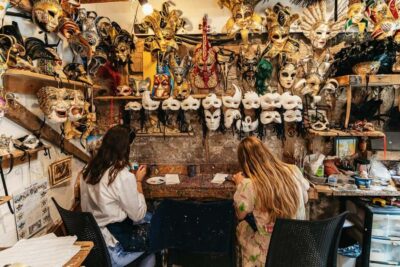
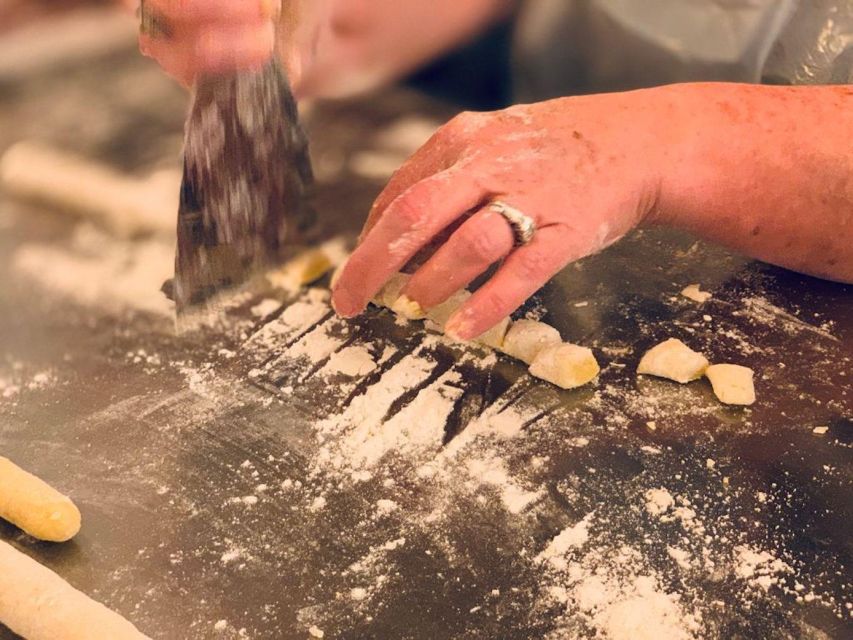
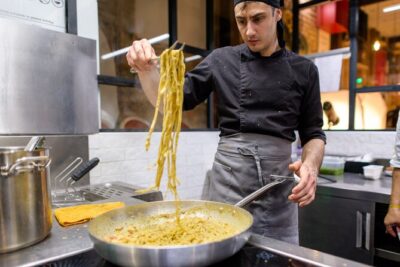
Pasta and Tiramisu Cooking Class with Wine in Venice
Read our review →Pasta and Tiramisu Cooking Class with Fine Wine
Read our review →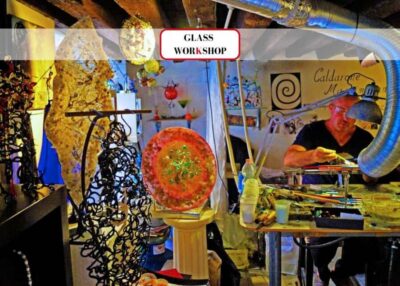
Create Your Glass Artwork: Private Lesson With Local Artisan
Read our review →
Venetian Carnival Mask Making Class in Venice, Italy
Read our review →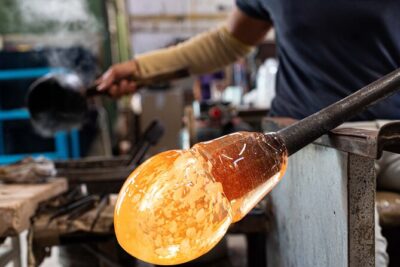
Murano Glass Factory Experience: A Workshop in Venice
Read our review →
Browse the lists this tour appears in