
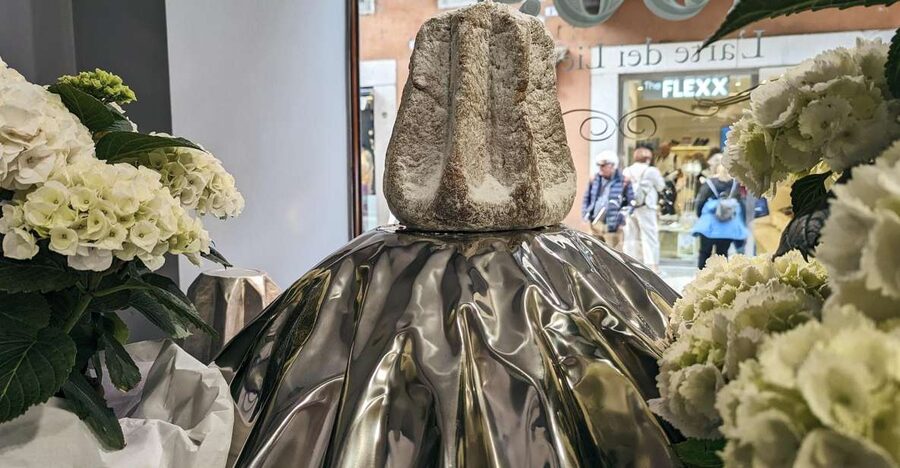
Reviewed · FOOD & DRINK
Fine Chocolate Tasting in Turin
Turin’s chocolate story begins with Gianduja, the city’s silky blend of chocolate and toasted Piedmont hazelnuts. At Chocolate7, you taste this local specialty alongside Italian and international bean-to-bar bars, learning to notice the small flavor changes that separate fine chocolate from ordinary candy.
I like the generous range of samples and the focused one-hour format. I also like Giovanni’s clear enthusiasm, which turns a shop visit into something closer to a wine tasting. The main drawback is the small room, with limited seating, so this suits people who are comfortable standing for much of the hour.
In This Review
- Key points to know before you book
- Why Turin is such a good place for a chocolate tasting
- Starting at Chocolate7 in Turin
- The first taste: Turin’s Gianduja
- Four types of chocolate, from Piedmont to abroad
- What bean-to-bar really means
- Giovanni’s role makes the difference
- A small shop with a personal feel
- Is one hour enough?
- Price and overall value at $36
- Who will enjoy this experience most?
- Should you book the Chocolate7 tasting?
- FAQ
- Where does the chocolate tasting take place?
- How long does the experience last?
- What types of chocolate will I taste?
- Is the tasting available in English?
- Can I take part if I have a hazelnut allergy?
- Is the activity wheelchair accessible?
Key points to know before you book
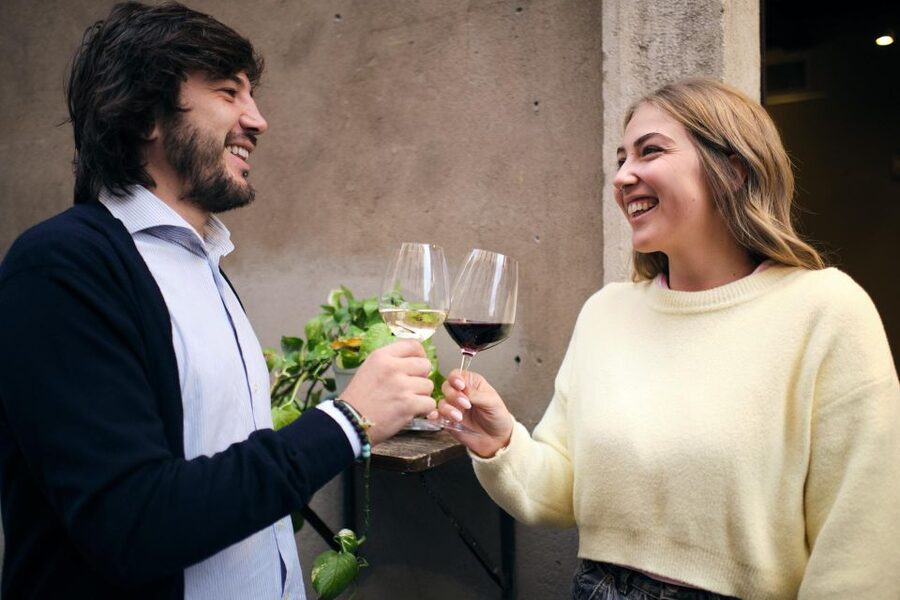
- Gianduja leads the tasting: Try Turin’s signature chocolate and hazelnut combination at its source.
- Four chocolate types are included: The tasting covers local, Italian, and international examples.
- Bean-to-bar matters here: You learn how makers control the process from cocoa bean to finished chocolate.
- The samples are generous: This is a real tasting, not one tiny square and a quick sales pitch.
- Groups stay small: A maximum of eight people allows time for questions and personal attention.
- Plan for a compact shop: Chocolate7 is not wheelchair accessible, and seating is limited.
Why Turin is such a good place for a chocolate tasting
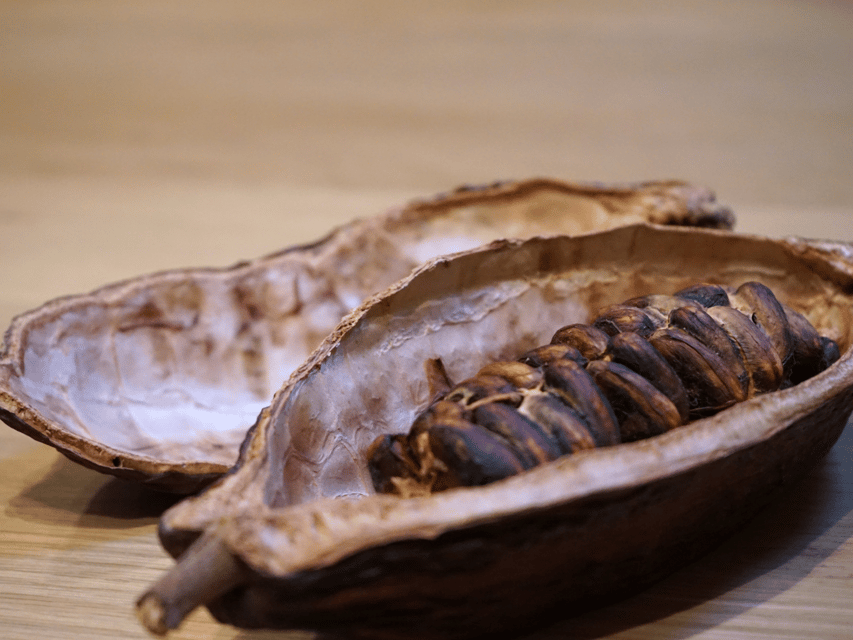
Turin has a special claim on chocolate culture, and this tasting gives you a useful introduction without asking you to spend half a day in a factory or museum. The local focus is not just a marketing touch. Piedmont hazelnuts are central to the character of Gianduja, the smooth mixture that made Turin famous for chocolate.
The tasting also gives you a way to understand chocolate by comparison. A single bar can taste good, but several bars side by side show you how cocoa, sugar, milk, roasting, texture, and added ingredients change the result.
I especially like the idea of treating chocolate as a food with structure and detail. You are encouraged to pay attention to tasting notes rather than simply asking if a piece is sweet. That makes the experience useful after you leave, too. You may find yourself reading labels more carefully and choosing chocolate for its cocoa character instead of its packaging.
This is not a cooking class, and you will not make your own bar. It is a guided tasting in a small boutique. If you want a relaxed hour built around eating and learning, it fits well into a Turin sightseeing day.
Other Venice days people book alongside this one:
- Venice: Doge’s Palace Reserved Entry Ticket
★ 4.6 · 42,716 reviews - Venice: Grand Canal Gondola Ride with App Commentary
★ 4.1 · 18,908 reviews - Boat Trip: Glimpse of Murano, Torcello & Burano Islands
★ 4.3 · 15,699 reviews
Starting at Chocolate7 in Turin
You meet the host inside Chocolate7, a small chocolate shop to the left of a sushi restaurant. That location detail matters because the shop may not be immediately obvious from the street. Enter the boutique, show your ticket, and the tasting begins there.
No transportation is included, so you need to make your own way to the shop. Since the experience lasts only one hour, it is easy to fit around other plans in Turin. You might schedule it between visits to central sights, or use it as a pleasant afternoon stop when you want a break from walking.
The shop setting has a clear advantage: you are surrounded by the products being discussed. The tasting does not take place in a large visitor center with a formal stage. Instead, it happens in a compact retail space with a broad selection of chocolate. That gives the experience a personal feel, though it also means the room can feel tight.
Wear comfortable shoes, as requested. The short duration does not guarantee that you will sit throughout the tasting, and one person specifically found that the room could use a few more chairs. This is a minor issue for most people, but it is worth knowing if standing for an hour is difficult.
The first taste: Turin’s Gianduja
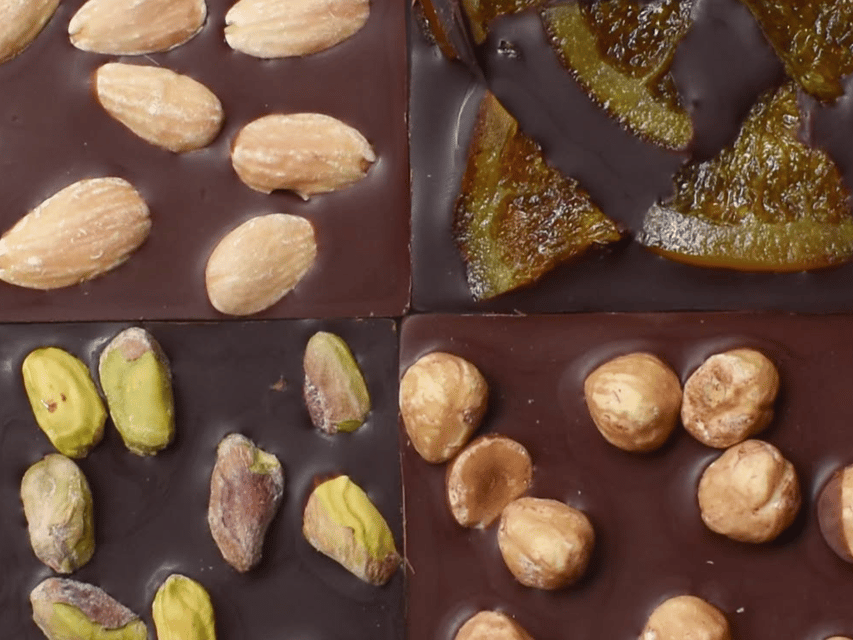
The tasting starts with Gianduja, the chocolate style most closely tied to Turin and Piedmont. It combines chocolate with toasted hazelnuts from the region, producing a creamy texture and a rounded nutty flavor.
Gianduja is different from a plain milk chocolate bar. The hazelnut changes both the mouthfeel and the finish, making the chocolate soft, smooth, and fragrant. It is also a good first sample because it gives you a local reference point before the tasting moves to other makers and styles.
I like this opening because it connects the food directly to place. You are not tasting an anonymous luxury product. You are tasting a Piedmont specialty built around an ingredient the area is known for.
If you have a hazelnut allergy or intolerance, tell the host at the beginning. Alternatives can be provided, but you should not wait until the middle of the tasting to raise the issue. This is one of the few food restrictions specifically addressed, and the host has shown care with allergy requests.
Four types of chocolate, from Piedmont to abroad
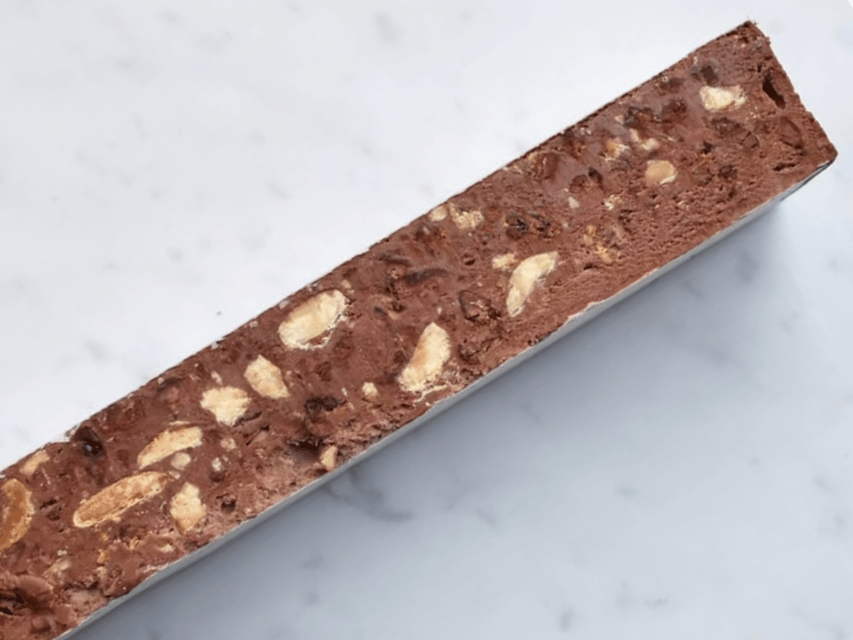
After Gianduja, you taste other chocolates from local and Italian producers before moving to international bean-to-bar examples. The experience includes all four primary chocolate types offered in the tasting, with samples covering dark, milk, and white chocolate as part of the selection.
The value here comes from the range. You are not simply trying four versions of the same bar. You get to compare local products with chocolates from other Italian and international makers, noticing how each producer handles cocoa, sweetness, milk, and texture.
The exact selection may vary, so you should not expect a fixed menu of named bars. That flexibility is useful in a specialist shop, where the host can select examples that fit the group and explain what makes each one different.
The tasting is also generous by the standards of short food activities. You should come ready to eat several samples. The amount is substantial enough that one family described the hour as a good fit for chocolate lovers, while another participant advised arriving hungry because there are many samples.
That does not mean this replaces a meal. Chocolate is filling in a different way, and the experience is best treated as a substantial snack or dessert stop rather than lunch.
More food tours in Venice:
- Eat Like a Local: Venice 3-Hour Small-Group Food Tasting Tour
★ 5.0 · 3,137 reviews - Venice: Street Food Tour with a Local Guide and Tastings
★ 4.8 · 2,613 reviews - Venice Like a Local: Food, Wine & Spritz Tour with Traghetto Ride
★ 5.0 · 1,858 reviews - Venice Bacaro Food Tour: Eat and Drink like a Venetian
★ 5.0 · 1,137 reviews
What bean-to-bar really means
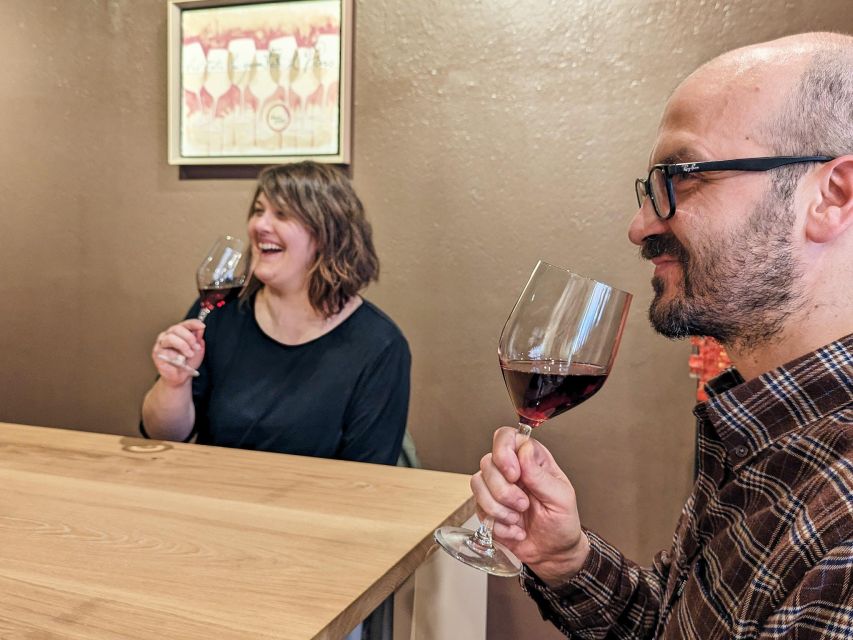
A central part of the hour is the bean-to-bar production method. In simple terms, bean-to-bar makers oversee the process from cocoa bean through the finished chocolate instead of buying ready-made chocolate and only adding flavors or shaping it.
The point of the explanation is not to turn you into a chocolate maker. It is to show why two bars with similar cocoa percentages can taste very different. Decisions made during roasting, grinding, blending, and finishing affect aroma, bitterness, acidity, sweetness, and texture.
The chocolates served here are described as pure, mainly organic, and made without emulsifiers. That ingredient policy is important for people who want a cleaner expression of the cocoa and other ingredients. It also gives you a useful contrast with mass-market chocolate, where texture and shelf life may depend more heavily on added ingredients.
You will learn the vocabulary of tasting notes along the way. The practical benefit is that you begin to separate texture from flavor. A chocolate can be creamy but not especially sweet, or firm with a long finish. It may show fruit, nuts, roast, spice, or other notes, depending on the maker and cocoa used.
The session works best if you slow down and let each piece sit on your tongue. If you simply chew and swallow each sample, you will miss much of what the guide is explaining.
Giovanni’s role makes the difference
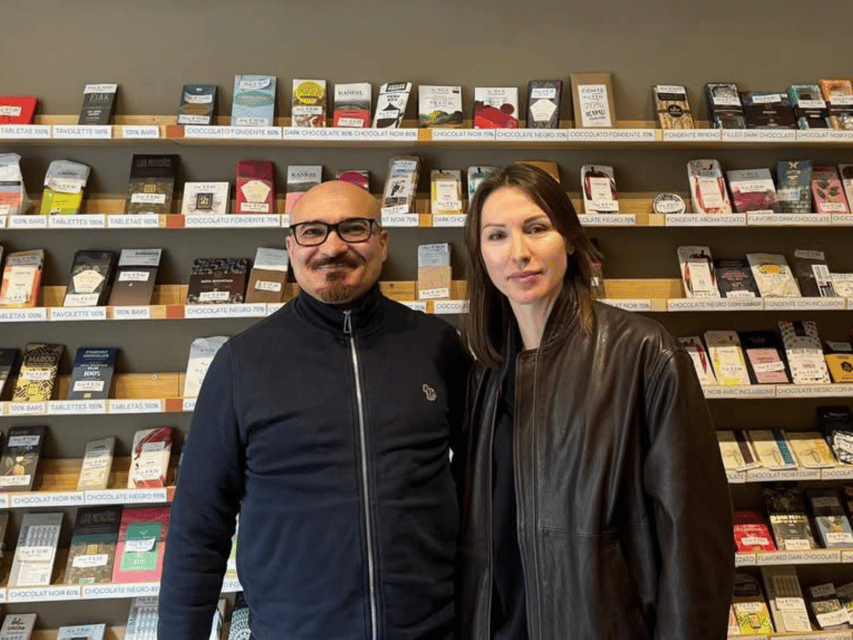
The host, Giovanni, is the person who gives the tasting its shape. He presents the samples, explains chocolate production and Turin’s connection to chocolate, and helps you identify the notes in each piece.
The strongest praise for this experience centers on his passion and generosity. I would value that in a tasting because technical information can become dry very quickly. A guide who enjoys the subject makes it easier to stay curious when the discussion turns to production methods or ingredient choices.
You can ask questions during the hour, and the group size is limited to eight. That is small enough for a more direct exchange than you would get in a large demonstration. It also helps explain why the activity receives such a strong overall score, 4.8 out of 5 from 71 reviews.
Language should not be a barrier for most international visitors. The tasting is offered in Italian, French, and English. The information provided does not promise that every session will be conducted in all three languages, so check the available time when booking if language is important to you.
One detail to keep in mind is that a single comment names Giuseppe rather than Giovanni. Most of the supplied feedback identifies Giovanni as the host, so Giovanni is the name you should expect, but staff arrangements can sometimes vary.
A small shop with a personal feel
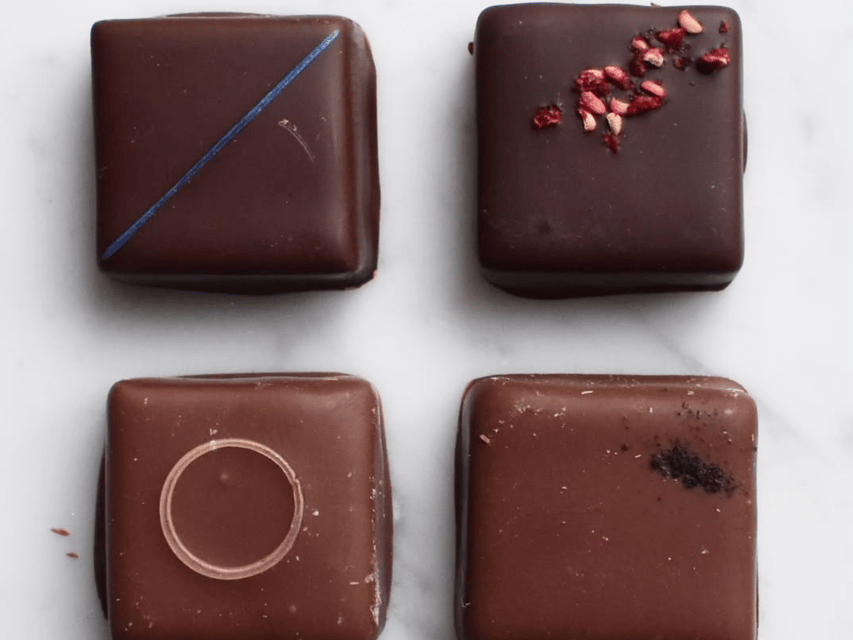
Chocolate7 is a boutique rather than a large tasting hall. That gives you a close view of the chocolate selection and creates a more informal atmosphere. You can look around the shop and, if something catches your eye, buy treats to take home after the tasting.
The compact setting is also the experience’s clearest limitation. Seating is limited, and the room may feel crowded if all eight places are filled. People who prefer a spacious venue, a formal table setting, or a long seated presentation may find the format less comfortable.
For most visitors, the small scale is part of the appeal. You are close to the host, close to the products, and not separated from the food by a large production. I would choose this over a polished but impersonal presentation if I wanted to learn directly from someone who runs a chocolate business.
The activity is not suitable for wheelchair users. That restriction, combined with the tight shop layout, makes it important to assess your mobility needs before booking.
Is one hour enough?
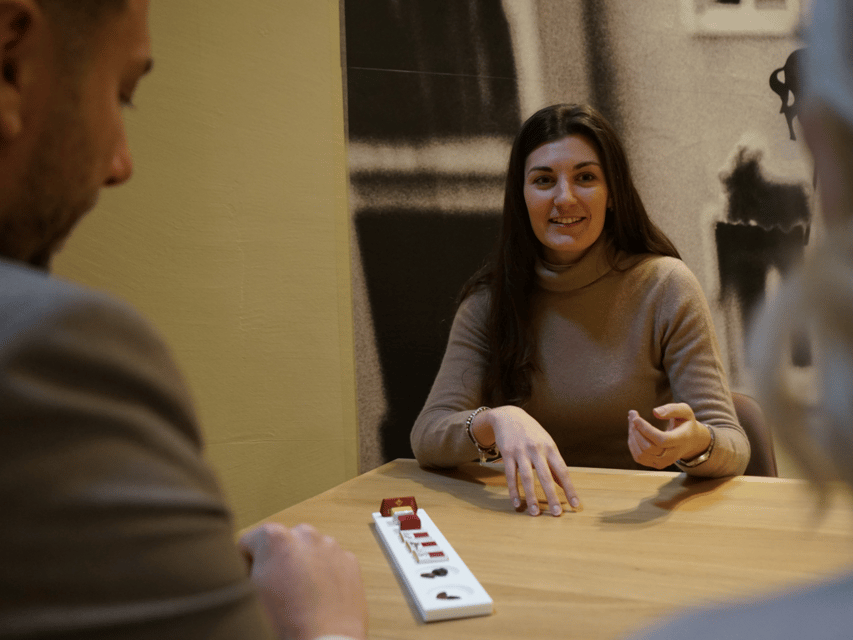
Yes, if you want a concentrated introduction rather than a full chocolate workshop. The hour covers the local Gianduja tradition, other Piedmont and Italian chocolates, international bean-to-bar examples, production methods, and tasting notes.
The short length is one of the activity’s best features for a city break. You do not have to sacrifice a major Turin sight to fit it in, and you can enjoy it even if your schedule is packed.
At the same time, one hour leaves little room for a slow, elaborate lecture. The tasting moves at a steady pace because there are many samples to cover. You will get the most from it if you listen while tasting and save detailed shopping questions for the end.
I would not book this expecting a quiet two-hour seminar. I would book it for a lively introduction with plenty of food and enough explanation to sharpen your palate.
Price and overall value at $36
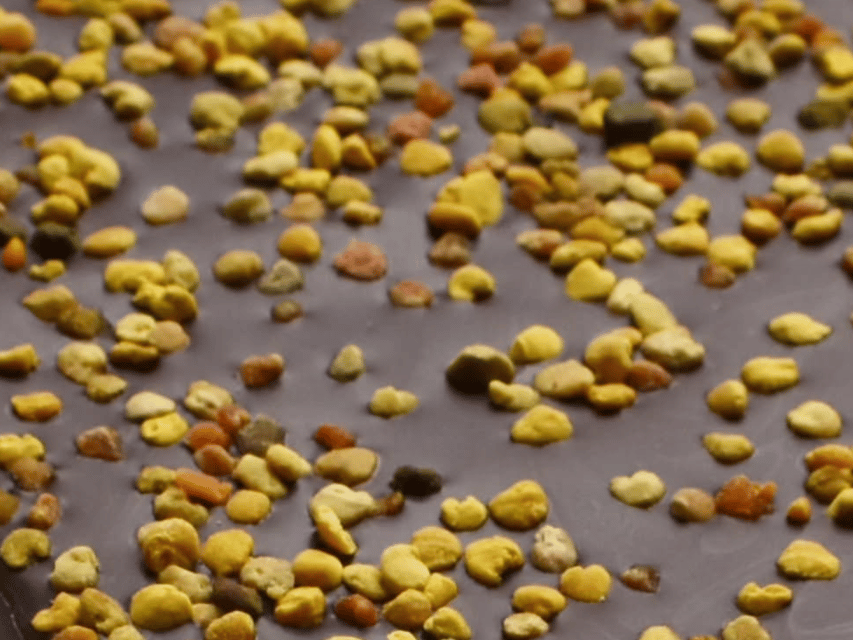
At $36 per person, the tasting sits above a casual chocolate purchase but below the cost of many longer guided food activities. The price includes local and Italian luxury chocolate, international bean-to-bar samples, the guide’s instruction, and an explanation of chocolate history and production.
The quantity of samples is a major part of the value. This is not a token tasting where you receive one or two pieces and spend most of the time listening. The available feedback repeatedly points to plentiful samples and a wide selection.
I also think the comparison element makes the price worthwhile. You are paying for access to a range of carefully chosen chocolates and for help understanding them. If you already buy fine chocolate and know your cocoa origins, you may find the educational side familiar, though you will still get a chance to try products you might not find at home.
For families, couples, and anyone who loves food souvenirs, the tasting can also guide your purchases. You can discover which styles suit you before buying bars to take home. One practical warning: the experience can leave you tempted to spend more in the shop, so leave a little room in your luggage and budget.
Free cancellation up to 24 hours before the activity and the option to reserve now and pay later reduce the risk of fitting it into a changing Turin schedule. Those booking terms are useful, but the main value still comes from the tasting itself.
Who will enjoy this experience most?
I would recommend it first to chocolate lovers who want more than a sweet snack. You will get the most from the hour if you enjoy comparing flavors and asking why one chocolate tastes fruitier, nuttier, smoother, or more bitter than another.
It also works well for:
- Couples looking for a compact food experience
- Families with children who can focus for an hour
- Visitors interested in Piedmont food traditions
- People who want an indoor activity during a busy sightseeing day
- Anyone shopping for fine chocolate to take home
- Curious eaters who have never tried a formal chocolate tasting
It may be less suitable if you dislike dark chocolate, have difficulty standing, need a wheelchair-accessible venue, or want a hands-on workshop. White, milk, and other styles are included, but the activity is still centered on fine chocolate rather than familiar supermarket sweets.
If you have a hazelnut allergy or intolerance, tell Giovanni at the start so alternatives can be arranged. Do not assume every Gianduja sample will be safe.
Should you book the Chocolate7 tasting?
Book it if you want a friendly, focused hour that connects Turin with one of its best-known foods. The strongest reasons are the local Gianduja, the generous variety, the small group size, and Giovanni’s clear enthusiasm for the subject.
I would skip it only if the small shop, limited seating, or lack of wheelchair access creates a problem. For everyone else, $36 buys more than chocolate to eat. You get a guided comparison that can change how you taste and buy chocolate for the rest of your trip.
FAQ
Where does the chocolate tasting take place?
It takes place at Chocolate7 in Turin, inside a small chocolate boutique to the left of a sushi restaurant. Enter the shop and show your ticket to begin.
How long does the experience last?
The tasting lasts one hour. Starting times vary, so you need to check availability when booking.
What types of chocolate will I taste?
You will taste four primary types of chocolate, including Gianduja, dark, milk, and white chocolate within the local, Italian, and international selection.
Is the tasting available in English?
Yes. The host can conduct the experience in Italian, French, or English.
Can I take part if I have a hazelnut allergy?
Yes, alternatives can be provided, but you must tell the host at the beginning of the tasting.
Is the activity wheelchair accessible?
No. The experience is not suitable for wheelchair users, and the tasting takes place in a small shop with limited seating.
Just added around Venice
- Exclusive Private Venice Jewish Ghetto Tour★ 5.0 · 41 reviews
- The Secret Corners of Burano★ 5.0 · 41 reviews
- Verona: Private 2-Hour Walking Tour★ 4.9 · 41 reviews
- St Mark’s Basilica & Doge’s Palace Skip the Line – Semi-Private★ 5.0 · 42 reviews
- Venice: 3-Course Dining Experience at Local Home★ 4.8 · 41 reviews
- Wine Tasting in Venice★ 4.6 · 42 reviews
- Venice Skip lines at Doge’s & St. Mark’s with Exclusive Sky Walk★ 4.5 · 42 reviews
- Venice Saint Mark’s Basilica afternoon guided tour★ 4.5 · 42 reviews
Food & Drink, compared.
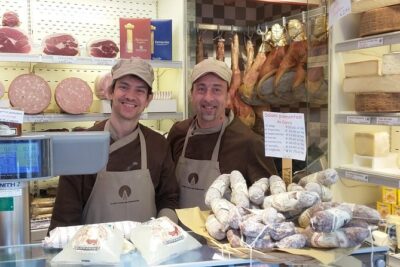
Eat Like a Local: Venice 3-Hour Small-Group Food Tasting Tour
Read our review →
Street Food Tour with a Local Guide and Tastings
Read our review →
Venice Like a Local: Food, Wine & Spritz Tour with Traghetto Ride
Read our review →
Venice Bacaro Food Tour: Eat and Drink like a Venetian
Read our review →
Eat, Drink and Repeat: Wine and Food Tasting Tour in Venice
Read our review →
Food Tasting Tour with Cicchetti Dishes and Wine
Read our review →
Sunset Walking Tour with Food and Wine Tastings
Read our review →
Venice Street Food Tour with Local Guide with Local Food Market Visit
Read our review →Browse the lists this tour appears in