
Reviewed · WORKSHOPS
Molten glass magic – Glassblowing class – PRIVATE
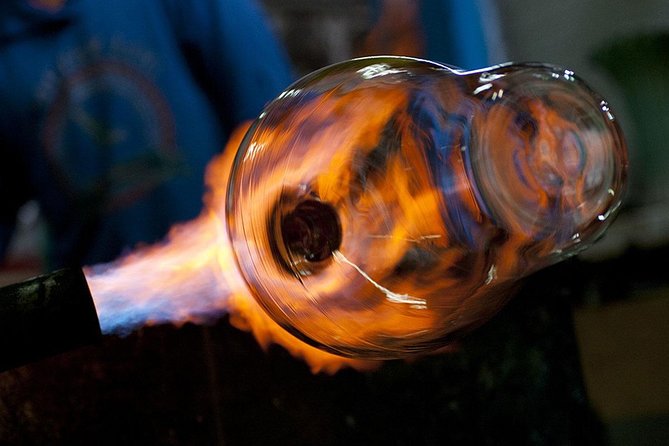
The memorable part of this experience is not watching glassblowers from behind a railing. You sit close to the furnace and work hot glass with a master artist guiding your hands. The class is private for your group, and the private boat ride to Murano gives the outing a smooth start.
I like two things here: one-on-one instruction and the chance to feel how quickly molten glass moves. I also like the included water taxi, since getting to a Murano factory by private boat is far easier than sorting out the route yourself.
The main caution is important: you may not receive the pieces you make. They need to cool for about 24 hours, and the final delivery arrangement is not clear enough. At this price, confirm exactly what happens to your work before booking.
In This Review
- Key details before you book
- From Venice to Murano by private water taxi
- Coffee, cocktails, and the factory welcome
- Watching the demonstration before touching the glass
- Your turn at the furnace
- The cooling period and the souvenir problem
- A showroom visit with a sales pitch
- Certificate, return boat, and total timing
- Is $1,774.39 a fair price?
- Who will enjoy this private glassblowing class?
- Should you book it?
- FAQ
- Where does the glassblowing class take place?
- How long does the experience last?
- What time does the class start?
- Is transportation included?
- Is a drink included?
- Can I make my own glass object?
- Can I take my creation home immediately?
Key details before you book
- Private boat to Murano: A private taxi is included, with pickup offered for the 10:00 a.m. start.
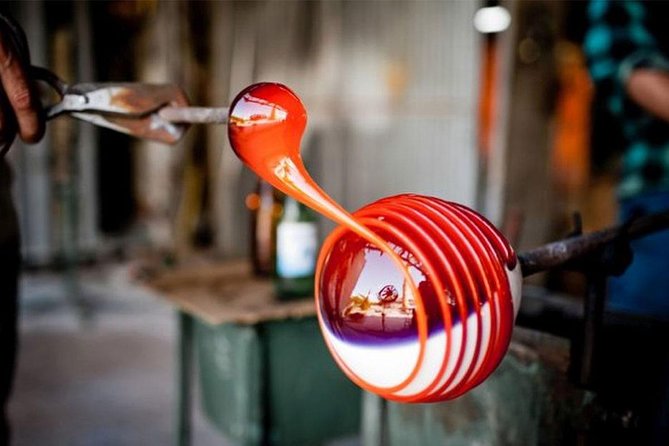
- A real hands-on lesson: You pull glass and blow one piece under constant guidance from a master artist.
- A short but focused visit: The full experience lasts about 1 hour and 30 minutes.
- Coffee or a cocktail first: You begin with a welcome drink while meeting the glass master and learning about the factory.
- A gallery visit is built in: Your cooling piece is followed by time in the showroom, where you can see finished Murano work and may feel pressure to buy.
- The souvenir question matters: The experience describes a personal creation, but several accounts raise concerns about receiving it afterward.
From Venice to Murano by private water taxi
The outing begins at 10:00 a.m., with pickup offered. The exact pickup point should be confirmed when your booking is accepted, since arrangements described for past groups included hotel pickup, an Airbnb meeting point, and a meeting near San Marco.
From there, you ride by private water taxi to the factory on Murano. This is more than a practical transfer. Public boats are useful and inexpensive, but a private taxi saves time, avoids route planning, and lets your group travel together. For a family or small group with limited time in Venice, that convenience has real value.
The boat ride also gives the experience a fitting sense of occasion. You are not simply walking into a shop on a busy shopping street. You are crossing the lagoon to one of Venice’s traditional glassmaking centers, then arriving at a working furnace.
The private transfer is one reason the price can make more sense for four people than for one or two. At $1,774.39 per group of up to four, the rough cost is $443.60 each for a full group. For a couple, the per-person cost is much higher. You are paying not only for the lesson, but also for the boat, private setting, instruction, and staff time.
More Workshops in Venice
- Venice: Carnival Mask Workshop
★ 4.5 · 1,925 reviews - Venice: Pasta and Tiramisu Cooking Class with Wine
★ 4.9 · 1,010 reviews - Pasta and Tiramisu Cooking Class with Wine in Venice
★ 5.0 · 945 reviews
Coffee, cocktails, and the factory welcome
At the factory, you receive either a welcome cocktail or coffee. This gives you a moment to settle in before the hot work begins. The glass master introduces the factory and explains the tools used in the workshop.
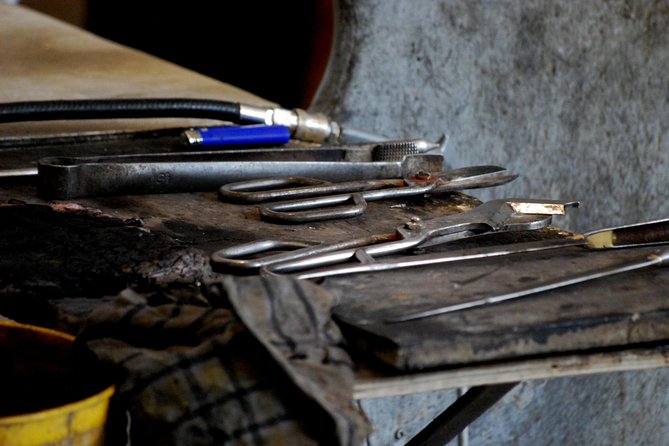
That introduction matters because glassblowing can look effortless from a distance. It is not. The master needs to control heat, timing, movement, and the shape of the glass at once. The opening explanation helps you understand why the artist uses each tool and why your own work will be closely directed.
The class is offered in English, which makes the technical explanation easier to follow for English-speaking visitors. The staff names recorded for this experience include Tomasso, who guided one group through the factory, and master artist Giovanni, who led the workshop. Simone has also handled pickup for a group. These names may not be assigned to every booking, so treat them as examples rather than guarantees.
Safety comes first. You work near a furnace with hot glass, and the artist directs your movements throughout the session. That supervision makes the class suitable for most people, but you should expect an active lesson, not a casual craft table.
Watching the demonstration before touching the glass
Before you make anything, the master artist demonstrates the techniques. This is the best part of the introduction because you see the full process at working speed.
The demonstration shows how the glass is gathered, shaped, pulled, and blown. It also gives you a useful warning: the material changes quickly, and small movements can affect the final form. You will understand why the artist stays close once your turn begins.
The demonstration also helps you decide what kind of class this is. You are not being handed a lump of cool glass and asked to design any object you like. The artist controls the process for safety and for the best chance of producing a workable form.
That means your finished object may be more guided than personal. One group expected broader creative freedom but found that the master chose the forms, including abstract lily-like flowers. If you want a completely open art lesson, this may feel restrictive. If you want a safe introduction to a difficult old craft, the close direction is exactly what you need.
Your turn at the furnace
After the demonstration, you take part in the work. The master guides your hands as you manipulate the hot glass, showing you how it responds. The reported activities include pulling glass to form several pieces and blowing one larger piece with assistance.
Blowing glass is harder than it looks. You need to control your breath while the artist manages the heat and movement of the material. Even a brief turn gives you a better sense of the craft than a standard factory demonstration.
For a family, this shared format can work well. Different members can take turns, and one group of four collectively blew a colored vase. The lesson is not a long independent studio session, but each person gets a role in creating something.
There is a limit to how much you can make in 90 minutes. One account wished the class lasted longer and allowed more pieces. That is a fair criticism. The visit includes transport, the welcome, the factory introduction, the demonstration, hands-on work, cooling time, the showroom, and the certificate. The actual time at the furnace is only part of the total.
Still, the private format improves the experience. You are not one person in a large line waiting for a quick turn. Your group receives close attention, and the artist can guide your hands directly. That personal instruction is the strongest reason to choose this class over a regular demonstration.
A few more Venice days to weigh up
- Verona: Pasta and Tiramisu Cooking Class with Fine Wine
★ 4.8 · 633 reviews - Verona: Pasta and Tiramisu Cooking Class With Free Flowing Wine
★ 5.0 · 575 reviews - Create Your Glass Artwork: Private Lesson With Local Artisan
★ 5.0 · 556 reviews - Venetian Carnival Mask Making Class in Venice, Italy
★ 4.5 · 525 reviews
The cooling period and the souvenir problem
Your work cannot simply be wrapped and handed over at the end. It needs to cool for roughly 24 hours. That is normal for newly made glass, but the handling of the final pieces needs careful attention.
The experience presents the creation as a special souvenir, yet the post-class arrangements are not fully reassuring. Some pieces may break during cooling, and the stated practice is to ship successful pieces afterward. At least one group received no piece and no follow-up, even though several items appeared to have survived.
Another account also noted that taking the creation away immediately was not possible. The important point is simple: do not book this class assuming you will leave Murano carrying your finished work.
Before paying, ask these questions in writing:
- Will every surviving piece be shipped?
- Who pays the shipping cost?
- How long should delivery take?
- What happens if your piece breaks?
- Will you receive a photo or explanation if it does not survive?
These questions are especially important because the price is high. The lesson can still be worthwhile without a physical souvenir, but the value calculation changes. You are paying for the experience first, and the object should be treated as a possible bonus unless the provider gives you a firm policy.
A showroom visit with a sales pitch
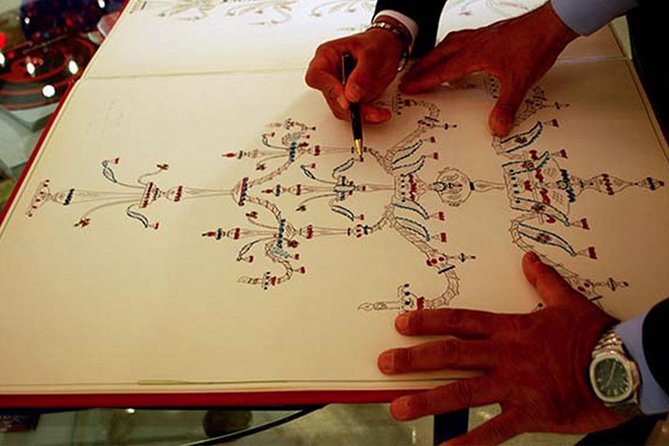
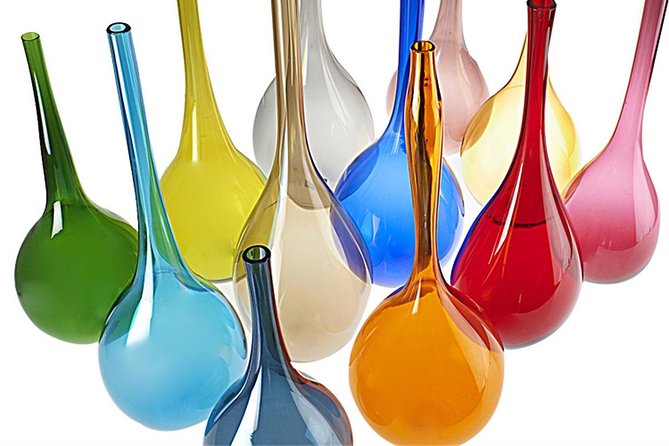
While your piece cools, you visit the factory showroom. Finished glass objects are displayed there, giving you a chance to see what trained artists can produce with control and repetition.
This section helps put your own attempt in context. You will likely see why professional Murano glass costs so much. The polished vases and decorative pieces reflect years of practice, not just a few minutes at the furnace.
The showroom is also a retail stop. Staff may encourage you to buy a vase or another piece. That is not surprising, since the factory makes and sells the work, but you should prepare for it.
You are not required to purchase anything. If you like a piece and have room in your luggage, buying directly from the gallery can be a meaningful way to support the workshop. If you do not want anything, a friendly no thank you is enough. Set your budget before entering, especially if the lesson itself has already stretched your spending.
One participant bought a vase by the artist after the class. That can be a better souvenir than relying on an uncertain handmade piece, but it is an extra expense, not part of the tour price.
Certificate, return boat, and total timing
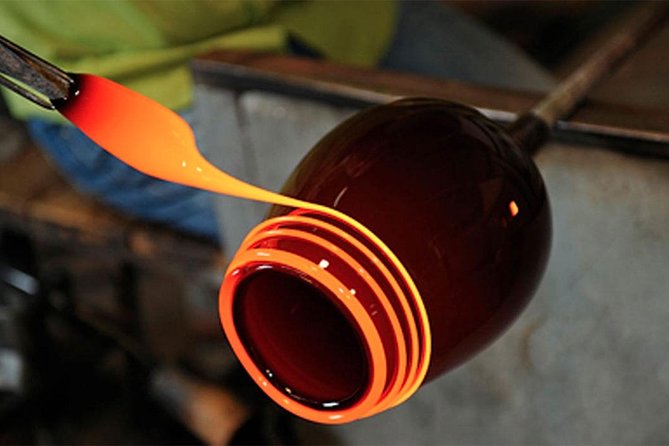
At the end, you receive a certificate confirming that you joined the class. It is a small detail, but it gives families and first-time participants something tangible to take home.
The private boat returns you to Venice after the factory visit. The total scheduled experience is approximately 1 hour and 30 minutes, though the exact timing may depend on transfers and the pace of the workshop.
Do not plan a tight connection immediately afterward. The class starts at 10:00 a.m., but boat transfers, the gallery visit, and cooling-related explanations can affect when you are fully finished. The provided details do not give a precise return time.
The private format means only your group participates. That is valuable if you want to ask questions, need the artist to adjust the pace for children, or prefer not to work in front of a large audience. It also means the cost is fixed for the group rather than per person.
Service animals are allowed, and the site is near public transportation. Most people can participate, but anyone with concerns about heat, standing, or close work around a furnace should ask for more details before booking.
Is $1,774.39 a fair price?
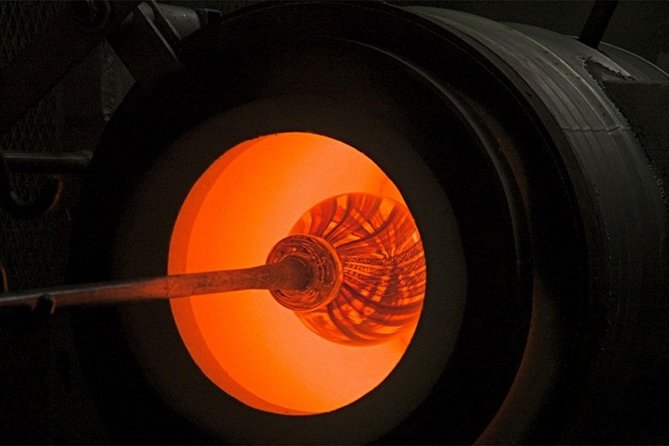
The answer depends on your group size and priorities. For four people, the price works out to about $443.60 per person. For one person, it is a very expensive 90-minute activity.
The boat transfer adds comfort and saves planning time. The private lesson adds personal instruction that a basic Murano factory visit will not provide. Those two points explain much of the premium.
The price is harder to justify if your main goal is simply to see glass being made. Venice and Murano offer demonstrations that cost less, although they do not give you the same hands-on role. This class is aimed at people who want to manipulate the material, blow part of an object, and receive close instruction.
The uncertain souvenir policy is the largest value concern. If the provider confirms shipping and replacement arrangements clearly, the package becomes easier to assess. If the answer remains vague, book it because you want the lesson, not because you expect a guaranteed keepsake.
I would consider it most sensible for a family of four, a small group celebrating a special occasion, or anyone with a strong interest in craft. A solo visitor on a tight budget should probably choose a standard demonstration instead.
Who will enjoy this private glassblowing class?
You are a good match if you:
- Want to do more than watch a Murano glass demonstration
- Value private instruction and a private boat transfer
- Enjoy unusual, hands-on activities
- Are comfortable letting the master control the design
- Can accept that your handmade piece may need shipping and may not survive cooling
- Have a group of three or four to share the fixed cost
You may want another activity if you need a guaranteed souvenir, dislike sales presentations, or want a long creative workshop with full control over the design.
Families should note that the experience can be a strong shared activity, but the class is short. Each person may get only a limited turn, depending on how the master organizes the work. Ask ahead if you need a specific plan for children.
Should you book it?
Book this private class if the act of working hot glass matters more to you than simply owning a finished object. The private taxi, close instruction, demonstration, factory visit, and certificate make it a memorable way to see Murano from the working side of the counter.
Before booking, get a clear answer about your creations. That single point can change the value of the experience. If the provider confirms that surviving pieces will be shipped and explains the process, this is a strong choice for a small group with room in its Venice budget.
If your priority is a reliable souvenir or low cost, skip the class and visit a glass factory or showroom without the hands-on lesson. You can still see beautiful work, and you will avoid paying a premium for an object that may never arrive.
FAQ
Where does the glassblowing class take place?
The class takes place at a glass factory on Murano, reached from Venice by private boat taxi.
How long does the experience last?
The experience lasts approximately 1 hour and 30 minutes.
What time does the class start?
The stated start time is 10:00 a.m.
Is transportation included?
Yes. A private taxi is included, and pickup is offered.
Is a drink included?
Yes. You receive a welcome cocktail or coffee at the factory.
Can I make my own glass object?
Yes. You take part in making glass under the constant guidance of the master artist. The artist directs the form and process, so you should not expect complete freedom to create any object you choose.
Can I take my creation home immediately?
No. The glass needs to cool for about 24 hours. The available information indicates that surviving pieces may be shipped, but you should confirm the exact delivery policy before booking.
Just added around Venice
- Padua: Private Pasta-Making Class at a Local’s Home★ 5.0 · 3 reviews
- Padua City Sightseeing Walking Tour of Must-See-Sites with Local Guide★ 5.0 · 3 reviews
- Gondola Ride and St Mark’s Basilica★ 4.5 · 3 reviews
- Venice: Market Tour and Meal at a Local’s Home★ 4.3 · 3 reviews
- VIRTUAL MUSEUM: Creature di Gomma – Venice Vintage Toys★ 4.7 · 3 reviews
- 3 Hour Shared Walking and Aperitivo Tour of Verona★ 5.0 · 3 reviews
- Venice: The Best of Dolomites 3Cime and Refuges with Drone★ 5.0 · 3 reviews
- Verona: Blindfolded Wine Tasting★ 5.0 · 3 reviews
Workshops, compared.

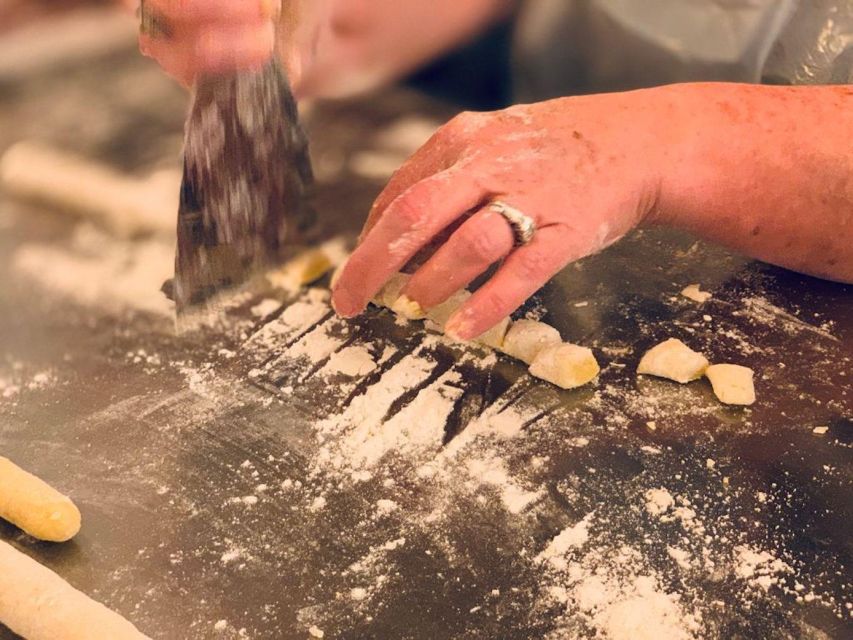
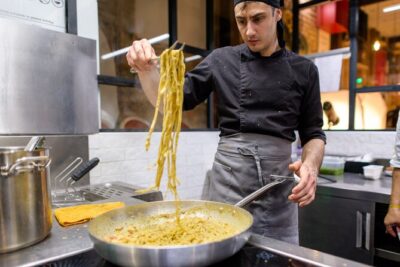
Pasta and Tiramisu Cooking Class with Wine in Venice
Read our review →Pasta and Tiramisu Cooking Class with Fine Wine
Read our review →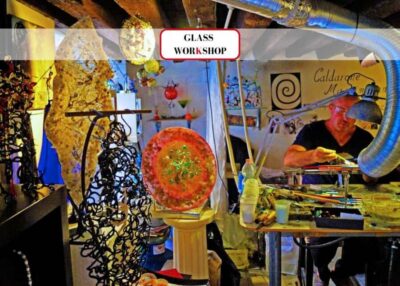
Create Your Glass Artwork: Private Lesson With Local Artisan
Read our review →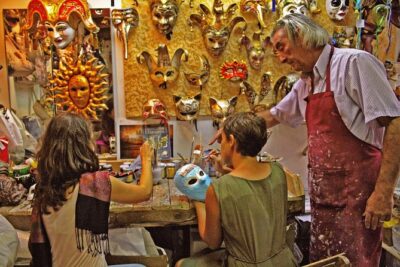
Venetian Carnival Mask Making Class in Venice, Italy
Read our review →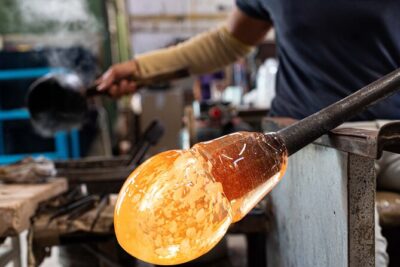
Murano Glass Factory Experience: A Workshop in Venice
Read our review →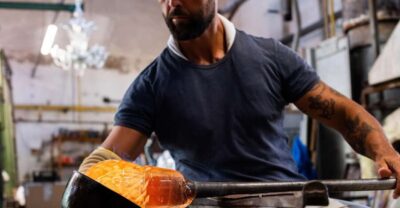
Browse the lists this tour appears in