
Reviewed · FOOD & DRINK
Verona: Traditional Balsamic Vinegar From Modena Tasting
Traditional balsamic vinegar is far more than a dark splash on a salad. At this one-hour tasting in Verona, you learn why Modena’s prized vinegar is called black gold, how its production developed from Roman times, and how to taste it properly with cheese, bread, and fruit. Guide Natalie has earned special praise for making the subject clear and lively.
I like two things here: the tasting has a useful Italian-food focus, and the short format fits neatly into a day of sightseeing. You get more than a sample on a spoon. You compare styles, learn the difference between IGP and DOC, and see how the vinegar works with other foods. The main concern is practical: Via Leoncino 31 is in central Verona, and parking can be very difficult if you are driving in from outside the city.
In This Review
- Key points to know before you book
- Why this tasting is worth your time in Verona
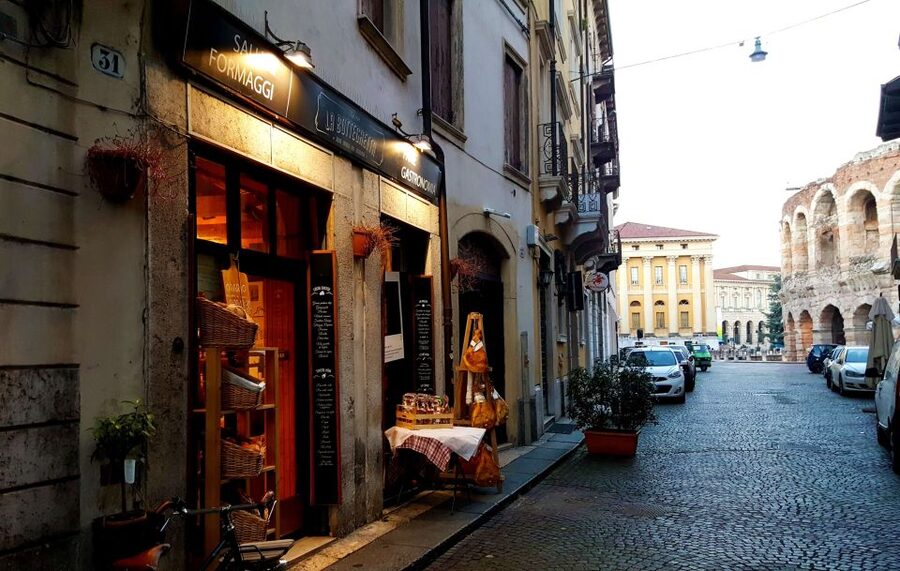
- Meeting at Via Leoncino 31
- A Roman-era story behind a modern table staple
- Learning how to taste balsamic vinegar
- Cheese, bread, fruit, and the practical side of pairing
- What the strongest sessions have in common
- Who will enjoy this one-hour experience
- Is $53 a fair price?
- How to make the most of the tasting
- Should you book the Verona balsamic tasting?
- FAQ
- Where does the balsamic vinegar tasting take place?
- How long does the experience last?
- What food is included with the vinegar?
- Which languages are available?
- Do I learn the difference between IGP and DOC balsamic vinegar?
- Can I cancel or pay later?
Key points to know before you book
- One hour in central Verona: This is a compact food experience that will not take over your day.
- Modena vinegar in Verona: The tasting focuses on one of Italy’s best-known specialty foods, even though the meeting point is in Veneto.
- IGP and DOC explained: You learn the difference between the two protected classifications and why that affects the product.
- Cheese, bread, and fruit included: The food pairings show how Italians use balsamic beyond a simple salad dressing.
- Natalie may lead the tasting: Past sessions with Natalie included clear explanations of production, aging, and serving ideas.
- Driving requires planning: Parking near Via Leoncino 31 may be a serious problem, so public transport or a walk from your accommodation is likely easier.
Why this tasting is worth your time in Verona
Verona is rightly known for Roman ruins, medieval streets, and the story of Romeo and Juliet. Yet Italian food culture is not limited to pasta and pizza, and this tasting gives you a neat lesson in one of the country’s more unusual products.
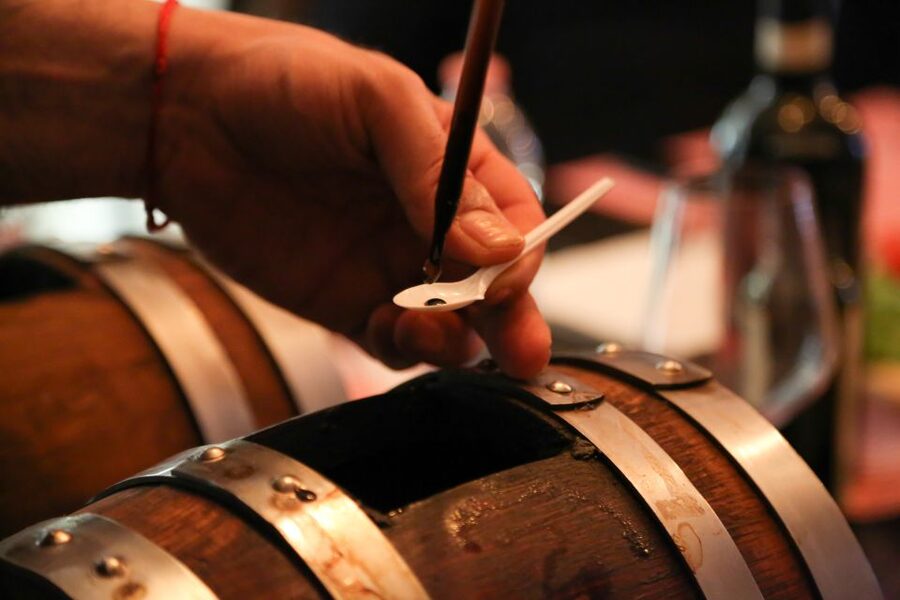
The subject is traditional balsamic vinegar from Modena, often called black gold because properly made vinegar can take years to produce and command a high price. You will not simply be handed a bottle and told that it is special. The session explains the product’s history, production methods, classifications, and uses before asking you to taste the differences for yourself.
That order matters. Balsamic can look similar from one sample to the next, but color alone tells you very little. Thickness, sweetness, acidity, aroma, and the way the vinegar finishes on your palate all help you judge it. Once you understand those points, a small spoonful becomes much more interesting.
I also like the scale of the experience. At one hour, it works well before lunch, between sightseeing stops, or as a short food break late in the day. You get a focused introduction rather than a long cooking course or a full restaurant meal.
More Food Tours in Verona
- From Verona: Valpolicella and Amarone Wine Tasting Tour
★ 4.9 · 560 reviews - Verona: Wine Tasting with Snacks and Panoramic Views
★ 4.8 · 494 reviews - Verona walking tour:food, wine, legends, lunch/dinner & cable car
★ 5.0 · 386 reviews
Meeting at Via Leoncino 31
The meeting point is Via Leoncino 31, in Verona. That puts this activity in the city rather than at a Modena producer, so you should set your expectations correctly. This is a guided tasting and lesson, not a countryside visit to vinegar batteries or a tour of an aging facility.
The central setting is convenient if you are already exploring Verona on foot. You can pair the tasting with nearby sightseeing and avoid spending half a day getting to and from a producer outside the city. The trade-off is that you do not get the wider production setting that a Modena estate visit might provide.
If you are driving into Verona, take the parking warning seriously. One person arrived early, drove around repeatedly, and still could not find a place to leave the car. That is not a criticism of the tasting itself, but it can ruin a one-hour booking if you are scrambling to park. I would arrive in the area with a plan, use public transport if possible, or stay within walking distance of the meeting point.
The activity lasts one hour, and starting times depend on availability. That makes it easy to fit into a Verona schedule, but you should not assume that you can arrive late and receive the full lesson. A short tasting works best when you give yourself time to reach Via Leoncino 31.
A Roman-era story behind a modern table staple
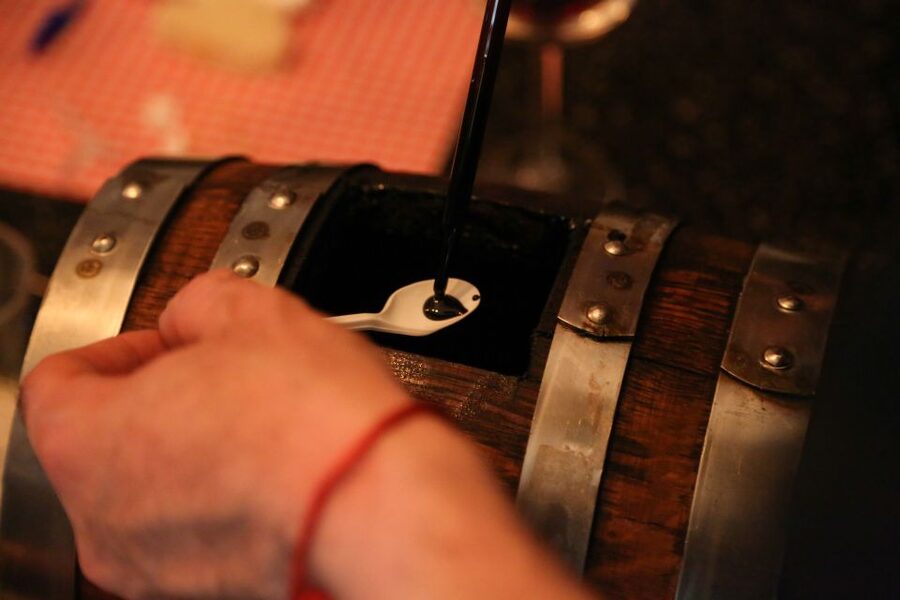
The guide traces balsamic vinegar back through the Roman era and explains how it developed over the centuries. This historical thread gives the tasting a useful sense of place. You are not just sampling a fashionable condiment. You are learning about a product tied to long-standing Italian food traditions.
The session also covers how balsamic production evolved. The information provided does not promise a farm visit or a full demonstration, so expect explanation rather than a hands-on workshop. Still, learning how production methods affect the final vinegar helps you make sense of the samples in front of you.
The term balsamic covers more than one kind of product. That is why the distinction between IGP and DOC is one of the most useful parts of the lesson. These labels point to different rules and standards, and the guide explains what they mean in practical terms.
You do not need prior knowledge. The format is designed for anyone who wants to understand what makes one bottle cost much more than another. If you already enjoy food and wine tastings, the classification lesson adds useful detail. If you normally use vinegar only as a basic dressing, it gives you a new way to think about a familiar ingredient.
Learning how to taste balsamic vinegar
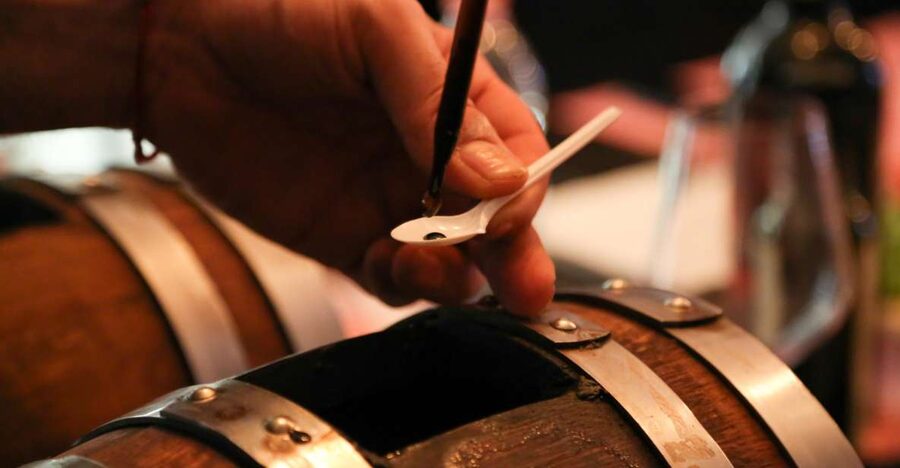
The tasting is built around comparison. You sample different types of balsamic vinegar and pay attention to how each one behaves. The guide helps you notice flavor and texture rather than rushing to swallow it with bread.
You might begin by considering appearance and aroma, then taste a small amount on its own. After that, the pairings show how the vinegar changes when combined with food. This is where the session becomes practical. A vinegar that seems very sweet by itself may work differently with cheese, while another may bring sharper acidity to bread or fruit.
Past sessions with Natalie included explanations of the various types of balsamic and the ways each could be used. She also compared vinegar with wine and olive oil, which can help you understand the idea of categories, quality, and serving style. That comparison is especially useful if you have taken wine or spirits tastings before but have never considered vinegar in the same way.
The tasting should not be treated like a large meal. Cheese, bread, and fruit are included, along with sparkling or still water. The supplied details also mention assorted meats and cheeses in one particularly generous session, plus homemade bread in another. Since the exact food selection may vary, think of the pairings as a tasty accompaniment rather than lunch.
A different sort of day out around Verona:
- Verona: Hop-on Hop-off Tour 24 or 48-Hour Ticket
★ 4.4 · 2,010 reviews - Verona: History and Hidden Gems Guided Walking Tour
★ 5.0 · 1,379 reviews - Verona: Priority Access Arena Guided Tour
★ 4.6 · 1,152 reviews - Verona: Juliet’s House Fast-Track Entry Ticket & Audio Guide
★ 4.2 · 1,121 reviews
Cheese, bread, fruit, and the practical side of pairing
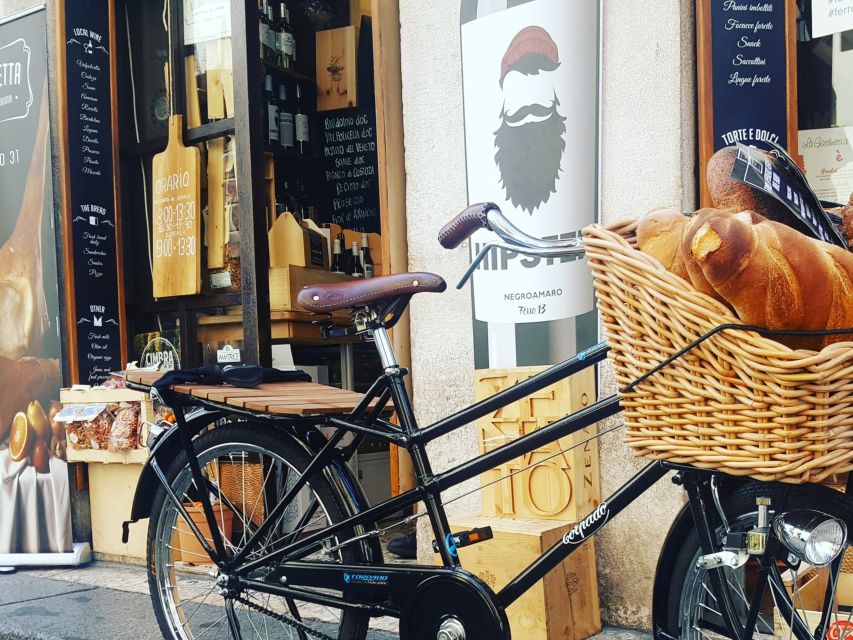
The food matters because balsamic is best understood at the table. Sampling it alone teaches you about its character, but pairing it with local products shows why Italians value the product so highly.
Cheese gives the vinegar a rich, savory partner. Bread provides a plain base that lets the vinegar’s sweetness and acidity come forward. Fruit highlights its softer, sweeter side. Together, these pairings help you remember the lesson long after the tasting ends.
You may also receive assorted meats, based on the food served during some sessions. The experience can therefore feel more substantial than a few isolated drops of vinegar, though the official inclusions specifically promise cheese, bread, and fruit.
The water is a small but useful touch. Sparkling or still water helps clear your palate between samples, especially when you are comparing several vinegars. It also keeps the tasting from becoming too heavy when paired with salty cheese or cured foods.
I would pay attention to serving suggestions. The real value of this experience is not just deciding which sample you like best. It is learning how to use balsamic at home, what foods suit it, and why pouring a large amount over everything is usually not the best approach.
What the strongest sessions have in common
The most praised part of the experience is the guide’s explanation. Natalie is repeatedly singled out for her clear teaching, warmth, and strong grasp of the subject. One session also included an unusually detailed presentation of production methods and serving ideas, with comparisons to wine, olive oil, and tequila.
That last comparison is telling. A good tasting guide treats vinegar as a crafted product with its own standards, not as a cheap kitchen afterthought. When the guide explains why each style tastes different and how to use it, you gain a practical skill rather than just a pleasant snack.
The language choices are another advantage. The host or greeter can speak English, Italian, or Russian. French support was also provided during one session, but French is not listed among the standard languages, so you should not count on it unless confirmed when booking.
The overall score is 3.8 from 9 ratings. That is a mixed result, though the written feedback is strongly positive about the tasting itself. The lower rating came from the parking problem, not from the food or teaching. I would read that as a warning about arrival logistics rather than proof that the core activity is weak.
Who will enjoy this one-hour experience
This tasting suits you if you like food history, regional products, or short guided activities with a clear focus. It is also a good choice if you want something beyond Verona’s major monuments but do not want to spend several hours away from the city.
Food-minded couples and small groups should find the format easy to enjoy. Parents with older children may also appreciate the short length, although the material is aimed more at adults interested in taste and production than at children looking for entertainment.
It is particularly useful for anyone who plans to buy balsamic vinegar in Italy. Supermarket shelves and food shops can offer many bottles with impressive labels. Understanding IGP, DOC, production methods, and flavor differences gives you a better chance of choosing a product you will actually enjoy using.
This is less suitable if you want a full meal, a cooking lesson, or a visit to the Modena countryside. It also may not suit a tight driving schedule. An hour sounds short, but parking delays in central Verona can easily eat up that time.
Is $53 a fair price?
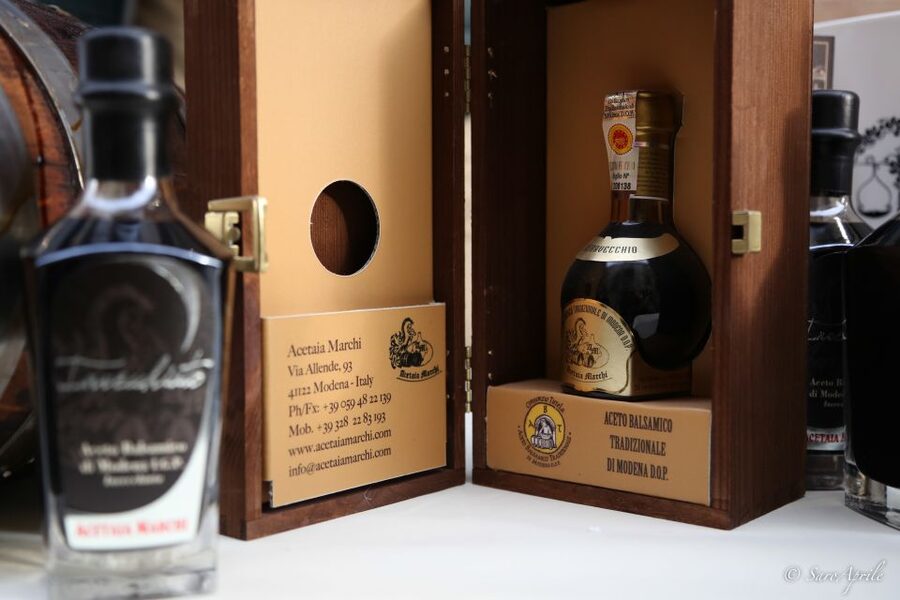
At $53 per person, this is not a budget snack stop. The value depends on what you want from it.
If you judge the cost by the amount of food, it is expensive. You receive tastings with cheese, bread, fruit, and water, not a full lunch. If you judge it as a guided lesson with several samples and regional context, the price is easier to defend. You are paying for interpretation, comparison, and the chance to taste products you might not confidently choose on your own.
The one-hour duration keeps the commitment small. You do not have to give up an entire afternoon, and you can place it around a museum visit or a meal. That can make the price worthwhile for a first introduction to traditional balsamic.
I would book it if you enjoy food experiences and want guidance rather than a casual sample at a shop. I would skip it if your main goal is simply to eat more food for less money. The value is in the lesson and tasting method, not the quantity of cheese or bread.
Free cancellation is available up to 24 hours before the start time, and you can reserve now and pay later. Those terms give you some flexibility, especially when you are arranging several Verona activities.
How to make the most of the tasting
Arrive ready to pay attention to small differences. Balsamic is powerful, so a little goes a long way. Notice whether a sample feels sharp, sweet, smooth, thick, or light, and then see what changes when you try it with cheese, bread, or fruit.
Ask about serving ideas while the guide is explaining the samples. The lesson is more useful when it connects the tasting to your own kitchen. You can also ask about IGP and DOC labels while the differences are fresh in your mind.
Do not plan this as a replacement for lunch unless the host specifically confirms a larger food selection. Cheese, bread, fruit, and occasional meats can make the session satisfying, but the official format remains a tasting.
If possible, walk to Via Leoncino 31 or use local transport. Drivers should build in extra time and check parking before setting out. The meeting point is the one clear practical weakness in an otherwise simple schedule.
Should you book the Verona balsamic tasting?
Book this experience if you want a compact, informative introduction to one of Italy’s most distinctive food products. The best reasons are the comparison of different vinegars, the explanation of IGP and DOC, and the chance to try pairings with cheese, bread, and fruit. Natalie’s teaching style has also made a strong impression in past sessions.
Think twice if you are driving into Verona without a firm parking plan, or if you expect a full meal or a Modena farm visit. For most food-curious visitors already staying in central Verona, though, one hour is a sensible investment. You leave with a better palate, a clearer idea of what the labels mean, and a much better sense of why good balsamic costs more than ordinary vinegar.
FAQ
Where does the balsamic vinegar tasting take place?
The meeting point is Via Leoncino 31 in Verona, in Italy’s Veneto region.
How long does the experience last?
The tasting lasts one hour. Starting times vary, so you need to check availability for the date you want.
What food is included with the vinegar?
The tasting includes local products such as cheese, bread, and fruit. Some sessions have also included assorted meats and cheeses or homemade bread.
Which languages are available?
The guide or host can provide the experience in English, Italian, or Russian.
Do I learn the difference between IGP and DOC balsamic vinegar?
Yes. The session explains how IGP and DOC differ and how to appreciate the vinegar according to Italian food customs.
Can I cancel or pay later?
You can cancel up to 24 hours before the activity for a full refund. You can also reserve your place and pay later.
Just added around Verona
- 3 Hour Shared Walking and Aperitivo Tour of Verona★ 5.0 · 3 reviews
- Verona: Blindfolded Wine Tasting★ 5.0 · 3 reviews
- Excursion in Verona.★ 4.5 · 3 reviews
- Verona Airport (VRN) Arrival Transfer (Airport to Verona Hotels or Address)★ 4.0 · 3 reviews
- Photo Shoot in Verona: Capture Your Love Story in Pictures★ 5.0 · 3 reviews
- Incredible Verona – Family Walking Tour★ 5.0 · 3 reviews
- From Verona: discover Lake Garda and Sirmione private tour★ 5.0 · 3 reviews
- Madonna di Campiglio and Dolomites Self-Guided Tour★ 5.0 · 3 reviews
Food & Drink, compared.
Eat Like a Local: Venice 3-Hour Small-Group Food Tasting Tour
Read our review →
Street Food Tour with a Local Guide and Tastings
Read our review →
Venice Like a Local: Food, Wine & Spritz Tour with Traghetto Ride
Read our review →
Venice Bacaro Food Tour: Eat and Drink like a Venetian
Read our review →
Eat, Drink and Repeat: Wine and Food Tasting Tour in Venice
Read our review →
Food Tasting Tour with Cicchetti Dishes and Wine
Read our review →
Sunset Walking Tour with Food and Wine Tastings
Read our review →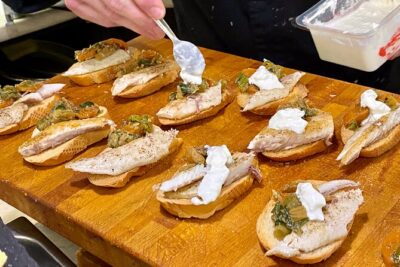
Venice Street Food Tour with Local Guide with Local Food Market Visit
Read our review →Browse the lists this tour appears in