
Reviewed · MURANO GLASS TOURS
The Murano Glass Museum in Venice
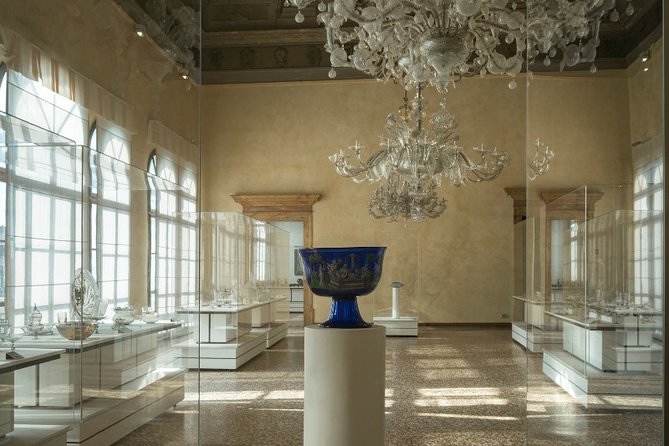
Murano’s glass story begins long before the famous colorful shops along the canals. Inside the Museo del Vetro, you’ll see Roman pieces from the 1st to 3rd centuries, then follow the development of Murano glass through works from the 15th to 20th centuries.
I like the chronological layout, which makes the collection easy to follow, and I like having the freedom to spend one hour or closer to three. The main drawback is that this is a quiet art museum, not an interactive family attraction. A 10-year-old may lose interest fairly quickly.
In This Review
- Key points to know
- Why Murano Glass Deserves Its Own Museum
- Starting With Roman Glass on the Ground Floor
- Following Five Centuries of Murano Glass
- Getting More From the Free Audio Guide
- How Long to Spend Inside the Museum
- The Garden and Small Museum Shop
- Is $26.43 Good Value?
- Reaching Murano Without Private Transport
- Who Will Enjoy This Museum Most
- Avoiding Problems With Your Admission
- Should You Book the Murano Glass Museum?
- FAQ
- Where is the Murano Glass Museum located?
- What does the admission ticket include?
- How much does the experience cost?
- How long does a visit take?
- What can I see inside the museum?
- Is the collection arranged chronologically?
- Is an audio guide available?
- Is transportation included?
- Can I cancel or change the booking?
Key points to know
- Roman glass starts the visit: The archaeological section includes notable works dating from the 1st to 3rd centuries A.D.
- Murano’s main collection spans five centuries: You’ll see pieces from the 15th through the 20th centuries, including world-famous examples.
- The museum is self-paced: Allow about one to three hours, depending on how closely you study the displays.
- A free audio guide may help: It is available in different languages, making the collection easier to follow.
- The garden offers a quiet pause: It is tranquil, though not large.
- The ticket costs $26.43: That is reasonable for a major specialist museum if glass and art history matter to you, but less attractive if you want a hands-on activity.
Why Murano Glass Deserves Its Own Museum
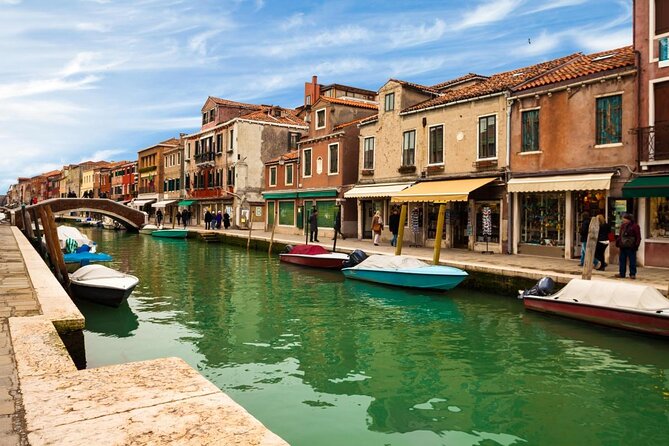
Murano is not simply a shopping stop filled with pretty glass animals and bright vases. The island has a long glassmaking tradition, and this museum gives you a way to see that craft as an evolving art form.
The collection moves through time instead of presenting a jumble of unrelated objects. That matters because glass can be hard to understand from a single display case. A 15th-century vessel, a later decorative piece, and a 20th-century work may all look beautiful, but their differences become clearer when you see them in order.
I find this kind of museum most useful after you have seen Murano’s shops and workshops. The shop windows show you what is being sold today. The museum helps you understand the design choices and techniques that shaped the island’s reputation over many centuries.
You do not need to be an art historian to enjoy the visit. Still, the museum rewards patience. If you race through the rooms looking for one spectacular object, you may miss the larger story.
More Murano glass visits:
- Boat Trip: Glimpse of Murano, Torcello & Burano Islands
★ 4.3 · 15,699 reviews - Venice: Burano, Torcello & Murano Boat Tour w/Glassblowing
★ 4.4 · 10,245 reviews - Venice: Murano and Burano Boat Tour with Glass Factory Visit
★ 4.2 · 9,527 reviews
Starting With Roman Glass on the Ground Floor
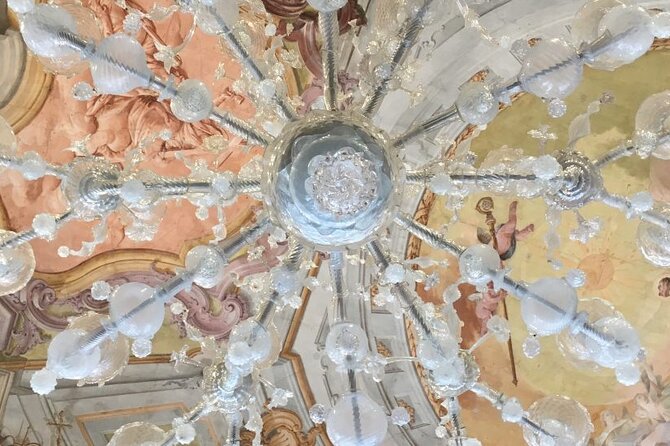
Your visit begins in the archaeological section on the ground floor. Here you’ll find noteworthy Roman glass dating from the 1st to the 3rd centuries A.D.
This opening section gives the museum useful perspective. Murano glass is the main reason you are here, but glassmaking did not begin on Murano. The Roman pieces remind you that glass objects were already being made, used, and valued long before the later Venetian tradition took shape.
Expect this part of the visit to feel more like an archaeological display than a modern design exhibition. The objects are important for their age and craftsmanship, though they may not have the immediate visual impact of the large Murano collection upstairs.
Take a little time here rather than treating it as a corridor to the main event. Seeing the early examples first makes the later rooms easier to place in time.
Following Five Centuries of Murano Glass
The first floor contains the largest historical collection of Murano glass in the world, with pieces dating from the 15th to the 20th century. The rooms are arranged by period, so you can track changes in form, decoration, and taste.
Each sala focuses on a different time period. That structure is one of the museum’s strongest features because it gives your visit a clear rhythm. You are not left guessing why one object belongs beside another.
The collection includes many world-famous masterpieces. The exact appeal will depend on your taste. Some people will be drawn to delicate historic forms, while others will prefer the bold design of later works.
I suggest looking first at the overall shape and color of an object, then reading the label or listening to the audio guide. Glass can appear simple until you notice how thin, twisted, layered, or decorated it is.
The displays also help explain why Murano became such an important name in glass. You can see how the craft moved from useful vessels and traditional forms toward more ambitious artistic designs. The museum does not replace a workshop demonstration, but it gives the finished objects a much longer time frame.
Getting More From the Free Audio Guide
A free audio guide is available in different languages. This can make a real difference if you want more than a quick look at beautiful objects.
The museum’s layout is straightforward, but a chronological display still benefits from explanation. The audio guide can help you understand what makes one period different from another and why certain pieces deserve attention.
If you are visiting with older children or adults who enjoy art, the guide should add useful context. If you are with a child who needs frequent activity and movement, audio commentary may not solve the problem. The museum is not interactive, and the visit depends on looking closely and listening.
Because the ticket does not include a live guide, you should expect to explore independently. That is a plus if you dislike being hurried. It is less helpful if you want someone to point out the most important works and answer questions as you go.
The experience is offered in English, and the audio guide has been described as available in several languages. Since confirmation is subject to availability, check your booking details before you set out.
More museums in Venice:
- Venice: Leonardo Da Vinci Museum Entrance Ticket
★ 4.5 · 3,560 reviews - Venice’s Best: Basilica, Doge’s Palace, Gondola & History Gallery
★ 4.5 · 2,478 reviews - Venice: Vivaldi’s Four Seasons Concert & Music Museum Visit
★ 4.8 · 2,065 reviews - Charming Gondola Ride on the Grand Canal & Gondola Gallery™
★ 4.0 · 1,313 reviews
How Long to Spend Inside the Museum
The stated visit time is about one to three hours. I would treat that as a useful range, not a schedule you must follow.
An hour is enough for a focused visit. You can see the Roman section, walk through the main historic collection, and pause at the most striking pieces. This works well if you are also exploring Murano’s canals and shops on the same day.
Two hours gives you time to read more labels and use the audio guide without rushing. Three hours suits serious art lovers who want to study the collection carefully.
The museum is not designed as an all-day attraction. Its size and subject matter make it a good half-day addition to a Murano outing rather than the sole plan for an entire day.
I would avoid arriving with a tight ten-minute window. The chronological arrangement works best when you give yourself time to notice the changes from one room to the next.
The Garden and Small Museum Shop
A garden area provides a quiet break during the visit. It is tranquil, but it is not extensive, so think of it as a short pause rather than a major garden attraction.
That small outdoor space can be useful after concentrating on display cases and audio commentary. You can step outside, gather your thoughts, and then decide if you want to return to a room for another look.
The museum shop is also small. This is not a major problem in Murano, since the island has many glass shops where you can browse a much wider range of items.
In fact, the modest shop keeps the museum focused on its collection. If you want a souvenir, compare prices and designs around the island rather than buying the first piece you see. The museum is the place for context and historic works. Murano’s commercial streets offer more choice.
Is $26.43 Good Value?
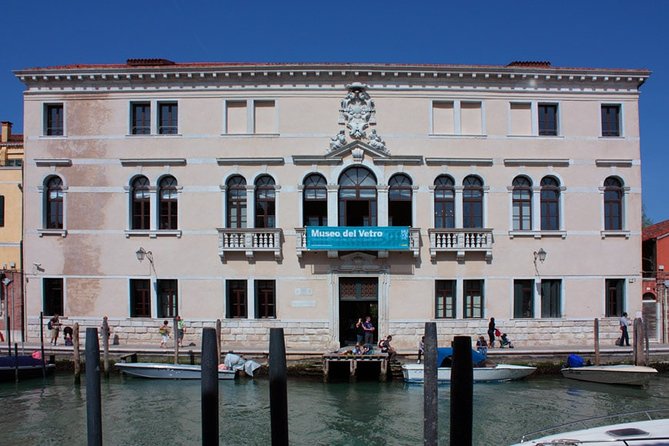
At $26.43 per person, this ticket makes the most sense for someone who already wants to see a serious collection of glass.
The price covers admission and gives you secure entry, with the benefit of avoiding potential ticket lines. That time savings has value in Venice, especially if you are fitting Murano into a busy day. Still, this is not a guided tour with private transportation, snacks, or a live expert leading you through the rooms.
I would call it fair value for an art history enthusiast. You are paying for access to a major specialist collection, not for a packed schedule of activities.
For a casual visitor who simply wants to see how Murano glass is made, the value is less certain. The museum shows finished objects and their historical development. It does not promise a demonstration, workshop, or interactive exhibit.
The average booking point is 23 days ahead, which suggests you should not leave arrangements until the last moment if your dates are fixed. Confirmation is sent within 48 hours of booking, subject to availability.
Reaching Murano Without Private Transport
Private transportation is not included. You will need to make your own way to Murano, and the museum is near public transportation.
That setup keeps the ticket simple and gives you control over the rest of your island visit. You can pair the museum with time in the nearby streets and shops instead of being tied to a group schedule.
Build in extra time for the journey from Venice proper. The ticket does not include transfers, and the amount of time you spend moving around the lagoon will affect how much museum time you have.
If you are visiting Venice for the day from outside the city, check the official access-fee rules before arriving. On certain dates, most people staying outside Venice who come for the day must pay a €5 access fee. Exemptions and applicable dates can change, so use the official cda.ve.it information when planning.
Who Will Enjoy This Museum Most
I would recommend the museum to adults who like design, decorative arts, archaeology, or Venetian history. It is also a good choice for older children who can spend time looking closely at objects and following a historical sequence.
The museum may not suit younger children who need hands-on displays. One family visit with a 10-year-old found the experience difficult to sustain because it was not interactive. That is a fair warning, not a reason to rule it out entirely. A child who already likes art or glass may enjoy it, while a child expecting demonstrations may not.
You should also consider your interest level before paying. This is not one of Venice’s universal must-sees in the way St. Mark’s Basilica or the Grand Canal might be. It is a specialist attraction, and its appeal rises sharply if you have already planned time on Murano.
For a first-time Venice visitor with only a few hours, I would place it behind the city’s biggest sights. For someone returning to Venice or planning a full Murano outing, it becomes a more sensible choice.
Avoiding Problems With Your Admission
The most important practical point is to have your admission confirmation ready before you go. A booking problem can ruin the value of a ticket, and one failed entry attempt resulted in an additional payment being required.
Keep the confirmation accessible on your phone and check the details before leaving. If the confirmation does not arrive within the stated 48-hour period, contact the provider, Weekend in Italy, promptly.
The ticket is non-refundable and cannot be changed for any reason. That makes flexible planning especially important. Do not buy it until you are confident about your date and your ability to reach Murano.
The activity is offered in English, and most people can participate. No private transportation or snacks are included, so plan those parts yourself.
Should You Book the Murano Glass Museum?
Book it if you want to understand Murano glass as an art form rather than simply shop for souvenirs. The Roman opening section, the chronological first-floor display, and the large collection of historic works give you a clear reason to visit.
I would skip it if you want a hands-on family activity, a glassblowing demonstration, or a live guide. The museum is quiet, self-paced, and focused on objects in cases.
At $26.43, it is a reasonable specialist museum ticket, but only if the subject interests you. Give yourself at least an hour, keep your admission confirmation close, and combine the visit with Murano’s public transportation, shops, and canals for a fuller day.
FAQ
Where is the Murano Glass Museum located?
The museum is in Murano, part of Venice, Italy.
What does the admission ticket include?
The ticket includes entrance to the Murano Glass Museum.
How much does the experience cost?
The listed price is $26.43 per person.
How long does a visit take?
The estimated visit lasts from one to three hours.
What can I see inside the museum?
You can see Roman glass from the 1st to 3rd centuries A.D. and Murano glass dating from the 15th to the 20th century.
Is the collection arranged chronologically?
Yes. The archaeological section begins on the ground floor, and the main historical collection is arranged chronologically on the first floor.
Is an audio guide available?
A free audio guide is available in different languages. The experience is offered in English.
Is transportation included?
No. Private transportation is not included, though the museum is near public transportation.
Can I cancel or change the booking?
No. The experience is non-refundable and cannot be changed for any reason.
Just added around Venice
- Padua City Sightseeing Walking Tour of Must-See-Sites with Local Guide★ 5.0 · 3 reviews
- Gondola Ride and St Mark’s Basilica★ 4.5 · 3 reviews
- Padua: Private Pasta-Making Class at a Local’s Home★ 5.0 · 3 reviews
- Venice: Market Tour and Meal at a Local’s Home★ 4.3 · 3 reviews
- VIRTUAL MUSEUM: Creature di Gomma – Venice Vintage Toys★ 4.7 · 3 reviews
- 3 Hour Shared Walking and Aperitivo Tour of Verona★ 5.0 · 3 reviews
- Venice: The Best of Dolomites 3Cime and Refuges with Drone★ 5.0 · 3 reviews
- Verona: Blindfolded Wine Tasting★ 5.0 · 3 reviews
Murano Glass Tours, compared.

Boat Trip: Glimpse of Murano, Torcello & Burano Islands
Read our review →
Burano, Torcello & Murano Boat Tour w/Glassblowing
Read our review →
Murano and Burano Boat Tour with Glass Factory Visit
Read our review →
Murano, Burano and Torcello Half-Day Sightseeing Tour
Read our review →
Murano & Burano Islands Guided Small-Group Tour by Private Boat
Read our review →
Murano & Burano Panoramic Boat Tour w/ Glassblowing
Read our review →
Murano, Burano, Torcello, and Glass Factory Tour
Read our review →
Venice Islands: Murano Glass & Burano Colors Guided Visit
Read our review →Browse the lists this tour appears in