
Reviewed · MURANO GLASS TOURS
Murano Glass Blowing Demonstration – The Glass Cathedral
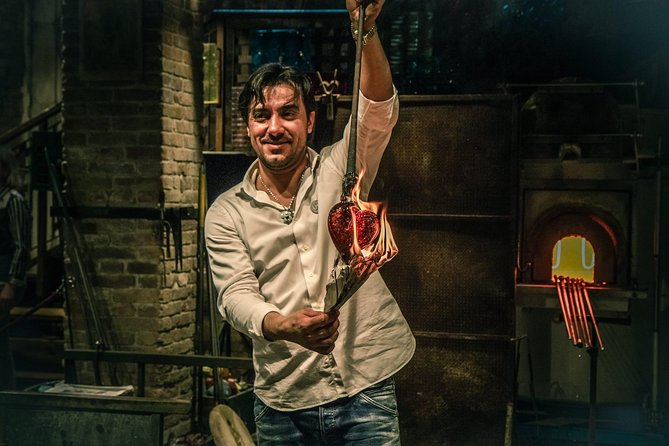
The molten glass is the star here. In the former church of Santa Chiara, you sit close to the workbench as a master gathers glowing glass, turns it with practiced precision, and shapes it into vases, bowls, cups, or sculptures. The old church setting and soft music give the short show more atmosphere than a standard shop-floor demonstration.
I like two things right away: the intimate viewing distance and the lack of pressure to buy. You may order a drink, including Prosecco, and look at the glass displays afterward without being pushed toward a purchase. The main drawback is that the live demonstration may have little spoken explanation. If you want a detailed lesson in glass chemistry and technique, this can feel thin.
In This Review
- Key points at a glance
- A glass show inside Santa Chiara
- What happens during the 25-minute show
- The craft is fast, skilled, and easy to underestimate
- Why the church matters
- The optional drink and the sales question
- How the small-group size changes the visit
- What families should know
- Finding The Glass Cathedral in Murano
- The biggest strength: a relaxed finish
- The main weakness: limited explanation
- Is $16.94 a good value?
- Cancellation and practical booking notes
- Should you book The Glass Cathedral?
- FAQ
- How long does the Murano glass demonstration last?
- Where does the experience take place?
- How many pieces will the artisan make?
- Is a drink included with the ticket?
- Is there pressure to buy Murano glass?
- Can children attend the demonstration?
- Can I cancel for a full refund?
Key points at a glance
- Former church setting: Watch the demonstration inside historic Santa Chiara, surrounded by Murano glass.
- Short format: The show lasts about 25 minutes, though some sessions run closer to 30 or 45 minutes.
- Two or three pieces: The artisan creates original objects in front of you, often working quickly.
- Audio rather than constant narration: A recorded introduction explains some of Murano’s glass tradition, with music during the craft work.
- Small-group feel: The maximum group size is 30, and many sessions are much smaller.
- No hard-sell finish: Glass and jewelry are available, but buying is optional.
A glass show inside Santa Chiara
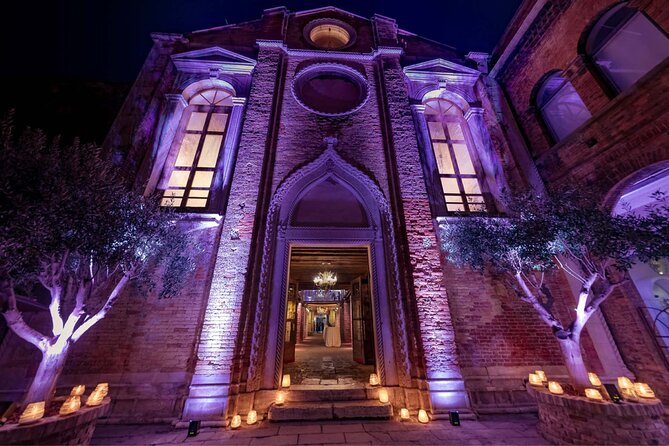
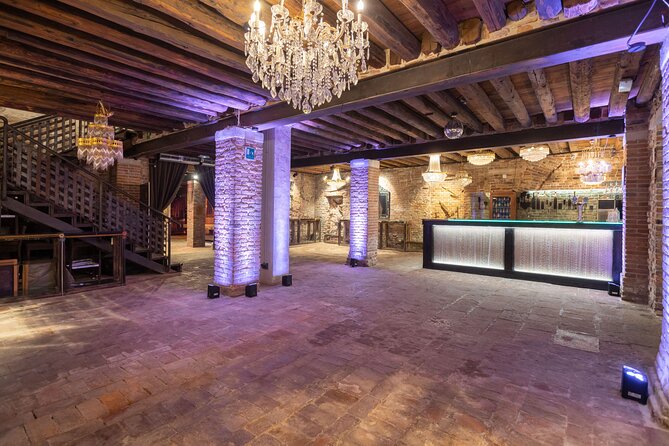
The Glass Cathedral is held in the former church of Santa Chiara on Murano. The building is part of the experience, not just a room used for a demonstration. You see old architectural details, large glass pieces, and a chandelier above the work area, although access to upper areas may be restricted on some visits.
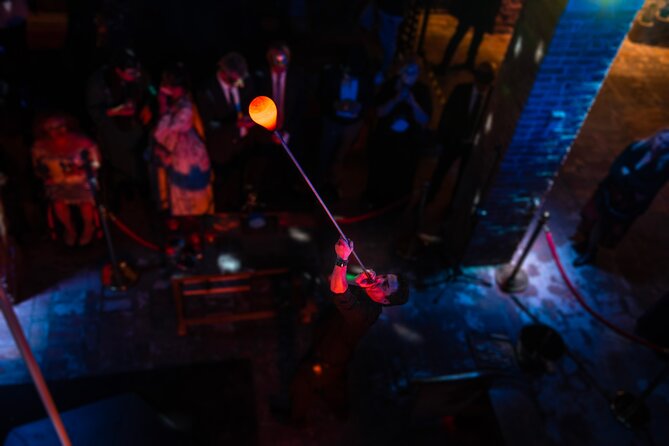
Once seated, you face the glass master at work. The heat, tools, glowing material, and speed of the process make the craft easy to watch even if you know little about it. A lump of hot glass can become a rounded bowl or a narrow vase in only a few minutes, then return to the furnace as the next piece begins.
The music is soft in some sessions and more dramatic in others. One artisan reportedly preferred Pink Floyd during his demonstration, which gives you an idea of how much the mood can vary from one performance to the next. This is not a silent museum display. It has the feel of a small performance, though the quality of the interaction depends heavily on the individual artisan.
More Murano glass visits:
- Boat Trip: Glimpse of Murano, Torcello & Burano Islands
★ 4.3 · 15,699 reviews - Venice: Burano, Torcello & Murano Boat Tour w/Glassblowing
★ 4.4 · 10,245 reviews - Venice: Murano and Burano Boat Tour with Glass Factory Visit
★ 4.2 · 9,527 reviews
What happens during the 25-minute show
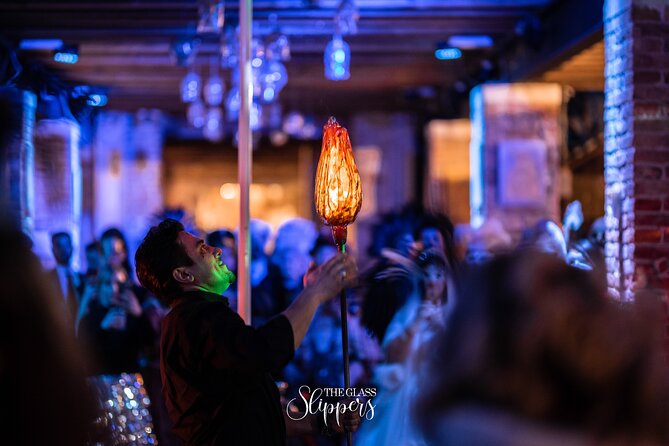
The advertised running time is about 25 minutes. In practice, you should allow roughly half an hour, with some sessions lasting 30 to 45 minutes according to the experience details supplied by visitors. That longer timing may reflect the introduction, seating, or a slower demonstration.
The show begins with an audio presentation. It provides background on Murano and its glass-making tradition, and some sessions offer the information in both Italian and English. The recording is useful, but it is brief. One account describes only two or three minutes of spoken material before the live work begins.
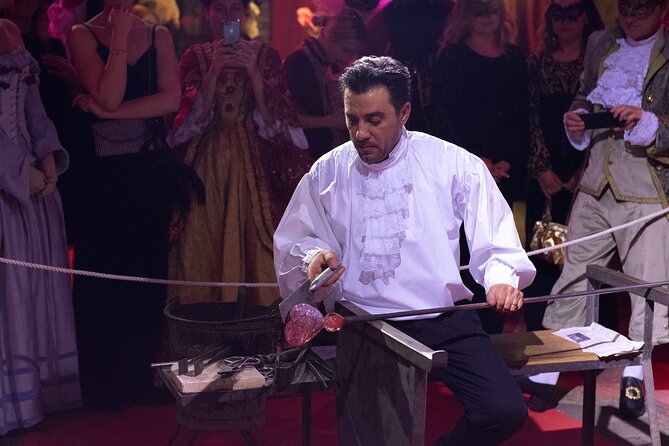
Then the artisan heats and shapes the glass. You may see two original pieces, while some demonstrations produce three. The precise objects vary. Cups, bowls, vases, and decorative sculptures are all possible, and the maker may choose the colors and forms during the session.
You are watching a real craft process, but not taking a class. The artisan generally does not explain each tool or pause to answer questions while working. The best sessions include a friendly or theatrical maker who acknowledges the audience. Other sessions are quiet, with the maker focused only on the bench. This difference is the biggest variable in the experience.
The craft is fast, skilled, and easy to underestimate
Murano glass looks effortless only after years of practice. The artisan works with material that must remain hot and moving. A slight change in pressure, timing, or angle alters the final shape. You see the master use tools to bend, pull, and sculpt the glass while turning the rod steadily.
The process can be surprisingly quick. That is part of the thrill, but it can also create confusion. If you arrive late, you might miss the introduction and assume the live work has not started. One disappointing session began three to five minutes after the scheduled start, leaving the audience unsure what they had missed.
Arrive about five minutes early. That gives you time to confirm your booking, find a seat, and hear the opening information. The venue can be difficult to locate, so do not leave your arrival until the last minute. Clear directions are provided, but Murano’s lanes and buildings still reward a little extra time.
Why the church matters
A glass demonstration in a shop can be useful, but the former Santa Chiara church changes the mood. You sit among finished works while the artisan creates something new beneath the large chandelier. The contrast between the old religious building and the hot, active furnace makes the setting memorable.
You do not need to be an art specialist to appreciate this. The space gives children something to look at before and after the craft begins, and the glowing glass provides a strong visual focus. Several families found the demonstration more engaging for children than expected, especially because the work happens close to the audience.
The building itself may be worth a few extra minutes. You can look at the displays and the interior, but access to the second floor is not always available. If seeing every part of the building is important to you, check your expectations. The ticket is mainly for the show, not a full architectural tour of Santa Chiara.
A few more Venice days to weigh up
- Venice: Doge’s Palace Reserved Entry Ticket
★ 4.6 · 42,716 reviews - Venice: Grand Canal Gondola Ride with App Commentary
★ 4.1 · 18,908 reviews - Venice: Grand Canal by Gondola with Live Commentary
★ 4.1 · 13,681 reviews - Venice: La Fenice Opera House Entry Ticket with Audio Guide
★ 4.6 · 11,742 reviews
The optional drink and the sales question
Drinks are not included in the ticket, but you may buy one while watching the show. A Prosecco or another drink can make the setting feel more like an evening performance, though it also raises the final cost.
Glass and jewelry are displayed for sale. The important practical point is that the demonstration does not require a purchase. You can watch the craft, browse the finished work, and leave without buying anything. That makes this a better choice than some Murano demonstrations tied closely to a store sales pitch.
At $16.94 per person, the price is fair if you value the setting and the close view of the craft. It is less compelling if you measure value only by the amount of spoken instruction. You may find cheaper demonstrations elsewhere, including very short shop presentations, but they may not offer the former church, seating, music, or the same presentation style.
I would treat the ticket as payment for a compact cultural performance, not as a technical workshop. That distinction helps you decide. If you want atmosphere and a memorable look at Murano’s signature art, the price is reasonable. If you want hands-on practice or a long explanation from the artisan, spend your money elsewhere.
How the small-group size changes the visit
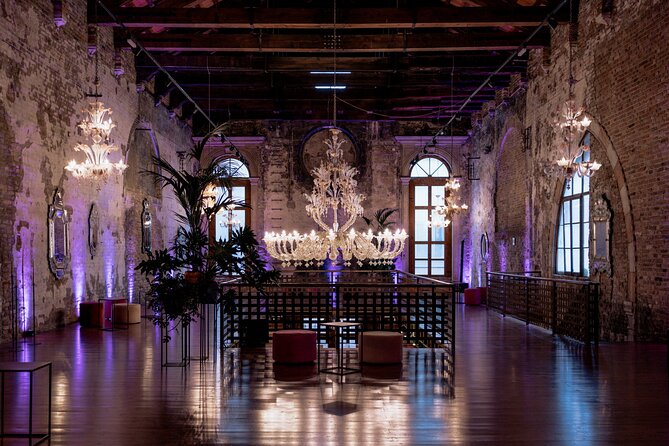
The maximum group size is 30 people. That is not a private demonstration, but it is small enough for a clear view when the room is arranged well. Some sessions have been much smaller, including one with five participants and two supervising parents.
A smaller group makes the show feel more personal and gives children a better chance to see the tools and finished pieces. It may also make it easier to take photographs, though you should follow the venue’s instructions during the work.
The experience includes a guide, but that does not necessarily mean a live guide gives a running explanation. The recorded history and the artisan’s work carry most of the presentation. If you need regular narration, ask at check-in what language and format will be used that day.
What families should know
No minimum age is required, and children must be accompanied by an adult. Most people can participate, and service animals are allowed. The close-up view helps hold a child’s attention, especially when the glass changes shape quickly.
The short length is another advantage. Twenty-five minutes is long enough to see the process but short enough for younger children who might struggle with a full museum visit. One child who was not looking forward to the activity ended up enjoying it most among several outings in Venice.
Still, the quiet format is not ideal for every child. There is no promise of continuous commentary or audience participation. If your child needs an active lesson, choose an experience that includes making a piece rather than watching a demonstration.
Finding The Glass Cathedral in Murano
The venue is near public transportation, but finding the entrance may take attention. Follow the supplied directions and aim to be inside about five minutes before the start. At check-in, show your mobile ticket and confirm your reservation.
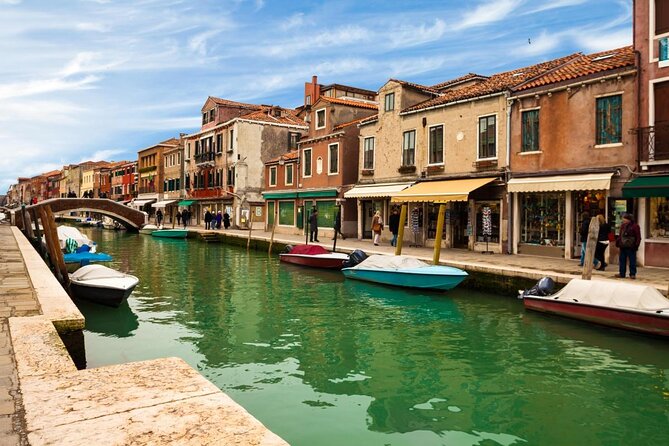
The experience takes place in Murano, so plan it as part of your island visit rather than a quick stop from central Venice. You will want enough time for the boat journey, the church, and a walk among Murano’s shops and canals. Do not book the show so tightly against your return transport that a small delay becomes a problem.
On certain dates, people staying outside Venice and visiting for the day may need to pay a separate €5 Venice access fee. This charge is not part of the glass show. Check the official access-fee website before your visit to see if the rule applies to your date and circumstances.
The biggest strength: a relaxed finish
The strongest part of this experience is its combination of craft and calm. You sit down, watch a difficult skill performed at close range, listen to music, and take in the church without being rushed through a sales conversation.
Some artisans are friendly and theatrical. They may let you photograph their tools afterward or acknowledge the audience once the work is done. Those moments add a human touch and help you understand that the objects are made by skilled people, not produced by a mysterious machine.
Other sessions are much more reserved. An artisan may say nothing, show little expression, and return each piece to the furnace almost immediately. The work is still real and technically impressive, but the show can feel flat without personal contact.
That inconsistency matters. The experience provider has acknowledged that an artisan can have an off day. You should book this knowing that the atmosphere may depend on who is working at your time.
The main weakness: limited explanation
The most common practical concern is the lack of live commentary. You may hear a short recording about Murano’s history, followed by music while the artisan works. You may not hear the names of the tools, the reasons for each movement, or an explanation of how the glass is cooled and finished.
For some people, that quiet focus is exactly right. You can watch without a lecture and pay attention to the shapes, colors, heat, and rhythm. For others, the silence makes the demonstration seem unfinished.
I would especially recommend this show to people who already know a little about glass or who enjoy watching skilled handwork. If you are new to the subject and want the craft explained step by step, read up on Murano glass before you go or choose a more interactive activity.
Is $16.94 a good value?
At this price, the experience sits in the affordable range for Venice. You receive admission, the Glass Masters show, a guide, and taxes and fees. Drinks cost extra, and any glass or jewelry purchase is also separate.
The value comes from several parts working together:
- You see the craft at close range rather than only viewing finished pieces.
- The venue is a former church with its own visual appeal.
- The show is short enough to fit into a day on Murano.
- There is no required shopping stop or purchase.
- The small maximum group keeps the presentation manageable.
The price feels high only when the artisan provides no explanation and works with little audience contact. In that situation, you may feel you paid for a demonstration that ended before you understood it. Arriving on time is especially important because missing the short introduction can make the show feel even less informative.
Cancellation and practical booking notes
You receive confirmation when booking, and the ticket is mobile. Free cancellation is available until 24 hours before the scheduled start time. Cancel later than that, or make changes within the final 24 hours, and you will not receive a refund.
The experience is offered in English, but the live demonstration itself may not involve spoken English. The audio introduction can include English, and the exact amount of explanation may vary by session.
The show is generally suitable for most people. Children need an accompanying adult, there is no minimum age, and service animals are permitted. Since the venue can be hard to find, give yourself a little time on Murano and arrive early.
Should you book The Glass Cathedral?
Book it if you want a short, attractive introduction to Murano glass in an unusual setting. The former Santa Chiara church, close seating, music, and freedom to skip the shop purchase give it more character than a basic store demonstration. Families and first-time visitors will likely appreciate the manageable length.
Think twice if you need a detailed lecture, a chatty craftsperson, or hands-on work. The artisan may offer no live explanation, and the performance can feel rushed or distant on a less engaging day.
My practical call: book this as a 25-minute atmospheric show, not a glass-making class. Arrive early, keep expectations realistic, and add time to explore Murano beyond the venue. At $16.94, it is a sensible choice for a close look at a famous local craft, with the building and lack of sales pressure doing much of the extra work.
FAQ
How long does the Murano glass demonstration last?
The advertised show lasts about 25 minutes. Some sessions may run closer to 30 or 45 minutes, so allow a little extra time.
Where does the experience take place?
It takes place at The Glass Cathedral Santa Chiara in Murano, inside a former church known as the former church of Santa Chiara.
How many pieces will the artisan make?
The presentation is described as creating two original pieces, though some sessions produce three. The objects may include cups, bowls, vases, or other glass sculptures.
Is a drink included with the ticket?
No. Drinks are available to purchase while you watch, but they are not included in the admission price.
Is there pressure to buy Murano glass?
No purchase is required. Glass and jewelry are displayed for sale, but you can watch the demonstration and leave without buying anything.
Can children attend the demonstration?
Yes. There is no minimum age, but children must be accompanied by an adult.
Can I cancel for a full refund?
Yes, if you cancel at least 24 hours before the experience start time. Cancellations or changes made less than 24 hours in advance are not refunded or accepted.
Just added around Venice
- Exclusive Private Venice Jewish Ghetto Tour★ 5.0 · 41 reviews
- The Secret Corners of Burano★ 5.0 · 41 reviews
- Verona: Private 2-Hour Walking Tour★ 4.9 · 41 reviews
- St Mark’s Basilica & Doge’s Palace Skip the Line – Semi-Private★ 5.0 · 42 reviews
- Venice: 3-Course Dining Experience at Local Home★ 4.8 · 41 reviews
- Wine Tasting in Venice★ 4.6 · 42 reviews
- Venice Saint Mark’s Basilica afternoon guided tour★ 4.5 · 42 reviews
- Venice Skip lines at Doge’s & St. Mark’s with Exclusive Sky Walk★ 4.5 · 42 reviews
Murano Glass Tours, compared.
Boat Trip: Glimpse of Murano, Torcello & Burano Islands
Read our review →
Burano, Torcello & Murano Boat Tour w/Glassblowing
Read our review →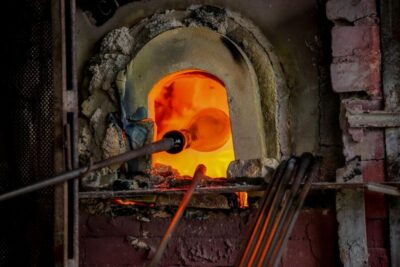
Murano and Burano Boat Tour with Glass Factory Visit
Read our review →
Murano, Burano and Torcello Half-Day Sightseeing Tour
Read our review →
Murano & Burano Islands Guided Small-Group Tour by Private Boat
Read our review →
Murano & Burano Panoramic Boat Tour w/ Glassblowing
Read our review →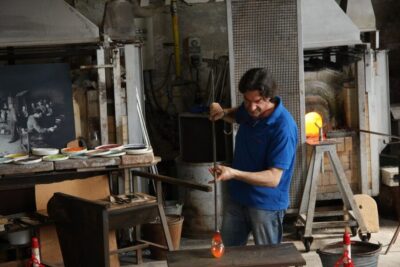
Murano, Burano, Torcello, and Glass Factory Tour
Read our review →
Venice Islands: Murano Glass & Burano Colors Guided Visit
Read our review →Browse the lists this tour appears in