

Reviewed · OPERA AND VIVALDI CONCERTS
Venice: La Fenice Opera House Entry Ticket with Audio Guide
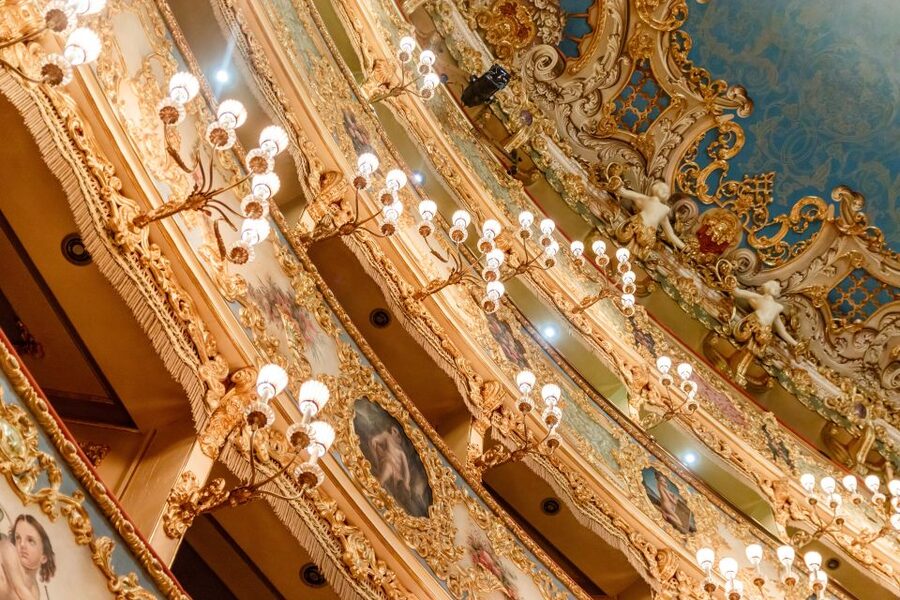
La Fenice is one of those Venetian buildings that makes you stop talking for a moment. The main auditorium is lavish, theatrical, and surprisingly intimate, with gilded details, painted boxes, and a ceiling that pulls your eyes upward. You can visit without buying a ticket to an opera, which makes this a smart way to see the house on a short stay.
I like the freedom to explore at your own pace, and I like that the audio guide explains the theatre from its beginnings through fires, rebuilding, and its modern role. The ticket also gives you access to more than the main room, including additional rooms, paintings, a royal box, and a small Maria Callas display.
The main drawback is practical rather than artistic: headphones are not reliably provided, and some visitors have found the entrance process or route unclear. Bring your own earbuds, your ID, and a little patience at the ticket counter. Also check the theatre’s schedule before setting out, since rehearsals, performances, or other events can affect access.
In This Review
- Key points at a glance
- Why La Fenice deserves an hour of your Venice time
- Getting inside with the skip-the-line ticket
- The auditorium: the moment that earns the ticket
- Royal box, paintings, and the rooms beyond the stage
- What the audio guide adds, and where it falls short
- Rehearsals, performances, and what you may see
- Step outside for the gondola entrance
- How much time and money should you allow?
- Who will enjoy this La Fenice visit most?
- Should you book La Fenice with the audio guide?
- FAQ
- How long does the La Fenice audio tour take?
- Which languages are available for the audio guide?
- Do I need to bring identification?
- Do I need to bring headphones?
- Where do I collect the audio guide?
- Is La Fenice wheelchair accessible?
- Is a live guide included?
- How long is the ticket valid?
Key points at a glance
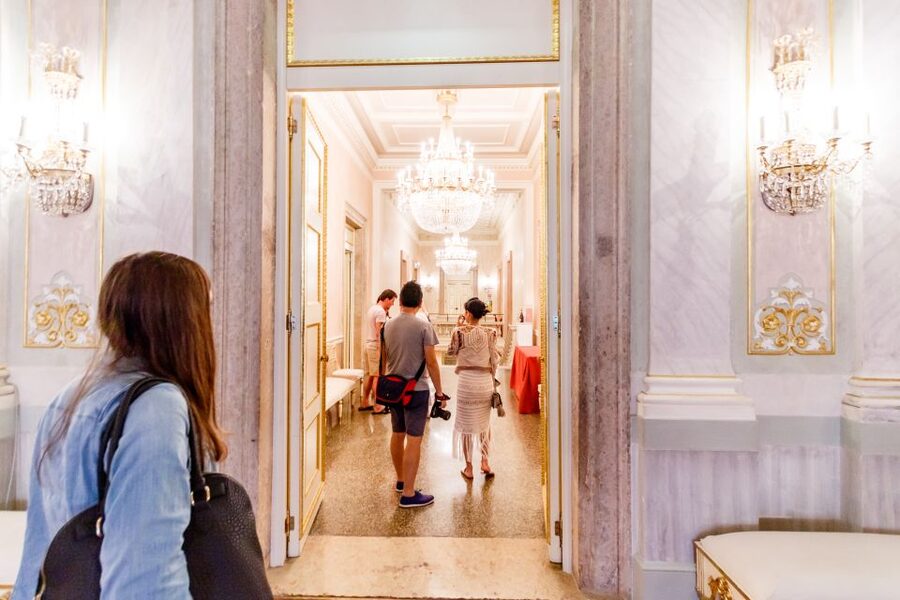
- The main auditorium is the star: See the ornate boxes, painted details, royal box, and elegant seating without attending a performance.
- The audio tour takes about 45 to 60 minutes: You can pause, sit, replay sections, and take extra time for photographs.
- Seven languages are available: Choose English, French, German, Italian, Portuguese, Russian, or Spanish.
- Your voucher is exchanged at the ticket counter: You skip the ticket line, but you still need to collect the audio guide before entering.
- Bring ID and headphones: You need identification to receive the guide, and the guide may be downloaded to your own phone.
- The visit can include pleasant extras: Look for the Maria Callas display, cafe, shop, and the gondola entrance around the side of the building.
Why La Fenice deserves an hour of your Venice time
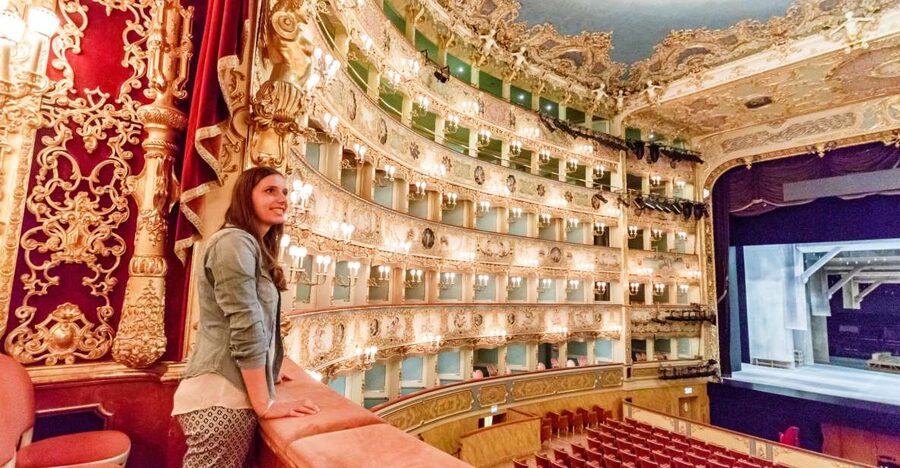
Venice has no shortage of grand interiors, but La Fenice offers something different from a palace or church. It is a working opera house, built for music and performance, where the audience itself becomes part of the show.
The theatre’s name means the phoenix, a fitting name for a building that survived major fires and was rebuilt. The audio guide traces the building from its origins to the present day, helping you understand why the theatre has such importance in international opera.
I find this context useful because the visit is not only about pretty decoration. The paintings, boxes, corridors, and auditorium make more sense when you know that the building has had to recover and reinvent itself. You begin to look for signs of survival, restoration, and design rather than simply admiring the gold.
The theatre continues to host more than one hundred opera performances each year, including important premieres. You might not be able to fit a performance into your Venice plans, or you may not want to spend the money on a full evening at the opera. This visit gives you a taste of the setting without requiring formal evening dress or a long commitment.
More opera and Vivaldi evenings in Venice:
- Venice: Vivaldi’s Four Seasons Live Classical Music Concert
★ 4.6 · 2,524 reviews - Venice: Vivaldi’s Four Seasons Concert & Music Museum Visit
★ 4.8 · 2,065 reviews - Venice: Vivaldi Four Seasons Concert at Vivaldi Church
★ 4.8 · 1,864 reviews
Getting inside with the skip-the-line ticket
The meeting point is simple. Take your voucher to the ticket counter at La Fenice and exchange it for entry and the audio guide. The skip-the-line benefit means you do not join the regular ticket-purchasing queue, but it does not remove every step at the entrance.
Bring your ID. It is required when you collect the audio guide, and leaving it behind can create an avoidable problem.
The audio guide may be supplied through your phone or an app, so read the instructions attached to your booking and arrive with a charged device. Bring your own headphones or earbuds. Several people have found it irritating to hold a phone to one ear for the entire visit, and the venue may hand over the guide without headphones.
Once inside, the route is fairly clear, though the first direction after ticket scanning may not be obvious. Look for the signs inside the theatre and ask staff if you are unsure where to begin. The exit is also not always immediately apparent, so do not assume the doorway you entered through is the way out.
The building is wheelchair accessible. No hotel pickup or drop-off is included, and there is no live guide. You make your own way to the opera house and follow the audio commentary independently.
The auditorium: the moment that earns the ticket
The first view of the auditorium is the high point of the visit. You enter a space designed to impress from every seat, with tiers of boxes rising around the stage and layers of decoration competing for your attention.
Take a moment before pressing play. Look at the proportions of the room, the relationship between the stage and the audience, and the way the boxes create a sense of ceremony. La Fenice can feel more like a palace than a simple theatre, but it remains human in scale. You are close enough to imagine the audience waiting for the curtain to rise.
The audio guide is helpful here because it gives you a reason to study the details. Instead of wandering through a beautiful room with no context, you learn about the theatre’s design and changes over time. The commentary is available in seven languages: English, French, German, Italian, Portuguese, Russian, and Spanish.
The guide is thorough without needing to fill every second. The listening portion can take roughly 45 to 60 minutes, but your whole visit may last longer because you will stop to look, sit, and take photographs. There are seats along the route, including places where you can sit comfortably during longer sections.
If you arrive early, you may find the auditorium particularly peaceful. The theatre can become busier later in the morning, so the opening period is a good choice if you want quiet time with the architecture. The route is specific, so move at your own pace but follow the signs rather than wandering randomly.
Royal box, paintings, and the rooms beyond the stage
The auditorium gets most of the attention, but the additional rooms are part of what makes this ticket good value. You can see paintings and other decorated spaces that add detail to the story of the theatre.
The royal box is a memorable stop. From here, you gain a different view of the auditorium and can better understand how status shaped the layout of an historic opera house. It is also a good place to pause and take in the room from above rather than rushing onward with the audio commentary.
The extra rooms help break up the visit. If you are travelling with a child or a companion who is not an opera enthusiast, these smaller spaces provide variety. You are not simply sitting in one auditorium listening to a long explanation.
A small Maria Callas display is another worthwhile feature. Callas is closely tied to the world of opera, and the display gives the visit a personal connection to one of its most famous performers. If you have an interest in opera, this section may be especially meaningful. If not, it still helps show how the theatre’s identity is tied to performers as well as architecture.
There is also a cafe and a shop inside. These are modest additions, but they make it easier to spend time at the theatre without having to leave immediately for a coffee or souvenir stop.
A few more Venice days to weigh up
- Venice: Grand Canal Gondola Ride with App Commentary
★ 4.1 · 18,908 reviews - Trieste Bus Tour with Audio Guide
★ 4.5 · 1,648 reviews - Venice: St. Mark’s Basilica Ticket with Audio Guide
★ 3.4 · 1,645 reviews - Verona: Juliet’s House Fast-Track Entry Ticket & Audio Guide
★ 4.2 · 1,121 reviews
What the audio guide adds, and where it falls short
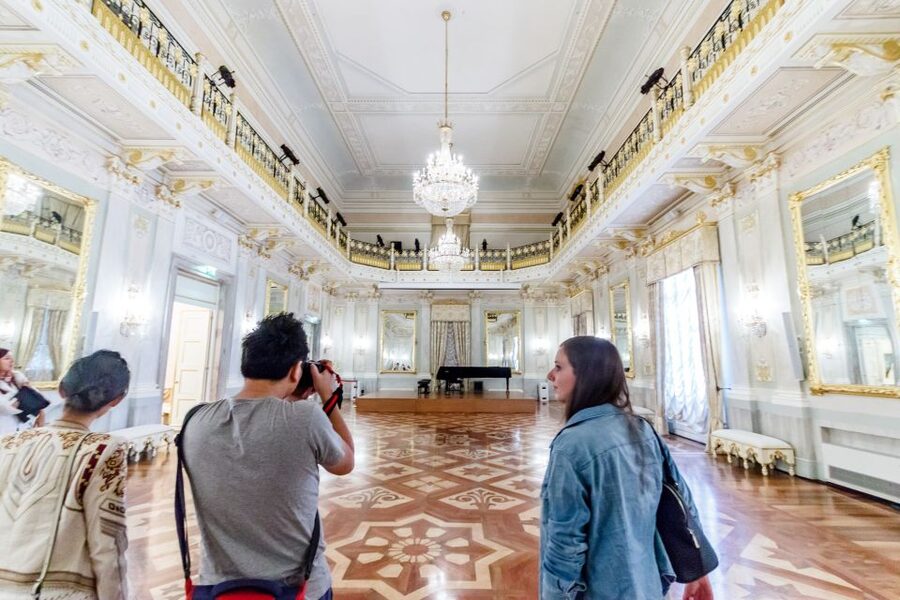
I prefer a good audio guide to a silent walk through a famous building, and this one gives the visit structure. You learn the theatre’s story from its origins to today, while the route directs your attention to rooms and details you might otherwise overlook.
The commentary is available in seven languages, which is useful for mixed-language groups. You can listen at your own speed, pause between sections, and spend as long as you like looking at a particular room.
The ability to sit is a real plus. Some museum audio guides assume you can stand comfortably for a long time, but La Fenice provides seating along the route. That matters if you want to listen carefully rather than skim through the information.
The technology is the weak point. You may need to download the audio guide to your own phone, and headphones are not guaranteed. Bring wired or wireless earbuds, check that your phone is charged, and make sure you understand how to access the guide before entering.
The route can also require a little guesswork. Once you are inside, signs help, but the transition from the ticket counter to the start of the tour may not be perfectly obvious. This is a small inconvenience, not a reason to skip the visit, but it is worth knowing so you do not waste time looking for the next room.
Rehearsals, performances, and what you may see
The standard ticket is for a theatre visit, not an opera performance. You should not book it expecting to see a show.
Still, a rehearsal may be taking place during your visit. Seeing musicians or singers preparing inside the theatre can add a wonderful sense of life to the building. It may feel like a bonus glimpse behind the scenes, but it is not guaranteed and should not be the reason you buy the ticket.
If you want the full La Fenice experience, attending an opera or concert is a different choice. A performance gives you the sound, atmosphere, audience, and ceremony that a daytime tour cannot provide. The self-guided visit is the practical alternative when your schedule, budget, or interests do not allow for a show.
One useful detail is that the theatre can sometimes feel especially atmospheric during rehearsals. You may hear live music from another room or catch a brief sense of the building in use. Follow staff instructions and do not treat rehearsal access as a promised part of the tour.
Step outside for the gondola entrance

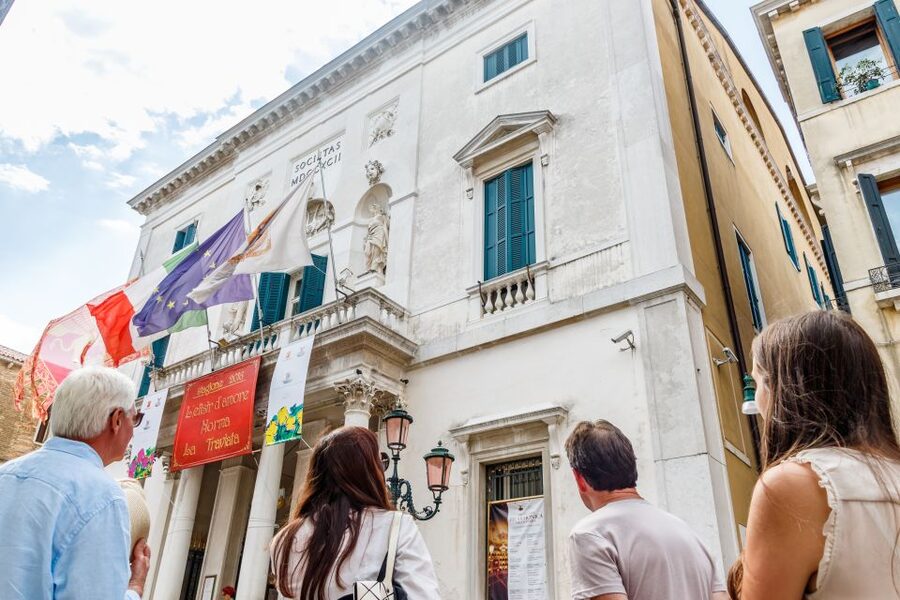
The audio guide points you toward an easy detail to miss: walk around the side of the building after your visit to see the gondola entrance.
This small architectural feature connects La Fenice to Venice in a very direct way. The theatre is not an isolated concert hall dropped into the city. Its relationship with canals, water, and gondolas is part of its identity.
It is also a useful final photo stop. The interior receives the attention, but the outside view gives you another angle on how the theatre fits into Venice. Add a few minutes after the official route rather than heading straight back into the lanes.
How much time and money should you allow?
The listed price is $14 per person. For a major Venetian landmark with an audio guide and skip-the-line entry, I consider that a sensible price, especially if you are not attending a performance.
The audio commentary itself may take about 45 to 60 minutes. Allow more time if you want to sit, photograph the decoration, visit the Maria Callas display, browse the shop, or stop at the cafe. An hour is enough for a focused visit, but it can easily become longer if you enjoy architecture.
The ticket is valid for one day once used, and the booking information says it remains valid for six months from purchase. The date of validity marks the date from which you can visit the theatre, so check the terms carefully when selecting your date.
Do not plan around the ticket without checking the official opening schedule. La Fenice is an active opera house, and tour access can change because of performances, rehearsals, or other theatre activity. The published schedule of tours is available at festfenice.com/en/orari.
Venice may also require an Access Fee on certain days between April 18 and July 27, 2025. This fee is paid directly to the City of Venice, with exemptions for some people. Check cda.ve.it for current dates, payment methods, and exemption rules.
Who will enjoy this La Fenice visit most?

I would recommend this for first-time Venice visitors who want to see a major cultural site without committing to an evening performance. It also suits repeat visitors who have walked past La Fenice before and never looked inside.
Opera fans will appreciate the connection to famous performers, the Maria Callas display, and the chance to see the theatre as a performance space. Architecture lovers may enjoy the decoration even if they know little about opera.
Families can manage the visit because it is short and self-paced. Children may not follow every audio section, but the auditorium, royal box, paintings, and chance to look around a real opera house provide visual interest.
It is also a good choice for older visitors or anyone who prefers to set the pace. Seating is available along the route, and you do not have to keep up with a live group.
I would hesitate only if your schedule is extremely tight, you dislike audio tours, or you are booking mainly in the hope of seeing a rehearsal. You can visit in about an hour, but the experience works best when you have enough time to stop and look.
Should you book La Fenice with the audio guide?
Yes, if you want an affordable look inside one of Venice’s most beautiful theatres without attending a performance. The main auditorium is spectacular, the history gives the decoration meaning, and the self-guided format lets you linger instead of being pushed along.
Book it with three simple preparations: check the theatre schedule, bring your ID, and pack your headphones. Try to arrive near opening time for a quieter visit, then walk around the side afterward to find the gondola entrance.
Skip it if you only want live opera. In that case, put your money toward a performance. For everyone else, this is a short, practical way to see La Fenice from the inside and understand why the building remains such a central part of Venice’s opera life.
FAQ
How long does the La Fenice audio tour take?
The audio tour itself takes about 45 to 60 minutes. You can spend longer inside if you pause to admire the theatre, sit along the route, take photographs, or visit the additional rooms.
Which languages are available for the audio guide?
The audio guide is available in English, French, German, Italian, Portuguese, Russian, and Spanish.
Do I need to bring identification?
Yes. You need to bring your ID to receive the audio guide at the ticket counter.
Do I need to bring headphones?
Yes, bringing your own headphones or earbuds is strongly advised. The audio guide may be downloaded to your phone, and headphones may not be supplied.
Where do I collect the audio guide?
Show your voucher at the La Fenice ticket counter. You exchange it there for entry and the audio guide.
Is La Fenice wheelchair accessible?
Yes, the theatre is wheelchair accessible.
Is a live guide included?
No. The ticket includes skip-the-line entry and an audio guide, but not a live guide.
How long is the ticket valid?
The ticket is valid for six months from purchase. The date of validity indicates the date from which you can visit the theatre, and the ticket is valid for one day once you visit.
More Audio Tours in Venice
- Venice: Gondola Tour under the Bridge of Sighs & Audio Guide
★ 3.9 · 617 reviews - Venice: Gondola Ride with Live Guide or Audio Guide
★ 3.9 · 472 reviews - Venice: St. Mark’s Basilica Priority Ticket and Audio Guide
★ 3.2 · 230 reviews - Trieste Bus Tour with Audio Guide
★ 4.0 · 214 reviews
Just added around Venice
- Exclusive Private Venice Jewish Ghetto Tour★ 5.0 · 41 reviews
- The Secret Corners of Burano★ 5.0 · 41 reviews
- Verona: Private 2-Hour Walking Tour★ 4.9 · 41 reviews
- Venice: 3-Course Dining Experience at Local Home★ 4.8 · 41 reviews
- Wine Tasting in Venice★ 4.6 · 42 reviews
- St Mark’s Basilica & Doge’s Palace Skip the Line – Semi-Private★ 5.0 · 42 reviews
- Venice Skip lines at Doge’s & St. Mark’s with Exclusive Sky Walk★ 4.5 · 42 reviews
- Venice Saint Mark’s Basilica afternoon guided tour★ 4.5 · 42 reviews
Opera and Vivaldi Concerts, compared.
Vivaldi’s Four Seasons Live Classical Music Concert
Read our review →
Vivaldi’s Four Seasons Concert & Music Museum Visit
Read our review →
Vivaldi Four Seasons Concert at Vivaldi Church
Read our review →
I Musici Veneziani Concert: Vivaldi Four Seasons
Read our review →
Musica a Palazzo ‘Traveling Opera’ Performance in Venice
Read our review →

I Musici Veneziani Vivaldi’s Four Seasons and Tenor arias
Read our review →
Opera Concert at Casanova Prisons in St. Mark Square
Read our review →Browse the lists this tour appears in