
Reviewed · TIRAMISU EXPERIENCES
Small group Pasta and Tiramisu class with Mamma in Trieste
The best part of this Trieste class is not the pasta recipe. It is the chance to work in a local home, where the lesson feels more like being welcomed to an Italian family table than attending a formal cooking school. Hosts such as Rita and Giovanni bring their own styles, stories, and family methods to the kitchen.
I like the opening with Prosecco and snacks, which gives everyone time to settle in before handling flour and eggs. I also like that you make two kinds of fresh pasta and tiramisu, then eat what you prepared with wine and, in some cases, limoncello.
The main consideration is that the hands-on level can vary by host and group size. One account describes a demonstration-led class, with guests sharing one large pasta board, while other sessions give everyone a chance to roll, fill, cut, and shape the dough.
In This Review
- Key points
- A home kitchen instead of a cooking school
- The first lesson: tiramisu before pasta
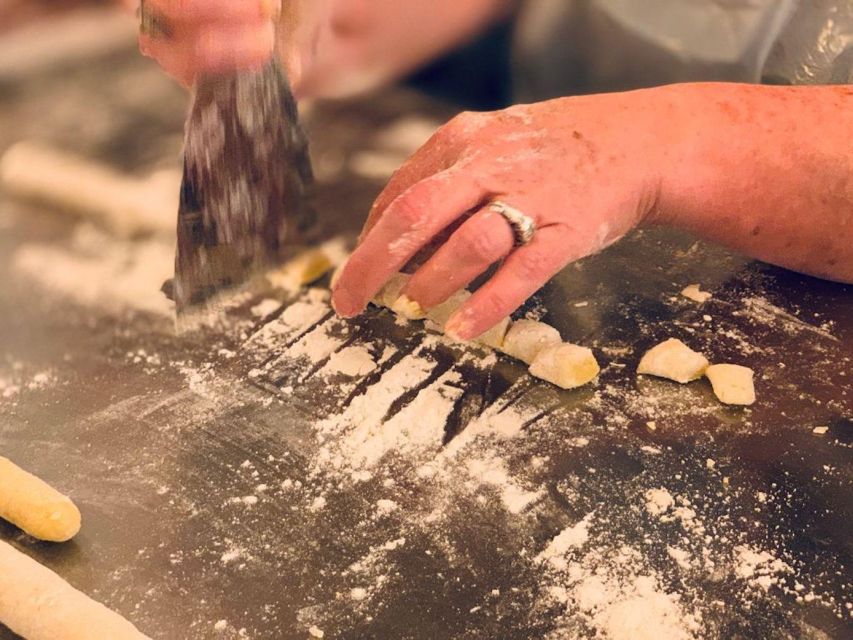
- Rolling, filling, and shaping fresh pasta
- Prosecco, antipasti, and the social side
- Eating what you made in the dining room
- What the three-hour schedule really offers
- Is $161.77 a fair price?
- Who will enjoy this class most?
- Practical advice before you book
- Should you book the Trieste pasta and tiramisu class?
- FAQ
- Where does the pasta and tiramisu class take place?
- How long does the class last?
- What food will I make?
- Will I make ravioli and spaghetti?
- Is the class offered in English?
- How many people can join?
- Are drinks included?
- Is the meal included?
- Is the class near public transportation?
- Can I cancel for a full refund?
Key points
- Cook in a Trieste home: The setting gives the class a personal, everyday feel that a restaurant kitchen cannot match.
- Make two pasta styles: You learn to roll and shape fresh pasta, with ravioli and spaghetti specifically described in one session.
- Prepare tiramisu early: The dessert is made near the start so it can chill while you work on the pasta.
- Begin with Prosecco and snacks: Antipasti and drinks turn the lesson into a social meal from the first minutes.
- Expect a small group: The maximum is 12 people, though some sessions may be much smaller.
- Check the meeting details: The activity begins and ends at the meeting point, but the exact home location and directions matter.
A home kitchen instead of a cooking school
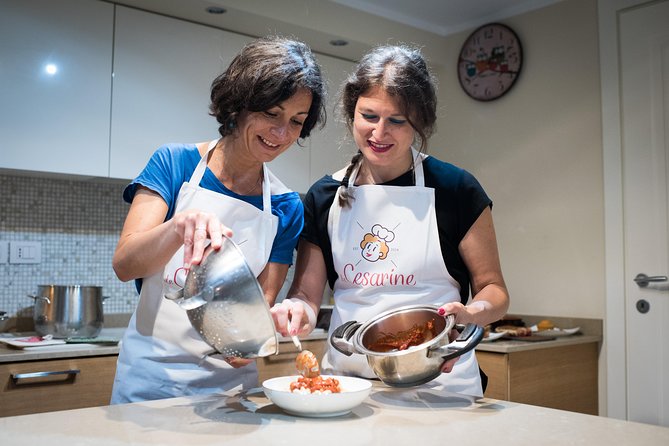
This class gives you a look at Italian food through the routines of a home cook. Your Cesarina, the name used for the local hosts, welcomes you into a private residence in Trieste and teaches family recipes rather than presenting a polished restaurant production.
That difference matters. A professional cooking school often gives each person a station, measured ingredients, and a fixed sequence. Here, you may see the host’s own kitchen, dining room, tableware, and way of organizing a meal. One host’s home combines antique art with modern furnishings, while another has been described as a beautiful, welcoming space.
The setting also affects the tone. Rita is described as friendly, patient, funny, and a cookbook author. Giovanni is known for a warm welcome and a relaxed way of teaching. The host assigned to your date may be different, so treat those names as examples rather than a guarantee.
You begin with Prosecco and snacks. Depending on the host, the opening food may include antipasti, bruschetta, or regional ingredients. One menu included mackerel and cod, while bruschetta was prepared for a participant who did not care for fish. That small detail gives you a useful sense of the hospitality, though you should provide dietary preferences when booking.
More tiramisu tastings in Trieste:
- Venice: Pasta and Tiramisu Cooking Class with Wine
★ 4.9 · 1,010 reviews - Pasta and Tiramisu Cooking Class with Wine in Venice
★ 5.0 · 945 reviews - Verona: Pasta and Tiramisu Cooking Class with Fine Wine
★ 4.8 · 633 reviews
The first lesson: tiramisu before pasta
Tiramisu usually comes early because it needs time in the refrigerator. In a reported session with Giovanni, the class started by preparing the dessert before moving on to the pasta. That is a smart order, since the finished tiramisu can chill while you knead and shape dough.
The formal menu lists tiramisu as the dessert, but the method may differ from one home to another. You should expect to assemble the dessert and learn the host’s process, not necessarily to follow a standardized pastry-school recipe.
This is one place where expectations matter. One account describes Giovanni demonstrating the tiramisu while the participants watched, rather than each person preparing a separate dish. In another session, the hands-on work was spread across the group. If making the dessert yourself is especially important, ask the provider how participation will be arranged for your date.
The reward comes later, when the chilled tiramisu joins the pasta meal. It is a simple idea, but it makes the class feel like a complete lunch or dinner rather than a series of disconnected kitchen exercises.
Rolling, filling, and shaping fresh pasta
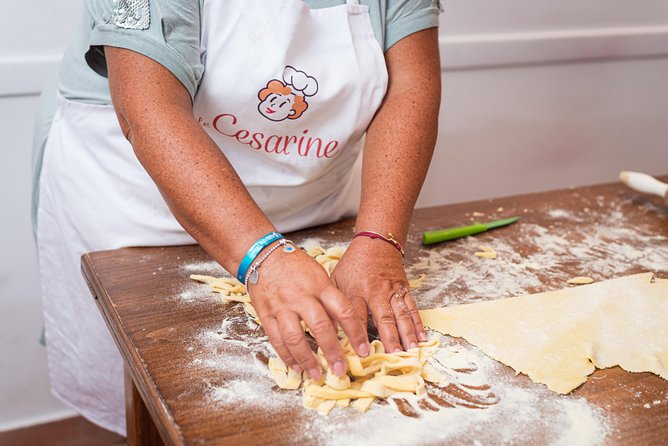
The pasta section is the heart of the class. You learn how to work with fresh dough, roll it, and form two pasta types. Ravioli and spaghetti are specifically described in one session, though the exact shapes may depend on your host.
Making pasta by hand takes longer than watching someone make it. You may knead dough, flatten it, cut it, fill ravioli, and help with the rolling or shaping. Giovanni reportedly kept the process moving by preparing some pasta ahead of time, a practical choice that prevented the meal from being delayed for hours.
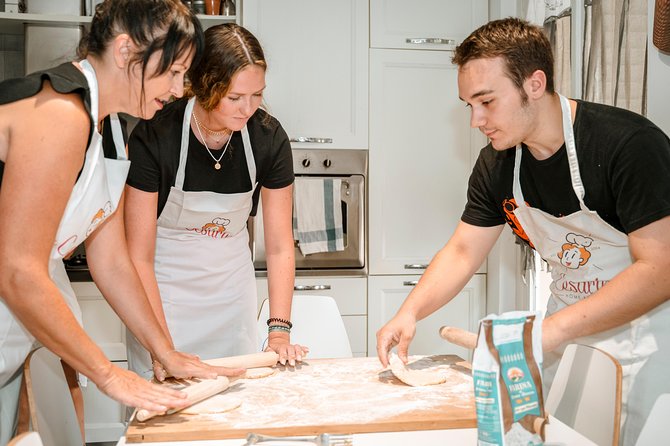
The small-group format helps here. The stated maximum is 12 people, but some classes have only two participants or a handful of couples. A smaller group should give you more time with the dough and more chances to ask questions. At the full limit, you may share tasks rather than make every shape from start to finish.
One important catch is workstation space. A session with three people had one large pasta board, so not everyone had an individual place to work. The pasta was excellent, but the activity felt partly like a demonstration with shared participation. That is not necessarily a flaw, especially if you want a social meal, but it is worth knowing before you book.
I like this format for beginners because you are not left alone with a recipe and a pile of flour. The host demonstrates family techniques, corrects mistakes, and shows the small movements that are hard to learn from a cookbook. You also leave with methods you can try at home, including the practical lesson that fresh pasta requires patience.
Prosecco, antipasti, and the social side
The food begins before the main cooking. Prosecco and snacks are part of the welcome, and wine is served with the meal. Some sessions also include water and a final limoncello.
This makes the class feel generous, but it also means the three-hour schedule is not three nonstop hours of kitchen practice. Time is shared between demonstration, conversation, preparation, eating, and drinks. If you want an intensive technical workshop with constant instruction, this may feel relaxed. If you want to meet a local host and enjoy a meal, the pace should suit you well.
The meal is also a chance to taste regional products and wine. One session included local ingredients and regional wine, while another offered a large spread of antipasti before the pasta. The exact extras are not fixed in the stated menu, so regard them as possible additions rather than promised dishes.
The social setting can help bridge a language gap. Giovanni has hosted people who did not speak Italian while he did not speak English, and a translation app helped everyone understand the steps and conversation. The class is offered in English, but host-to-host communication may still vary. Patience, gestures, and a willingness to use translation tools can make the exchange easier.
A few more Trieste days to weigh up
- Verona: Pasta and Tiramisu Cooking Class With Free Flowing Wine
★ 5.0 · 575 reviews - Verona: Hands-on Fresh Pasta and Tiramisù Cooking Class
★ 4.9 · 295 reviews - Venice: Jewish Ghetto & Cannaregio Area Food Tour: Pasta Wine Gelato and More!
★ 4.5 · 274 reviews - Verona: Italian Cooking Class with Pasta, Risotto and Tiramisù
★ 5.0 · 268 reviews
Eating what you made in the dining room
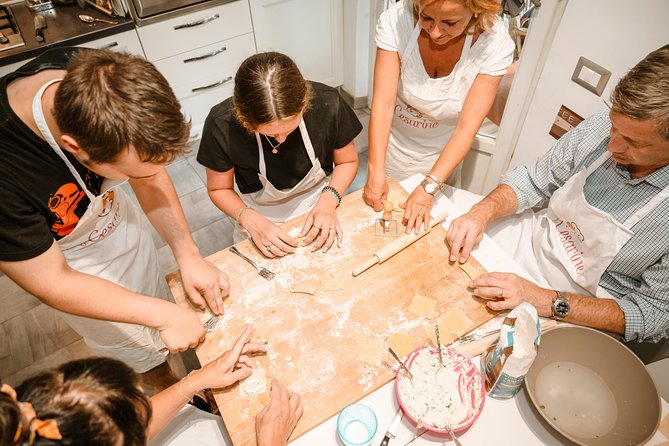
Once the pasta is ready, you sit down and eat it. This final meal is a major part of the value because you are not simply carrying a small sample to a classroom table. You have helped make the food, watched the process from dough to plate, and then shared it in the host’s home.
Portions can be generous. One session produced more food than the group could finish, with pasta, tiramisu, wine, and additional snacks. Another group left feeling very full after its meal. That makes the price easier to understand, particularly if the class replaces a separate lunch or dinner.
The meal also gives you time to talk with the host. You may hear family stories, learn where a recipe came from, or get a sense of how food fits into daily life in Trieste. The experience is less about mastering restaurant-level speed and more about learning how an Italian household approaches food.
You should not expect every session to look identical. A host might be more demonstrative, more talkative, or more focused on getting everyone involved. That variation is part of the home-based model, but it means you are paying for a personal encounter rather than a rigidly identical lesson.
What the three-hour schedule really offers
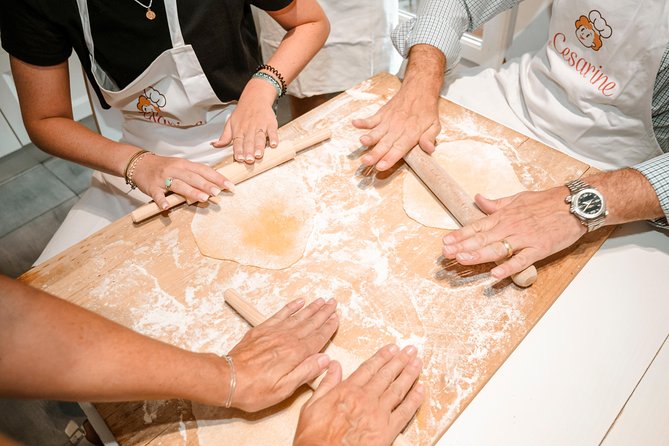
The advertised duration is about three hours. That is enough time for a welcome drink, tiramisu, two pasta preparations, and a shared meal, provided the host has some work prepared in advance.
The class may feel longer if conversation and drinks run freely, especially when the group is enjoying itself. It may also feel compact if every person wants a long turn at each stage. Plan on a relaxed food-centered session, not a tightly timed professional workshop.
The activity starts in Trieste and ends back at the meeting point. It is near public transportation, but the exact home address is important because the meeting point description is broad. One person had difficulty because there was no representative visible at the stated meeting place and arrived about 30 minutes late. I would confirm the host’s name, address, phone contact, and directions before setting out.
This is particularly important if you are visiting Trieste for only a few hours or coming from a cruise ship. A group that reached Giovanni’s home while docked in Trieste had no trouble finding it, but you should still leave a proper margin for navigation. The class itself may be easygoing, yet a wrong turn can cost valuable cooking time.
Is $161.77 a fair price?
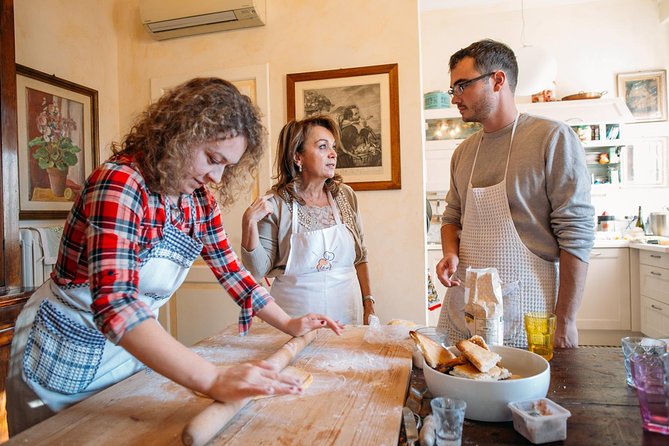
At $161.77 per person, this is not a cheap meal. You are paying for instruction, food, drinks, a small-group setting, and access to a local home. The value depends on how much you want the cooking and hospitality, rather than simply the plate of pasta.
If you count the welcome snacks, Prosecco, wine, the complete pasta meal, tiramisu, and possible limoncello, the price compares more favorably with a high-end food activity plus dinner. The class also gives you recipes and techniques you can repeat at home, which adds value for anyone who enjoys cooking.
The value is weaker if you expect each person to have a private workstation and make every component independently. At times, you may share a pasta board or watch the host prepare part of the tiramisu. You are buying a communal Italian meal with hands-on moments, not a guaranteed one-to-one lesson.
The average booking lead time is 34 days, so advance planning is sensible. Confirmation is provided at booking, and free cancellation is available up to 24 hours before the start time. If the minimum number of participants is not reached and the activity is canceled, you are offered another date or experience, or a full refund.
Who will enjoy this class most?
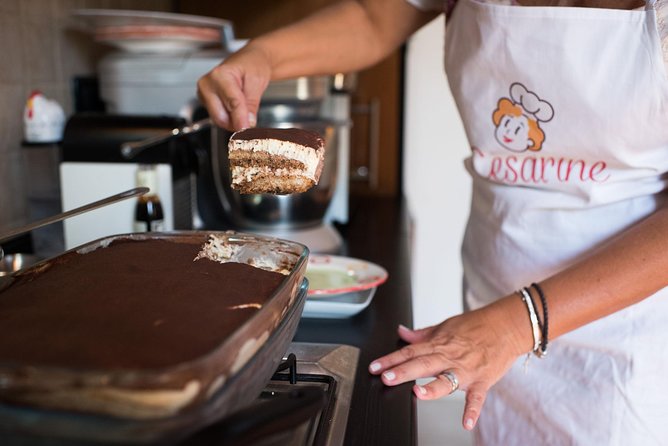
I would choose this class if you want to connect food with local life. It suits couples, families, small groups of friends, and anyone who would rather eat in a home than sit through a standard restaurant demonstration.
It is also a good choice for beginners. You do not need to arrive with pasta-making skills, and patient hosts such as Rita and Giovanni have shown that they can guide people through the process even when language is not shared perfectly.
Food lovers who want to recreate the meal at home should find the class useful. You learn two pasta shapes and tiramisu, and the methods are simple enough to try again with your own family. One participant left ready to buy a pasta machine, while another brought home a ravioli cutter after the class.
I would be more cautious if you require strict dietary control, guaranteed English from the individual host, or a private cooking station. The activity is shared, the menu is centered on pasta and tiramisu, and the amount of independent work may vary.
Practical advice before you book
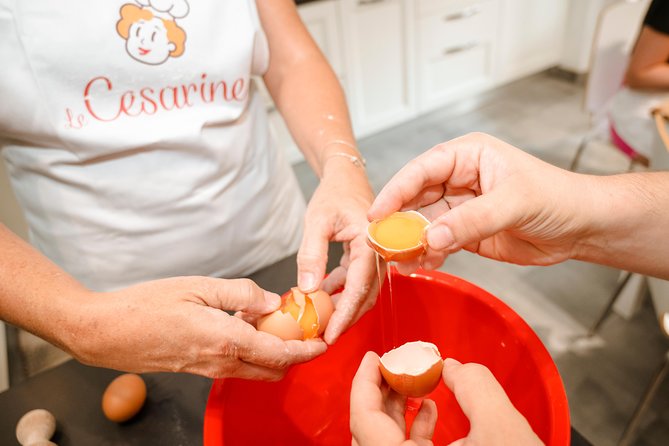
Give yourself extra time to find the home. The meeting information begins with Trieste rather than a detailed landmark, and at least one person had trouble locating the host. Confirm the final address and contact details rather than relying only on a general map pin.
Tell the provider about food preferences in advance. One host adapted the welcome snacks when a participant did not enjoy fish, but you should not depend on a last-minute change for allergies or strict dietary needs.
Expect drinks as part of the experience. Prosecco begins the class, wine may accompany the meal, and limoncello may appear at the end. If you do not drink alcohol, ask what alternatives are available before booking.
Bring curiosity more than technical ambition. You will learn real techniques, but the pace may include watching, helping, talking, and eating. The best approach is to accept that the host’s kitchen is a shared space, not a row of identical cooking stations.
Should you book the Trieste pasta and tiramisu class?
Book it if you want a warm, food-focused introduction to Trieste that combines cooking with conversation. The strongest reasons are the home setting, the chance to make fresh pasta and tiramisu, the generous meal, and the personal welcome offered by hosts such as Rita and Giovanni.
Skip it if your main goal is a strict, intensive workshop where every participant makes every dish alone. The class can be partly demonstration-based, and the exact level of hands-on work depends on the host and group.
For most people who value local contact over perfect kitchen structure, the balance is appealing. You leave with a full meal, useful pasta skills, and a story about an Italian home kitchen that a restaurant dinner alone cannot provide.
FAQ
Where does the pasta and tiramisu class take place?
The class takes place in a carefully selected local home in Trieste, Italy. The activity starts and ends at the meeting point.
How long does the class last?
The experience lasts about three hours.
What food will I make?
The stated menu includes fresh pasta as the main dish and tiramisu for dessert. The pasta lesson covers rolling and shaping two types of pasta.
Will I make ravioli and spaghetti?
Ravioli and spaghetti were made during one described session. The exact pasta shapes may depend on the Cesarina hosting your class.
Is the class offered in English?
The experience is offered in English. Individual hosts may have different English abilities, and translation tools have been used successfully during some sessions.
How many people can join?
The maximum group size is 12 people. Some sessions may be much smaller, including classes with only two participants.
Are drinks included?
The class begins with Prosecco and snacks. Wine may be served with the meal, and limoncello may be offered afterward.
Is the meal included?
Yes. You eat the pasta and tiramisu prepared during the class, along with the included snacks and drinks.
Is the class near public transportation?
Yes, the activity is described as being near public transportation.
Can I cancel for a full refund?
You can cancel at least 24 hours before the start time for a full refund. Cancellations or changes made less than 24 hours before the start time are not refunded or accepted.
More Workshops in Trieste
- Venice: Carnival Mask Workshop
★ 4.5 · 1,925 reviews - Create Your Glass Artwork: Private Lesson With Local Artisan
★ 5.0 · 556 reviews - Venetian Carnival Mask Making Class in Venice, Italy
★ 4.5 · 525 reviews - Murano Glass Factory Experience: A Workshop in Venice
★ 4.0 · 437 reviews
Just added around Trieste
- Private Transfer from Trieste to Venice Airport / Venice City★ 4.5 · 28 reviews
- Private Transfer Trieste Port to Venice Marco Polo Airport / City★ 4.5 · 29 reviews
- Postojna Cave & Predjama Castle – Private & Relaxed Experience★ 4.5 · 35 reviews
- Miramare Castle Entrance Ticket in Trieste★ 3.5 · 37 reviews
- Postojna Cave & Predjama Castle – Small Group Tour from Trieste★ 4.5 · 37 reviews
- Trieste: Wine Tasting from Istria, Carso and Friuli terroirs★ 5.0 · 40 reviews
- Trieste: Private guided tour of Trieste★ 5.0 · 48 reviews
- Trieste: digital audioguide made with a local for your tour★ 4.2 · 49 reviews
Tiramisu Experiences, compared.
Pasta and Tiramisu Cooking Class with Wine in Venice
Read our review →Pasta and Tiramisu Cooking Class with Fine Wine
Read our review →
Hands-on Fresh Pasta and Tiramisù Cooking Class
Read our review →
Italian Cooking Class with Pasta, Risotto and Tiramisù
Read our review →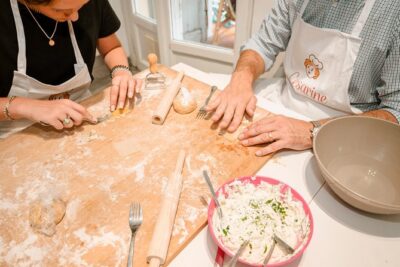
Small Group Pasta and Tiramisu Class at Local’s Home in Venice
Read our review →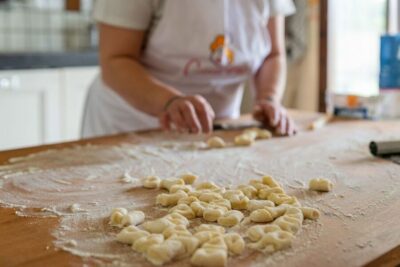
Pasta and Tiramisu Cooking Class at a Local’s Home
Read our review →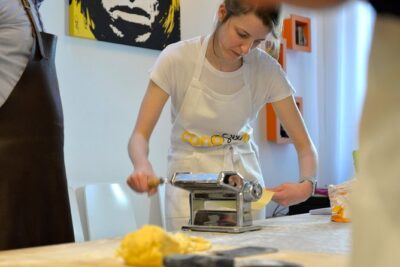
Rialto Market Tour with Hands on Cooking Class, Wine & Tiramisu
Read our review →Browse the lists this tour appears in