
Reviewed · FOOD & DRINK
Trieste: coffee dive! espresso tasting
Trieste’s coffee culture makes more sense when you taste it one small cup at a time. At BiancaTosta’s coffee lab in San Giacomo, you’ll try five different espressos, compare their aromas and flavors, and learn why grind size, water temperature, and extraction time matter.
I like the small-group format, which allows Bianca to guide the tasting rather than simply pour coffee and move on. I also like the connection to Trieste’s role in the coffee trade, plus the practical look at beans, roasting, and the people behind each cup.
The main consideration is caffeine. Five espressos in two hours can be a lot, especially on an empty stomach. Arrive fed and hydrated, avoid strong perfume, and remember that this is a focused tasting rather than a full meal or a café-hopping tour.
In This Review
- Key details at a glance
- Why Trieste is a smart place to study espresso
- Arriving at the Via Frausin 3 coffee lab
- Five espressos, five ways to read a cup
- The useful science behind a small espresso
- How Bianca’s teaching shapes the session
- What the two-hour schedule actually gives you
- Is $44.41 a fair price?
- Who should book this coffee tasting?
- Practical tips for enjoying all five cups
- Should you book BiancaTosta’s espresso tasting?
- FAQ
- Where does the espresso tasting take place?
- How long does the activity last?
- How many espressos will I taste?
- Who leads the tasting?
- Is the activity offered in English?
- Is food included?
- Can I cancel the booking?
Key details at a glance
- Five espresso styles: Compare coffees with different origins, roasting choices, aromas, and flavor profiles.
- BiancaTosta leads the session: Bianca guides the tasting and explains both coffee technique and Trieste’s traditions.
- Two hours in San Giacomo: The session takes place at Via Frausin 3 and returns to the same location.
- Small and personal: The coffee lab hosts up to five people according to the experience description, while the booking information lists a maximum of six. Check the exact group size for your date.
- More than a caffeine stop: You’ll learn about cultivation, shipping, roasting, extraction, and tasting language.
- $44.41 per person: That is a fair price if you want instruction and comparison, but less appealing if you simply want a quick espresso.
Why Trieste is a smart place to study espresso
Trieste is not just another Italian city where coffee comes after lunch. Its position as a port helped connect the city with coffee-producing regions and international trade. That background gives this tasting a useful local angle: you are not only learning how espresso is made, but also why coffee became such an important part of Trieste’s identity.
The session begins with an introduction to the city’s coffee traditions. You’ll hear how beans arrive from faraway growing regions, how they are handled and roasted, and how local coffee customs developed over time.
This context matters because espresso can seem simple from the outside. A small cup arrives, you drink it, and it is gone. The tasting slows down that process and shows how many choices sit behind those few sips.
I like this approach for first-time coffee tasters. You do not need to know technical terms before arriving. Bianca explains the subject in a way that connects the cup to real places, working producers, and roasting decisions.
A few more Trieste days to weigh up
- Coffee, Desserts with Highlights of Venice
★ 5.0 · 39 reviews
Arriving at the Via Frausin 3 coffee lab
The meeting point is the coffee lab at Via Frausin 3 in the San Giacomo neighborhood. You’ll recognize it by the door, and the activity begins and ends there. Transportation is not included, so plan your own route and allow enough time to arrive without rushing.
The setting is deliberately small. The coffee lab is designed for an intimate session rather than a large class, and that changes the feel of the experience. You have room to ask questions, compare impressions, and get direct explanations from Bianca.
The published details describe space for up to five people, while the general group information says the limit is six participants. That is a minor detail worth checking when you book, especially if you prefer a very quiet lesson or are arranging a small private group.
The lab setting also keeps the focus on the coffee. You are not being moved between several cafés, and you are not trying to hear a guide over a crowded dining room. For a tasting built around aroma, flavor, and preparation, that is a practical advantage.
The session is offered in Italian and English. It is also listed as wheelchair accessible. Children under 12 are not permitted, and the activity is not considered suitable for people over 95.
Five espressos, five ways to read a cup
The central part of the experience is the tasting of five carefully selected espressos. Each one is meant to show a different flavor profile or preparation choice, rather than offering five nearly identical cups.
You may encounter the bold, intense character associated with a classic Italian roast. Another espresso may show smoother, chocolate-like notes linked to South American beans. A coffee from Africa can bring brighter, fruitier flavors.
The purpose is comparison. One espresso gives you a single impression. Five cups let you notice how origin, roasting, and preparation change the result.
Bianca guides you through the process as you taste. You’ll pay attention to aroma first, then flavor, body, and aftertaste. You do not need a trained palate. The point is to notice what changes from one cup to the next and to find words for those changes.
Detailed tasting notes are included, which helps if you are new to coffee vocabulary. You can ask questions as you go instead of trying to remember everything at the end.
There is also a personal side to the tasting. The session includes stories about coffee farmers, roasters, and the places behind the beans. This makes the coffee feel less like an anonymous product and more like the final stage of a long chain of work.
The useful science behind a small espresso
A good espresso depends on several variables working together. The session explains how grind size, water temperature, and extraction time affect what reaches your cup.
A grind that is too coarse or too fine can change how quickly water passes through the coffee. Water that is too hot or too cool can shift the balance of flavors. Extraction time influences whether the cup tastes thin, sharp, bitter, or more rounded.
You will not leave as a professional barista after two hours, but you should understand the basic logic behind the drink. That is one of the stronger reasons to book this rather than simply ordering several espressos at a café.
The class also looks at roasting. A darker roast may bring heavier, more intense flavors, while a lighter roast can preserve more of the bean’s origin character. These are broad patterns, not strict rules, and tasting several examples helps you understand the difference better than a lecture alone.
I especially like that the session connects technical details to what you are actually drinking. Instead of hearing a list of coffee terms, you can taste the result in the cup in front of you.
More food tours in Trieste:
- Trieste: 2.5-Hour Prosecco Origins Tour and Tastings
★ 4.9 · 193 reviews - Experience Slovenian Coast line with Wine Tasting from Trieste
★ 5.0 · 50 reviews - Trieste: Wine Tasting from Istria, Carso and Friuli terroirs
★ 5.0 · 40 reviews - Flavours of Istria Tasting Experience from Trieste
★ 4.5 · 10 reviews
How Bianca’s teaching shapes the session
The experience depends heavily on BiancaTosta’s guidance. The strongest praise centers on her ability to make the tasting both fun and educational. She leads you through the cups, explains how coffee reaches the table, and leaves room for questions.
That balance is important. A tasting can become too technical, with a long lecture and little pleasure, or too casual, with no useful information beyond the names of the coffees. This session aims for a middle ground.
Bianca is described as a professional coffee taster, so you can expect attention to flavor detail and preparation technique. At the same time, the small setting should make it easier to speak up if a term is unfamiliar or if your impressions differ from hers.
Do not feel pressure to identify every note correctly. Coffee tasting is not an exam. If one espresso tastes fruity to you and another tastes bitter, that is a useful starting point. Bianca’s job is to help you understand why.
What the two-hour schedule actually gives you
Two hours is enough time for a considered tasting, but not enough time for every possible coffee topic. The session includes the city’s coffee background, the supply chain, roasting, espresso preparation, five samples, tasting notes, and discussion.
The time will likely feel full if you ask questions. If you prefer a fast activity, this may seem slow because each espresso receives attention. That slower pace is necessary if you want to compare aroma and flavor instead of swallowing five shots in quick succession.
The experience ends back at the coffee lab. Since there is no transportation between stops, you can plan another activity before or after it without worrying about a long transfer. You might want to leave some space afterward, though. Five espressos and concentrated tasting can leave you more alert than expected.
Food is not included. Optional pairings may be available if applicable, but you should not count on a meal. The clearest advice is to eat beforehand, drink water, and avoid spicy food immediately before the class. Strong perfume or deodorant can interfere with your sense of smell, so keep your fragrance light.
Is $44.41 a fair price?
At $44.41 per person, this is not the cheapest way to drink coffee in Trieste. You can order an espresso for very little at a local café. The price here pays for the teaching, five selected samples, tasting notes, cultural background, and direct access to a coffee professional.
That makes the experience good value for someone who is curious about coffee or wants a structured introduction. You are paying for comparison and explanation, not just caffeine.
The value is stronger because the group is small. In a large class, you might receive the same information but have little chance to ask questions. Here, the format is intended to feel personal, and the limited number of participants should make the discussion more useful.
The price is less compelling if you already work with espresso every day or only want to experience Trieste through its cafés. In that case, a self-guided coffee walk may offer more variety for less money. This class is best understood as a short workshop with tasting, not as a general food tour.
The free cancellation policy, with a full refund available up to 24 hours before the activity, adds some flexibility. You can also reserve now and pay later, which helps if your schedule is still taking shape.
Who should book this coffee tasting?
I would recommend it to coffee drinkers who want to understand what they are tasting. It suits beginners because Bianca explains the basics, but it also gives experienced drinkers a chance to compare origins and roasting styles in a focused setting.
It is a good choice for:
- Coffee-curious visitors: You’ll learn how to taste without needing prior experience.
- Espresso fans: Five contrasting cups let you compare styles in a way one café order cannot.
- Food and drink explorers: The coffee supply chain and local traditions add cultural context.
- Couples or small groups: The limited group size allows more conversation and personal attention.
- Visitors with a free two-hour slot: The activity starts and finishes at the same address.
It is not ideal for children under 12, people who avoid caffeine, or anyone expecting a full meal. It may also be a poor fit if you dislike structured tastings or prefer to wander between cafés at your own pace.
Practical tips for enjoying all five cups
Eat a proper meal before arriving. The instructions specifically recommend a full stomach and good hydration, and that advice is worth following.
Avoid spicy foods just before the tasting because they can affect your palate. Skip strong perfume and deodorant as well. Smell plays a major part in coffee tasting, and heavy fragrance can distract you and the people around you.
Bring your curiosity rather than trying to impress anyone with coffee knowledge. Ask how the beans were grown, roasted, or prepared. If one cup tastes unusual, say so. Those reactions create a better discussion than pretending to detect flavors you cannot find.
Give yourself flexibility after the session. The activity lasts two hours, and five espressos may affect you more than five small-looking cups suggest. If you are sensitive to caffeine, keep the rest of your day fairly open.
Should you book BiancaTosta’s espresso tasting?
Book it if you want a close look at Trieste’s coffee traditions and the craft behind espresso. The combination of five distinct cups, Bianca’s guidance, and a small San Giacomo coffee lab gives you more than a standard café visit.
Skip it if your main goal is simply to drink coffee cheaply, eat during the activity, or explore several parts of the city. At $44.41, the value comes from instruction and comparison.
For most coffee drinkers, this is a smart two-hour addition to a Trieste visit. Arrive fed, plan for the caffeine, and use the session to sharpen your palate before ordering coffee elsewhere in town.
FAQ
Where does the espresso tasting take place?
The activity takes place at the CoffeeLab at Via Frausin 3 in Trieste’s San Giacomo neighborhood. The session ends back at the same meeting point.
How long does the activity last?
The espresso tasting lasts two hours. Starting times vary, so check availability for the date you want.
How many espressos will I taste?
You will taste five distinct espressos, each selected to show different flavors and preparation techniques.
Who leads the tasting?
The experience is led by BiancaTosta. She provides guidance on tasting, extraction, coffee origins, roasting, and Trieste’s coffee traditions.
Is the activity offered in English?
Yes. The available languages are Italian and English.
Is food included?
Food is not included. Optional coffee pairings may be available if applicable, but you should arrive having eaten and well hydrated.
Can I cancel the booking?
Yes. You can cancel up to 24 hours in advance for a full refund. Reserve now and pay later is also available.
Just added around Trieste
- Private Tour to Slovenia from Trieste★ 4.0 · 3 reviews
- Lipica Stud Farm & Skocjan Caves – Small Group Tour from Trieste★ 4.5 · 3 reviews
- Trieste Exploration Game and City Tour on your Phone★ 5.0 · 3 reviews
- Trieste: Freemasons and Secret Societies Guided Tour★ 4.3 · 3 reviews
- Trieste: Private Pasta-Making Class at a Local’s Home★ 3.8 · 4 reviews
- Habsburg Trieste Private Guided Walking Tour★ 5.0 · 4 reviews
- Airport transfer from Trieste Airport to Koper★ 5.0 · 4 reviews
- Private Transfer from Trieste Airport or City to Pula, Rovinj★ 5.0 · 4 reviews
Food & Drink, compared.
Eat Like a Local: Venice 3-Hour Small-Group Food Tasting Tour
Read our review →
Street Food Tour with a Local Guide and Tastings
Read our review →
Venice Like a Local: Food, Wine & Spritz Tour with Traghetto Ride
Read our review →
Venice Bacaro Food Tour: Eat and Drink like a Venetian
Read our review →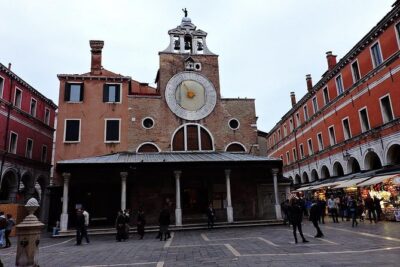
Eat, Drink and Repeat: Wine and Food Tasting Tour in Venice
Read our review →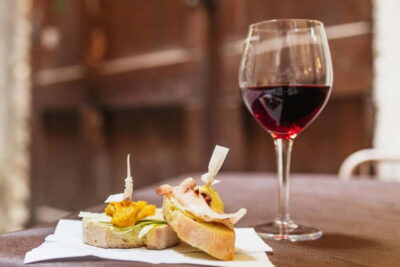
Food Tasting Tour with Cicchetti Dishes and Wine
Read our review →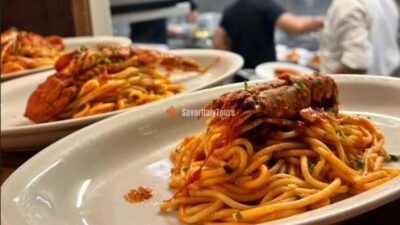
Sunset Walking Tour with Food and Wine Tastings
Read our review →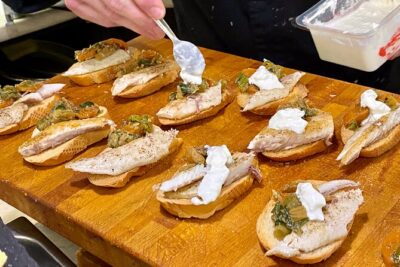
Venice Street Food Tour with Local Guide with Local Food Market Visit
Read our review →Browse the lists this tour appears in