
Reviewed · WINE TOURS
Trieste: Wine Tasting from Istria, Carso and Friuli terroirs
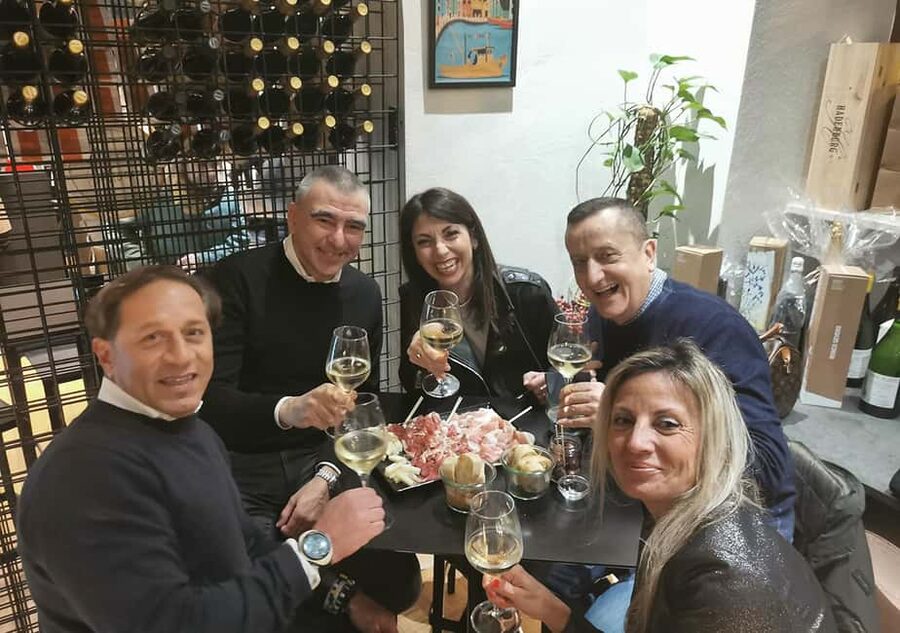
Trieste sits where Italy meets the Karst and the Istrian peninsula, and this tasting makes that borderland the main event. In one hour, you move from Friuli natural sparkling wine to a red from the Karst and a white from Istria, with local food on the plate to show how each wine works at the table.
I like the central location, just a short walk from the train station and cruise terminal, and the small private format, limited to 2 to 10 people. I also like the way the tasting links wine to local salt, olive oil, smoked ham, anchovies, and the old political geography of the area.
The main consideration is its short length. One hour is enough for a focused introduction, but not a slow winery visit with a vineyard tour. Water is not included, and people with food allergies should not book this experience.
In This Review
- Key points before you book
- Why this one-hour tasting fits Trieste so well
- Finding Enoteca Giovinoto at Via Trento 9
- First pour: Ribolla Gialla pet-nat from Friuli
- Second pour: Terrano and Karst character
- Third pour: Istrian Malvazjia with Adriatic anchovies
- Riccardo’s role and the value of local knowledge
- How much value do you get for $41?
- Who should book, and who should skip it?
- Timing, cancellation, and small practical details
- Should you book this Trieste wine tasting?
- FAQ
- Where does the wine tasting take place?
- How long does the experience last?
- Which wines are included?
- What food is served with the wine?
- Is water included?
- What languages are available?
- Who cannot take part?
Key points before you book
- Three borderland wines: Taste Friuli Ribolla Gialla pet-nat, Karst Terrano, and Istrian Malvazjia.
- Food with every pour: Pairings include Istrian olive oil, Pirano salt, Karst spices, smoked ham, and Adriatic anchovies.
- Riccardo leads the tasting: The host is praised for explaining wine production, Trieste, and the history of the surrounding region.
- Easy cruise-day location: Enoteca Giovinoto is at Via Trento 9, close to Trieste’s train station and cruise terminal.
- Private and air-conditioned: Groups range from 2 to 10 people, with service in crystal glasses.
- Good follow-up value: You receive 10 percent off in-store purchases after the tasting.
Why this one-hour tasting fits Trieste so well
Trieste can feel like an Italian city with several passports. Its food, language, and wine culture point in different directions at once. Friuli lies to the north, the Karst rises around the city, and Istria reaches across the border into Croatia and Slovenia.
That makes this more than a standard Italian wine flight. You are tasting a small part of a cross-border area where the labels and producers may be Italian, Croatian, or shaped by both traditions. The format is quick, but the subject has plenty of depth.
I like this kind of tasting early in a Trieste visit because it gives you useful context for the rest of your meals. It can also work well on your final evening, when you want a compact activity rather than another long dinner. One booking account describes it as a memorable way to spend a last night in the city, and that makes sense given the one-hour length.
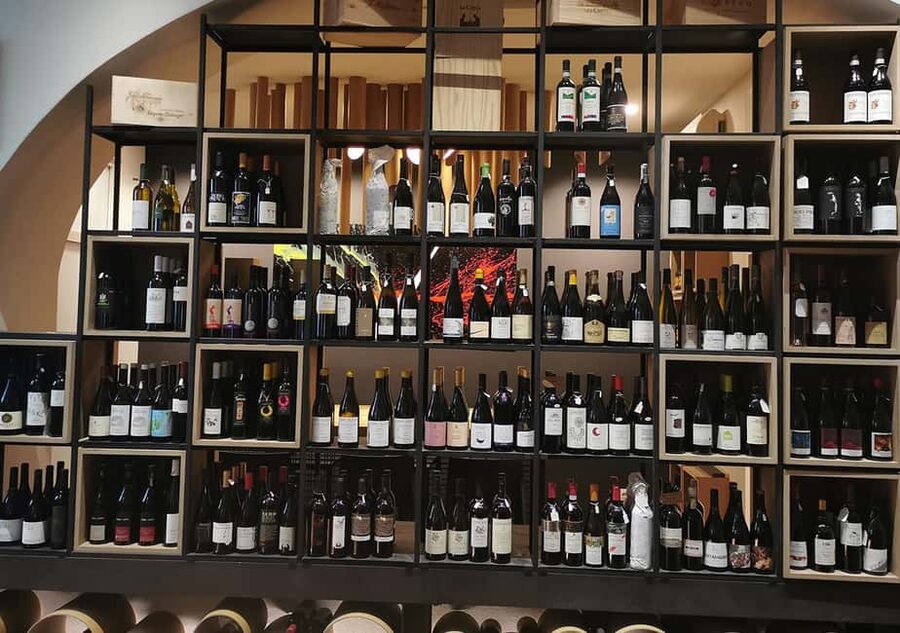
The tasting takes place inside Enoteca Giovinoto, not at a vineyard. That is both its strength and its limit. You get an urban wine-shop setting, air conditioning, crystal glasses, and a host who can connect bottles from several nearby areas. You do not get vines, cellar machinery, or a rural setting.
More Trieste wineries worth an afternoon:
- Prosecco Origins Wine Experience
★ 5.0 · 79 reviews - Experience Slovenian Coast line with Wine Tasting from Trieste
★ 5.0 · 50 reviews - Venice Like a Local: Food, Wine & Spritz Tour with Traghetto Ride
★ 5.0 · 1,858 reviews
Finding Enoteca Giovinoto at Via Trento 9
Your meeting point is the main entrance of Giovinoto Wine Shop at Via Trento 9. The location is practical if you arrive by train, have a short stop before a cruise, or are staying in central Trieste.
There is no transport between stops because there are no outside stops. You arrive at the shop, sit down for the tasting, and return to the same entrance when the hour is over. That makes this a low-effort choice after a day of sightseeing.
I would allow a little extra time to find the entrance, especially if you are booking around a train or ship departure. The listed location is central, but your actual walking time depends on where you are staying and which station or terminal exit you use.
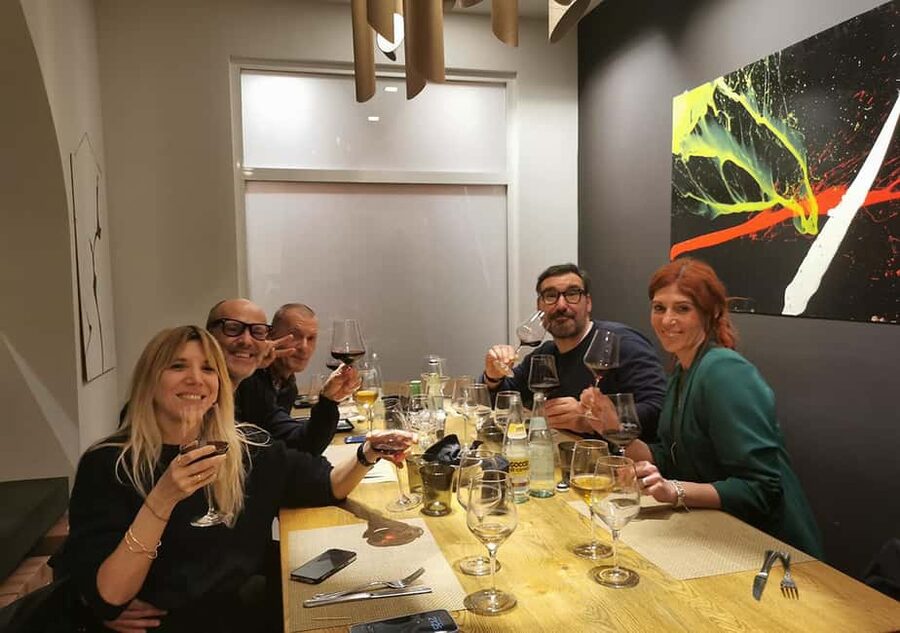
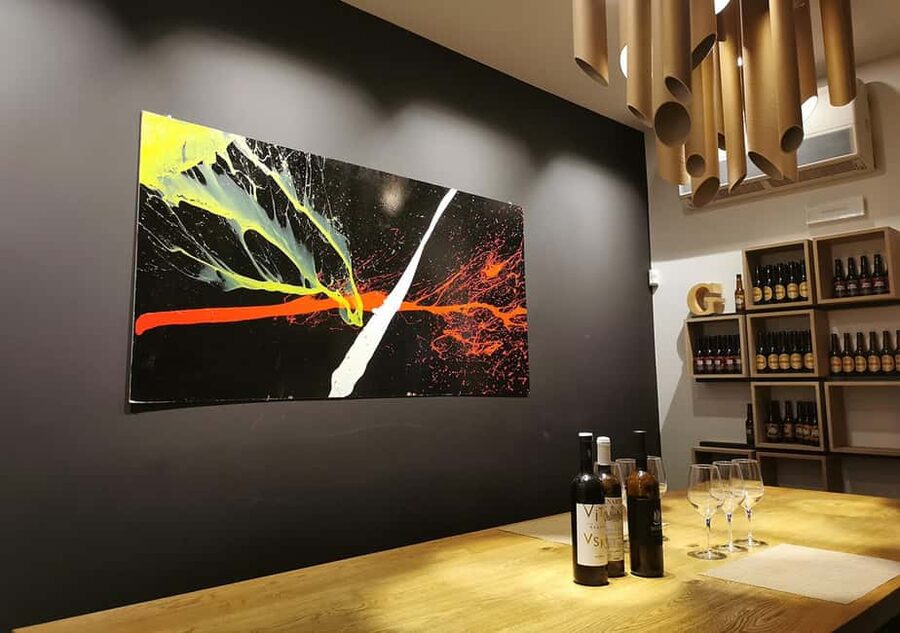
The room is air-conditioned, a useful point in warm weather. Wine served in crystal glasses is another small but meaningful touch. Proper glassware gives the host a fair chance to show the aroma and texture of each pour, rather than treating the wine like a quick sample at a retail counter.
First pour: Ribolla Gialla pet-nat from Friuli
The tasting begins with a glass of Ribolla Gialla pet-nat from Azienda Agricola San Lurins. Pet-nat means naturally sparkling wine, made through a less industrial process than many familiar sparkling wines. Here, the point is not simply to offer bubbles. It introduces you to a local grape in a style that feels fresh and less formal.
The pairing is bruschetta with extra-virgin organic Istrian olive oil, Pirano salt, and Karst spices. This is a smart opening bite because each ingredient carries a place name. Pirano, now Piran in Slovenia, points to the Adriatic border area, while the Karst spices connect the plate to the stony plateau around Trieste.
Pay attention to the contrast between the crisp wine and the oil, salt, and seasoning. The food gives the pour a clear job to do. Instead of tasting the wine in isolation, you can see how acidity and sparkle help with oily or salty foods.
This opening course should suit you if you like wines with a less polished, more natural character. If you prefer very predictable sparkling wine, pet-nat can seem unusual. The brief format does not leave much time for a long technical discussion, though the host can explain the method and the producer.
Second pour: Terrano and Karst character
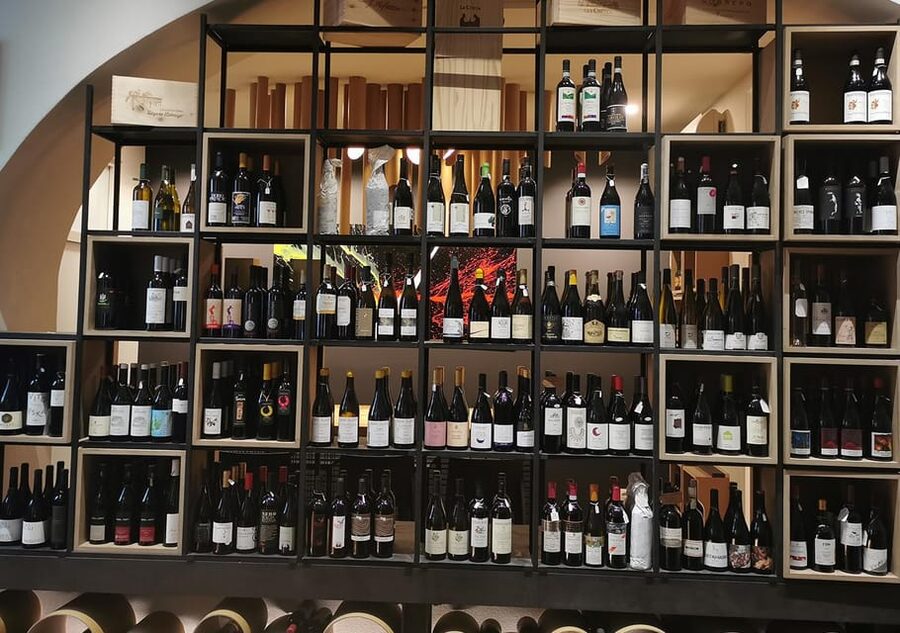
Next comes Terrano from Azienda Agricola Kante, paired with hand-sliced smoked raw ham from D’Osvaldo Prosciutti. Terrano is strongly tied to the Karst area, so this is the red wine that anchors the tasting closest to Trieste itself.
The food pairing moves in a darker, saltier direction. Smoked ham can make a red wine seem softer and fuller, while the wine gives the cured meat a sharper edge. This is also where the tasting feels most connected to the everyday table. You are not simply sampling a famous international grape. You are trying a regional red with a local-style food partner.
The Kante name is important for anyone curious about Karst wine. The tasting is not presented as a generic red from northern Italy. It uses a named producer to show how the area’s wine identity is expressed in the glass.
I would listen closely when Riccardo explains the Karst. His talks cover not just winemaking but also Trieste and the area’s past. That background helps explain why a wine from this zone can feel tied to several cultures at once.
More food tours in Trieste:
- Trieste: 2.5-Hour Prosecco Origins Tour and Tastings
★ 4.9 · 193 reviews - Eat Like a Local: Venice 3-Hour Small-Group Food Tasting Tour
★ 5.0 · 3,137 reviews - Venice: Street Food Tour with a Local Guide and Tastings
★ 4.8 · 2,613 reviews - Venice Bacaro Food Tour: Eat and Drink like a Venetian
★ 5.0 · 1,137 reviews
Third pour: Istrian Malvazjia with Adriatic anchovies
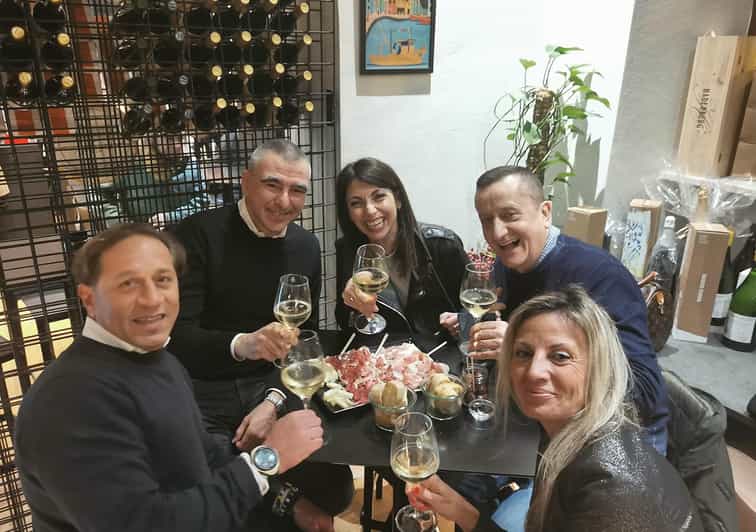
The final listed wine is Malvazjia from Meneghetti Wine, from the Istrian peninsula. This white takes the tasting across the border and completes the geographic route from Friuli to the Karst and then into Istria.
It is paired with Adriatic anchovies and a buttered grissino, or breadstick. This is a direct seaside match. The anchovy brings salt and a strong savory taste, while the wine provides a counterpoint. The breadstick adds a plain, buttery base so you can compare the wine with and without the fish.
This course is especially useful if you are planning to eat seafood in Trieste or along the Istrian coast. You can use the pairing as a simple lesson: local wine is often selected not only for its grape or producer but also for the food served nearby.
The advertised core tasting includes these three glasses. One tasting account refers to five wines, so the exact number of pours may depend on the session or how the experience is presented. If the final count matters to you, ask Enoteca Giovinoto before booking. The three named wines and their pairings are the dependable foundation.
Riccardo’s role and the value of local knowledge
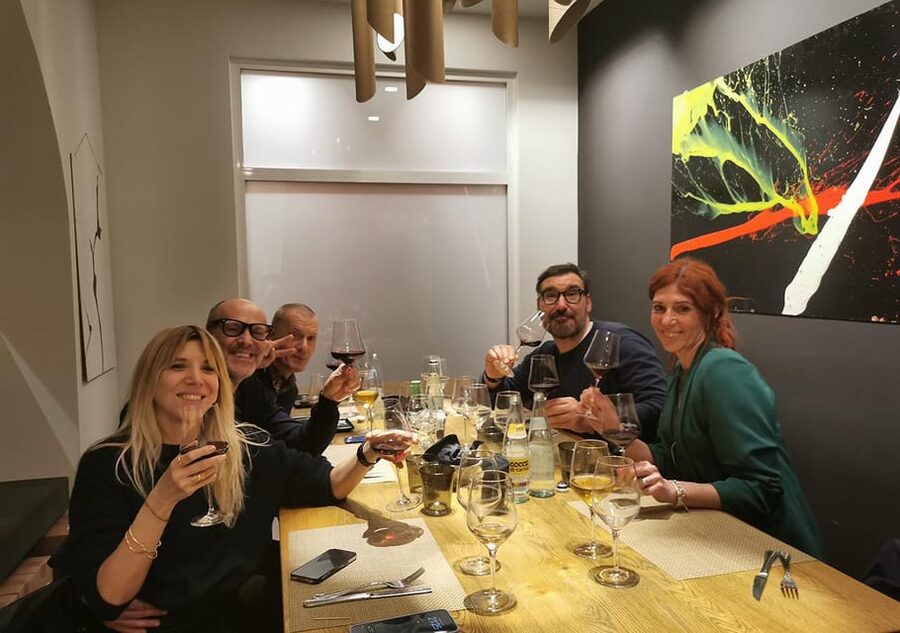
The host is Riccardo, also called Ricky in some booking details. He is the owner or guide associated with the enoteca, and his presentation is a major part of the experience.
You should expect more than a list of grape names. Riccardo explains wine production, the origins of the bottles, and the history of the surrounding territory. He also knows Trieste and wines from other parts of the world, which can help if you want to place these local styles in a wider context.
The digital support is useful here. More information and photographs are available during the tasting, so you are not relying only on spoken explanations. That can help you remember producer names and regions after the hour ends.
The language options are English and Italian. If you speak neither, this is not the right booking, since those are the listed languages. The host’s friendly style is a plus for people who feel unsure about wine tasting. You do not need advanced wine vocabulary to take part. Ask what you smell, what the food changes, and how the wine is made.
The private format also matters. With a maximum of 10 people, you have a better chance to ask questions than at a large commercial tasting. For two people, it can feel especially personal. The small group does not guarantee a long conversation, since the activity lasts only an hour, but it keeps the setting manageable.
How much value do you get for $41?
At $41 per person, this is not the cheapest way to drink wine in Trieste. You could buy a bottle or two at an enoteca for less than the cost of a guided experience. The value comes from the selection, pairings, and explanation.
You receive three named regional wines, three food matches, a private one-hour setting, and guidance from someone who can discuss both the bottles and the region. The food is not a full meal, so do not book this as a substitute for dinner. Think of it as a structured aperitivo with a strong educational side.
The 10 percent shop discount improves the value if you want to take a bottle home. This is particularly useful because the tasting gives you a chance to try before buying. You can ask about the producer, serving style, and food match while the bottle is in front of you.
I see the price as fair for a short, central activity, especially if you are arriving by train or ship and do not have time for a day trip into the countryside. It is less compelling if you want a full meal, a vineyard visit, or several hours of formal wine instruction.
Who should book, and who should skip it?
I would recommend this for adults who want a quick introduction to the wine culture around Trieste without renting a car or leaving the city. It suits couples, small groups, solo visitors who are comfortable joining a private booking, and cruise passengers with time near the terminal.
It is also a good fit if food matters as much as wine. The pairings are specific to the region, not just crackers and generic cheese. I especially like the progression from olive oil and salt to smoked ham and then anchovies. Each bite gives the next wine a clear local setting.
You should skip it if you are pregnant, under 18, or have food allergies. The activity is specifically listed as unsuitable for people with food allergies, even though one booking account describes a last-minute accommodation. Do not rely on that exception. Contact the provider in advance if you have any dietary concern, and understand that the official guidance does not recommend booking with food allergies.
You might also skip it if you dislike sparkling wines, red wine, or white wine, since the three-pour structure covers all of them. The tasting is designed around variety, not around one favorite style.
Timing, cancellation, and small practical details
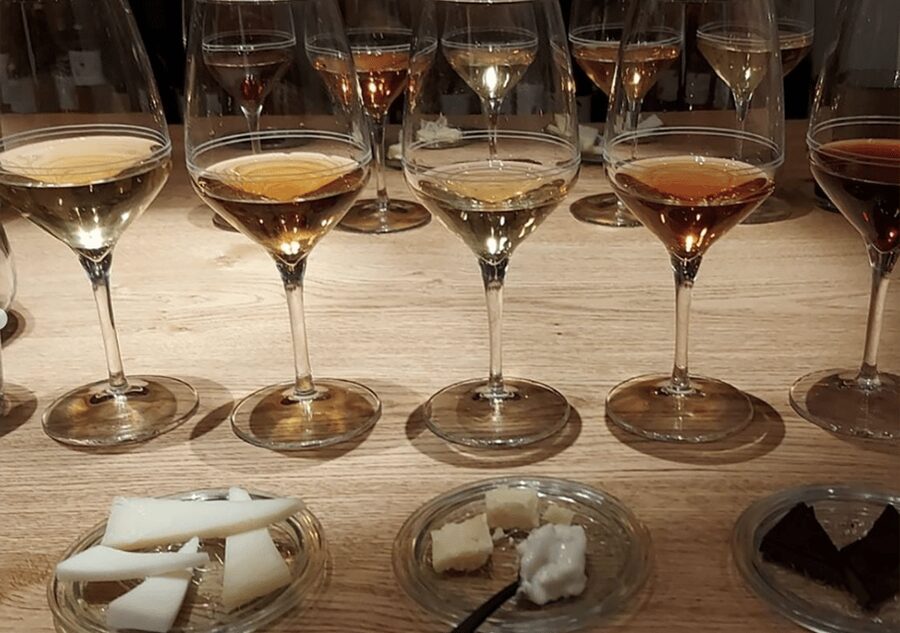
The activity lasts one hour, with starting times based on availability. That makes it easy to fit before dinner, between city sightseeing and an evening train, or into a cruise stop. Still, do not schedule it so tightly that a delayed train or slow walk across town could cause trouble.
You can cancel up to 24 hours in advance for a full refund. The reserve-now-and-pay-later option also keeps your plans flexible, since you do not pay at the time of booking. These policies are useful in Trieste, where train and cruise schedules can affect a short visit.
Water is not included. I would plan to buy or bring water separately, especially if you are tasting in warm weather or have more sightseeing afterward. The food portions are pairings rather than lunch, so plan another meal if you are hungry.
The tasting is private, but the listed group size runs from a minimum of two people to a maximum of 10. If you are traveling alone, check availability before assuming you can book. The published minimum is two participants.
Should you book this Trieste wine tasting?
Book it if you want a compact, well-explained taste of the Italy-Croatia-Slovenia border region and you value local food pairings more than a vineyard setting. The central address, air-conditioned room, small group, and 10 percent shop discount make it particularly practical for a short Trieste stay.
I would be less keen if you want a full meal, a countryside excursion, or a long technical class. For most adult visitors with one free hour, though, the combination of Ribolla Gialla pet-nat, Karst Terrano, Istrian Malvazjia, and carefully matched bites offers a useful introduction to a complicated corner of Europe.
The perfect booking is two to four adults who enjoy asking questions and may want to buy a bottle afterward. If that sounds like your Trieste style, Enoteca Giovinoto is a sensible choice.
FAQ
Where does the wine tasting take place?
It takes place at the main entrance of Giovinoto Wine Shop, Via Trento 9, in Trieste.
How long does the experience last?
The tasting lasts one hour.
Which wines are included?
The listed tasting includes Ribolla Gialla pet-nat from Azienda Agricola San Lurins, Terrano from Azienda Agricola Kante, and Malvazjia from Meneghetti Wine.
What food is served with the wine?
The pairings are bruschetta with organic Istrian olive oil, Pirano salt, and Karst spices; hand-sliced smoked raw ham from D’Osvaldo Prosciutti; and Adriatic anchovies with a buttered grissino.
Is water included?
No. Water is not included in the experience.
What languages are available?
The host or greeter speaks English and Italian.
Who cannot take part?
The experience is not suitable for pregnant women, children under 18, or people with food allergies.
Just added around Trieste
- Private Transfer from Trieste to Venice Airport / Venice City★ 4.5 · 28 reviews
- Private Transfer Trieste Port to Venice Marco Polo Airport / City★ 4.5 · 29 reviews
- Postojna Cave & Predjama Castle – Private & Relaxed Experience★ 4.5 · 35 reviews
- Miramare Castle Entrance Ticket in Trieste★ 3.5 · 37 reviews
- Postojna Cave & Predjama Castle – Small Group Tour from Trieste★ 4.5 · 37 reviews
- Small group Pasta and Tiramisu class with Mamma in Trieste★ 4.5 · 38 reviews
- Trieste: Private guided tour of Trieste★ 5.0 · 48 reviews
- Trieste: digital audioguide made with a local for your tour★ 4.2 · 49 reviews
Wine Tours, compared.
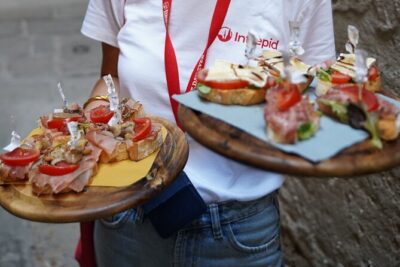
Venice Like a Local: Food, Wine & Spritz Tour with Traghetto Ride
Read our review →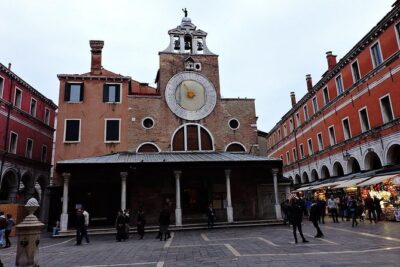
Eat, Drink and Repeat: Wine and Food Tasting Tour in Venice
Read our review →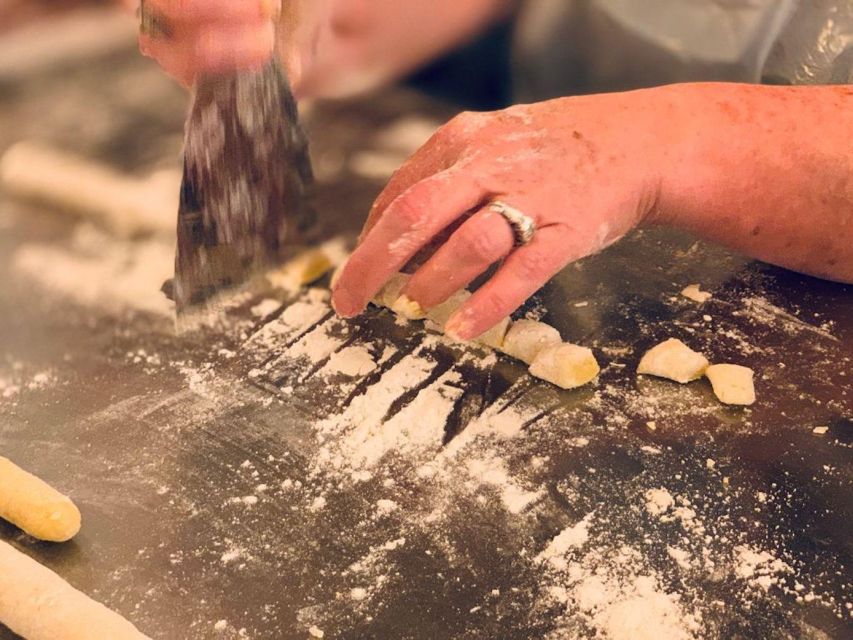
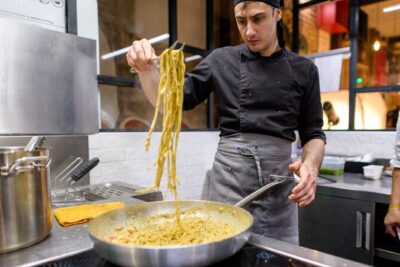
Pasta and Tiramisu Cooking Class with Wine in Venice
Read our review →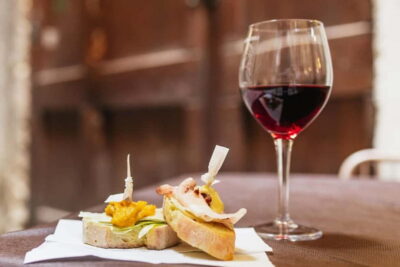
Food Tasting Tour with Cicchetti Dishes and Wine
Read our review →
Sunset Walking Tour with Food and Wine Tastings
Read our review →Pasta and Tiramisu Cooking Class with Fine Wine
Read our review →
Browse the lists this tour appears in