
Reviewed · HISTORICAL TOURS
Venice Historic Walk: the city, its architecture and traditions
Venice makes more sense when you leave the Grand Canal behind. This private morning walk through Dorsoduro takes you past quiet squares, a working gondola boatyard, old religious buildings, canals, and the grand waterfront of the Zattere. Nicoló and Aleksandra focus on how Venice was built and how people still use it, not just on the postcard views.
I like two things here. First, the route gives you a look at squero life, where gondolas are built and repaired. Second, it links architecture with daily customs, from Venetian squares and palazzi to aperitivo and Carnival. The main thing to consider is cost: at $75.24 per person, this makes the most sense if you value a private guide and a more personal route. Church and palace entry tickets, alcoholic drinks, and Venice’s possible €5 access fee are extra.
In This Review
- Key details that shape the walk
- Why Dorsoduro is the right place to learn Venice
- Campo Santa Margherita and the Venetian square
- Scuola Grande dei Carmini and the role of confraternities
- Squero Domenico Tramontin e Figli, where gondolas are maintained
- Osteria Al Squero and the Venetian aperitivo
- Fondamenta Zattere and Venice’s working waterfront
- Campo Sant’Agnese and the logic of Venetian urbanism
- Punta della Dogana and the merchants of Venice
- Santa Maria della Salute, Palladio, and Venetian Baroque
- Ponte de la Toletta and the Carnival tradition
- Giardini di Ca’ Rezzonico and the Venetian palazzo
- What $75.24 buys you
- Who should book this Dorsoduro walk
- My call: a strong choice for curious first-time visitors
- FAQ
- Where does the Venice Historic Walk begin?
- What time does the tour start?
- Where does the walk end?
- How long does the experience last?
- Is this a private tour?
- Who guides the walk?
- What is included in the price?
- Are drinks included?
- Are church and palace admission tickets included?
- Does the experience require good weather?
- Can I cancel for a refund?
Key details that shape the walk
- Dorsoduro at 9 a.m.: Begin in Campo Santa Margherita, a useful introduction to a quieter side of Venice.
- A real squero: Learn how gondola boatyards work at Squero Domenico Tramontin e Figli.
- Local customs, not just monuments: The route covers aperitivo, Carnival, Venetian squares, palazzi, and everyday city life.
- Waterfront variety: Walk from the canals of the Zattere to Punta della Dogana and the Basilica of Santa Maria della Salute.
- Private format: Only your group takes part, so the pace and questions can be more personal.
- About two and a half hours: The walk ends at Campo San Barnaba, with no return transport included.
Why Dorsoduro is the right place to learn Venice
Dorsoduro gives you a useful middle ground. It has major sights, including Santa Maria della Salute, but it also has small lanes and local gathering places that are easy to miss when you follow Venice’s busiest routes.
I like the way this walk treats Venice as a city with working parts, not an outdoor museum. You hear about urban planning, building methods, religious institutions, trade, art, and social traditions. Those subjects help explain why Venice looks the way it does and why its streets, bridges, and canals follow such unusual patterns.
The early start matters. At 9 a.m., the route begins before the day reaches its busiest rhythm. The walk is not described as strenuous, but you should expect to be on foot for roughly 150 minutes, moving through squares, backstreets, waterfront paths, and bridges. Comfortable shoes are a sensible choice.
More History Tours in Venice
- Venice’s Best: Basilica, Doge’s Palace, Gondola & History Gallery
★ 4.5 · 2,478 reviews - Venice: City Center Historical Guided Walking Tour
★ 4.2 · 1,873 reviews - Venice: Bell Tower & St Mark’s Square History Gallery Ticket
★ 4.3 · 910 reviews
Campo Santa Margherita and the Venetian square
Your first stop is Campo Santa Margherita, where you spend about 10 minutes learning what Venetian squares mean. In Venice, a campo is more than an open space between buildings. It can serve as a meeting place, a market setting, a route junction, and part of the social life of a neighborhood.
This is a good opening because it gives you a framework for the rest of the walk. Instead of seeing each square as a pretty pause between sights, you begin to notice how public space helps organize Venetian life.
There is no admission charge here, and the stop is outdoors. I would use this moment to ask how a campo differs from a smaller calle or courtyard, and how residents use these spaces today. The supplied description promises an explanation of Venice’s urban character, and this is where that subject begins.
Scuola Grande dei Carmini and the role of confraternities
Next comes Scuola Grande dei Carmini, with about 10 minutes devoted to the meaning of a scuola grande. The term can confuse first-time visitors. It does not simply mean a school in the modern sense. Here, the focus is on the historic role of these Venetian institutions and their place in the city’s civic and religious life.
The stop adds social context to the architecture. Venice was shaped not only by rulers and wealthy merchants, but also by organizations that supported religious, charitable, and communal activity. Understanding that gives you a better way to read the city’s grand buildings.
Admission is listed as free for the stop, but tickets inside churches and palaces are not included in the tour price. Ask the guide exactly what you will see from outside and whether any interior visit is planned. That distinction matters if you want to budget for more than the walk itself.
Squero Domenico Tramontin e Figli, where gondolas are maintained
The squero is one of the most distinctive parts of this experience. At Squero Domenico Tramontin e Figli, you spend about 10 minutes learning what a squero is and why it matters.
A squero is a gondola boatyard. That single word opens up a side of Venice that many sightseeing routes skip. Gondolas are not simply decorative boats for visitors. They need skilled construction and regular repair, and the boatyard connects the city’s famous water traditions with hands-on work.
The stop is especially valuable because it makes Venice’s boating culture easier to understand. You are not only looking at a gondola on a canal. You are learning about the place where this type of boat is built or cared for.
The time here is short, so I would not expect a long technical demonstration or a full workshop visit. The description promises an explanation of the squero rather than entry into a working facility. Still, this is one of the route’s most unusual subjects and a strong reason to choose this walk over a standard monument tour.
More Walking Tours in Venice
- Venice Walking Tour and Gondola Ride
★ 3.5 · 3,630 reviews - Venice: Rialto Bridge & Offbeat Unusual Venice Walking Tour
★ 4.2 · 3,538 reviews - Private 3 hrs Venice Tour: St Mark’s, Walking tour & Boat tour
★ 4.0 · 3,372 reviews - Venice: Walking Guided Tour of the City Must-See Sites
★ 4.7 · 1,095 reviews
Osteria Al Squero and the Venetian aperitivo
The route then pauses for about 15 minutes at Osteria Al Squero to discuss Venetian aperitivo. This is a cultural stop, not a meal included in the price. Alcoholic beverages are specifically excluded, so you should plan to pay separately if you want a drink.
That small detail is useful. Aperitivo is best understood as a social habit, not simply a chance to order alcohol. It helps explain how people meet, pause, and spend time together in the city. The stop gives you a taste of local routine without taking up a large portion of the morning.
You may want to ask whether a nonalcoholic option is available if you do not drink. The supplied details confirm that alcohol is not included, but they do not promise a specific snack, beverage, or tasting. Treat this as an optional cultural pause rather than a food tour.
Fondamenta Zattere and Venice’s working waterfront
At Fondamenta Zattere, the walk turns toward Venice’s waterfront and canals. The stop lasts about 15 minutes and focuses on the Venetian port and the role of the water.
This is where the city’s geography becomes especially clear. Venice depends on water for movement, trade, views, and identity. A waterfront stop helps connect the earlier discussion of boatyards with the larger network of canals and port activity.
The Zattere also offers a change of pace. After the narrow lanes and smaller squares of Dorsoduro, the open edge of the city gives you room to look across the water and understand Venice as a settlement shaped by its lagoon setting.
I like this part because it keeps the tour from becoming a parade of buildings. You get a lesson in how the city functions. The route is still firmly historical, but it pays attention to transport and trade as well as art and architecture.
Campo Sant’Agnese and the logic of Venetian urbanism
Campo Sant’Agnese is the setting for about 15 minutes on Venetian urbanism. This is one of the more useful stops for anyone who wants to understand why getting around Venice can feel confusing.
The guide explains how the city developed, how buildings relate to canals and paths, and how public spaces fit together. Venice was not laid out like a modern grid, so its urban structure rewards explanation. A local perspective can help you notice patterns that are easy to miss when you are simply trying to find the next bridge.
This section may appeal most to visitors who enjoy architecture and city planning. It is less about a single famous object and more about reading the whole neighborhood. I would pay close attention to the relationship between the campo, nearby streets, waterways, and building fronts.
Punta della Dogana and the merchants of Venice
At Punta della Dogana, you spend about 15 minutes looking at the old Custom House and the world of Venetian merchants. This stop broadens the story from neighborhood life to commerce.
The customhouse location points to Venice’s long connection with goods arriving by water. The guide uses this setting to explain trade and the movement of merchants through the city. It is a practical reminder that Venice grew through business as well as beauty.
Admission is not included here, and tickets inside churches and palaces are also excluded from the overall price. The information supplied does not specify an interior visit at Punta della Dogana, so confirm the plan if entering a building is important to you.
The outdoor setting is still worthwhile. From this point, you can see how the city’s edge, waterways, and monumental architecture work together. It is another place where the walk connects physical space with Venetian history.
Santa Maria della Salute, Palladio, and Venetian Baroque
The Basilica di Santa Maria della Salute receives about 15 minutes of attention. The subjects here include Palladio, Venetian Baroque, and life traditions.
This is one of the route’s major architectural moments. The basilica gives the guide a chance to explain style, design, and the way religious buildings shaped Venetian identity. The reference to Palladio and Venetian Baroque suggests that the discussion will go beyond naming the building and will place it within the city’s wider architectural story.
The stop also includes traditions, which keeps the focus from becoming a technical art lecture. Venice’s churches are tied to public life and local customs, not just to façades and paintings.
Tickets inside churches are not included. If the route only discusses the basilica from outside, you may see the building without an added charge. If you want to enter, set aside money for admission when applicable and ask Nicoló or Aleksandra how the visit is handled on your date.
Ponte de la Toletta and the Carnival tradition
Ponte de la Toletta is the next stop, with about 15 minutes on Venetian Carnival. This is a nice reminder that the city’s traditions are not limited to religious ceremonies or boating.
Carnival gives you a way to think about costume, public celebration, and the changing identity of Venice. The bridge itself also fits the theme of movement through the city. Bridges are not just scenic photo spots here. They connect neighborhoods and shape how people cross the water.
The stop is free and outdoors. I would expect a focused explanation rather than a Carnival performance. That makes it useful for context, especially if you want to understand why masks and seasonal customs became such strong symbols of Venice.
Giardini di Ca’ Rezzonico and the Venetian palazzo
The final listed stop is the Giardini di Ca’ Rezzonico, where about 10 minutes are spent discussing the Venetian palazzo. A palazzo is more than an impressive residence. It reflects status, family life, commerce, and the way wealthy households presented themselves along the water.
This closing subject brings the architecture lessons together. Earlier stops cover squares, confraternities, boatyards, canals, customs, and churches. The palazzo adds the private and elite side of Venetian life.
The walk ends at Campo San Barnaba. That makes the finish practical if you want to continue exploring Dorsoduro on your own, but you should not expect transport back to your hotel. The supplied information does not include a return transfer.
What $75.24 buys you
The price is $75.24 per person. That is not the cheapest way to spend two and a half hours in Venice, but this is a private activity, and only your group participates. For a couple, family, or small party that wants to ask questions and avoid a large crowd, that privacy can make the price reasonable.
You are paying for a guide and a carefully connected route through Dorsoduro. You are not paying for food, alcoholic drinks, church or palace tickets, or transportation after the walk. I would compare the cost with what you want from the morning: if you only need a quick orientation, a free self-guided stroll may be enough. If you want local interpretation and a closer look at Venice’s traditions, this offers more value.
The route also has a responsible-travel angle. Nicoló and Aleksandra present the city through local life, knowledge sharing, and respect for Venice rather than treating it only as a backdrop. That approach will appeal to you if you prefer a smaller-scale experience with attention to the city’s identity.
Who should book this Dorsoduro walk
I would recommend it to you if you:
- Want a private tour rather than a large group outing
- Care about Venice’s architecture, urban planning, and traditions
- Prefer backstreets and neighborhood life to a list of only famous monuments
- Want to see a gondola boatyard and learn the meaning of words such as squero and palazzo
- Enjoy asking questions and hearing how local people use the city
- Can manage a 2.5-hour walking route
It may be less suitable if you want long interior visits, a food tasting, or a gondola ride. The route includes important buildings, but interior tickets are not included, and the aperitivo stop does not include alcoholic drinks.
The experience requires good weather. If poor weather cancels the walk, you are offered another date or a full refund. It also requires a minimum number of participants, despite being private for your group, so cancellation for that reason brings the same choice of another date, another experience, or a refund.
If you are visiting Venice for the day from outside the city, check the official access-fee rules before arrival. On certain dates, a €5 fee may apply, with exemptions in some cases. The tour information directs you to cda.ve.it for current dates and details.
My call: a strong choice for curious first-time visitors
I would book this walk if I wanted Venice explained by people who live there, especially on a first morning in the city. The combination of Dorsoduro lanes, a squero, the Zattere waterfront, Santa Maria della Salute, and local traditions gives you more than a basic sightseeing circuit.
The strongest reasons to choose it are the private format, the early start, and the attention to how Venice works. The main limits are the price and the lack of included admissions or refreshments. Choose it for context, conversation, and a local view of Dorsoduro. Skip it if your priority is a cheap walk, extensive church interiors, or a classic gondola outing.
FAQ
Where does the Venice Historic Walk begin?
The walk begins at Campo Santa Margherita, 30123 Venezia VE, Italy.
What time does the tour start?
The stated start time is 9:00 a.m.
Where does the walk end?
The experience ends at Campo San Barnaba, 30123 Venezia VE, Italy.
How long does the experience last?
The walk lasts approximately 2 hours and 30 minutes.
Is this a private tour?
Yes. Only your group participates in the activity.
Who guides the walk?
The local guides are Nicoló and Aleksandra.
What is included in the price?
A guide is included.
Are drinks included?
No. Alcoholic beverages are not included. The aperitivo stop at Osteria Al Squero is listed as part of the route, but any alcoholic drink would be extra.
Are church and palace admission tickets included?
No. Tickets inside churches and palaces are not included.
Does the experience require good weather?
Yes. If poor weather causes cancellation, you are offered a different date or a full refund.
Can I cancel for a refund?
The experience is non-refundable and cannot be changed for any reason. A refund is offered if the provider cancels because of poor weather or because the minimum number of participants is not met.
More Historical Tours in Venice
- Verona: History and Hidden Gems Guided Walking Tour
★ 5.0 · 1,379 reviews - Basilica, Doge’s Palace, History Gallery & Bell Tower Option
★ 5.0 · 586 reviews - Venice: Natural History Museum Entry Ticket
★ 4.7 · 312 reviews - St. Mark’s Cathedral Priority Guided Tour & History Gallery
★ 3.5 · 148 reviews
Just added around Venice
- Padua: Private Pasta-Making Class at a Local’s Home★ 5.0 · 3 reviews
- Padua City Sightseeing Walking Tour of Must-See-Sites with Local Guide★ 5.0 · 3 reviews
- Gondola Ride and St Mark’s Basilica★ 4.5 · 3 reviews
- Venice: Market Tour and Meal at a Local’s Home★ 4.3 · 3 reviews
- VIRTUAL MUSEUM: Creature di Gomma – Venice Vintage Toys★ 4.7 · 3 reviews
- 3 Hour Shared Walking and Aperitivo Tour of Verona★ 5.0 · 3 reviews
- Venice: The Best of Dolomites 3Cime and Refuges with Drone★ 5.0 · 3 reviews
- Verona: Blindfolded Wine Tasting★ 5.0 · 3 reviews
Historical Tours, compared.
Venice’s Best: Basilica, Doge’s Palace, Gondola & History Gallery
Read our review →
Bell Tower & St Mark’s Square History Gallery Ticket
Read our review →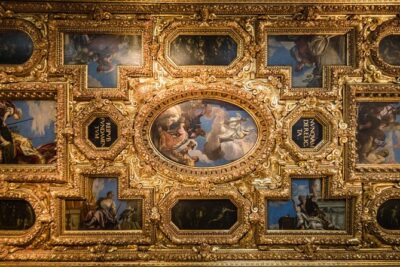
Basilica, Doge’s Palace, History Gallery & Bell Tower Option
Read our review →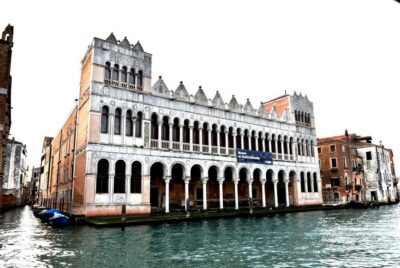
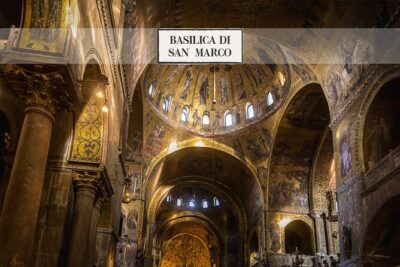
St. Mark’s Cathedral Priority Guided Tour & History Gallery
Read our review →
Browse the lists this tour appears in