
Reviewed · MUSEUMS
Venice: Natural History Museum Entry Ticket
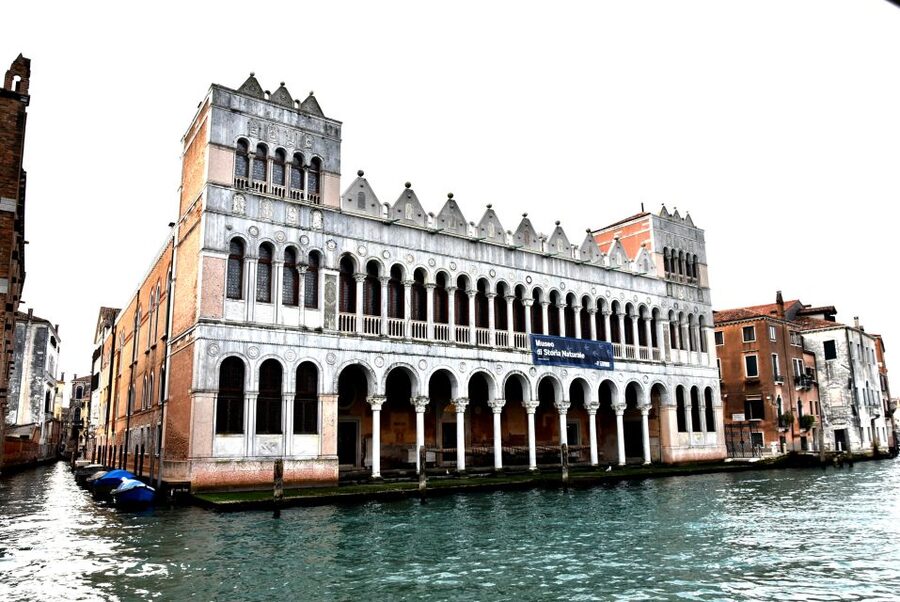
Venice’s Natural History Museum offers something unusual in a city known for paintings and palaces: dinosaurs, fossils, taxidermy, and prehistoric crocodiles inside a 13th-century building beside the Grand Canal. The star displays include a seven-meter Ouranosaurus nigeriensis skeleton and the skull of Sarchosuchus imperator, an enormous ancient crocodile found in Africa.
I like the museum’s calm setting and its wide range. You can admire the palazzo, look into the garden and courtyard, then move from fossils to whales, plants, animals, ethnographic objects, and old scientific collections. The $11 admission is especially fair for families and for a hot or rainy afternoon.
The main drawback is that much of the information may not be in English. This is a self-guided visit, and the museum also includes plenty of traditional taxidermy. That will fascinate some children and unsettle others, so parents should plan accordingly.
In This Review
- Key points to know before you go
- A Natural History Museum on the Grand Canal
- Start with the fossils and prehistoric giants
- From dinosaurs to whales, birds, and taxidermy
- A collection built for curiosity
- How much time should you allow?
- The library, courtyard, and quieter side of Venice
- Price, tickets, and practical value
- Language and self-guided touring
- Who will enjoy this museum most?
- Should you book the Natural History Museum?
- FAQ
- Where is Venice’s Natural History Museum?
- How much does admission cost?
- How long is the ticket valid?
- Is the museum open every day?
- What are the listed opening hours?
- Is the museum suitable for children?
- Is the museum wheelchair accessible?
- Are a guide and transportation included?
Key points to know before you go
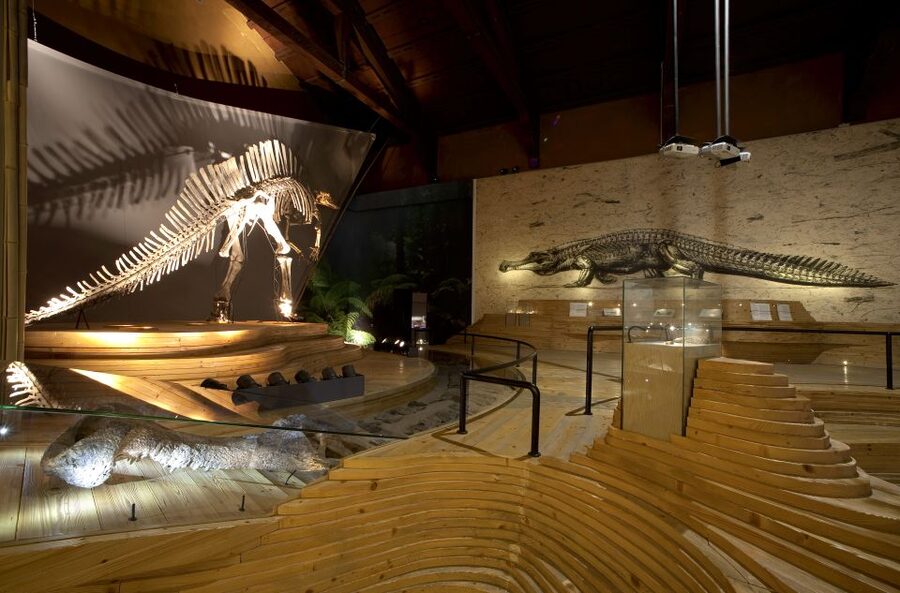
- See two remarkable prehistoric creatures: The seven-meter Ouranosaurus and Sarchosuchus imperator skull are the museum’s biggest crowd-pleasers.
- Enter a Grand Canal palazzo: The building itself is part of the visit, with attractive architecture, a courtyard, garden, and canal views.
- Plan for 40 minutes to several hours: You can make a quick family stop, but the large collection rewards a slower visit.
- Expect an old-school natural history display: Taxidermy, specimen rooms, fossils, and themed galleries share space with newer presentation styles.
- Bring patience with languages: English explanations may be limited, though an English voice guide has been reported as an extra-cost option.
- Use it as a quiet break: The museum sits in a less crowded part of Venice and gives you shelter from heat, rain, and busy streets.
A Natural History Museum on the Grand Canal
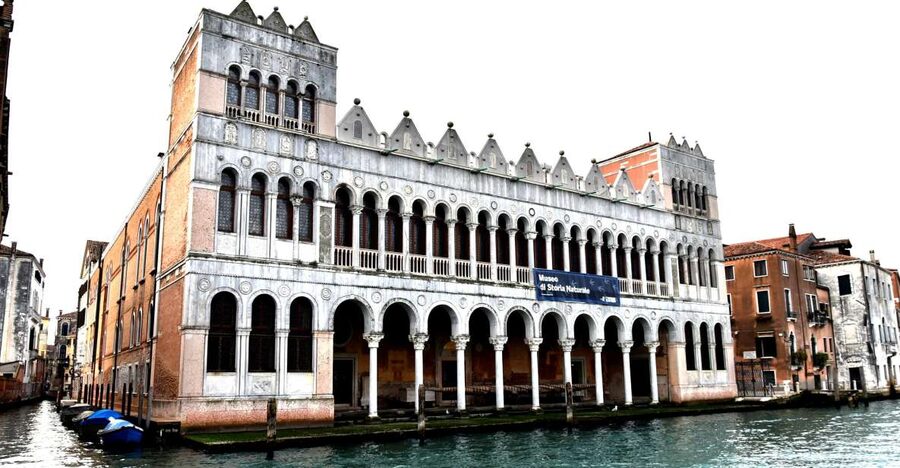
The museum is located directly on the Grand Canal, so you do not need to make a special trip to an outlying part of Venice. You simply walk to the main entrance, show your ticket, and begin exploring. Its location makes it easy to combine with a day of wandering through the city.
I like that the first impression is not just a museum entrance. You are approaching a historic Venetian building with an elegant canal-side facade. Take a moment outside before going in. The architecture gives the visit a sense of place, and the interior courtyards, garden, and terrace add welcome breathing room.
The museum is housed in a 13th-century building, but the displays cover subjects reaching far beyond Venice. You move through the story of life on Earth, with rooms devoted to fossils, zoology, plants, ethnographic material, and scientific collections.
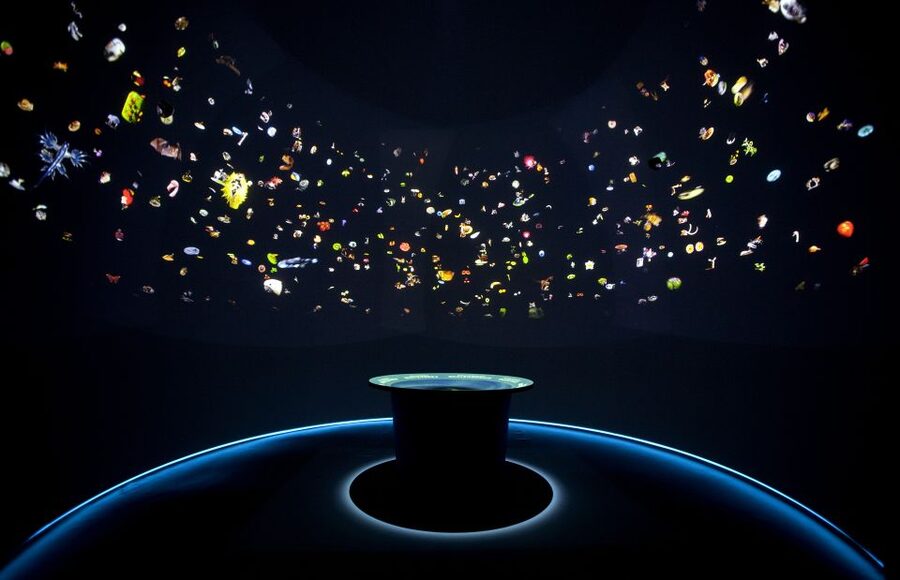
The scale is impressive. Around two million historical objects belong to the museum’s collection, though only a portion can be on display at one time. That number matters because this is not a small room of curiosities that you can finish in ten minutes. Even if you focus only on the most famous specimens, there is plenty to see around them.
More History Tours in Venice
- Venice’s Best: Basilica, Doge’s Palace, Gondola & History Gallery
★ 4.5 · 2,478 reviews - Venice: City Center Historical Guided Walking Tour
★ 4.2 · 1,873 reviews - Venice: Bell Tower & St Mark’s Square History Gallery Ticket
★ 4.3 · 910 reviews
Start with the fossils and prehistoric giants
The dinosaur and fossil section is the clearest reason to visit, especially if you are coming with children or teenagers. The Ouranosaurus nigeriensis skeleton is more than seven meters long, making it hard to miss. Its size gives young visitors an immediate sense of scale that a picture in a book cannot match.
Nearby, the skull of Sarchosuchus imperator offers a different kind of drama. This prehistoric crocodile was discovered in Africa, and the skull shows just how large and formidable ancient reptiles could become. I would give this section plenty of time rather than rushing straight through to the animal rooms.
The fossil displays are presented in a more modern style than some of the older galleries. The contrast works well. Ancient material is easier to understand when it is placed in clear, themed spaces rather than scattered across glass cases.
You may also find remnants connected with prehistoric animals and displays tracing the ages of humans and early life. One useful approach is to begin with the timeline material, then return to individual fossils and skeletons. This helps you understand where each object fits instead of seeing the collection as one long series of unrelated specimens.
If your children are impatient, head upstairs first. The dinosaur and prehistoric crocodile displays are among the most popular parts of the museum, and they give the visit a strong beginning.
From dinosaurs to whales, birds, and taxidermy
After the fossils, the museum shifts toward more traditional natural history. You will see zoological specimens, animals, plants, and ethnographic collections arranged through a series of rooms. Some displays feel atmospheric, with themed decoration and music, while others have the classic look of an older museum.
That mix is part of the museum’s character, but it will not suit everyone. I enjoy seeing how natural history museums have changed over time. You may prefer the newer fossil galleries and find the older rooms less polished.
Taxidermy is a significant part of the experience. Families should know this before arriving. Some children find the animals fascinating, while younger children may be frightened by them. There is also a trophy room that some adults may find uncomfortable because of its presentation.
The whale display offers a more reflective moment. A whale skeleton communicates the animal’s scale in a powerful way, and the material about the dangers whales face gives the collection a present-day purpose. The museum is not only asking you to look at specimens from the past. It also encourages you to think about the pressures facing animals now.
I would not skip the zoological rooms simply because you came for the dinosaurs. The change from prehistoric skeletons to full-sized animal specimens helps you compare different forms of life and see how the museum connects evolution, biology, and conservation.
A collection built for curiosity
One of the museum’s pleasures is the cabinet of curiosity room. It recalls the days when collectors assembled unusual objects from distant places and tried to make sense of the natural world through specimens. The display has an old-fashioned appeal, but it also raises good questions about collecting, science, and the way people once organized knowledge.
The museum’s roughly two million objects include historical material, zoological specimens, fossils, and ethnographic items. You will not see everything in one visit, and you should not try. Pick the rooms that interest you most, then allow time to pause at displays that catch your attention.
Some objects can be touched, according to the museum experience described by visitors. That small detail can make a difference for children, who often understand a subject better when they are not asked to keep their hands behind their backs for the entire visit.
The collection is also a reminder that natural history is not only about spectacular skeletons. Plants, animal specimens, human cultures, and scientific instruments all form part of the wider story. The museum gives you a chance to move between those subjects at your own speed.
More museums in Venice:
- Venice: Leonardo Da Vinci Museum Entrance Ticket
★ 4.5 · 3,560 reviews - Venice: Vivaldi’s Four Seasons Concert & Music Museum Visit
★ 4.8 · 2,065 reviews - Charming Gondola Ride on the Grand Canal & Gondola Gallery™
★ 4.0 · 1,313 reviews - Venice Museum Pass & Doge’s Palace Entrance Ticket
★ 3.9 · 769 reviews
How much time should you allow?
The stated ticket is valid for one day, but most people will not need a full day inside. I would set aside at least 40 to 60 minutes for a focused visit with children, especially if you concentrate on the dinosaurs and fossils.
If you want to read displays, see the zoological and ethnographic rooms, enjoy the architecture, and visit the library area, allow several hours. One visitor found that the museum required more time than expected, which is easy to understand given the number of rooms and objects.
The self-guided format lets you adjust the pace. You can move quickly through rooms that do not interest you and linger in the fossil galleries, cabinet of curiosity room, or whale display. There is no guide setting a fixed route and no group waiting for you.
That freedom is valuable in Venice. You might arrive tired after walking all morning, or you might need a quiet indoor stop during a sudden shower. The museum works for both a short rest and a longer cultural visit.
The library, courtyard, and quieter side of Venice
The museum library contains more than 40,000 books. You may not be able to explore it like a public reading room, but its collection gives the institution a sense of serious scientific purpose. It is a useful reminder that museums are not only display halls. They also preserve research material for study.
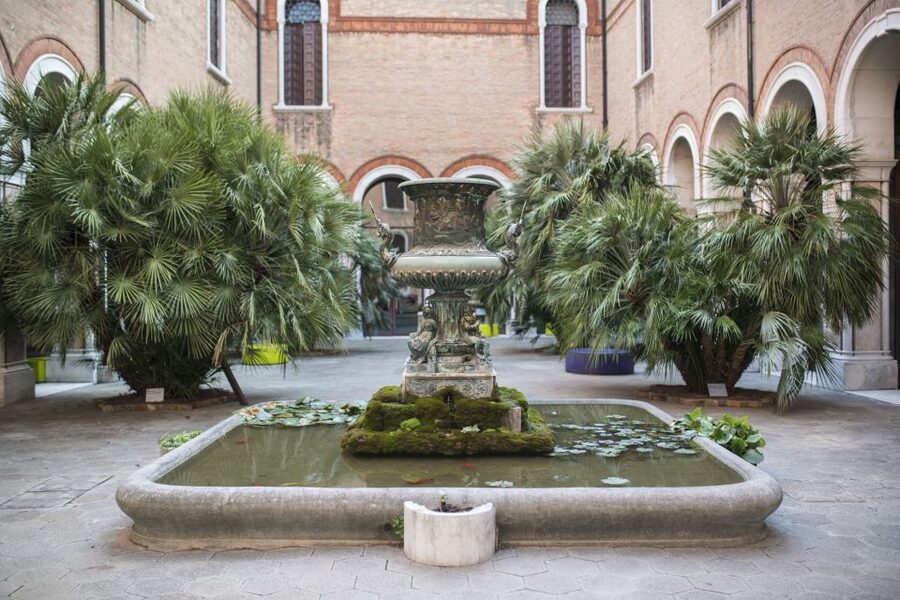
The interior courtyard and garden provide a pleasant change after the galleries. A terrace has also been praised as part of the building’s appeal. Conditions in individual rooms can change, so do not plan your whole visit around one particular gallery or outdoor area, but do take the opportunity to enjoy the quieter spaces if they are open.
This calmer atmosphere is one of the museum’s best qualities. Venice can feel crowded and noisy, especially around the main sights. Here, you can slow down, look carefully, and take a break without giving up a worthwhile cultural stop.
The Grand Canal setting adds another layer. After seeing ancient bones and animal specimens, you can step outside and watch Venice’s living waterway. That contrast, between Earth’s distant past and the city’s daily movement, makes the museum feel tied to its surroundings rather than dropped into them.
Price, tickets, and practical value
Admission costs $11 per person. For Venice, that is a reasonable price for an indoor activity that can suit adults, older children, and teenagers. A family can spend an hour or two here without paying for a full guided tour or committing to a fixed schedule.
The ticket includes museum admission only. Hotel pickup, drop-off, and a guide are not included, so you must reach the Grand Canal entrance yourself and explore independently.
The museum is wheelchair accessible. Children under five, Venetian citizens and residents, and disabled people receive free admission under the stated rules. Check the current Civic Museums of Venice website before your visit because opening times and access arrangements can change.
The museum is closed on Mondays. Until May 31, the listed hours are 9 a.m. to 5 p.m., with final admission at 4 p.m. From June 1, it is listed as open from 10 a.m. to 6 p.m., with final admission at 5 p.m.
The ticket is non-refundable, so check your plans before booking. Also note that on certain dates from April 18, 2025, through July 27, 2025, Venice required visitors to pay a separate City Access Fee unless exempt. That fee is not part of this museum admission.
Language and self-guided touring
You should not expect a traditional guided tour. The experience is self-paced, and the information available in English may be limited. One visitor specifically wished for more English explanations, while another recommended an English voice guide costing $10.
Because guide availability and language options can change, check the museum’s current information before relying on the voice guide. A translation app may also help if you want to read every label.
I see the lack of English as the main practical weakness for international visitors. You can still understand the large fossils, skeletons, and animals without extensive reading, but the scientific background is more rewarding when you know what you are looking at.
The independent format also has a positive side. You can spend five minutes with the Ouranosaurus, skip a room of little interest, or take a quiet pause in the courtyard. For families, this is often easier than following a guide through a strict itinerary.
Who will enjoy this museum most?
I would recommend it most strongly to families with school-age children and teenagers, particularly on a hot or rainy day. The dinosaur skeleton, crocodile skull, touchable objects, and large animal displays give children plenty to look at, while the building and scientific collections keep the visit worthwhile for adults.
It also suits adults who enjoy fossils, evolution, zoology, or old-style museums. You should come with an open mind about presentation. Some galleries feel modern and carefully arranged, while others retain the atmosphere of a traditional specimen museum.
It may be less suitable if you want a polished, fully English-language museum experience with a guide explaining every room. You may also want to skip it if taxidermy makes you uncomfortable.
For most people, the museum works best as a flexible addition to a day in Venice. You do not need to build an entire day around it, but you should avoid squeezing it into a rushed 20-minute gap.
Should you book the Natural History Museum?
I would book this ticket if you want a reasonably priced indoor activity with genuine variety. The Ouranosaurus, Sarchosuchus skull, whale skeleton, and fossil rooms give the visit memorable highlights, while the palazzo, garden, courtyard, and Grand Canal views make it more than a standard collection of cases.
I would be more cautious if you need extensive English interpretation or dislike taxidermy. For everyone else, especially families and museum fans, $11 buys a calm and flexible stop with enough material for a quick visit or several hours of careful looking.
FAQ
Where is Venice’s Natural History Museum?
The museum is on the edge of the Grand Canal in Venice. Go to the main entrance and show your ticket when you arrive.
How much does admission cost?
Admission is listed at $11 per person.
How long is the ticket valid?
The ticket is valid for one day.
Is the museum open every day?
No. The museum is closed on Mondays.
What are the listed opening hours?
Until May 31, the museum is open from 9 a.m. to 5 p.m., with final admission at 4 p.m. From June 1, it is open from 10 a.m. to 6 p.m., with final admission at 5 p.m.
Is the museum suitable for children?
Yes. It is presented as a family-friendly activity, with dinosaurs, fossils, animal displays, and some objects that children can touch. Parents should note that the museum includes taxidermy, which may frighten some young children.
Is the museum wheelchair accessible?
Yes, the activity information states that the museum is wheelchair accessible.
Are a guide and transportation included?
No. The ticket includes admission only. Hotel pickup, hotel drop-off, and a guide are not included.
More Historical Tours in Venice
- Verona: History and Hidden Gems Guided Walking Tour
★ 5.0 · 1,379 reviews - Basilica, Doge’s Palace, History Gallery & Bell Tower Option
★ 5.0 · 586 reviews - St. Mark’s Cathedral Priority Guided Tour & History Gallery
★ 3.5 · 148 reviews - Lazise: Historical Center Wine Tasting Tour
★ 4.9 · 110 reviews
Just added around Venice
- Exclusive Private Venice Jewish Ghetto Tour★ 5.0 · 41 reviews
- The Secret Corners of Burano★ 5.0 · 41 reviews
- Verona: Private 2-Hour Walking Tour★ 4.9 · 41 reviews
- Venice: 3-Course Dining Experience at Local Home★ 4.8 · 41 reviews
- Wine Tasting in Venice★ 4.6 · 42 reviews
- St Mark’s Basilica & Doge’s Palace Skip the Line – Semi-Private★ 5.0 · 42 reviews
- Venice Skip lines at Doge’s & St. Mark’s with Exclusive Sky Walk★ 4.5 · 42 reviews
- Venice Saint Mark’s Basilica afternoon guided tour★ 4.5 · 42 reviews
Museums, compared.
Venice’s Best: Basilica, Doge’s Palace, Gondola & History Gallery
Read our review →
Vivaldi’s Four Seasons Concert & Music Museum Visit
Read our review →
Charming Gondola Ride on the Grand Canal & Gondola Gallery™
Read our review →
Bell Tower & St Mark’s Square History Gallery Ticket
Read our review →
Venice Museum Pass & Doge’s Palace Entrance Ticket
Read our review →
Basilica, Doge’s Palace, History Gallery & Bell Tower Option
Read our review →
Browse the lists this tour appears in