
Reviewed · PADUA TOURS
DA Venezia : Experience Padua like a local
Padua’s best introduction is not a single monument. It is the everyday rhythm of its market squares, cafés, covered food stalls, and university streets. This three-hour walk takes you from the fruit and vegetable market to the Basilica of Saint Anthony, showing how the city’s grand buildings fit into ordinary local life.
I like the small maximum of eight people, which should make it easier to hear your guide and ask questions. I also like the choice of a typical Paduan tasting at Caffè Pedrocchi or Sotto il Salone. The main consideration is cost: at $130.18 per person, you are paying for personal guiding and organization, while entry to Palazzo della Ragione and Palazzo Bo is not included.
In This Review
- Key points to know before booking
- Padua begins with a market, not a monument
- The three central squares explain Padua’s civic life
- Caffè Pedrocchi adds a taste of local tradition
- Palazzo della Ragione is the route’s great centerpiece
- Sotto il Salone turns sightseeing into shopping
- The Jewish Ghetto offers a quieter change of pace
- Palazzo Bo connects Padua to university life
- Prato della Valle gives the walk breathing room
- Saint Anthony’s Basilica closes the route on a major note
- What the three-hour schedule really means
- Is $130.18 a fair price for this Padua walk?
- Who will get the most from this experience?
- Should you book this Padua experience?
- FAQ
- Where does the tour begin and end?
- How long does the Padua tour last?
- What is included in the price?
- Is food or drink included?
- Are admission tickets to Palazzo della Ragione and Palazzo Bo included?
- How many people can join the tour?
- Can I cancel for a full refund?
Key points to know before booking
- The tour begins and ends at Padua railway station, making it useful if you arrive by train.
- The group is limited to eight people, a good size for narrow lanes and busy market areas.
- A local tasting is included, at Caffè Pedrocchi or the covered market beneath Palazzo della Ragione.
- The route covers ten major stops, including the Jewish Ghetto, University of Padua, Prato della Valle, and Saint Anthony’s Basilica.
- Palazzo della Ragione and Palazzo Bo require separate admission, so budget extra if you want to go inside.
- The guide may provide bilingual commentary, as Camilla has led tours in both English and Italian.
Padua begins with a market, not a monument
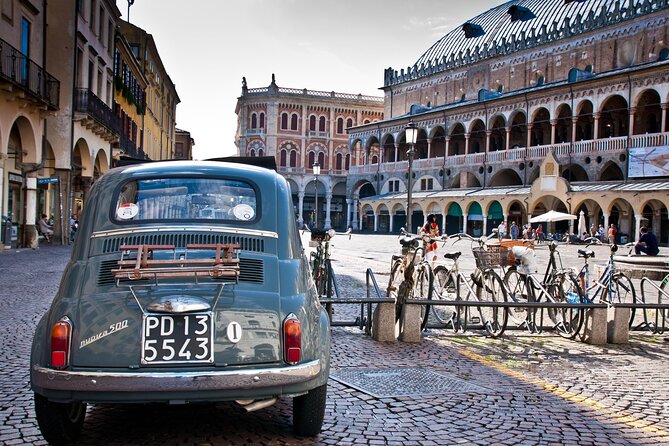
You meet at Stazione FS di Padova, the city’s main railway station, and return there at the end. That arrangement is practical if Padua is a day trip from Venice or part of a longer rail journey through northern Italy.
The walk starts in Piazza della Frutta, one half of Padua’s historic market center. Fruit and vegetables are still sold here, giving you something more useful than a quick photo stop: a glimpse of how the central squares function in daily life.
The square was once called Piazza del Peronio and has long shared its commercial role with Piazza delle Erbe. Both spaces sit beside the enormous Palazzo della Ragione, so your first view combines market stalls with one of the city’s most important medieval buildings.
You then cross to Piazza delle Erbe. Its former names, including Piazza delle Biade, Piazza del Vino, and Piazza della Giustizia, hint at the many roles it has played over the centuries. The square was linked to popular celebrations, while nearby Piazza dei Signori had a more official civic role.
I would pay attention to the contrast between these spaces. Piazza della Frutta and Piazza delle Erbe are not just open areas between buildings. They are the city’s old commercial rooms, still used for buying food, meeting friends, and moving through the center.
A few more Padua days to weigh up
- Padua to Venice Boat Cruise of the Brenta Riviera
★ 4.5 · 418 reviews - Tasting Prosecco with appetizers
★ 5.0 · 217 reviews - Full-Day Padua to Venice Burchiello Brenta Riviera Boat Cruise
★ 4.5 · 198 reviews
The three central squares explain Padua’s civic life
Piazza dei Signori gives the route a different mood. The famous Clock Tower dominates the square, which historically hosted civic celebrations, tournaments, and formal public events.
Your guide can help you read the relationship between the three squares. Piazza della Frutta and Piazza delle Erbe served trade and popular activity. Piazza dei Signori represented the city in a more official way. Seeing them together makes Padua easier to understand than visiting isolated sights one by one.
Each square receives about 18 minutes on the planned route. That is enough for an explanation and photographs, but not enough for a long pause or an extended look at every façade. If you like to linger, take your own photographs quickly and save places you want to revisit after the tour.
Caffè Pedrocchi adds a taste of local tradition
Caffè Pedrocchi is one of Padua’s most distinctive stops. It was known as the café without doors because it stayed open day and night from its opening in 1831 until 1916.
The included tasting may take place here or at the historical market. At the café, the local specialty is Caffè Pedrocchi, made with 100 percent Arabica espresso, fresh cream, mint syrup, and bitter cocoa. That combination is more unusual than a standard Italian coffee, and it gives the walk a clear local touch.
I like this part of the experience because food and drink turn sightseeing into something grounded. You are not only hearing about Padua. You are sampling one of its recognizable café traditions.
The location of the tasting is not guaranteed. It may be at Caffè Pedrocchi or at Sotto il Salone, depending on the arrangements for your departure. If you have dietary needs, contact the operator before the tour, since no specific alternatives are provided.
Palazzo della Ragione is the route’s great centerpiece
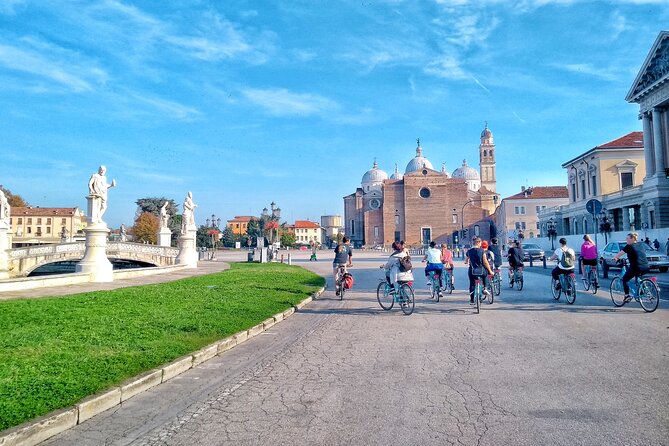
Palazzo della Ragione separates Piazza delle Erbe from Piazza della Frutta. Built in 1218, it is a massive medieval civic building whose upper hall, known as Il Salone, is one of the largest medieval halls in the world.
The exterior is part of almost every view across the two market squares. The building’s position also explains why Padua’s market life developed around it. Food commerce takes place on both sides, while the palace links the spaces physically and visually.
The planned visit allows around 18 minutes, but admission is not included. You can see the building from the outside as part of the walking tour, then decide if you want to pay separately for entry.
That arrangement is worth noting when you compare the price with other city walks. The tour gives you context, route planning, and a local guide, but it is not an all-admission package. If Il Salone is a priority, check the current opening details and entry cost before booking.
A different sort of day out around Padua:
- Prosecco tasting, appetizers and tour of the cellar and vineyards
★ 5.0 · 178 reviews - Padua Hop-on Hop-off Tour: 24-Hour Ticket
★ 3.5 · 134 reviews - Padova: Baptistery of the Cathedral & Museum of the Diocese
★ 4.6 · 128 reviews - Padua: Private City Walking Tour & Scrovegni’s Chapel Visit
★ 4.7 · 124 reviews
Sotto il Salone turns sightseeing into shopping
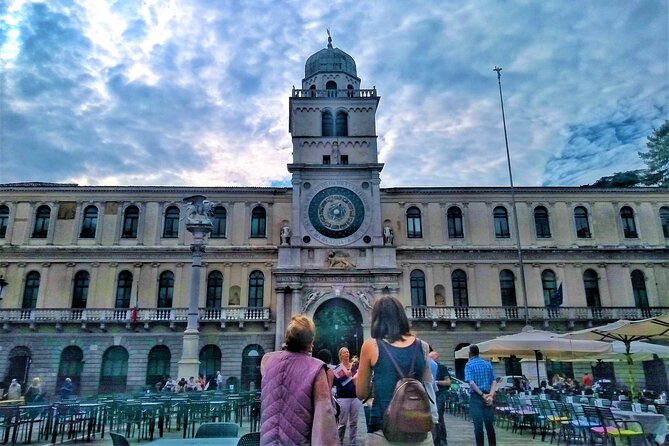
Below Palazzo della Ragione, Sotto il Salone is a covered market with shops selling food from the Padua area. You may find butchers, fishmongers, greengrocers, cheese sellers, oil, meat, and other local products.
This is one of the most useful stops for anyone who wants to see how residents shop. The grand palace above is impressive, but the market beneath it brings you closer to the practical side of the city.
It is also a possible location for the included tasting. That gives you a second reason to value this stop. You can see the stalls, hear about regional specialties, and perhaps sample something rather than simply passing through.
The market is an active commercial place, so your guide’s timing matters. A group of eight or fewer should be easier to manage here than a large coach group, especially around narrow shop fronts and busy counters.
The Jewish Ghetto offers a quieter change of pace
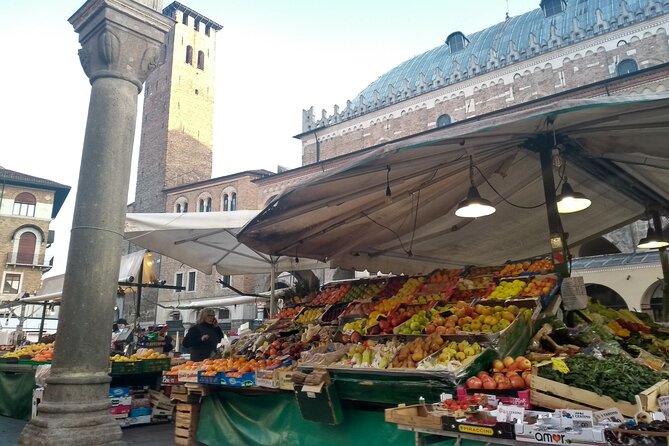
South of Piazza delle Erbe, the route enters Padua’s former Jewish Ghetto. Narrow streets form a compact maze, quite different from the broad civic squares you have just seen.
The ghetto operated from 1603 until 1797. It was abolished during the period of the French Revolution, when Jews were declared free and equal. The walk does not treat this area as a decorative detour. It gives you a chance to consider how laws once shaped where people could live and move.
This section is best approached with attention rather than speed. The lanes are a reminder that Padua’s identity is made up of many communities and periods, not only medieval markets and grand churches.
Because the tour spends about 18 minutes at each listed stop, you will receive an introduction rather than a full specialist history of Jewish Padua. If this subject is central to your visit, use the walk to identify streets and then return independently for more time.
Palazzo Bo connects Padua to university life
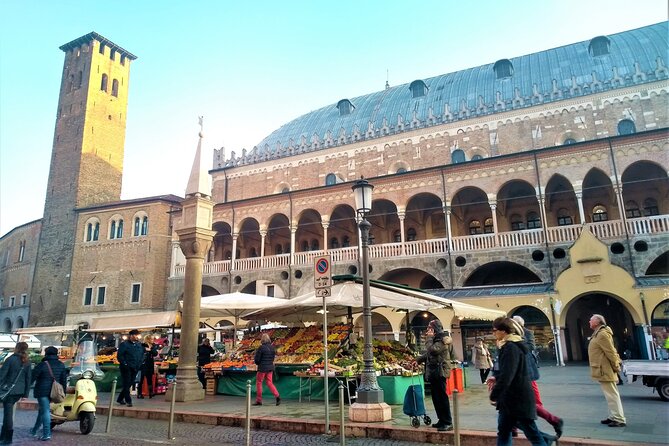
Palazzo Bo is the historic seat of the University of Padua, founded in 1222. The building still houses the Rectorate and the School of Law, and it contains the oldest anatomical theater in the world.
This stop gives the tour a useful change in focus. Padua is not only a market town with beautiful squares. Its university has shaped the city’s intellectual life for centuries, and Palazzo Bo remains part of that living institution.
Admission is not included, so the tour normally gives you an exterior introduction unless you arrange entry separately. That is another place where you should decide in advance how much of your budget you want to reserve for paid sights.
For many people, the value here lies in the explanation of what the building represents. You can see the location during the walk, then choose a longer interior visit if the anatomical theater interests you.
Prato della Valle gives the walk breathing room
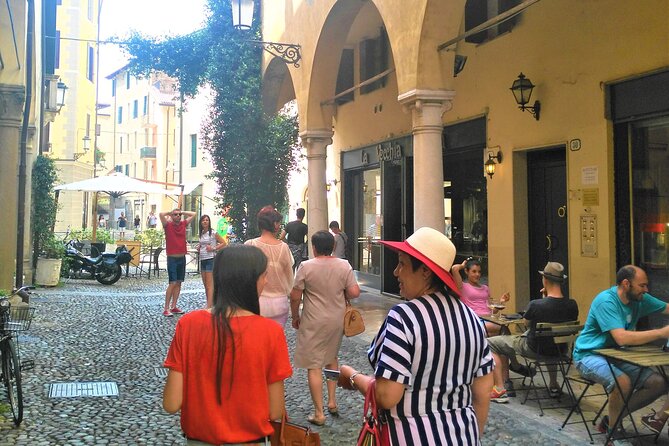
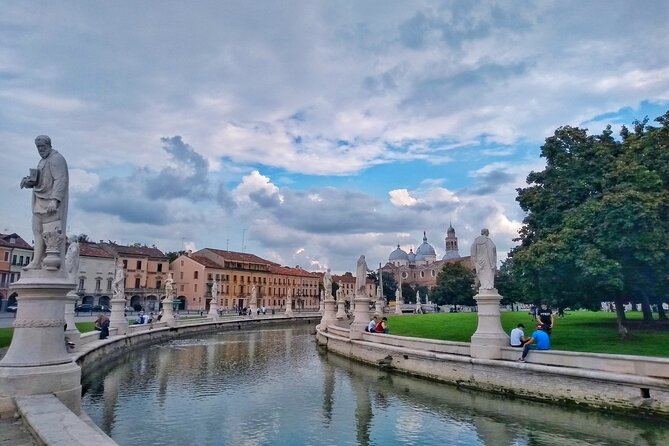
Prato della Valle is the largest square in Padua and one of the largest in Europe. Its 78 statues form a broad open setting that works as an informal album of important figures connected with the city.
After the narrow streets of the former Ghetto and the enclosed feel of the university quarter, this open square changes the pace. You have room to step back, take in the full layout, and understand the scale of central Padua.
The tour includes the square without an additional admission charge. You should have time for the main explanation and photographs, though the fixed schedule means you may want to return later if you enjoy studying the statues.
Prato della Valle also helps show that Padua is larger and more spacious than the market center alone suggests. It is a strong stop near the end of the walk because it gives the itinerary a visual release before the final church.
Saint Anthony’s Basilica closes the route on a major note
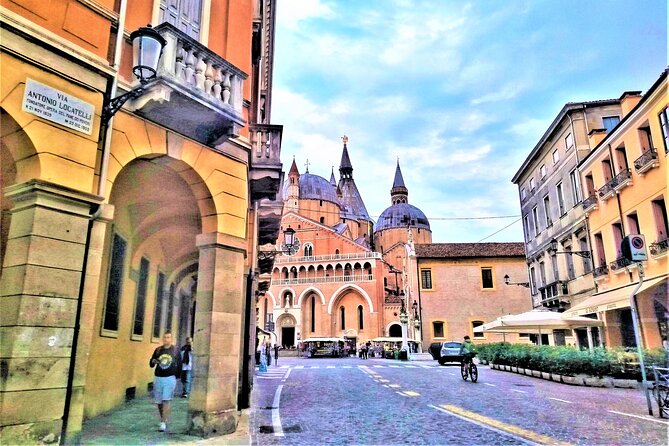
The Basilica of Saint Anthony, often called Il Santo, is one of Padua’s main religious destinations. Millions of pilgrims come here, and the building combines architectural styles and influences from many parts of the world.
The basilica is included as an exterior and cultural stop without an admission charge listed for the tour. You can expect an introduction to its importance and time to take in the setting, but the schedule does not promise a long interior visit or a specialist art tour.
This is a sensible final stop. The basilica brings together Padua’s religious identity, international connections, and long tradition of pilgrimage. If you want quiet time inside, plan to return after the walk rather than expecting the three-hour route to cover every detail.
What the three-hour schedule really means
The itinerary assigns about 18 minutes to each of ten stops. Added together, that accounts for roughly three hours, although walking between locations and the tasting are part of the overall rhythm.
That structure works well if you want a clear introduction without spending a full day on one city. You will see a wide range of Padua, from markets and cafés to university buildings, a former ghetto, a monumental square, and a major basilica.
The tradeoff is depth. You will not have unlimited time for shopping, long interior visits, or slow photography. I would bring a short list of places you might revisit, especially Palazzo della Ragione, Palazzo Bo, and Saint Anthony’s Basilica.
The local leader is central to the experience. Camilla has led a mixed Italian and English group for more than three hours, switching languages while keeping the tour moving. Chiara has also guided the route. A mixed-language format can affect pacing, but it shows that the operator has experience handling more than one language in a small group.
Is $130.18 a fair price for this Padua walk?
At $130.18 per person, this is not a cheap orientation walk. The price includes a local tour leader, the walking route, roundtrip transportation to the place of departure, a typical Paduan tasting, insurance, and the technical organization of a certified agency.
The small group is the main value point. With a maximum of eight people, you are paying for a more personal format rather than a large public tour. That can matter in the market, the Ghetto’s narrow lanes, and around the historic center’s busy squares.
The price also makes more sense if you are arriving from outside Padua and need organized transport to the departure point. The meeting point is Padua railway station, and the activity ends there, so the route is straightforward for a train-based day visit.
You should compare the cost carefully if you already know Padua well or prefer to explore at your own pace. Two notable interiors, Palazzo della Ragione and Palazzo Bo, are not included. The tasting and guide are the strongest reasons to pay for this particular format.
Who will get the most from this experience?
I would choose this tour for a first visit to Padua, especially if you want someone to explain how the markets, squares, university, and religious sites fit together. It is also a good match for solo visitors and couples who prefer a small group to a large guided crowd.
The tour suits you if you value local food and everyday city life as much as famous buildings. Sotto il Salone and the market squares give the route a practical side that a monument-only walk would miss.
It may be less suitable if you want a slow art tour, a long visit inside every building, or a flexible schedule. The ten-stop plan is broad and well organized, but the 18-minute blocks require you to keep moving.
Most people can participate, and service animals are allowed. The activity depends on good weather, and public transportation strikes can lead to alternative arrangements, cancellation, or a refund. Contact details matter because the agency may confirm the exact meeting or pickup time a few days before departure. Provide a phone number that works with WhatsApp or an email address.
Should you book this Padua experience?
Book it if you want a compact, personal introduction to Padua with a food tasting and a route that goes beyond the obvious postcard views. The market squares, Sotto il Salone, former Jewish Ghetto, and university quarter give you a genuine sense of how the center works.
Skip it if you mainly want included admission to major interiors or several hours at each sight. In that case, use the route as a guide for planning your own visits and budget separately for Palazzo della Ragione and Palazzo Bo.
For most first-time visitors, the best reason to book is the combination of a small group, local guiding, and a clear three-hour route from the railway station. Just confirm the meeting time, allow for the extra admission costs, and leave room in your schedule to revisit the places that catch your attention.
FAQ
Where does the tour begin and end?
The tour begins at Stazione FS di Padova, Piazzale della Stazione 1, 35131 Padova. The activity ends back at the same meeting point.
How long does the Padua tour last?
The experience lasts approximately three hours. The listed stops are planned at about 18 minutes each.
What is included in the price?
The price includes a local tour leader, a walking tour of Padua, roundtrip transportation to the place of departure, a traditional Italian life experience with a local guide, a typical Paduan tasting, insurance, and agency organization.
Is food or drink included?
Yes. A typical Paduan tasting is included. It may take place at Caffè Pedrocchi or at the historical market beneath Palazzo della Ragione.
Are admission tickets to Palazzo della Ragione and Palazzo Bo included?
No. Admission tickets for Palazzo della Ragione and Palazzo Bo are not included.
How many people can join the tour?
The activity has a maximum of eight participants.
Can I cancel for a full refund?
You can cancel up to 24 hours before the experience start time for a full refund. Changes or cancellations made less than 24 hours in advance are not accepted for a refund. If poor weather or an insufficient number of participants causes cancellation, you will be offered another date or experience, or a full refund.
Just added around Padua
- Padua City Sightseeing Walking Tour of Must-See-Sites with Local Guide★ 5.0 · 3 reviews
- Padua: Private Pasta-Making Class at a Local’s Home★ 5.0 · 3 reviews
- Tour to the Walled City of Monselice DA Abano and Montegrotto Terme★ 4.5 · 3 reviews
- E-bike rental – Road bike – Mountain bike★ 5.0 · 3 reviews
- CSTRents – Padova Segway PT Authorized Tour★ 3.5 · 3 reviews
- Padua: guided walking tour with an art historian★ 5.0 · 3 reviews
- Street Food Walk in Padova★ 5.0 · 4 reviews
- From Padua: Tour to the walled town of Monselice★ 5.0 · 4 reviews
Padua Tours, compared.
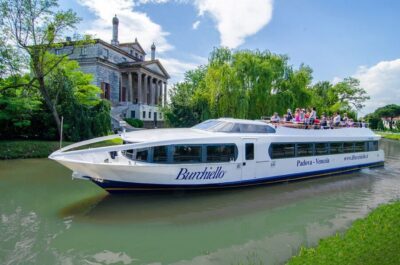
Padua to Venice Boat Cruise of the Brenta Riviera
Read our review →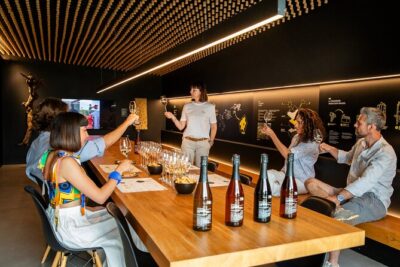
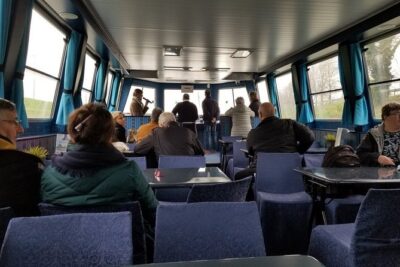
Full-Day Padua to Venice Burchiello Brenta Riviera Boat Cruise
Read our review →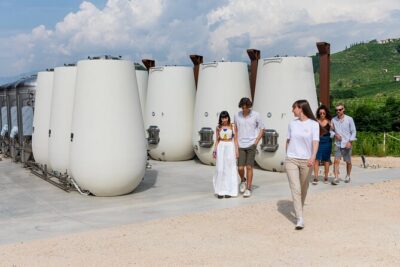
Prosecco tasting, appetizers and tour of the cellar and vineyards
Read our review →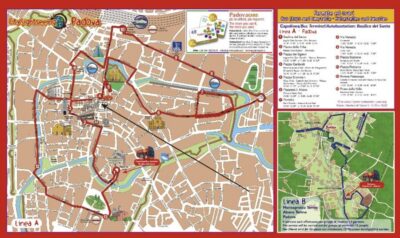
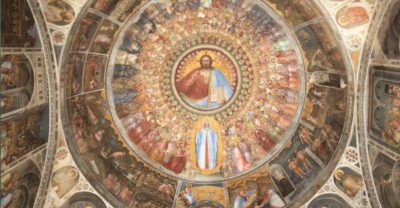
Baptistery of the Cathedral & Museum of the Diocese
Read our review →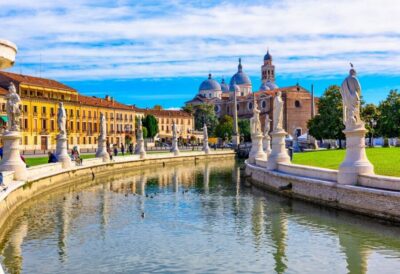
Private City Walking Tour & Scrovegni’s Chapel Visit
Read our review →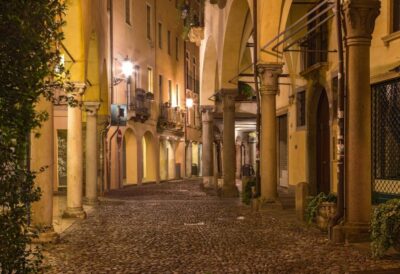
Browse the lists this tour appears in