Reviewed · VENICE TOURS
New – Maleficia: Inquisition, Torture and Witchcraft between the centuries
The most striking part of Maleficia is its setting: the Palazzo delle Prigioni, a former prison beside the Doge’s Palace. Inside, old documents, courtroom objects, and instruments of punishment tell how Venice dealt with witchcraft, magic, and alleged crimes between the 15th and 18th centuries. This is not a lighthearted ghost attraction. It asks you to look at real fear, real accusations, and the suffering caused by official justice.
I like the compact one-hour format, which fits neatly into a day of sightseeing around St. Mark’s Square. I also like the chance to see original documents connected to the Holy Office, along with reproductions and justice tools that make the legal process easier to picture. The main drawback is that the display can feel brief and text-heavy without an audio guide or live guide, and finding the correct entrance may take patience.
In This Review
- Key points to know
- Entering Venice’s Former Prison
- What the Maleficia Exhibition Shows
- The Casanova Story Adds a Venetian Twist
- Why a Guide or Audio Commentary Helps
- A Short Stop With a Serious Subject
- Paying About $11.56 for the Visit
- Getting There and Managing the Meeting Point
- How the Visit Compares With Larger Venice Attractions
- Cleanliness, Group Size, and Visit Conditions
- Cancellation and Planning Flexibility
- Who Should Book Maleficia?
- Final Recommendation
- FAQ
- Where does Maleficia take place?
- How long does the experience last?
- What does the exhibition focus on?
- Is admission included?
- Can I use a mobile ticket?
- Is a guide included with every booking?
- Does the exhibition include information about Casanova?
- How many people can join the activity?
- Can I cancel for a full refund?
- Is there a separate Venice access fee?
Key points to know
- Historic prison setting: The exhibition is inside the Palazzo delle Prigioni on Riva degli Schiavoni, next to Venice’s most famous sights.
- Focus on Inquisition justice: You see documents and objects tied to witchcraft investigations, imprisonment, torture, and punishment.
- Casanova connection: The exhibition includes the story of Giacomo Casanova, who was accused of magic and occult practices.
- One-hour visit: It is short enough to add to a busy Venice itinerary, but not long enough for a broad survey of the period.
- Guide matters: A live guide received strong praise for making the material engaging. An audio guide may also help explain the displays.
- Small-group operation: The activity has a maximum of 15 people, with a mobile ticket and free cancellation up to 24 hours before the start.
Entering Venice’s Former Prison
The visit begins at Circolo Artistico, Palazzo delle Prigioni, at Riva degli Schiavoni 4209. The building’s location is valuable in itself. You are not looking at a modern collection placed in a neutral gallery. You are entering a historic prison building connected to the machinery of Venetian justice.
That setting gives the subject more weight. The exhibition deals with accusations, interrogations, confessions, and punishment, and the rooms help you imagine how frightening the legal process could be. You do not need to spend hours here to understand the basic point: in earlier centuries, suspicion could become evidence, and a charge of witchcraft could destroy a life.
The practical catch is the entrance. Signage at the building may point toward another exhibition, and the meeting point can be confusing. I would arrive a little early, keep your mobile ticket open, and ask at the entrance for Maleficia if the signs do not make the route clear. The staff member at the till has been described as friendly, but the tour operator may not have a large visible flag or company sign outside.
That is worth knowing before you arrive. Venice already has plenty of small entrances, shared buildings, and signs aimed at different attractions. A few extra minutes can save you from standing outside the right building while searching for the wrong door.
A few more Venice days to weigh up
- Venice: Doge’s Palace Reserved Entry Ticket
★ 4.6 · 42,716 reviews - Venice: Grand Canal Gondola Ride with App Commentary
★ 4.1 · 18,908 reviews - Boat Trip: Glimpse of Murano, Torcello & Burano Islands
★ 4.3 · 15,699 reviews
What the Maleficia Exhibition Shows
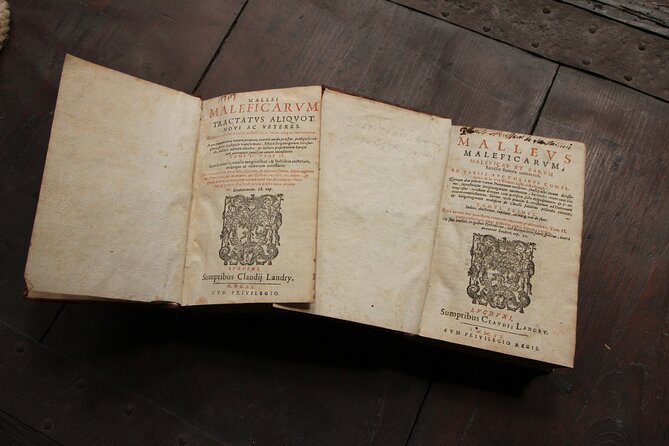
The central subject is the treatment of witchcraft and magical practices by Venetian authorities. You can expect a mixture of original artifacts, reproductions, documents, and instruments associated with justice from roughly the 15th through the 18th century.
The exhibition’s title points toward maleficia, a term connected with harmful magic or evil acts. In practice, the displays place witchcraft accusations within the wider system of the Inquisition and the Venetian courts. That makes the experience about more than spells and legends. It is also about how institutions investigated people, extracted confessions, assigned guilt, and imposed punishment.
The documents connected with the Holy Office are particularly important. They show that these cases were not simply folk tales passed down over time. They entered official records and legal processes. You can see how ideas about magic became linked to accusations, suspicion, and the state’s desire to control behavior.
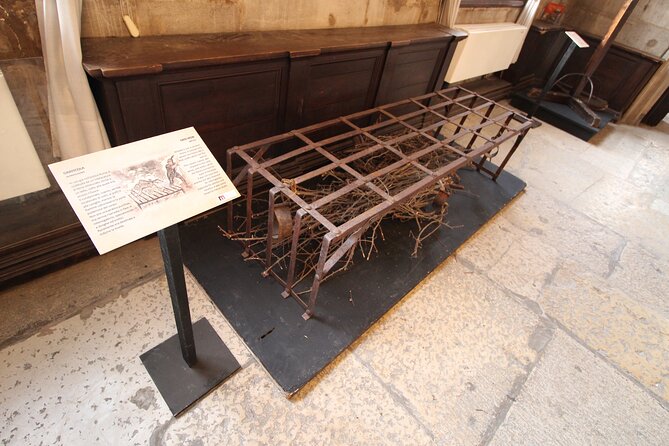
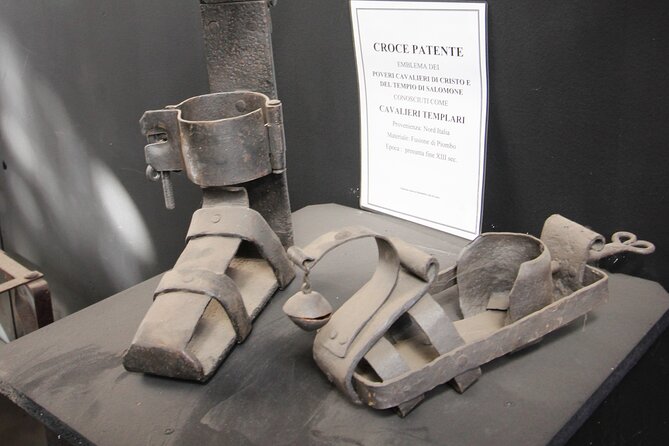
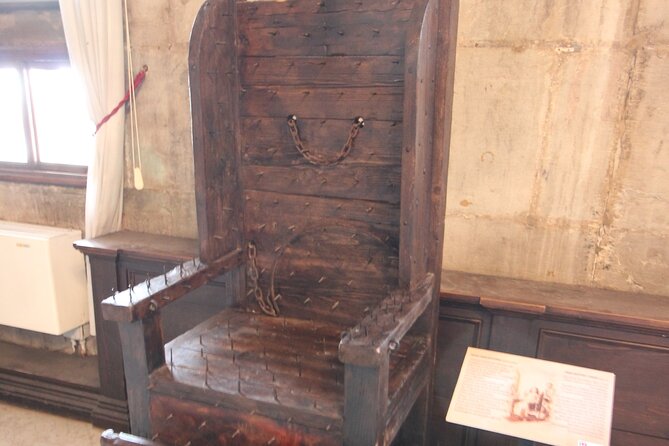
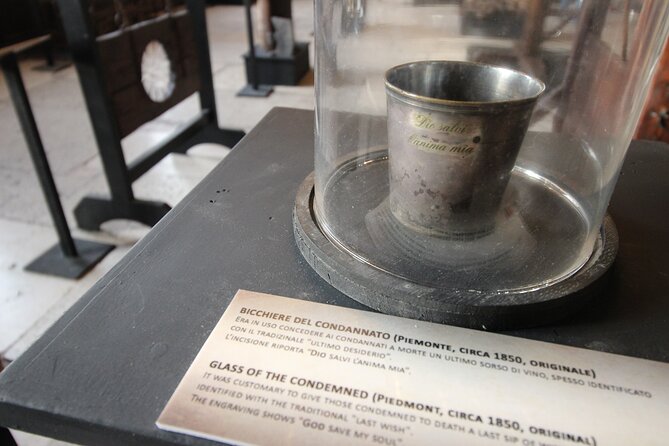
The exhibition also uses torture instruments and other objects of justice. These pieces are designed to show how punishment and confession worked in the period. They may attract visitors expecting something sensational, but the better way to approach them is as evidence of a harsh legal culture.
I would keep your expectations measured. The experience offers an introduction rather than a full academic account of Venetian witch trials. One assessment described it as a short visit with only limited attention to witchcraft itself, while giving more space to torture techniques and Inquisition practices. If your main interest is the history of witchcraft, you may find the subject narrower than expected.
The Casanova Story Adds a Venetian Twist
Giacomo Casanova gives the exhibition a familiar name and a distinctly Venetian connection. He is usually remembered as an adventurer and famous lover, but here you encounter another part of his story: his alleged involvement with magic and the occult.
His appearance in the exhibition helps connect the legal material to a recognizable person. You are not only reading about anonymous women accused of spells. You also see that accusations of magical activity could touch well-known figures, though the circumstances were different from the witchcraft cases that led many women toward terrible punishments.
Casanova’s presence should not lead you to expect a large biography or a full account of his escape from Venetian custody. The available description presents him as one notable person accused of dabbling in magic. Think of his story as a memorable thread within the display, not the main subject.
For me, this is one of the better details for visitors who know little about Inquisition history. A famous name gives the material an easy starting point, then the exhibition moves you toward broader questions about superstition, official power, and the meaning of evidence.
Why a Guide or Audio Commentary Helps
The displays can be appreciated on your own, but interpretation makes a real difference here. You are dealing with old documents, unfamiliar legal terms, and objects whose purpose may not be obvious at a glance.
A live guide has received the strongest praise in the available feedback. One guide was described as engaging and informative, and the guided format apparently helps place the objects within the actual rooms where imprisonment and torture took place. No guide name is provided, so you cannot request a particular person in advance.
An audio guide is another useful option if available during your visit. One person specifically regretted not using it, saying the experience might have been better with more explanation. That is a practical clue. If the ticket or staff offers an audio guide, I would take it, especially if you do not read Italian historical documents easily.
Without added commentary, the visit may feel like a small collection of dark objects with limited explanation. With a guide, the rooms can become a clearer story about procedure and power. The difference is not a minor detail. It may determine whether you leave with a useful understanding or simply remember a few grim instruments.
Ask before beginning what is included in your visit. The basic booking information confirms admission and a mobile ticket, but the supplied details do not clearly state that a live guide is included for every booking. That distinction matters when you compare prices or plan your day.
A different sort of day out around Venice:
- Venice: Grand Canal by Gondola with Live Commentary
★ 4.1 · 13,681 reviews - Venice: La Fenice Opera House Entry Ticket with Audio Guide
★ 4.6 · 11,742 reviews - Doge’s Palace & St. Mark’s Basilica with Terrace Access Tour
★ 4.7 · 10,697 reviews - Venice: Burano, Torcello & Murano Boat Tour w/Glassblowing
★ 4.4 · 10,245 reviews
A Short Stop With a Serious Subject
At about one hour, Maleficia is easy to fit between major Venice sights. You can visit the Palazzo delle Prigioni and still have time for St. Mark’s Basilica, the Doge’s Palace, the Bridge of Sighs, or a walk along the Riva degli Schiavoni.
The short length is a strength if you want variety. Venice rewards visitors who mix major monuments with smaller stops, and this exhibition offers a change of pace from churches, paintings, and grand state rooms. It also works well on a hot or rainy day, when an indoor activity is welcome.
The same length may disappoint you if you want a long, detailed museum visit. The display provides a concentrated introduction, not a half-day study center. You will probably leave with the broad outline of the subject rather than a complete account of Venetian witch trials or the entire history of the Inquisition.
The tone is also worth considering. The subject includes torture, execution, and the suffering of people condemned for alleged magical acts. This is not an ideal choice if you want a cheerful family attraction. Most people can participate, but parents should decide if the material suits their children.
Paying About $11.56 for the Visit
At about $11.56 per person, the price is modest by Venice standards. It is not a major financial risk, particularly if you already plan to spend time near St. Mark’s Square and want one more indoor stop.
The value depends on how you use it. If you enter, read quickly, and leave after looking at the objects, the visit may feel slight. If you take time with the documents, consider the prison setting, and use a guide or audio commentary, the same price buys a more meaningful hour.
I would compare the cost with your interests rather than with the ticket price alone. Someone fascinated by legal history, superstition, prisons, or Casanova may find the subject worthwhile. Someone expecting a large collection, graphic reenactments, or a long guided program may feel shortchanged.
The small group limit of 15 people is a positive feature. It should make a guided explanation easier to hear and reduces the crowded feel that can spoil small exhibitions. Still, the information provided does not promise that every entry will be a fully guided tour, so check the exact booking terms.
Getting There and Managing the Meeting Point
The Palazzo delle Prigioni sits near public transportation and in one of Venice’s easiest areas to reach on foot. The listed address is Riva degli Schiavoni 4209, Venice. The activity begins and ends at the same location.
Give yourself a little margin before the scheduled start. The confusing signage is the most important arrival problem to anticipate. The building may identify another exhibition, and the operator may not display a large sign outside.
Keep the voucher accessible on your phone. Confirmation is sent at booking, and the ticket is mobile, so you do not need to print it. If you are visiting Venice for only a day, also check the city’s access-fee rules. On certain dates, many day visitors staying outside Venice must pay a €5 access fee, with exemptions and details handled through the official city system.
That fee is separate from the exhibition price. It is tied to entering Venice on applicable dates, not to admission at Maleficia. Checking before your day trip prevents a cheap museum visit from becoming part of a larger surprise.
How the Visit Compares With Larger Venice Attractions
Maleficia does not replace the Doge’s Palace or the major museums. Those attractions offer broader collections, grand rooms, and a more extensive account of Venetian political and artistic life.
Its strength is focus. You spend one hour with the darker side of the Republic: the fear of witchcraft, the legal treatment of accused people, and the tools used to force or punish them. The subject also gives you a different way to understand the buildings around St. Mark’s Square. Venice was not only a city of ceremony and beauty. It also maintained prisons, courts, and systems of control.
I like this kind of smaller stop because it changes how you see the rest of the city. Afterward, the nearby palaces and official buildings may feel less decorative and more connected to the people who governed, judged, and confined others.
Still, you should not book it as your only history experience in Venice. The exhibition is a narrow window. Pair it with the Doge’s Palace or another site that explains the Republic’s government and social order in greater detail.
Cleanliness, Group Size, and Visit Conditions
The activity operates with small groups and a stated maximum of 15 people. Customer touchpoints are frequently cleaned, and the operator says the experience follows national health directives.
Those details are most useful for people who prefer a controlled visit rather than a large group moving through a crowded attraction. The one-hour format also limits the amount of time you spend inside.
The available information says most people can participate and that the site is near public transportation. It does not provide a detailed accessibility assessment, so you should contact the operator directly if you need specific information about steps, seating, or mobility access.
Cancellation and Planning Flexibility
The ticket can be canceled for a full refund up to 24 hours before the scheduled start time. If you cancel within 24 hours, the payment is not refunded, and changes made during that period are not accepted.
That policy gives you useful flexibility while planning a Venice trip, where weather, train delays, and crowded attractions can affect the day. I would still avoid leaving the decision until the last moment, especially if you are traveling on a tight schedule.
Because the meeting point can be hard to identify, save the address and voucher before you leave your hotel. That is a simple step, but it matters more here than it would at a large museum with a clear entrance.
Who Should Book Maleficia?
I would recommend this experience to you if you enjoy:
- Legal and social history
- Inquisition records and witchcraft cases
- Prisons, punishment, and the darker side of historic cities
- Short museum visits near St. Mark’s Square
- Unusual subjects that go beyond Venice’s art and architecture
- Guided explanations of historic documents and objects
You may want to skip it if you are looking for a large museum, a long tour, or a detailed study of witchcraft alone. The display gives only limited attention to witchcraft compared with the wider subject of torture and Inquisition justice.
The best version of the visit includes a guide or audio guide. The basic exhibition can work independently, but extra explanation helps you understand why the documents matter and how the objects fit into the legal process.
Final Recommendation
Book Maleficia if you want a brief, serious look at Venice’s prison and justice system, and if you are already spending time around the Doge’s Palace. The modest price, central location, and one-hour length make it easy to add to your schedule.
I would not book it expecting a grand museum or a full history of witchcraft in Venice. Arrive early because the entrance can be confusing, use the audio guide or choose a guided visit when possible, and approach the torture displays as historical evidence rather than spectacle. With those expectations, this can be a worthwhile change from Venice’s usual palaces and paintings.
FAQ
Where does Maleficia take place?
The experience takes place at Circolo Artistico, Palazzo delle Prigioni, at Riva degli Schiavoni 4209, 30122 Venice, Italy.
How long does the experience last?
The visit lasts approximately one hour.
What does the exhibition focus on?
It focuses on Inquisition practices, witchcraft accusations, torture, imprisonment, and justice in the Venetian Republic between the 15th and 18th centuries.
Is admission included?
Yes, an admission ticket is included with the activity.
Can I use a mobile ticket?
Yes. The experience provides a mobile ticket.
Is a guide included with every booking?
The supplied information does not clearly confirm that a live guide is included with every booking. Guided visits and audio guide options are referenced, so check the exact terms when booking.
Does the exhibition include information about Casanova?
Yes. It covers Giacomo Casanova’s accusation of involvement with magic and the occult.
How many people can join the activity?
The maximum group size is 15 people.
Can I cancel for a full refund?
Yes. You can cancel at least 24 hours before the scheduled start time for a full refund.
Is there a separate Venice access fee?
On certain dates, many people visiting Venice for the day from outside the city must pay a €5 access fee. Exemptions and applicable dates are provided through the official Venice access-fee website.
Just added around Venice
- Gondola Ride and St Mark’s Basilica★ 4.5 · 3 reviews
- Padua: Private Pasta-Making Class at a Local’s Home★ 5.0 · 3 reviews
- Padua City Sightseeing Walking Tour of Must-See-Sites with Local Guide★ 5.0 · 3 reviews
- Venice: Market Tour and Meal at a Local’s Home★ 4.3 · 3 reviews
- VIRTUAL MUSEUM: Creature di Gomma – Venice Vintage Toys★ 4.7 · 3 reviews
- 3 Hour Shared Walking and Aperitivo Tour of Verona★ 5.0 · 3 reviews
- Venice: The Best of Dolomites 3Cime and Refuges with Drone★ 5.0 · 3 reviews
- Verona: Blindfolded Wine Tasting★ 5.0 · 3 reviews
Venice Tours, compared.

Grand Canal Gondola Ride with App Commentary
Read our review →
Boat Trip: Glimpse of Murano, Torcello & Burano Islands
Read our review →
La Fenice Opera House Entry Ticket with Audio Guide
Read our review →
Doge’s Palace & St. Mark’s Basilica with Terrace Access Tour
Read our review →
Burano, Torcello & Murano Boat Tour w/Glassblowing
Read our review →