
Reviewed · FOOD & DRINK
Olive Mill Tour and Tasting in the Padua Hills
The best part of this Padua Hills olive mill tour is the link between old and new. You see original granite millstones and antique pressing methods alongside modern cold extraction equipment, then taste the results with fresh bread and local spreads. It is a compact, food-focused visit with a real sense of place.
I like the family-owned atmosphere and the chance to taste several oils side by side, including D.O.P. Veneto Euganei and Berici oils, organic varieties, and the Rasara monocultivar. I also like that the mill takes sustainability seriously, using solar power, biogas, and water recycling. The main drawback is the short one-hour format, and you must arrange your own transport from Padua.
In This Review
- Key points
- A historic mill in the Colli Euganei
- The 45-minute tour, from olives to oil
- A tasting built around comparison
- Why the old granite stones still matter
- Sustainability beyond the bottle
- Planning the visit from Padua
- Is $47 a fair price?
- Who will enjoy this mill most?
- Practical details before you book
- Should you book the Padua Hills olive mill tour?
- FAQ
- How long does the olive mill experience last?
- How far is the mill from Padua?
- What languages are available?
- What will I taste?
- Is the experience wheelchair accessible?
- Can I cancel the booking?
Key points
- Historic origins: The mill began in the 1700s at Villa Contarini and later moved to Valnogaredo in the 1960s.
- Old and new together: Original granite stones and traditional pressing methods sit beside modern extraction equipment.
- Focused tasting: Sample D.O.P., organic, and Rasara oils with fresh bread, olive pâtés, pesto, tomatoes, and olives.
- Small groups: The tour is limited to 10 people, making it easier to ask questions and get personal attention.
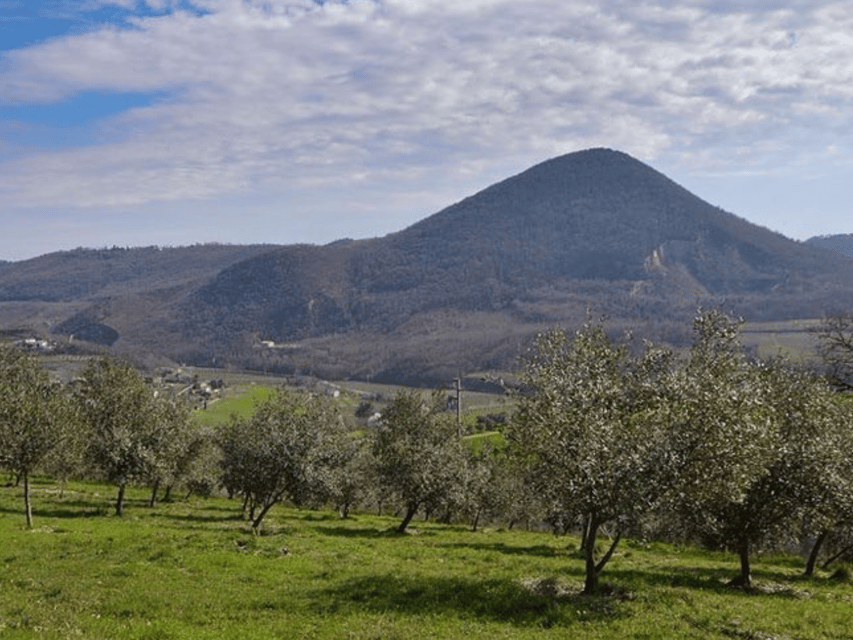
- Scenic setting: The mill lies among the olive groves and volcanic hills of the Colli Euganei, near Arquà Petrarca.
- Easy planning: The experience lasts one hour, is wheelchair accessible, and is offered in English or Italian.
A historic mill in the Colli Euganei
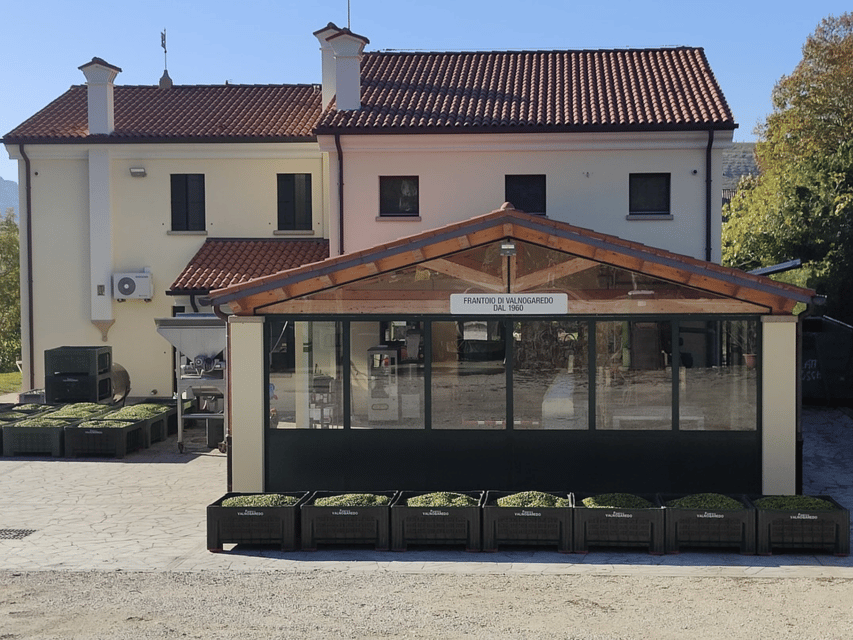
The Frantoio di Valnogaredo sits in Valnogaredo, a village in the Colli Euganei park about 45 minutes by car from Padua. Expect a group of houses, olive trees, and a quiet rural setting rather than a large commercial visitor center.
That setting matters. Olive oil can seem like a supermarket staple until you see the groves, the machinery, and the care taken at the mill. Here, you are close to the source. The surrounding hills are volcanic, and the mill explains how that soil helps give the olives their particular character.
The story begins in the 1700s, when the mill was founded by the Dogi Contarini at Villa Contarini. It later moved to its present location in the 1960s. The early operation was small and mule-powered, a useful reminder that olive oil production was once slow, physical work tied closely to the local estate.
You begin with a welcome and an introduction to this past. The guide then takes you through the estate and explains how the old mill developed into the modern facility you see today. Guides such as Claudia and Clara have led the visit in a warm, personal style, and the small group size gives you room to ask about the equipment, the oils, or the history.
More Food Tours in Padua
- Tasting Prosecco with appetizers
★ 5.0 · 217 reviews - Prosecco tasting, appetizers and tour of the cellar and vineyards
★ 5.0 · 178 reviews - Padua Wine Tasting Walk
★ 5.0 · 7 reviews
The 45-minute tour, from olives to oil
The guided portion lasts about 45 minutes. That is long enough to understand the basic process without turning the visit into a technical lecture, but short enough to fit neatly into a day exploring the Euganean Hills.
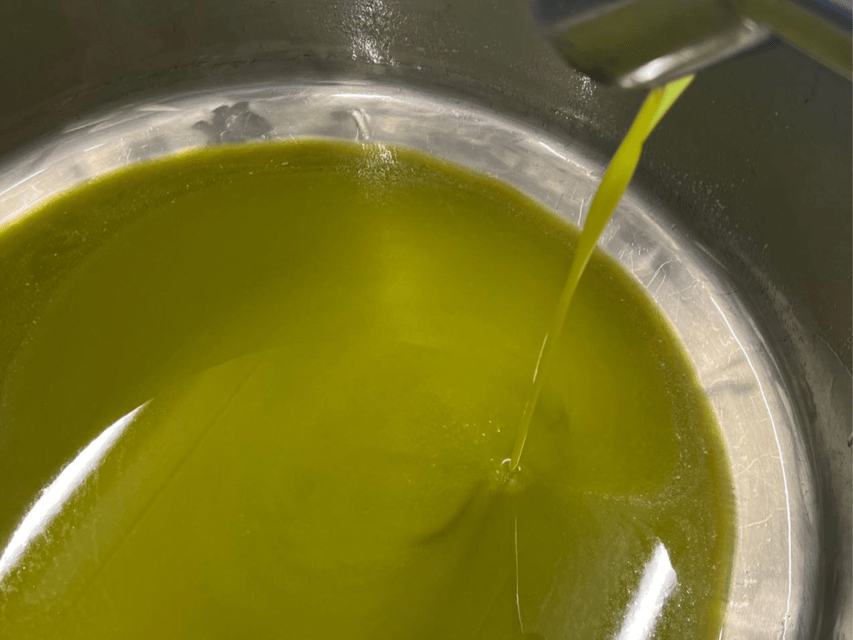
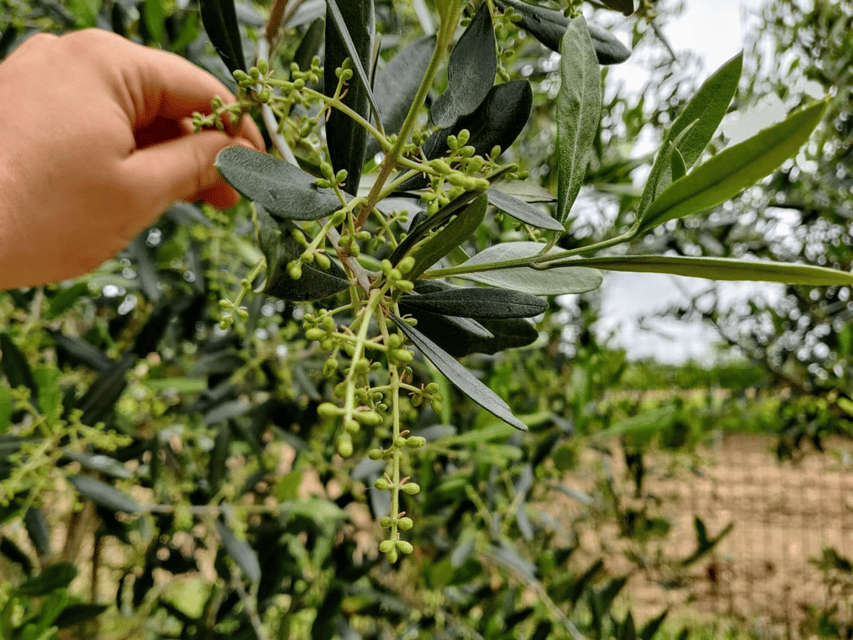
You learn about the olives grown in the organic groves on Monte Brecale and Monte Resino. The tour follows the journey from harvesting to cleaning, milling, and extraction. You see how the fruit is handled before it becomes oil, and why each stage affects flavor and quality.
One useful lesson is the difference between traditional and modern production. The original granite millstones and antique pressing methods show how oil was made in earlier generations. Modern cold extraction methods show how producers now aim to protect the natural taste and nutritional qualities of the fruit.
Seeing both systems together is more helpful than hearing a general explanation. You can connect the old stonework with the physical force once needed to crush olives, then compare it with the controlled modern process. The tour makes clear that tradition here is not simply a display for visitors. It remains part of the mill’s identity, while newer methods help produce oil with greater consistency.
The guide also explains why cold extraction matters. The aim is to preserve the natural qualities of the olives rather than use heat to draw out more oil. You will not leave with a full technical course in olive chemistry, but you should understand why production methods influence aroma, flavor, and quality.
The organic and D.O.P. standards add another layer. Organic cultivation governs how the groves are cared for, while D.O.P. certification identifies oils tied to a particular region and production standard. For you, that means the tasting has a clear local focus, not just a selection of generic oils.
A tasting built around comparison
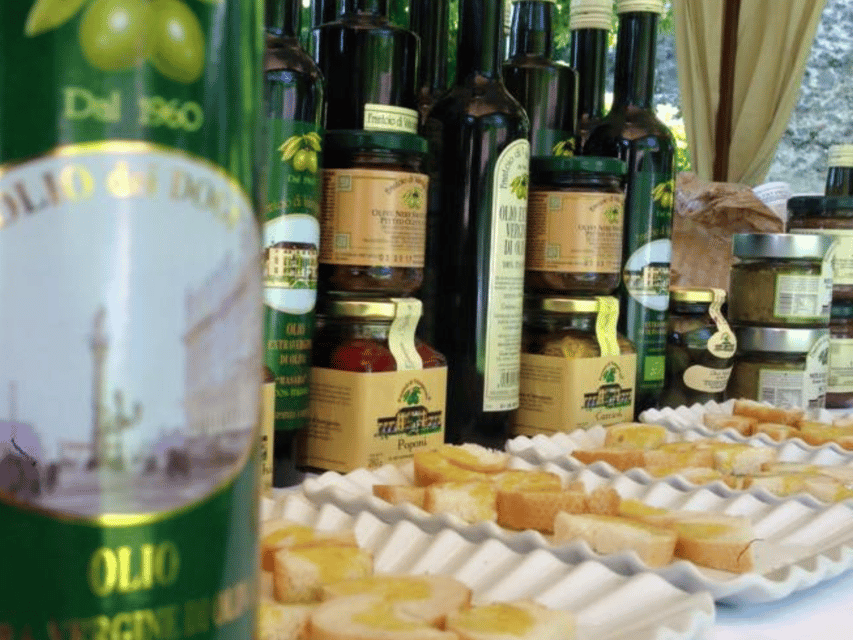
The final 15 minutes are devoted to tasting. It is brief, but the food makes the hour feel generous. Oils are served with freshly baked bread, along with black and green olive pâtés, basil pesto, sun-dried tomato pâté, and olives in brine.
The best way to approach this part is to slow down and compare. Taste one oil, then another, and notice differences in aroma, texture, strength, and finish. You get to try D.O.P. Veneto Euganei and Berici oils, organic options, and the special Rasara monocultivar.
The Rasara oil is especially useful for understanding how one olive variety can give an oil its own profile. You do not need to be an expert taster. The point is to notice that extra virgin olive oil is not one single flavor. Some oils may seem softer or fruitier, while others may have a stronger green or peppery character.
Fresh bread is the right partner for the tasting. It keeps the focus on the oil and lets you try each sample without competing sauces or heavy food. The pâtés and pesto turn the tasting into a small meal, though you should think of it as a generous snack rather than lunch.
I would pay attention to the explanations here. A good tasting is not simply a row of bottles and a plate of bread. The guide helps you connect what you smell and taste with the olives, growing conditions, and production method. The intimate group limit of 10 makes that conversation more practical than it would be in a crowded food hall.
You can also buy oil to take home. That option came up naturally for people who wanted to keep using the products after the visit. If you do purchase a bottle, remember that olive oil is both a souvenir and a perishable food product, so pack it carefully and check your own travel arrangements before buying several bottles.
Why the old granite stones still matter
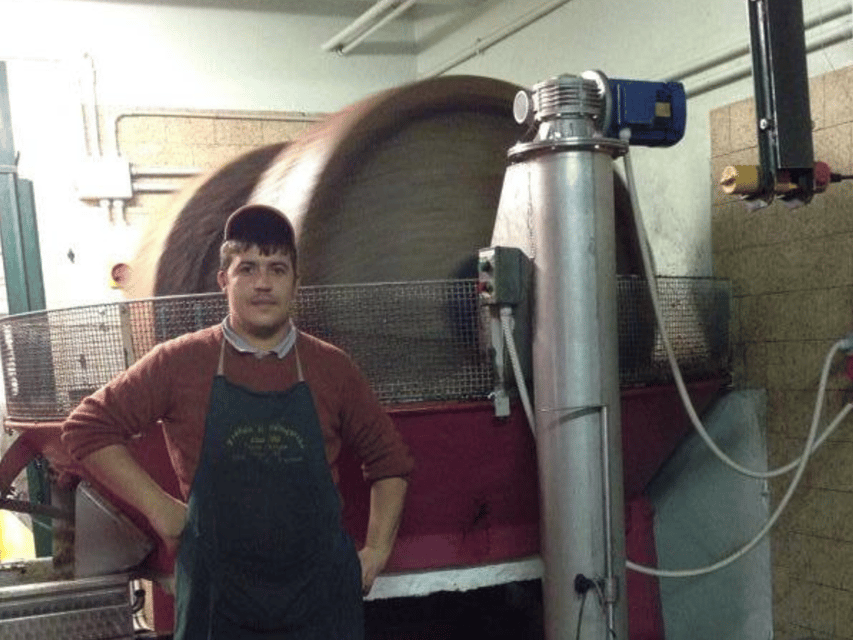
The antique equipment is not just decoration. It gives the tour a physical sense of time. You can see how a small mill once worked and then compare that with the machinery used today.
The old method helps explain why olive oil production was closely tied to estates and villages. A mule-powered mill required labor, time, and local knowledge. The modern equipment reflects a different priority: careful control of the process and efficient handling of the olives.
That contrast gives you a better understanding of the phrase traditional and modern than a standard museum label would. You see what has changed and what the mill still wants to preserve. The product is modern in its standards, but the visit keeps its connection to the place and its past.
This is also why the tour suits more than food enthusiasts. If you like local history, rural industry, or the story behind everyday ingredients, the mill offers plenty to consider. Children can follow the basic journey from olive to oil, while adults may appreciate the more detailed talk about extraction and certification.
A different sort of day out around Padua:
- Padua to Venice Boat Cruise of the Brenta Riviera
★ 4.5 · 418 reviews - Full-Day Padua to Venice Burchiello Brenta Riviera Boat Cruise
★ 4.5 · 198 reviews - Padua Hop-on Hop-off Tour: 24-Hour Ticket
★ 3.5 · 134 reviews - Padova: Baptistery of the Cathedral & Museum of the Diocese
★ 4.6 · 128 reviews
Sustainability beyond the bottle
The mill’s environmental work is another strong part of the visit. Its operations use solar panels and biogas production, and the mill practices water recycling.
These details help you see sustainability as part of the working facility rather than a slogan added to a brochure. Olive oil production depends on land, water, energy, and careful timing. Recycling water and using renewable energy address some of the pressures that come with that process.
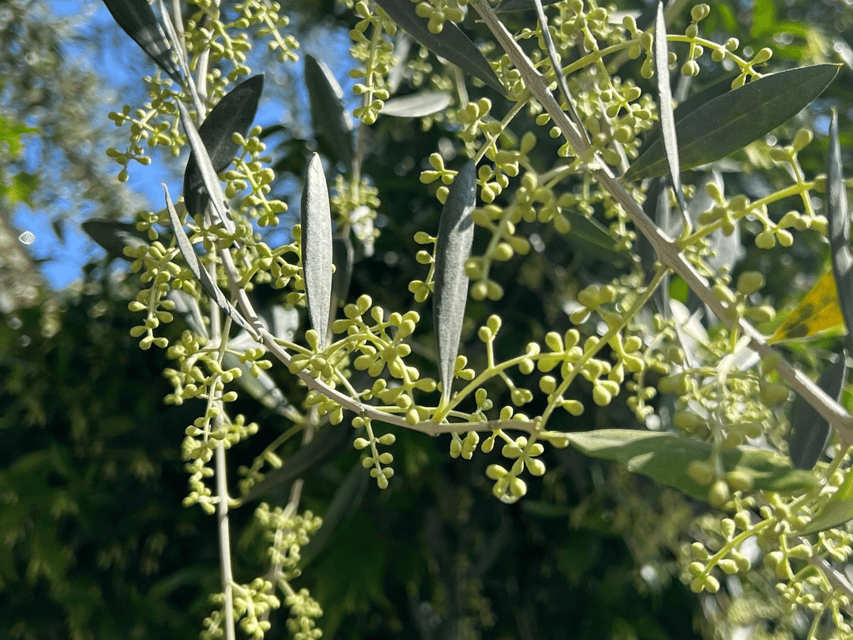
The groves are cultivated under organic and D.O.P. standards. That does not mean the tour turns into a farming seminar, but it does show how the mill connects its finished oil with the way the olives are grown.
You can also take a self-guided walk through the olive orchards. The guided tour itself is concentrated around the mill, so this extra walk gives you more time outdoors. It is a good choice if you want to look at the trees, enjoy the hills, and understand the setting before or after the tasting.
Planning the visit from Padua
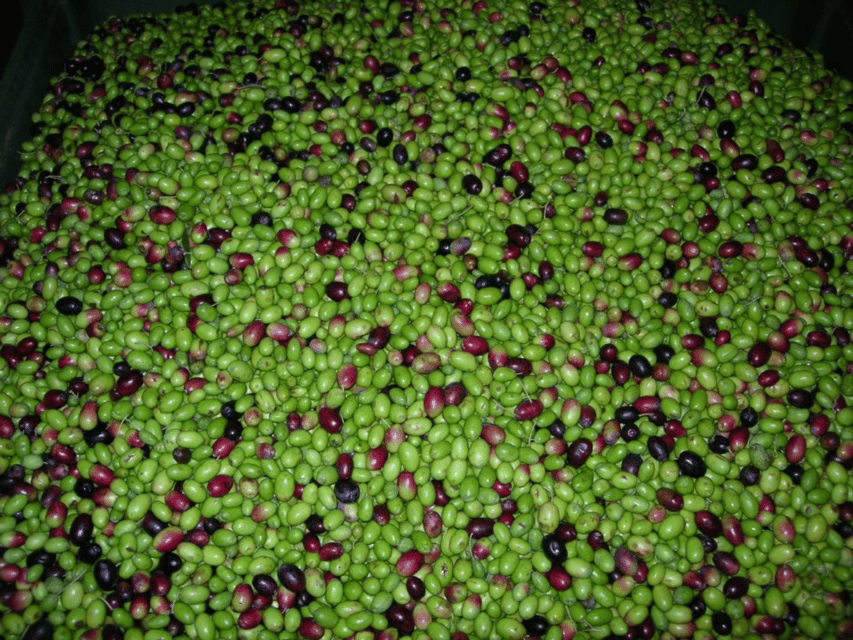
The mill is about 45 minutes by car from Padua, and transport from the city is not included. That is the main practical issue to solve before booking. You need to reach Valnogaredo independently, so this experience works best if you have a car or have already arranged a ride.
The reward for making the trip is a countryside stop that feels separate from Padua’s urban sights. You can combine it with time in the Colli Euganei and a visit to nearby Arquà Petrarca, the historic town associated with poet Francesco Petrarca.
The one-hour duration makes the mill easy to add to a larger day. The official schedule is 45 minutes for the tour and 15 minutes for the tasting, with the visit beginning and ending at Frantoio di Valnogaredo. Do not expect a half-day program with a long meal or extensive farm activities. This is a focused introduction.
The tour is offered in English and Italian. The language choice matters if you want to ask detailed questions about production. A small group of no more than 10 people also helps, particularly for the tasting, where you may want guidance on comparing the oils.
The mill is wheelchair accessible. You should still confirm your transport and any specific mobility needs when booking, since the information provided confirms access at the activity but does not describe every surface along the orchard walk.
Is $47 a fair price?
At $47 per person, this is not the cheapest food stop you will find in Veneto. But the price covers more than a few samples. You receive a guided look at a historic working mill, an explanation of both antique and current extraction methods, a structured oil tasting, fresh bread, and several gourmet pairings.
The small group limit improves the value. You are not paying for a large production line of people moving past bottles. You have a better chance to ask questions and receive direct explanations from the guide.
The setting also adds value if you are already interested in the Euganean Hills. A visit near Arquà Petrarca gives you a reason to get beyond Padua’s center and see a quieter part of Veneto. If you are only looking for a quick bite or a bottle of oil, the price may feel high. If you want context and a local activity, it is easier to justify.
The short duration keeps the cost from taking over your day. You can fit the visit around other stops rather than surrendering an entire afternoon. Just remember to include the cost and effort of reaching Valnogaredo, since the tour does not provide transport from Padua.
Who will enjoy this mill most?
I would recommend this experience to anyone who likes knowing how regional food is made. It is especially suitable for couples, families, and small groups of friends who want a calm activity outside the city.
Families can benefit from the clear, hands-on story of olives becoming oil. One family of two adults and two children received a personal English tour, with the guide adapting to their needs. That suggests the format can work well for children, though the visit is still centered on explanation and tasting rather than entertainment.
Food-focused visitors will get the most from the comparison of D.O.P., organic, and Rasara oils. History-minded visitors will appreciate the 1700s origins, the Contarini connection, and the old equipment. People interested in responsible production will want to hear about the organic groves, solar panels, biogas, and water recycling.
You may want to skip it if you have no way to reach the mill, dislike olive oil, or want a long meal. The tasting includes bread and several spreads, but it is not presented as a full restaurant lunch. Also, with only one hour, the experience prioritizes the mill and tasting over a leisurely day in the hills.
Practical details before you book
Book with the timing in mind. The tour is offered at set starting times, and the full activity lasts one hour. Cancellation is free up to 24 hours before the visit, and you can reserve now and pay later, which helps if your Padua plans are still changing.
The meeting point is Frantoio di Valnogaredo s.a.s. in Valnogaredo. Look for the group of houses and olive trees in the village. Since the mill is roughly 45 minutes from Padua by car, allow enough time for the drive and avoid treating this as a last-minute side trip.
Wear something comfortable for walking around the estate. The provided information confirms a self-guided orchard walk, but it does not specify the exact route or terrain. If you use a wheelchair, the activity is listed as accessible, and you can confirm the orchard walk details directly when arranging your visit.
Bring an appetite for tasting, not a full meal. The bread, pâtés, pesto, sun-dried tomato spread, and olives make the final 15 minutes worthwhile, and the oils are available to buy if you want a practical souvenir.
Should you book the Padua Hills olive mill tour?
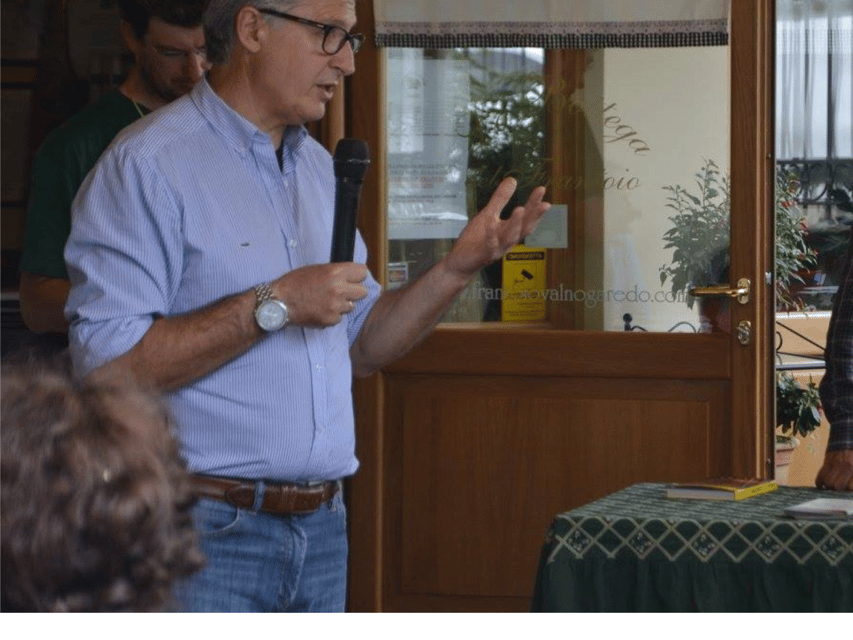
Book it if you want a small, authentic food experience with a strong connection to the Euganean Hills. The mix of old granite stones, modern cold extraction, certified regional oils, and local spreads gives you more substance than a simple tasting counter.
I would especially choose it when you have a car and can pair the visit with Arquà Petrarca or another stop in the Colli Euganei. The one-hour schedule is efficient, the English and Italian guides make it accessible, and the personal format has worked well for couples and families.
Skip it if transport is a problem or if you want a full meal and a long farm visit. For the right visitor, though, $47 buys a useful lesson in one of Italy’s most important kitchen ingredients, served in the place where it is made.
FAQ
How long does the olive mill experience last?
The activity lasts one hour, with a 45-minute guided tour followed by a 15-minute food tasting. It begins and ends at Frantoio di Valnogaredo.
How far is the mill from Padua?
The mill is about 45 minutes away by car from Padua. Transport from Padua is not included, so you must arrange your own way to Valnogaredo.
What languages are available?
The live tour is offered in English and Italian. Guides including Claudia and Clara have led English-language visits.
What will I taste?
You will taste several extra virgin olive oils, including D.O.P. Veneto Euganei and Berici oils, organic varieties, and the Rasara monocultivar. The tasting comes with fresh bread, black and green olive pâtés, basil pesto, sun-dried tomato pâté, and olives in brine.
Is the experience wheelchair accessible?
Yes, the activity is listed as wheelchair accessible. Details about the exact orchard walk are not specified, so confirm the route if you plan to use the self-guided walk.
Can I cancel the booking?
You can cancel up to 24 hours before the activity for a full refund. You can also reserve now and pay later.
Just added around Padua
- Live Padua as a local★ 5.0 · 43 reviews
- Padova: Digital Guide made with a Local for your tour★ 4.1 · 53 reviews
- Best of Padova: Private Walking Tour with a Local★ 3.8 · 56 reviews
- Padua: Scrovegni Chapel Ticket and Audio Guide★ 3.9 · 61 reviews
- Padua: Jewish Heritage Museum and Synagogue Tour★ 4.9 · 109 reviews
- Padova: Baptistery of the Cathedral & Museum of the Diocese★ 4.6 · 128 reviews
- Padua Hop-on Hop-off Tour: 24-Hour Ticket★ 3.5 · 134 reviews
- Cesarine: Small group Pasta and Tiramisu class in Padua★ 4.5 · 13 reviews
Food & Drink, compared.
Eat Like a Local: Venice 3-Hour Small-Group Food Tasting Tour
Read our review →
Street Food Tour with a Local Guide and Tastings
Read our review →
Venice Like a Local: Food, Wine & Spritz Tour with Traghetto Ride
Read our review →
Venice Bacaro Food Tour: Eat and Drink like a Venetian
Read our review →
Eat, Drink and Repeat: Wine and Food Tasting Tour in Venice
Read our review →
Food Tasting Tour with Cicchetti Dishes and Wine
Read our review →
Sunset Walking Tour with Food and Wine Tastings
Read our review →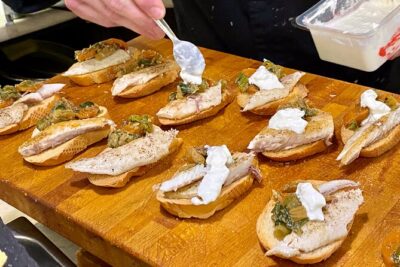
Venice Street Food Tour with Local Guide with Local Food Market Visit
Read our review →Browse the lists this tour appears in