
Reviewed · AUDIO TOURS
Padua: Scrovegni Chapel Ticket and Audio Guide
The Scrovegni Chapel is one of those places where a short visit can carry real weight. Inside, Giotto’s 14th-century frescoes cover the walls with vivid scenes from the lives of Mary and Christ, and the color still has remarkable force. The chapel is part of Padua’s UNESCO-listed fresco cycles.
I like the skip-the-ticket-line entry, since advance booking matters here and available places are limited. I also like that the seven-track audio guide adds context about both the chapel and Padua, including the university and Erbe Square, so you get more than a quick look at painted walls.
The main drawback is value. At $36 per person for about 30 minutes, this is costly for a ticket and audio guide, especially when a short introductory video is also part of the admission process and some visitors found the audio guide basic. Booking through Padua’s official museum channels may cost less.
In This Review
- Key points to know before booking
- Why Giotto’s Scrovegni Chapel matters
- What happens during the 30-minute visit
- Giotto’s fresco cycle, room by room in your attention
- What the seven audio tracks add
- Is $36 a fair price?
- Timing, tickets, and practical preparation
- Who will get the most from this experience?
- How to make the most of a short entry
- Should you book the Scrovegni Chapel ticket and audio guide?
- FAQ
- Where does the experience meet?
- How long does the visit last?
- What does the ticket include?
- How many tracks are included in the audio guide?
- What does the audio guide cover?
- Is the Scrovegni Chapel a UNESCO World Heritage Site?
- Do I need to book in advance?
- When will I receive my entrance ticket?
- How early should I arrive?
- Can I take photographs inside the chapel?
- Are large bags or luggage allowed?
- Is the experience wheelchair accessible?
- Can I cancel my booking?
- Can I pay later?
Key points to know before booking
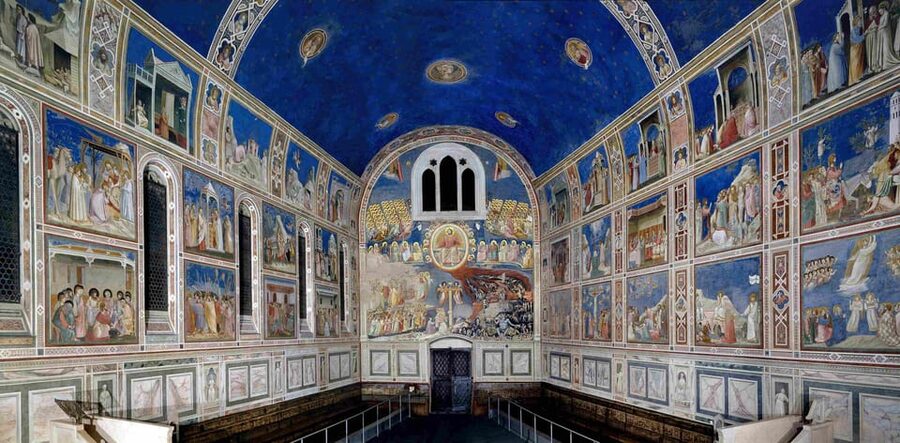
- Giotto’s masterpiece is the main event: The Scrovegni Chapel contains the artist’s greatest fresco cycle, known for its intense color and importance in Western art.
- Your visit lasts about 30 minutes: This is a focused chapel visit, not a broad guided tour of Padua.
- The audio guide has seven tracks: It covers the chapel, the University of Padua, and Erbe Square.
- Advance planning is essential: Entry is limited, tickets are sent the day before, and you should arrive at least 20 minutes early.
- The group is limited to 10 people: That keeps the entry process smaller, though the audio guide means this is not a long live-guided walk.
- The price deserves a close look: The chapel is exceptional, but $36 is high if you mainly want admission and standard commentary.
Why Giotto’s Scrovegni Chapel matters
The Scrovegni Chapel was commissioned by Enrico Scrovegni and dedicated to Santa Maria della Carità. Its fame comes from the complete cycle of frescoes painted by Giotto, the Tuscan artist whose work helped change the direction of Western art.
You do not need to be an art expert to feel the difference between this chapel and an ordinary historic church. Giotto’s scenes are arranged as a visual story, with figures, gestures, expressions, and color carrying the action from one panel to the next. The chapel gives you a concentrated experience rather than a huge museum collection to work through.
The color is a major reason the visit feels so special. The frescoes are known for their intense coloring, and the enclosed setting lets you see the cycle as a single artistic project. Instead of viewing one painting in isolation, you look around and grasp how the whole room works together.
This is also why a short visit can be enough to make an impression. You are not trying to see dozens of rooms. You are entering one carefully planned space and spending a limited amount of time with one major work.
A few more Padua days to weigh up
- Padova Walking Tour with Audio and Written Guide by a Local
★ 4.5 · 61 reviews - Venice: Grand Canal Gondola Ride with App Commentary
★ 4.1 · 18,908 reviews - Venice: La Fenice Opera House Entry Ticket with Audio Guide
★ 4.6 · 11,742 reviews
What happens during the 30-minute visit
The advertised duration is 30 minutes, so you should think of this as a timed chapel entry. It is not a full-day sightseeing program, and there is no hotel pickup, food, or drink included.
Your meeting point is the entrance to the Cappella degli Scrovegni. You should arrive at least 20 minutes before your assigned entry time. That early arrival is not a minor suggestion. With limited admission and tickets sent the day before, you need time to confirm your booking and get ready without rushing.
The ticket provides admission to the chapel and an audio guide. The group size is limited to 10 participants, which can make the arrival process feel more manageable than a large tour group. Still, the audio guide is the heart of the commentary, so you should not expect a personal art historian leading a long discussion inside.
Before entering, you may see a short video explaining the chapel and its paintings. This can help you understand the setting before the main visit, but it also affects how you judge the audio guide. If you already know Giotto’s work or have read about the chapel, the commentary may feel like a basic introduction rather than a specialist lesson.
Inside, your attention belongs on the frescoes. The chapel is famous for its complete visual program, so take time to look at the scenes as a sequence. Do not spend the whole visit trying to capture images. Flash photography is forbidden, and the information says that photography is not allowed inside at all, to protect the frescoes.
Giotto’s fresco cycle, room by room in your attention
There is no separate list of stops inside the chapel because the chapel itself is the stop. That sounds simple, but it changes how you should use the 30 minutes.
Begin by looking at the overall design. Notice how the frescoes turn the walls into a continuous narrative rather than a collection of unrelated pictures. Then let your eyes move closer to the individual scenes, where Giotto’s figures and gestures give the stories a human scale.
The intense color is not a small detail. It is one of the features specifically associated with the chapel, and it helps the scenes read clearly within the room. You might find yourself drawn first to the broad blocks of color, then to the faces and small actions that give each panel its meaning.
The audio guide can help you follow this arrangement. Since the guide includes information about the chapel itself, use those tracks to understand what you are seeing rather than listening passively while looking around. A 30-minute entry goes quickly, so having a sense of the layout before you enter is useful.
The chapel’s UNESCO status also gives the visit wider importance. In 2021, the Scrovegni Chapel became part of the serial UNESCO World Heritage Site called The frescoed cycles of the 14th century in Padua. The designation covers the unique fresco cycles found across the city, and the Scrovegni Chapel is the best-known part of that group.
You do not need to treat the UNESCO label as the reason to book. Giotto’s work is the reason. The designation simply confirms that the chapel is part of a larger artistic story in Padua.
What the seven audio tracks add
The audio guide contains seven tracks. Some concern the Scrovegni Chapel, while others introduce the University of Padua and Erbe Square.
That wider scope is useful if you are using this ticket as a first look at the city. The University of Padua is an important part of the city’s identity, and Erbe Square gives you a sense of Padua beyond the chapel. The audio guide can help connect your chapel visit with other places you may see during the day.
Keep your expectations in check, though. The guide is not described as a private expert-led commentary, and one detailed assessment found the information too standard for the price. Another visitor reported that the audio guide was missing altogether, while other bookings were described as perfectly organized. That means you should confirm that the guide is included when your tickets arrive the day before.
If the audio guide is important to your decision, check the supplied materials as soon as you receive them. The admission ticket is the essential part of the experience. The commentary is a useful extra, but it should not be the only reason you pay a premium.
A different sort of day out around Padua:
- Padua to Venice Boat Cruise of the Brenta Riviera
★ 4.5 · 418 reviews - Tasting Prosecco with appetizers
★ 5.0 · 217 reviews - Full-Day Padua to Venice Burchiello Brenta Riviera Boat Cruise
★ 4.5 · 198 reviews - Prosecco tasting, appetizers and tour of the cellar and vineyards
★ 5.0 · 178 reviews
Is $36 a fair price?
The price is $36 per person. For a 30-minute visit, that is expensive by normal sightseeing standards.
The chapel itself can justify a special admission cost because it contains an important and fragile work of art. Advance entry, limited capacity, and conservation rules also make this different from walking into an ordinary church. You are paying for access to a protected site at a set time.
The question is how much extra you pay for the booking service and audio guide. Several Italian visitors specifically advised booking through the official Padua Civic Museums channels instead, saying the direct price can be better. One person described the cost with audio commentary as disproportionate because the introductory video already explained much of the visit.
I would compare the official price before booking this package. If the difference is small, the convenience of a ready-made booking and skip-the-line entry may be worth it. If the official channel is much cheaper, the added value here becomes harder to defend.
This is a good example of a tour where the attraction itself receives the strongest praise, not necessarily the add-ons. You should book for Giotto and the convenience of timed entry. You should not book expecting a long, detailed private lecture.
Timing, tickets, and practical preparation
Booking in advance is required because entry is limited. Do not assume you can arrive in Padua and find a place at the door, especially if your schedule is tight.
Tickets are sent the day before the visit. Check your email carefully, and make sure you know where to present the ticket when you arrive. A booking problem was reported at the entrance, with difficulty getting tickets recognized, so arriving early gives you a better chance to sort out any issue.
The advice to arrive 20 minutes before entry is especially important here. The visit is short, and losing ten minutes to confusion would take a large part of your time inside.
Wear comfortable shoes. You are not signing up for a long walk, but you may be standing during the entry process and the chapel visit. Large bags and luggage are not allowed, so leave suitcases and bulky items elsewhere before you go.
Photography is not allowed inside the chapel. This rule protects the frescoes, but it also means you should prepare to experience the room without relying on your phone. Read a little about Giotto before arriving, or listen closely to the guide, so the visual details have some context.
The activity is not suitable for wheelchair users, according to the supplied accessibility information. If access needs affect your plans, confirm the current arrangements with the provider or venue before paying.
Who will get the most from this experience?
I would recommend this visit to anyone who wants to see Giotto’s work in person and has a limited amount of time in Padua. It is also a good fit for art lovers who prefer one major work over a long list of smaller sights.
The visit can suit first-time visitors because the audio guide adds basic information about the chapel and two other Padua landmarks. The small group limit of 10 may also appeal to you if you dislike large organized groups.
Families with older children may find the 30-minute format manageable. The visual storytelling and strong colors give younger visitors something concrete to look at, though the no-photography rule and quiet chapel setting require cooperation.
I would hesitate if you want a full guided tour of Padua. The audio guide includes the university and Erbe Square, but this is still primarily a chapel ticket. It does not include transportation, hotel pickup, meals, or a long walking route through the city.
I would also hesitate if you are highly price-sensitive. The chapel is worth seeing, but the package may not be the best deal when the official museum channels offer a lower ticket price.
How to make the most of a short entry
Read the arrival instructions before the day of your visit. Since the ticket comes the day before, do not leave the email unopened until you are standing at the venue.
Arrive 20 minutes early, keep your belongings light, and be ready to follow the no-photography rule. You will get more from the chapel if you are not distracted by bags, phone settings, or a last-minute ticket problem.
Use the first moments inside to take in the full room. Then focus on individual frescoes and details. The audio guide is best used as a companion to what you see, not as something that replaces looking.
If you have extra time in Padua, listen to the tracks about the University of Padua and Erbe Square before or after the chapel. Those sections can help you connect this single site with the city around it.
The cancellation terms are generous enough for flexible planning: you can cancel up to 24 hours in advance for a full refund. You can also reserve now and pay later, which helps if your Padua schedule is still shifting.
Should you book the Scrovegni Chapel ticket and audio guide?
Book it if seeing Giotto’s Scrovegni Chapel is a priority and you value a timed reservation with skip-the-line entry. The fresco cycle is the clear star, and the 30-minute format fits neatly into a day in Padua.
Before paying $36, compare the official Padua Civic Museums price. If a direct ticket is notably cheaper, buy through the official channel and treat the audio guide as optional. If convenience matters more than saving a few dollars, this package gives you a simple route into one of Europe’s great fresco interiors.
The best reason to go is the art. The weakest reason is the promise of a detailed audio experience. Keep that distinction in mind and you can make a clear, sensible booking decision.
FAQ
Where does the experience meet?
Meet at the entrance to the Cappella degli Scrovegni in Padua.
How long does the visit last?
The stated duration is 30 minutes.
What does the ticket include?
It includes admission to the Scrovegni Chapel and an audio guide.
How many tracks are included in the audio guide?
The audio guide has seven tracks.
What does the audio guide cover?
It includes information about the Scrovegni Chapel, the University of Padua, and Erbe Square.
Is the Scrovegni Chapel a UNESCO World Heritage Site?
Yes. It was added in 2021 as part of the serial UNESCO site The frescoed cycles of the 14th century in Padua.
Do I need to book in advance?
Yes. Advance booking is required because entry is limited.
When will I receive my entrance ticket?
The entrance tickets are sent the day before the visit.
How early should I arrive?
You should arrive at least 20 minutes before your entry time.
Can I take photographs inside the chapel?
No. Photography is not allowed inside, and flash photography is also forbidden.
Are large bags or luggage allowed?
No. Luggage and large bags are not allowed.
Is the experience wheelchair accessible?
The activity is listed as unsuitable for wheelchair users.
Can I cancel my booking?
Yes. You can cancel up to 24 hours in advance for a full refund.
Can I pay later?
Yes. The reserve-now-and-pay-later option lets you book without paying immediately.
Just added around Padua
- Live Padua as a local★ 5.0 · 43 reviews
- Padova: Digital Guide made with a Local for your tour★ 4.1 · 53 reviews
- Best of Padova: Private Walking Tour with a Local★ 3.8 · 56 reviews
- Padua: Jewish Heritage Museum and Synagogue Tour★ 4.9 · 109 reviews
- Padova: Baptistery of the Cathedral & Museum of the Diocese★ 4.6 · 128 reviews
- Padua Hop-on Hop-off Tour: 24-Hour Ticket★ 3.5 · 134 reviews
- From Padua: Olive Oil & Wine in the Euganean Hills★ 4.5 · 17 reviews
- Cesarine: Small group Pasta and Tiramisu class in Padua★ 4.5 · 13 reviews
Audio Tours, compared.
La Fenice Opera House Entry Ticket with Audio Guide
Read our review →
Juliet’s House Fast-Track Entry Ticket & Audio Guide
Read our review →
Gondola Tour under the Bridge of Sighs & Audio Guide
Read our review →
St. Mark’s Basilica Priority Ticket and Audio Guide
Read our review →

Miramare Castle & Museum Entry Ticket & Audio App
Read our review →Browse the lists this tour appears in