Reviewed · TOURS
Teatro La Fenice Tour in Venice
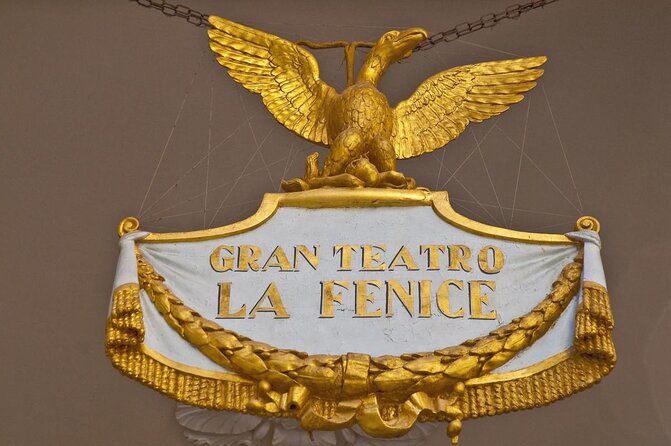
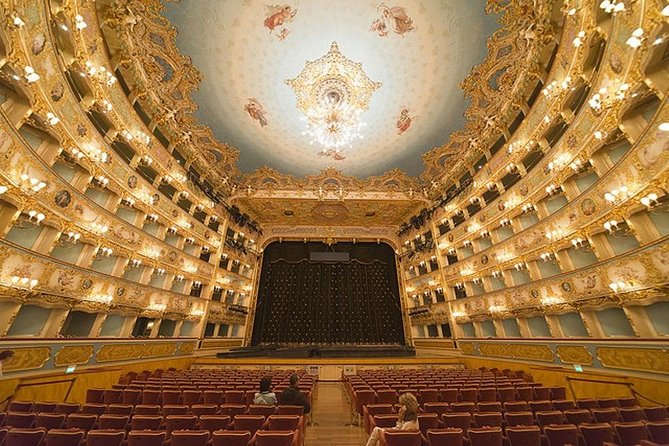
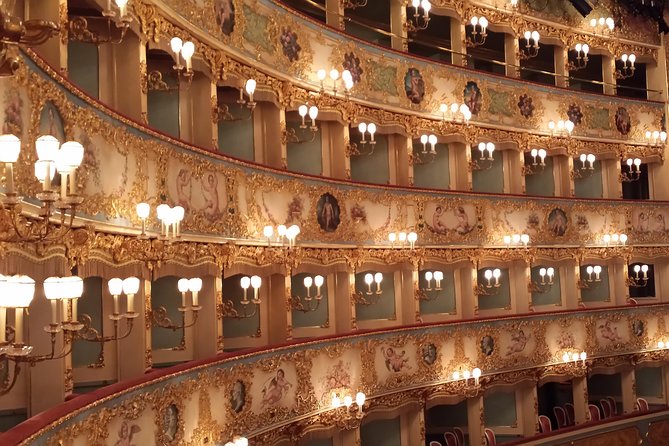
Teatro La Fenice is more than a pretty opera house. It is a survivor. The name means phoenix, and the theater has twice risen from devastating fires. Inside, you’ll see gilded boxes, velvet seating, ornate rooms, and the Royal Box while a guide explains how this stage became one of Venice’s great cultural symbols.
I like the tour’s strong sense of place and its focus on stories that make the building easier to understand. The tale of the two fires, the French and Austrian periods, Verdi’s La Traviata, and famous figures such as Maria Callas and Napoleon give the decorations a human backdrop. I also like that the group is limited to 20 people and that the admission ticket is included.
The main caution is that the visit is short, usually about 45 minutes inside the theater, with no backstage access or special orchestra-pit visit. Guide quality can vary, too. Guides including Nicole, Vanda, Wanda, and Nikko have been praised for clear explanations, while some sessions have suffered from rushed delivery, low volume, or mixed English and Italian commentary.
In This Review
- Key points to know before you book
- Why La Fenice deserves a place in your Venice plans
- Meeting in central Venice at Campo San Luca
- Inside the theater: foyer, auditorium, and gilded boxes
- The Royal Box and the theater’s social history
- The fires and the phoenix story
- Famous names from Verdi to Maria Callas
- How the guide can shape the experience
- Is $30.04 good value for one hour?
- Timing, group size, and practical expectations
- Who should book Teatro La Fenice?
- Should you book it?
- FAQ
- How long does the Teatro La Fenice tour last?
- What time does the tour start?
- Is the tour offered in English?
- Is admission to Teatro La Fenice included?
- Does the tour include the Royal Box?
- Does the tour include backstage access or the orchestra pit?
- What is the cancellation policy?
Key points to know before you book
- Two fires shaped the theater you see today: La Fenice was rebuilt after burning twice, making its name, the phoenix, unusually fitting.
- The Royal Box is a highlight: You can see this ornate area, with historical links to Napoleon, even though backstage access is not included.
- The visit is brief but focused: Plan on roughly 45 minutes in the theater, or about one hour for the whole activity.
- English is offered, but confirm the language arrangement: Some sessions have combined English and Italian groups, which can slow the presentation.
- The meeting details deserve care: The tour information refers to Bucintoro Viaggi in Campo San Luca, while another location reference lists Teatro La Fenice itself.
- The price is fair for a first visit: At $30.04, you pay for admission plus a guided introduction, not a performance or behind-the-scenes tour.
Why La Fenice deserves a place in your Venice plans
Venice has no shortage of ornate interiors, but La Fenice gives you a different view of the city. St. Mark’s Basilica and the Doge’s Palace tell stories through religion and government. La Fenice tells them through music, social life, ambition, fashion, and public spectacle.
The theater was built in the late 18th century as a place for opera and Venetian society. It became a meeting place for the city’s cultural elite, then a stage for major singers, composers, conductors, and patrons. The building’s decoration was designed to impress a crowd dressed for the evening, not simply to provide a practical performance space.
That distinction matters. If you only walk past the theater, you see an elegant facade in Campo San Fantin. Once inside, you begin to understand how much of the experience depended on ceremony. The entry spaces, boxes, auditorium, and Royal Box all helped turn an opera night into a social event.
I find the theater especially worthwhile if you do not normally attend opera. You do not need to know Verdi or recognize every architectural detail. The guide’s stories give you enough context to appreciate why this building mattered to Venice and why its destruction caused such a shock.
A few more Venice days to weigh up
- Venice: Doge’s Palace Reserved Entry Ticket
★ 4.6 · 42,716 reviews - Venice: Grand Canal Gondola Ride with App Commentary
★ 4.1 · 18,908 reviews - Boat Trip: Glimpse of Murano, Torcello & Burano Islands
★ 4.3 · 15,699 reviews
Meeting in central Venice at Campo San Luca
The experience is described as beginning at the Bucintoro Viaggi travel agency in Campo San Luca, one of Venice’s central squares. From there, you take a short walk to the theater. The supplied meeting information also lists Teatro La Fenice at Campo San Fantin, so I would read your confirmation carefully and verify the exact meeting point before setting off.
This is a useful detail in Venice, where a location that looks close on a map may involve several bridges and confusing lanes. Give yourself extra time, especially if you are arriving from the train station, Piazzale Roma, or the Rialto area. The tour starts at 12:30 pm.
There is no hotel pickup or drop-off. That is normal for a central Venice visit, and in this case it keeps the price down. You make your own way to the meeting point and return there when the activity ends.
The theater is near public transportation, and most people can participate. If you are making a day trip from outside Venice, check the city’s access-fee rules before you go. Certain dates require a fee for day visitors, with exemptions and specific dates handled through the official Venice access-fee website.
Inside the theater: foyer, auditorium, and gilded boxes
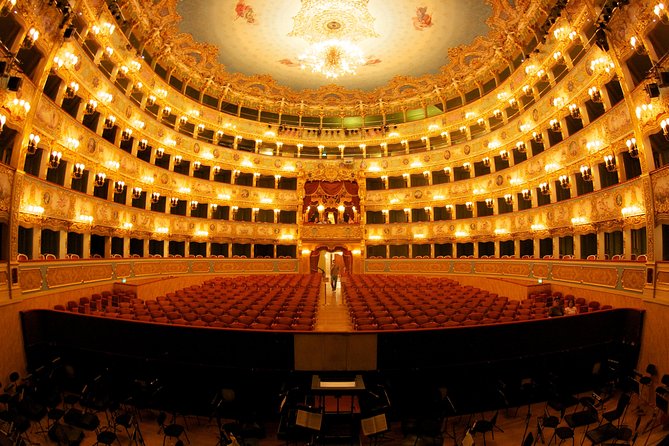
Once you enter La Fenice, the decoration takes over. Expect lavish Baroque-style interiors, gilded details, velvet seating, and private boxes arranged around the auditorium. The guide begins by explaining the building and then brings the group into the theater spaces.
The auditorium is the heart of the visit. This is where the stories of famous performances become more meaningful. La Fenice has hosted major opera productions, symphonic seasons, ballet, chamber music, and contemporary works by Venetian composers such as Luigi Nono and Bruno Maderna.
The program has also included complete symphony cycles by Beethoven, Schumann, Brahms, and Mahler. You may not hear every musical detail during a short tour, but this information helps you see La Fenice as more than a historic opera venue. It remains an active theater with a serious program.
The group may sit in the auditorium while the guide explains the theater’s past and function. This pause is useful because it lets you look upward and around instead of simply following someone from room to room. The strongest guides use this time to explain how the boxes worked, who occupied them, and how opera blended entertainment with status.
One practical limitation is that access can vary. One visit may allow a clear view of the seating area, while another may not. The Royal Box is generally a key part of the route, but the exact spaces open to the public can depend on theater operations, rehearsals, or other restrictions.
The Royal Box and the theater’s social history
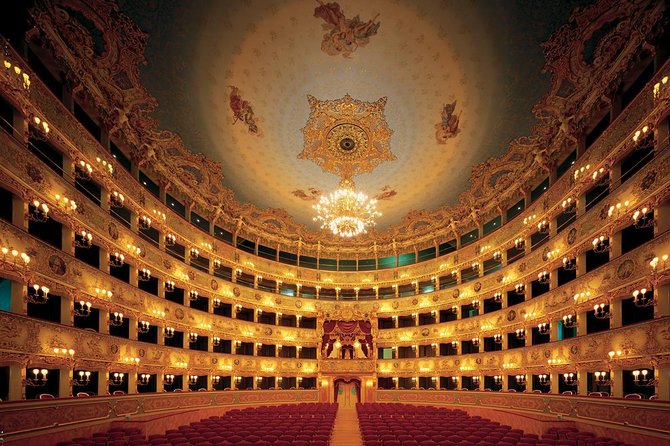
The Royal Box gives the tour one of its most memorable stops. It is more ornate than the standard private boxes and carries the political history of the building with it.
Napoleon sat in the Royal Box, a detail that helps connect La Fenice to Venice’s changing rulers. French occupation, Austrian rule, and Italian independence all left marks on the theater’s story. The building was not isolated from politics. Opera houses were places where power, money, and public identity met.
The guide also explains how the theater functioned for its audience. The private boxes were not simply premium seats. They were social spaces, and the arrangement of the auditorium reflected the structure of society at the time.
You can expect to see smaller rooms used for recital-style events or other musical gatherings. These spaces provide a useful contrast with the grand auditorium. They show that La Fenice was designed for more than one type of performance.
Do not book this tour expecting to walk backstage, inspect the orchestra pit, or see the machinery behind the curtain. Those features are not included. The focus is on public interiors, architecture, the auditorium, the Royal Box, and the theater’s past.
A different sort of day out around Venice:
- Venice: Grand Canal by Gondola with Live Commentary
★ 4.1 · 13,681 reviews - Venice: La Fenice Opera House Entry Ticket with Audio Guide
★ 4.6 · 11,742 reviews - Doge’s Palace & St. Mark’s Basilica with Terrace Access Tour
★ 4.7 · 10,697 reviews - Venice: Burano, Torcello & Murano Boat Tour w/Glassblowing
★ 4.4 · 10,245 reviews
The fires and the phoenix story
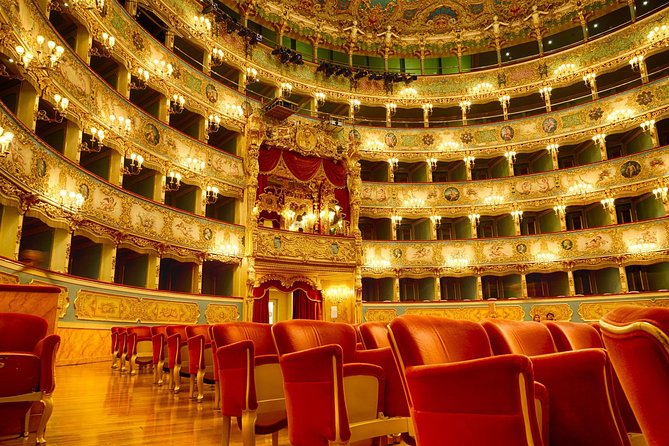
The most powerful part of the tour is often the account of La Fenice’s two fires. The original theater burned to the ground, and it later suffered another devastating fire. Each time, the building was restored and returned to use.
That history gives the name La Fenice real force. A phoenix is a creature that rises from its ashes, and this theater has done exactly that. The restoration work was extensive and costly, returning the interior to its former appearance while bringing the building back into modern operation.
A guide can point out how the restored decoration preserves the theater’s old character. The goal is not to make the building look new in a modern way. It is to recover the visual world of the historic theater, with its gilding, color, boxes, and formal design.
I would pay close attention during this section. The fires are not just a dramatic anecdote. They explain why the building can feel both old and renewed at the same time. They also explain the care taken with the interior details.
Famous names from Verdi to Maria Callas
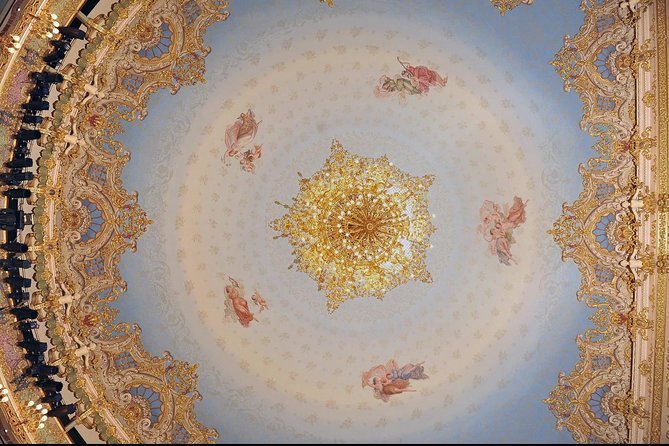
La Fenice’s artistic story gives the tour added weight. Giuseppe Verdi’s La Traviata is closely linked with the theater, and the guide may discuss prestigious operas and major performances that took place there.
Maria Callas is another name connected with the theater’s appeal. Her career and performances remain part of the wider story of Italian opera, and hearing her mentioned inside La Fenice adds a personal touch to the visit.
The theater’s program has also included prominent conductors, major symphonies, ballets, chamber music, and contemporary Venetian composers. This range helps you see the venue as a working cultural institution rather than a preserved museum.
If you are attending an evening opera after the tour, the daytime visit can make the performance more rewarding. You will recognize the auditorium and understand the setting before the lights go down. If no performance is on your schedule, the tour still gives you a compact introduction to one of Venice’s most important interiors.
How the guide can shape the experience
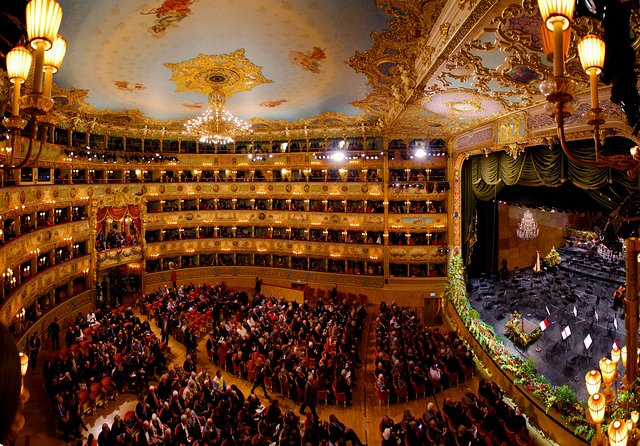
The local guide is central to the value of this activity. A good guide makes the gold, velvet, and painted details speak. Nicole, Vanda, Wanda, and Nikko have all been singled out for clear, friendly, or highly informed presentations.
A strong guide can also answer questions about the theater’s architecture and operation. One guide was praised for explaining details clearly and moving at an easy pace. Another was appreciated for handling general questions and arriving on time.
The weaknesses are worth keeping in mind. Some sessions have included English and Italian speakers together, requiring the guide to repeat each explanation. That can make a 45-minute visit feel even shorter. A few guides have spoken too softly, turned away from the group, hurried through the rooms, or offered little eye contact.
This is partly a group-management issue. With up to 20 people, it helps to stay close to the guide and position yourself where you can hear clearly. If you cannot hear, ask politely for the guide to speak up. The quality of the information may be good even when the delivery is rushed.
The tour is offered in English, but I would confirm that your particular departure is set up as an English-language group. If you prefer a slower, self-paced visit, an audio guide available directly through the theater may be worth comparing with this guided option. The advantage of the tour is the chance to ask questions and have the building explained as you move through it.
Is $30.04 good value for one hour?
At $30.04 per person, this is a reasonable price if you want a guided introduction and included admission. You are paying for a short cultural visit, not for an opera ticket, a rehearsal, or special backstage access.
The value depends on what you want. If you mainly want to see the interior and take photographs, the tour gives you that chance, and you may be free to stay briefly for pictures after the guide finishes. If you want a detailed architectural study, extensive performance history, or access beyond the public areas, the short format may feel limited.
I consider the price strongest for first-time visitors who want a clear orientation without giving half a day to the theater. The visit fits easily between other central Venice sights, and it offers shelter on a rainy afternoon.
The tour is also a better buy if your guide is one of the strong presenters. A good explanation about the fires, Royal Box, famous productions, and restoration adds real value beyond simply entering the building. A rushed or quiet presentation makes the price feel closer to admission alone.
Timing, group size, and practical expectations
The listed start time is 12:30 pm, and the activity lasts about one hour. The theater portion is described as approximately 45 minutes, so plan for a compact visit rather than a long guided program.
The maximum group size is 20 people. That is not a private tour, but it is still small enough for a guide to address the group directly. Stay near the front if you want to hear every detail, especially if the guide speaks softly.
Admission is included, while tips are optional. Hotel transportation is not included. Confirmation is normally issued at booking, though reservations made within one day of travel are subject to availability and may be confirmed as soon as possible.
Free cancellation is available up to 24 hours before the start time for a full refund. Changes or cancellations made less than 24 hours before the activity are not accepted for a refund. Since theater schedules can change, I would avoid leaving this booking until the last possible moment and would check for any same-day communication before walking across Venice.
Who should book Teatro La Fenice?
I would choose this tour if you want to see an elegant Venetian opera house without committing to an evening performance. It suits first-time visitors, architecture fans, opera followers, and anyone curious about how music and politics shaped the city.
It is also a good rainy-day choice. The visit is short, central, and packed with visual detail. You do not need specialist musical knowledge to enjoy the rooms or follow the story.
I would think twice if you need guaranteed access to every part of the theater, especially backstage areas or the orchestra pit. I would also compare the guided tour with a direct theater audio guide if you prefer to move at your own pace or dislike the risk of a rushed group presentation.
Should you book it?
Book Teatro La Fenice if the building itself interests you and you value a guide who can connect the decoration to Verdi, Maria Callas, Napoleon, the city’s changing rulers, and the two fires. At $30.04, it is a fair way to see the public interiors and the Royal Box in about an hour.
Before paying, check the meeting point, confirm the English arrangement, and understand that backstage access is not included. If you accept those limits, La Fenice offers one of Venice’s most memorable indoor visits, especially when you take time to look past the glitter and think about the theater’s repeated return from ruin.
FAQ
How long does the Teatro La Fenice tour last?
The activity lasts approximately one hour. The theater visit itself is listed as about 45 minutes.
What time does the tour start?
The stated start time is 12:30 pm.
Is the tour offered in English?
Yes. English is offered, though some sessions may combine English-speaking and Italian-speaking participants.
Is admission to Teatro La Fenice included?
Yes. The admission ticket to Teatro La Fenice is included in the activity.
Does the tour include the Royal Box?
Yes. The Royal Box is included among the areas described for the visit.
Does the tour include backstage access or the orchestra pit?
No. Backstage access and a special orchestra-pit visit are not included.
What is the cancellation policy?
You can cancel up to 24 hours before the local start time for a full refund. Cancellations or changes made less than 24 hours before the start time are not accepted for a refund.
Just added around Venice
- Exclusive Private Venice Jewish Ghetto Tour★ 5.0 · 41 reviews
- The Secret Corners of Burano★ 5.0 · 41 reviews
- Verona: Private 2-Hour Walking Tour★ 4.9 · 41 reviews
- Venice: 3-Course Dining Experience at Local Home★ 4.8 · 41 reviews
- Wine Tasting in Venice★ 4.6 · 42 reviews
- St Mark’s Basilica & Doge’s Palace Skip the Line – Semi-Private★ 5.0 · 42 reviews
- Venice Skip lines at Doge’s & St. Mark’s with Exclusive Sky Walk★ 4.5 · 42 reviews
- Venice Saint Mark’s Basilica afternoon guided tour★ 4.5 · 42 reviews
Tours, compared.
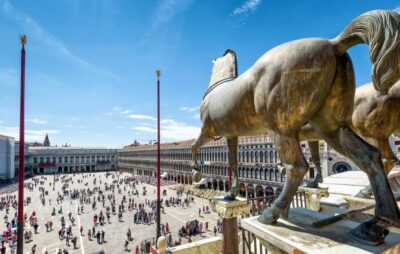
Doge’s Palace & St. Mark’s Basilica with Terrace Access Tour
Read our review →
Burano, Torcello & Murano Boat Tour w/Glassblowing
Read our review →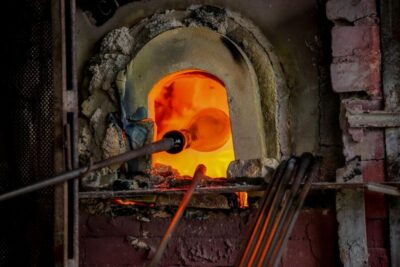
Murano and Burano Boat Tour with Glass Factory Visit
Read our review →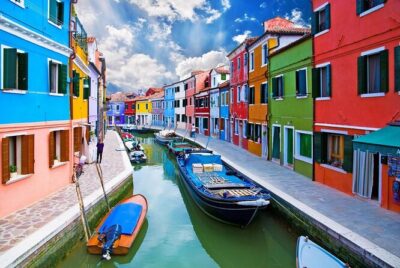
Murano, Burano and Torcello Half-Day Sightseeing Tour
Read our review →
Murano & Burano Islands Guided Small-Group Tour by Private Boat
Read our review →
Murano & Burano Panoramic Boat Tour w/ Glassblowing
Read our review →
Murano, Burano, Torcello, and Glass Factory Tour
Read our review →