
Reviewed · TRIESTE TOURS
Trieste: Flavors of Istria Tour to Hum, Grožnjan, & Motovun
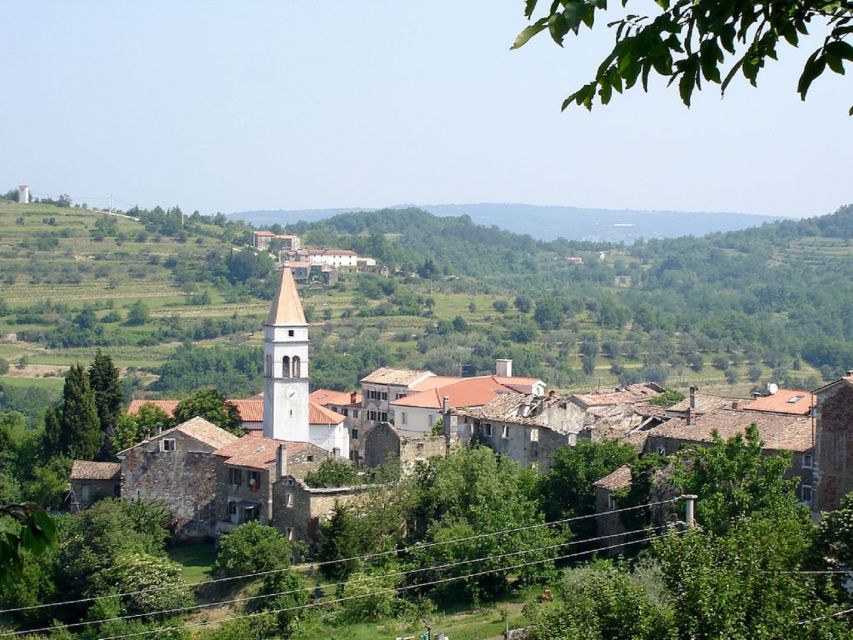
Istria’s best surprise is how much flavor and character can fit into a short trip inland. From Trieste, you head toward Hum, Grožnjan, and Motovun, three stone-built villages where hilltop views, old lanes, and local food provide a fine change from the city.
I like the mix of small-town walking and food tasting, and I like that the guide handles the driving across the border area. Guides such as Dean add useful local context and humor. The main caution is value: tastings may be modest samples, lunch is not included, and cruise passengers with an early return time may not reach every stop.
In This Review
- Key points at a glance
- Why this Istrian day trip is different from a standard excursion
- Setting out from Trieste by arranged transport
- Hum, the tiny town with a big claim
- Grožnjan, where food meets art and music
- Motovun and the best hilltop views
- What the food tasting really adds
- Is $141 a fair price?
- The guide can shape the whole day
- Who will enjoy this tour most
- Practical advice before you reserve
- Should you book the Hum, Grožnjan, and Motovun tour?
- FAQ
- How long does the Istrian village tour last?
- What villages are included?
- What food and drinks are included?
- Is lunch included?
- Where is pickup in Trieste?
- What language is the tour conducted in?
Key points at a glance
- Hum is presented as the world’s smallest town, giving the day an unusual first stop rather than a standard sightseeing visit.
- Grožnjan brings art, music, and food together, with tastings of wine, liquors, cheese, truffle products, and marmalades.
- Motovun gives you the grandest views, from one of Istria’s best-known medieval hill towns.
- Dean is one guide to look for, praised for his humor, local character, and clear explanations.
- The $141 price includes transport, pickup, a guide, insurance, and tastings, but not lunch and possibly not enough food to replace it.
- Cruise passengers should check the timing carefully, since a delayed start or early ship departure can shorten the village visits.
Why this Istrian day trip is different from a standard excursion
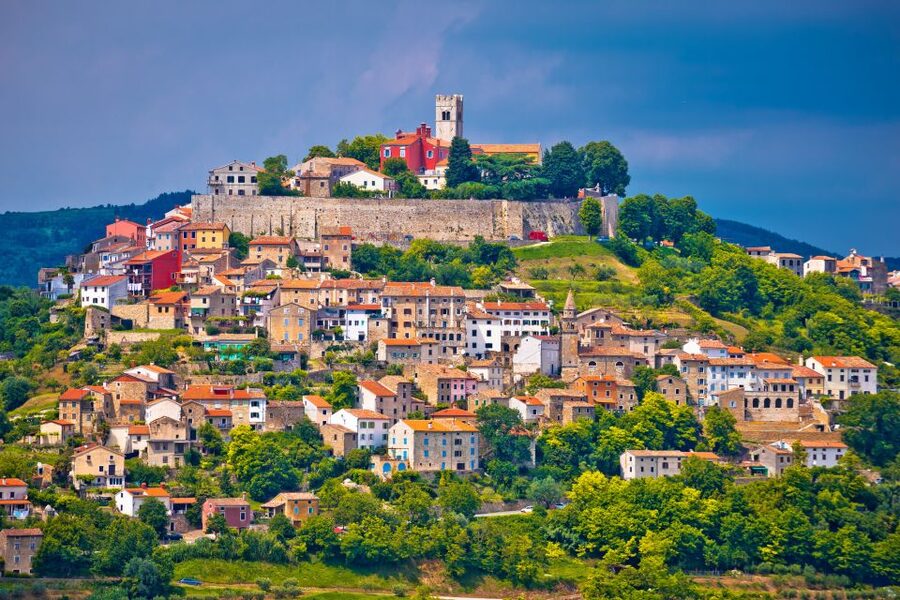
This is not mainly a monument tour. It is a day of moving through three small settlements, getting a feel for Istria’s stone architecture and hill country, and sampling the food that gives the region its identity.
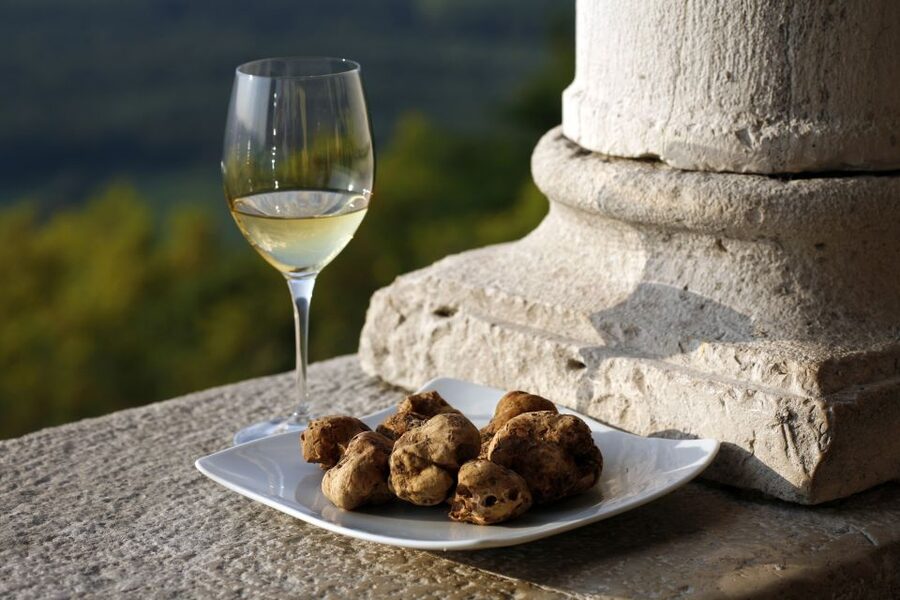
Istrian cooking draws on olive oil, seafood, seasonal vegetables, aromatic plants, and local products such as truffles. You will taste wine, local liquors, cheeses, truffle products, and marmalades, but the food side is best understood as an introduction rather than a full meal.
The route also gives you a look at inland Istria, an area shaped by Mediterranean weather, green vegetation, and centuries of changing cultural influences. You get the coast-adjacent setting without spending the day beside the water.
At seven hours, the tour is long enough to feel like a real outing but short enough to fit into a Trieste stay. That makes it useful for someone who has already seen the main squares and waterfront and wants a broader sense of the region.
A few more Trieste days to weigh up
- Trieste Bus Tour with Audio Guide
★ 4.5 · 1,648 reviews - Trieste Bus Tour with Audio Guide
★ 4.0 · 214 reviews - Trieste: Miramare Castle & Museum Entry Ticket & Audio App
★ 4.2 · 213 reviews
Setting out from Trieste by arranged transport
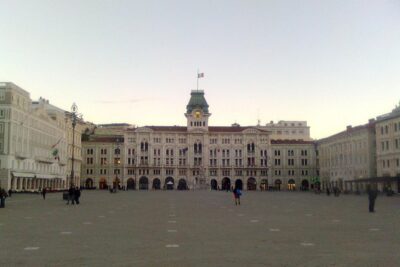
Hotel pickup takes place at a central meeting point in front of Hotel Savoia Excelsior Palace on Riva del Mandracchio 4, close to Piazza Unità d’Italia. If you are staying elsewhere, this location is practical because it is near one of Trieste’s main landmarks.
Cruise passengers have a different arrangement. Pickup is at the cruise terminal where the ship is docked. That is a major convenience, but it also makes timing more important. A seven-hour tour does not leave unlimited room for a late ship arrival, traffic, or a long return transfer.
Your transport and driver are included, along with an English-speaking guide. The guide is a large part of the experience because the villages are small and the pleasure comes from understanding what you are seeing, not simply walking through a pretty lane.
Dean received especially strong praise for his humor, local character, and explanations of the different areas. A good guide matters here. Without one, Hum can feel like a quick photo stop, and Motovun’s narrow streets can seem like a pleasant but vague collection of old buildings.
Hum, the tiny town with a big claim
Hum is described as the smallest town in the world. That title gives the first village a clear hook, though you should expect something compact rather than a full afternoon of sightseeing.
The appeal is in the scale. You can walk through traditional stone lanes and see how a very small hill settlement presents itself as a town with a distinct identity. It is the sort of stop where the setting matters as much as the number of sights.
I would approach Hum with modest expectations. This is not the place for a long museum visit or a packed list of attractions. Its value is that it starts the day with a curious local story and an easy walk through an old Istrian setting.
The stop also helps you notice the common thread of the route: sturdy stone buildings, village life, and views shaped by the hilltop position. Take time to look beyond the main lane. The small details, including the stonework and the arrangement of the village, are what make this stop worthwhile.
Grožnjan, where food meets art and music
Grožnjan is known as the town of artists and music. That gives it a different mood from Hum and Motovun. Here, the interest is not only the old village fabric, but also the creative identity attached to the town.
You will walk through traditional lanes and have the chance to taste local products. The tasting selection is broad: wine, local liquors, cheeses, truffle products, and marmalades. This is where the tour’s culinary theme becomes most visible.
The word tasting needs a practical footnote. The samples can be quite small, sometimes no more than the modest portions a merchant offers visitors. You should not count on them as lunch, and you may want to plan to buy food separately if you need a substantial midday meal.
That does not make the tastings useless. They let you compare several parts of Istria’s pantry in one stop and decide what appeals to you. A truffle product, a local wine, or a fruit preserve can also give you a better sense of place than a generic snack from a city café.
Grožnjan is likely to please you most if you enjoy browsing at an unhurried pace and noticing the atmosphere of a small artistic town. If you want a formal concert, a long gallery visit, or a large food spread, the supplied details do not promise those things.
A different sort of day out around Trieste:
- Trieste: 2.5-Hour Prosecco Origins Tour and Tastings
★ 4.9 · 193 reviews - Lake Bled and Ljubljana Tour from Trieste
★ 4.5 · 193 reviews - Trieste: Guided Foodie Walking Tour
★ 4.9 · 142 reviews - Postojna Cave & Predjama Castle from Trieste
★ 4.5 · 122 reviews
Motovun and the best hilltop views
Motovun is the most famous medieval town on the route and likely the visual high point of the day. Its hilltop position gives you broad views over the surrounding Istrian countryside, with the village itself providing the old-stone setting.
This is the stop where comfortable shoes matter most in practical terms, since hilltop towns naturally involve walking and changes in level. The exact walking plan is not specified, so you should be ready for a village visit rather than a fully structured museum tour.
I like Motovun as the final major sight because it gives the day a strong sense of place. Hum is unusual, Grožnjan is artistic, and Motovun supplies the grand view and the strongest medieval setting.
The drawback is time. Three villages in seven hours means none can receive the leisurely treatment of a private full-day visit. You may have enough time to walk, listen to the guide, take photographs, and taste local products, but not enough to explore every side street or stop for a long lunch.
Cruise passengers need special care here. One account describes the final city being missed because some members of the group needed to return to their ship early. That does not mean it will happen on every departure, but it shows why your ship schedule should leave a healthy margin.
What the food tasting really adds
The food is not decoration added to a sightseeing route. It gives you a way to understand Istria through ingredients connected to its climate and location.
Olive oil, vegetables, aromatic plants, wine, cheese, truffles, and fruit preserves point to a region where Mediterranean cooking meets inland farming traditions. Even small samples can be useful when they are varied and connected to the place you are visiting.
Still, you should separate sampling from dining. Lunch is not included, and the portions may be too small to satisfy you. At $141 per person, that distinction matters.
I see the tasting as one part of the package, not its whole financial justification. The price also covers pickup, transportation, the driver and guide, and insurance. You are paying for a guided cross-border-style regional outing, not just a plate of food.
If you judge the tour mainly by the amount of food served, you may feel disappointed. If you value the convenience of reaching three villages without arranging a car, plus an English-speaking guide who explains the area, the price becomes easier to defend.
Is $141 a fair price?
The answer depends on how you would otherwise reach inland Istria. The tour removes the need to arrange transport, navigate unfamiliar roads, coordinate three separate stops, and work out pickup from Trieste or the cruise terminal.
That convenience is meaningful for a short stay. A self-guided day would require a car or another transport plan, and you would lose the local commentary that connects the villages and food traditions.
The weaker point is the food value. You pay $141, but lunch is extra and the included samples may be small. One rating specifically questioned the price because the main practical inclusions felt like transport and the guide rather than a substantial culinary experience.
I would call the cost reasonable for someone who wants a guided regional outing and has limited time. I would be more hesitant if your main goal is a generous food tour. In that case, compare the price with a dedicated tasting experience in Trieste or Istria before booking.
The rating of 4.6 from seven ratings suggests that the overall experience has worked well for many people, while the lower scores point to a clear issue: expectations about the tastings and itinerary need to be realistic.
The guide can shape the whole day
This route depends more on the guide than a simple transfer would. The villages are scenic, but their stories, food traditions, and local character need explanation.
Dean was singled out for being informative, funny, and full of local character. Those qualities are especially useful on a seven-hour route, where long stretches of transport can otherwise feel like empty time.
You should expect the guide to explain the areas you pass through and help you make sense of the stops. The language listed for the tour is English, so it suits you if you want commentary in English throughout the day.
The guide also acts as the day’s timekeeper. This matters when a group includes cruise passengers with different departure needs. A well-run schedule can protect the final village visit, but the overall timing still depends on the group and the ship timetable.
Who will enjoy this tour most
I would choose this outing if you want to see more than Trieste but do not want to rent a car. It suits you particularly well if you enjoy small villages, local products, old stone streets, and scenic viewpoints more than major museums.
It also works for a first introduction to Istria. The route gives you three different village identities in one day, and the tastings offer a starting point for understanding local food.
You may want another option if you need a large lunch included, prefer a slow pace, or want deep time in one town. The itinerary covers a lot of ground, so the experience is about variety rather than long stays.
Families and mixed groups may appreciate the simple format, but the available details do not specify age limits, group size, or special child arrangements. If those factors matter to you, ask before booking.
Practical advice before you reserve
Start by checking the day’s availability and departure time. The tour lasts seven hours, but the precise starting time can vary, and that matters if you are connecting with a cruise or another scheduled activity.
If you are staying in Trieste, plan to reach the meeting point at Hotel Savoia Excelsior Palace near Piazza Unità d’Italia. Cruise passengers should use the terminal pickup and allow enough time for the return to the ship.
Bring comfortable footwear for village walking and hilltop streets. The tour is not presented as a strenuous hike, but Hum and Motovun are old settlements rather than flat modern shopping areas.
Eat a light meal before departure or carry a plan for lunch. Since lunch is not included and the tastings may be small, you should not rely on the samples to carry you through the afternoon.
The tour allows free cancellation up to 24 hours before departure and offers reserve-now, pay-later booking. Those terms help if your Trieste schedule is still shifting, though they do not change the basic need to check your cruise departure time.
Should you book the Hum, Grožnjan, and Motovun tour?
Book it if you want a convenient, guided look at inland Istria with three distinct villages and a selection of local tastes. The strongest reasons are the scenic hilltop settings, the variety of stops, and the chance to travel with a guide such as Dean, who brings humor and useful local explanation.
Be cautious if you are buying it as a full food tour. The samples can be small, lunch costs extra, and a tightly timed group may not always experience every village, especially when cruise schedules are involved.
For most visitors with one free day from Trieste, I think the route offers a worthwhile regional snapshot. Just treat the tastings as samples, not lunch, and confirm that the seven-hour schedule fits your ship or onward plans.
FAQ
How long does the Istrian village tour last?
The tour lasts seven hours. Starting times depend on availability when you book.
What villages are included?
The planned villages are Hum, described as the smallest town in the world, Grožnjan, known as a town of artists and music, and Motovun, a famous medieval town in Istria.
What food and drinks are included?
The included tastings feature wine, local liquors, food, cheeses, truffle products, and marmalades. The available details do not promise a full meal.
Is lunch included?
No. Lunch is not included, so plan to pay for your own midday meal.
Where is pickup in Trieste?
Hotel guests are picked up at a central meeting point in front of Hotel Savoia Excelsior Palace, Riva del Mandracchio 4, near Piazza Unità d’Italia. Cruise passengers are picked up at the cruise terminal where their ship is docked.
What language is the tour conducted in?
The live tour guide speaks English. A driver and guide, transportation, pickup and drop off, insurance, and tastings are included.
Just added around Trieste
- Private Tour to Slovenia from Trieste★ 4.0 · 3 reviews
- Lipica Stud Farm & Skocjan Caves – Small Group Tour from Trieste★ 4.5 · 3 reviews
- Trieste: coffee dive! espresso tasting★ 5.0 · 3 reviews
- Trieste Exploration Game and City Tour on your Phone★ 5.0 · 3 reviews
- Trieste: Freemasons and Secret Societies Guided Tour★ 4.3 · 3 reviews
- Trieste: Private Pasta-Making Class at a Local’s Home★ 3.8 · 4 reviews
- Habsburg Trieste Private Guided Walking Tour★ 5.0 · 4 reviews
- Airport transfer from Trieste Airport to Koper★ 5.0 · 4 reviews
Trieste Tours, compared.
Miramare Castle & Museum Entry Ticket & Audio App
Read our review →

Browse the lists this tour appears in