
Reviewed · CITY TOURS
Trieste: Osmiza in the city
Trieste’s osmiza tradition is less about formal wine tasting and more about how locals eat, drink, and spend time together. At Enoteca Giovinoto, you get a compact introduction to this old local custom, with Karst wines, regional food, and a short lesson in Trieste’s Central European character.
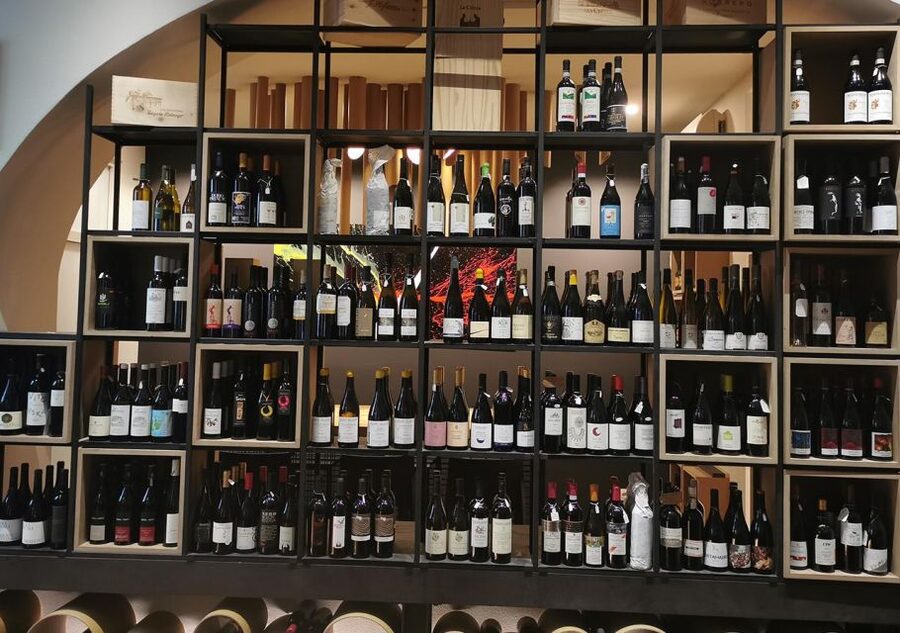
I like the central location, close to both the train station and cruise terminal, and the small private setting for two to ten adults. I also like the clear local focus: the wines come from the Karst area, and the salumi, cheeses, and Pelinkovac give you more than a standard two-glass tasting.
The main drawback is the short one-hour format. It works well as a city break or pre-cruise stop, but it leaves little time for a leisurely meal, and water is not included. Food allergies, pregnancy, and anyone under 18 also rule this one out.
In This Review
- Key points before you book
- What an osmiza means in Trieste
- Starting at Enoteca Giovinoto near the station
- The white wine: Villa de Rin Bianco
- The red wine: Kante Ludvik
- Pelinkovac and the local food platter
- A private room with useful comforts
- What you learn during the one-hour format
- Is $47 a fair price?
- Who should book this tasting?
- When this works best in your Trieste plans
- Should you book the Enoteca Giovinoto osmiza experience?
- FAQ
- Where does the Trieste osmiza tasting begin?
- How long does the experience last?
- How many people can join the private group?
- Which languages are available?
- What drinks are included?
- What food is served?
- Is water included?
- Can children join the tasting?
Key points before you book
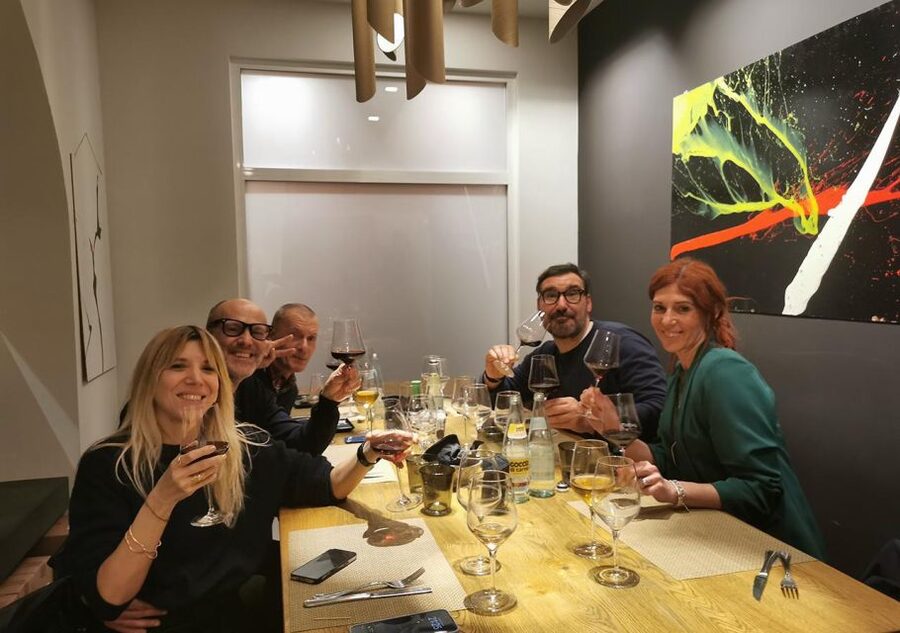
- Three local pours: Taste one white wine, one red wine, and a glass of Pelinkovac, a typical local liqueur.
- Karst flavors: The wines come from the nearby Karst area and include native grapes such as Malvasia, Moscato Giallo di Momiano, Ribolla Gialla, and Terrano.
- Private room comfort: The tasting takes place in an air-conditioned room with crystal glasses, a useful touch in warm weather.
- Food is part of the experience: The wine comes with an assorted platter of salumi and cheeses, not just a few token bites.
- Easy port-day option: Enoteca Giovinoto is close to Trieste’s train station and cruise terminal, making this simple to fit into a short visit.
- Small-group format: The experience accepts from two to ten adults and offers English or Italian hosting.
What an osmiza means in Trieste
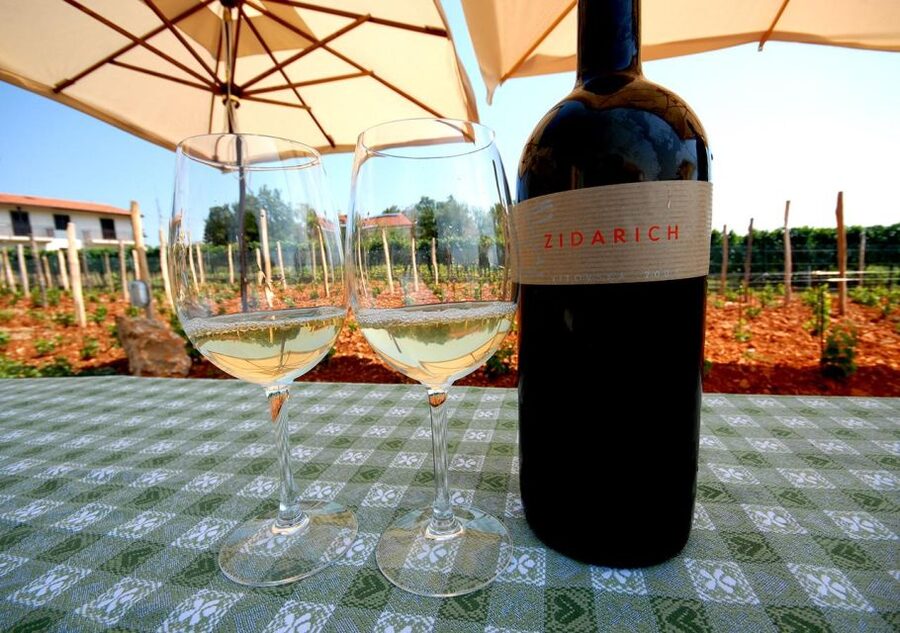
An osmiza is one of Trieste’s old and popular local food-and-wine customs. The word belongs to the city’s everyday culture, and the experience gives you a practical way to understand it without leaving the center.
You are not simply sitting down for three unrelated drinks. The tasting connects wine, simple regional food, local history, and the character of Trieste. That matters here because Trieste has long had a cultural identity shaped by its position in northeastern Italy and its ties to the wider Central European world.
The presentation also reaches into the city’s popular culture. Digital material with text and photos helps explain the local setting while you taste. You should expect basic historical information rather than a long academic lecture, but that is enough to make the food and wine feel grounded in place.
I like this approach for a first visit. You get a small slice of local life without spending half a day in a vineyard or committing to a large formal tasting. The setting is urban, but the products point outward to the Karst, the rocky plateau around Trieste where the featured wines are made.
A few more Trieste days to weigh up
- Trieste Bus Tour with Audio Guide
★ 4.5 · 1,648 reviews - Trieste Bus Tour with Audio Guide
★ 4.0 · 214 reviews - Trieste: Miramare Castle & Museum Entry Ticket & Audio App
★ 4.2 · 213 reviews
Starting at Enoteca Giovinoto near the station
You meet at the main entrance of the wine shop, Enoteca Giovinoto. The location is one of the strongest practical features of this experience. If you arrive by train, the shop is close by. If Trieste is a cruise stop, the proximity to the cruise terminal can make this a useful booking for a limited shore visit.
The return point is the same place, so you do not need to arrange transport between separate tasting venues. That also keeps the hour focused. You arrive, settle into the private room, taste the selections, and finish back at the shop.
Because the group is private and limited to two to ten people, the format should feel more personal than a large walk-in tasting. The host or greeter speaks English or Italian. No individual host name is provided, so you should book this for the language and food-and-wine format rather than expecting a particular named guide.
The meeting point is a wine shop entrance, not the train station or port itself. Give yourself enough time to locate Enoteca Giovinoto before the start, especially if you are working around a ship departure or train schedule.
The white wine: Villa de Rin Bianco
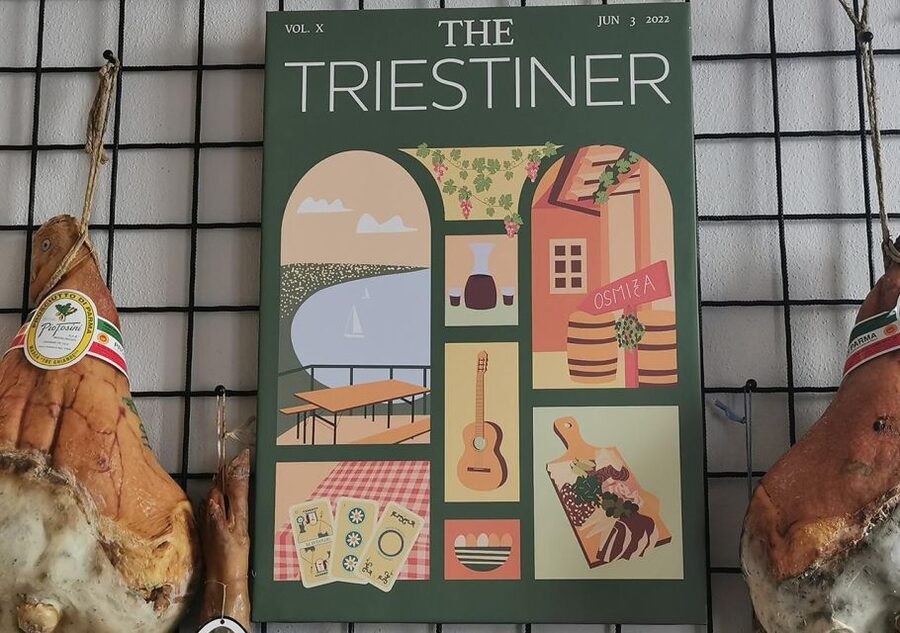
The first wine is Villa de Rin Bianco from Azienda Agricola Villa de Rin. It is a blend of native white grapes, including Malvasia, Moscato Giallo di Momiano, and Ribolla Gialla.
That grape mix gives the white a clear local identity on paper, even if you do not know the varieties in advance. The host can use the wine as an easy introduction to the area and explain how a blend of native grapes differs from a generic international white.
You receive one glass rather than a full pour for a long meal, so think of this as a guided tasting portion. It is enough to compare the white with the red and to see how each works with the food platter.
The food pairing is important here. Salumi and cheeses can change how a wine tastes, so you are not judging the Villa de Rin Bianco in isolation. The experience is designed to show the combination of wine and local products, which is more useful than tasting wine without anything to eat.
The red wine: Kante Ludvik
The second wine is Ludvik, a red blend from Azienda Agricola Kante. Its grapes include Pinot Noir, Terrano, Cabernet, and Merlot.
Terrano is the regional clue in this glass. The blend also includes familiar international varieties, so the wine offers a useful meeting point between local tradition and broader winemaking practice.
Again, the portion is one glass. That keeps the tasting manageable within an hour, but it also means this is not a full wine education course. If you want detailed technical discussion about vintages, soil, fermentation, or aging, that is not promised here.
What you can expect is a straightforward comparison between the white and red, supported by digital information and the host’s explanation. The small group helps because you can ask questions without trying to speak over a crowded room.
A different sort of day out around Trieste:
- Lake Bled and Ljubljana Tour from Trieste
★ 4.5 · 193 reviews - Trieste: 2.5-Hour Prosecco Origins Tour and Tastings
★ 4.9 · 193 reviews - Trieste: Guided Foodie Walking Tour
★ 4.9 · 142 reviews - Postojna Cave & Predjama Castle from Trieste
★ 4.5 · 122 reviews
Pelinkovac and the local food platter
The third pour is Pelinkovac from Knez Spirits, a typical local liqueur. This changes the pace of the tasting. Instead of ending with another wine, you get a spirit with a distinct regional role.
The supplied information does not describe its exact flavor profile or serving style, so you should not book this expecting a detailed spirits class. Treat it as a local specialty and a chance to taste something outside the usual wine-and-cheese routine.
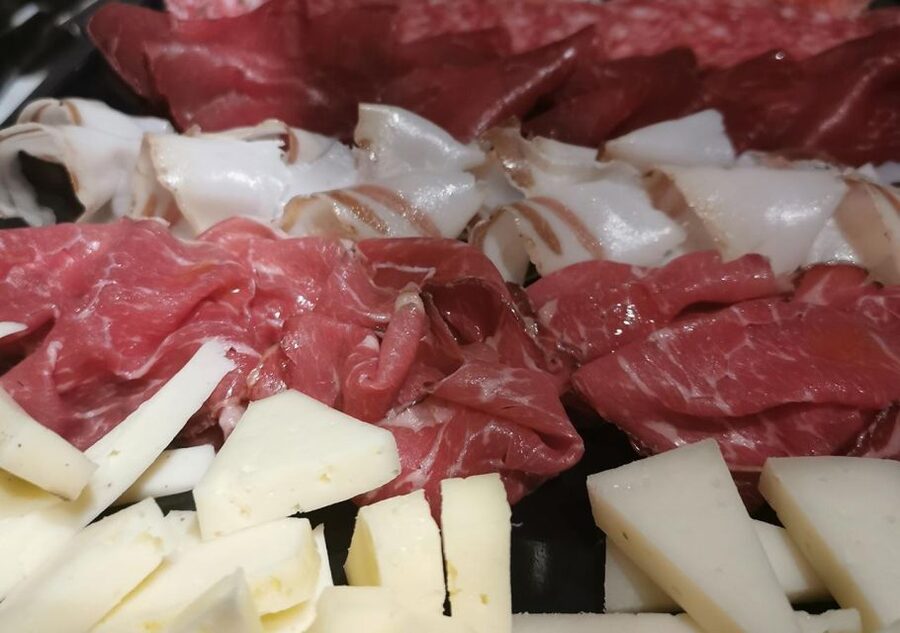
The drinks are paired with a platter of assorted salumi and cheeses. The food is one of the strongest reasons to consider the experience. The local products are not an afterthought, and the tasting is meant to show how good ingredients support the drinks.
Feedback about the food repeatedly points to the quality of the raw materials and to the way the meats and cheeses are matched with the wines. That is useful guidance for you: this is not just three pours with a few dry crackers. It is a small food tasting with enough substance to make the hour feel complete for many people.
Still, do not mistake the platter for a full lunch or dinner. The size and exact selection are not specified. If you arrive very hungry, plan another meal before or after the tasting.
A private room with useful comforts
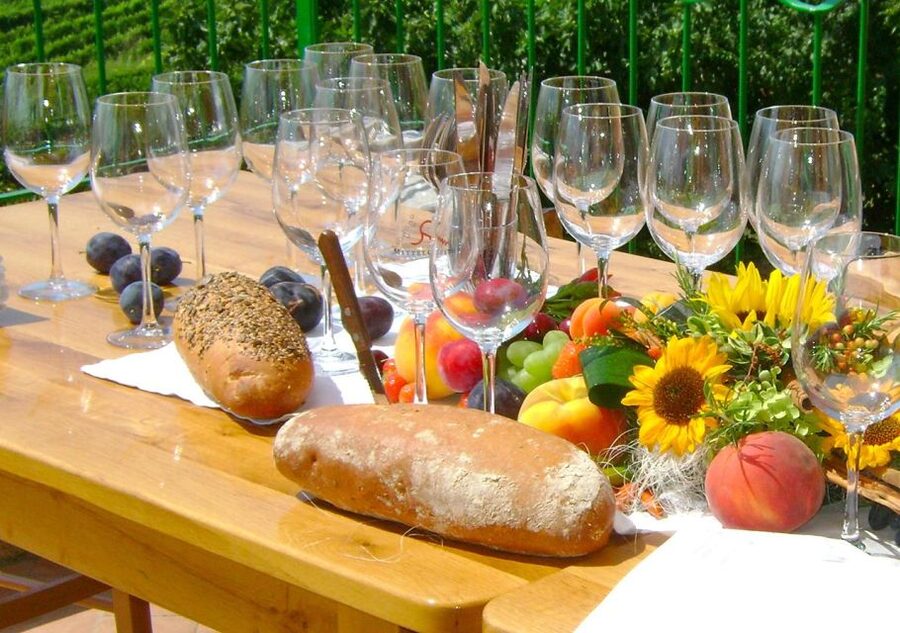
The tasting takes place in an air-conditioned private room and uses crystal glasses. Those details may sound minor, but they affect the experience.
Trieste can be warm during the summer, and an air-conditioned room gives you a comfortable place to sit and concentrate on the tasting. Crystal glasses also make the setting feel more intentional than a casual sample at a shop counter.
The room is intimate rather than grand. The group size runs from two to ten adults, so the atmosphere should suit couples, friends, and small private parties. The setting may feel less social if you want to meet a large mix of people, but that is not the purpose here.
The clean, welcoming room has also been singled out as part of the overall appeal. That makes this a sensible choice when you want a polished indoor stop rather than a rustic outdoor visit.
What you learn during the one-hour format
Digital text and photos are available during the tasting. These materials cover the products and offer information about Trieste and the osmiza custom.
The educational side is intentionally basic. You will learn enough to understand the local activity and the city’s background, but the hour is divided between explanation, tasting, and food. The host’s role is to connect the place, products, and history rather than deliver a long lecture.
I see that as a good match for a first day in Trieste. You can get your bearings quickly, pick up a few local names, and then recognize the Karst connection when you see regional wines elsewhere.
The setting also gives you a chance to ask direct questions. With no more than ten people, an English-speaking visitor can request clarification without needing specialist wine vocabulary. The available languages are English and Italian.
The strongest appeal is the balance between information and pleasure. You learn why the tasting belongs to Trieste, then immediately taste the food and drink being discussed.
Is $47 a fair price?
At $47 per person, the price is reasonable if you value the private setting, the food pairing, and the local explanation. The package includes three alcoholic pours, an assorted salumi and cheese platter, the host or greeter, digital presentation material, and the use of the private room.
You are paying for more than the liquid in the glasses. The central location saves time, especially on a train or cruise day. The small group also gives the experience a more personal feel than a large commercial tasting.
The one-hour duration keeps the total cost and time commitment under control. It is not the right choice if you want a long meal, several vintages, or a visit to multiple wineries. In that case, the limited number of pours may feel brief.
Water is not included, so remember to order or arrange it separately if you want it during the tasting. The 10 percent discount for in-store shopping adds value if you plan to buy a bottle or other products after the experience. It does not make the tour a bargain for everyone, but it gives you a useful reason to browse the shop afterward.
For a couple or small group with a short schedule, the price makes more sense than it might for someone already planning a full food tour and winery visit.
Who should book this tasting?
This experience suits adults who want an easy introduction to Trieste’s food-and-wine culture. It is especially useful for:
- Couples or friends who prefer a private group
- Cruise passengers with limited time near the terminal
- Train arrivals looking for a central activity
- Wine drinkers who want to taste Karst-area products
- Visitors interested in local customs and basic city history
- People who enjoy food pairings in a quiet indoor room
It is not suitable for children under 18, pregnant women, or people with food allergies. The menu is described as assorted salumi and cheeses, but no allergy accommodations are provided. If you have a serious dietary concern, this is not a good activity to book based on hope.
You should also know that all three pours are alcoholic. The liqueur makes the tasting more varied, but it also means this is not a wine-only session.
When this works best in your Trieste plans
The one-hour schedule makes this easy to place between major sightseeing stops. You can use it as an early introduction to the city, a midday pause, or a final taste before returning to the station or cruise terminal.
Because the activity starts and ends at Enoteca Giovinoto, it does not require a complicated route. That is a real benefit in Trieste, where a short visit can be quickly eaten up by transport and orientation.
I would avoid treating it as your entire food day. The platter may be satisfying for a light meal, but the exact amount is not stated, and the experience is built around tasting rather than dining at length.
The best plan is to arrive with enough time to find the wine shop, keep the hour free, and leave room afterward for shopping or another meal. The 10 percent store discount may be useful if one of the wines or local products becomes a favorite.
Should you book the Enoteca Giovinoto osmiza experience?
Book it if you want a short, private, central tasting that connects Trieste’s local customs with Karst wines and regional food. The strongest elements are the intimate room, the thoughtful platter, the three different drinks, and the chance to learn about the city while tasting.
Skip it if you want a full winery visit, a long dinner, or detailed technical wine instruction. The hour passes quickly, and water is not included.
For a first visit, a cruise stop, or a couple looking for an adult-only local activity, this is a practical choice. It gives you a taste of Trieste that is easy to reach, easy to fit into a busy day, and more meaningful than a generic wine sample.
FAQ
Where does the Trieste osmiza tasting begin?
You meet at the main entrance of Enoteca Giovinoto, a wine shop in central Trieste.
How long does the experience last?
The tasting lasts one hour.
How many people can join the private group?
The experience accepts a minimum of two people and a maximum of ten people.
Which languages are available?
The host or greeter can conduct the experience in English or Italian.
What drinks are included?
You receive one glass of Villa de Rin Bianco, one glass of Kante Ludvik, and one glass of Pelinkovac from Knez Spirits.
What food is served?
The wines are paired with a platter of assorted salumi and cheeses.
Is water included?
No. Water is not included in the activity.
Can children join the tasting?
No. The experience is for adults aged 18 and over. It is also not suitable for pregnant women or people with food allergies.
Just added around Trieste
- Private Tour to Slovenia from Trieste★ 4.0 · 3 reviews
- Lipica Stud Farm & Skocjan Caves – Small Group Tour from Trieste★ 4.5 · 3 reviews
- Trieste: coffee dive! espresso tasting★ 5.0 · 3 reviews
- Trieste Exploration Game and City Tour on your Phone★ 5.0 · 3 reviews
- Trieste: Freemasons and Secret Societies Guided Tour★ 4.3 · 3 reviews
- Trieste: Private Pasta-Making Class at a Local’s Home★ 3.8 · 4 reviews
- Habsburg Trieste Private Guided Walking Tour★ 5.0 · 4 reviews
- Airport transfer from Trieste Airport to Koper★ 5.0 · 4 reviews
City Tours, compared.
Walking Guided Tour of the City Must-See Sites
Read our review →

Verona e-bike tour: city center and panoramic views
Read our review →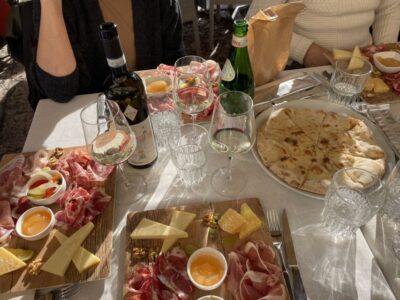
City Walking Tour with Cable Car & Wine Aperitif
Read our review →
Winter Pass Top Attractions & City Walking Tour
Read our review →
Browse the lists this tour appears in