Reviewed · TOURS
Venice: La Fenice Theater Tour
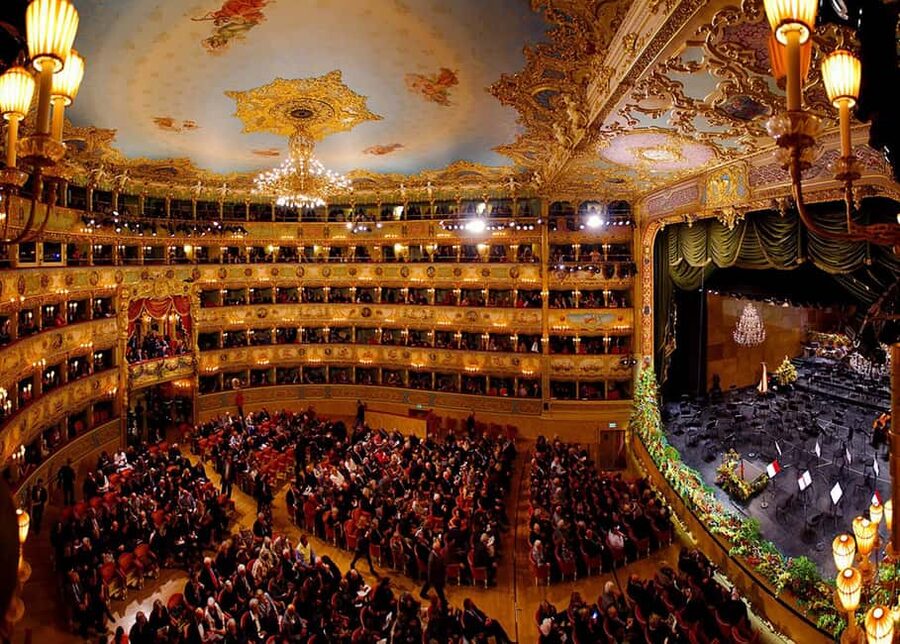
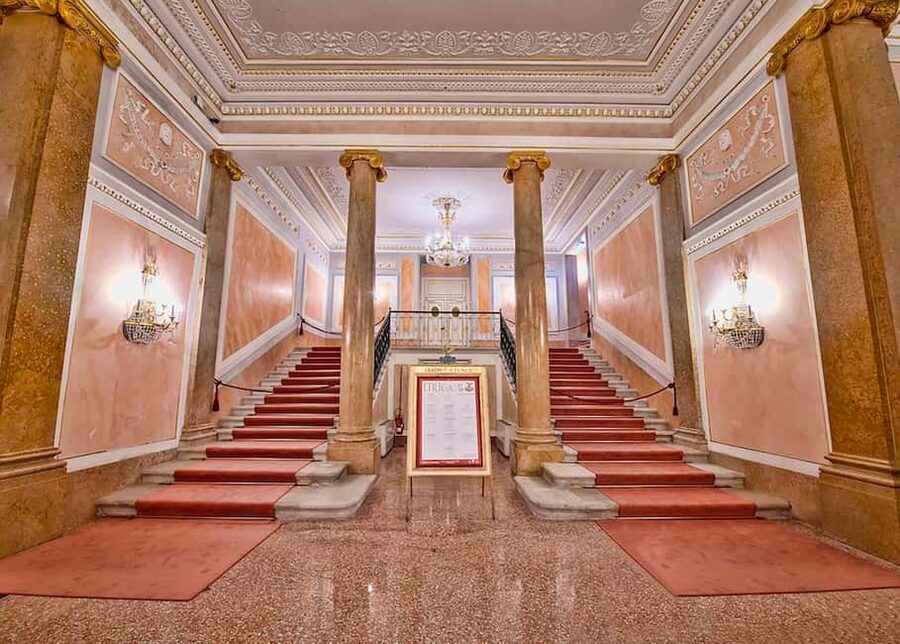
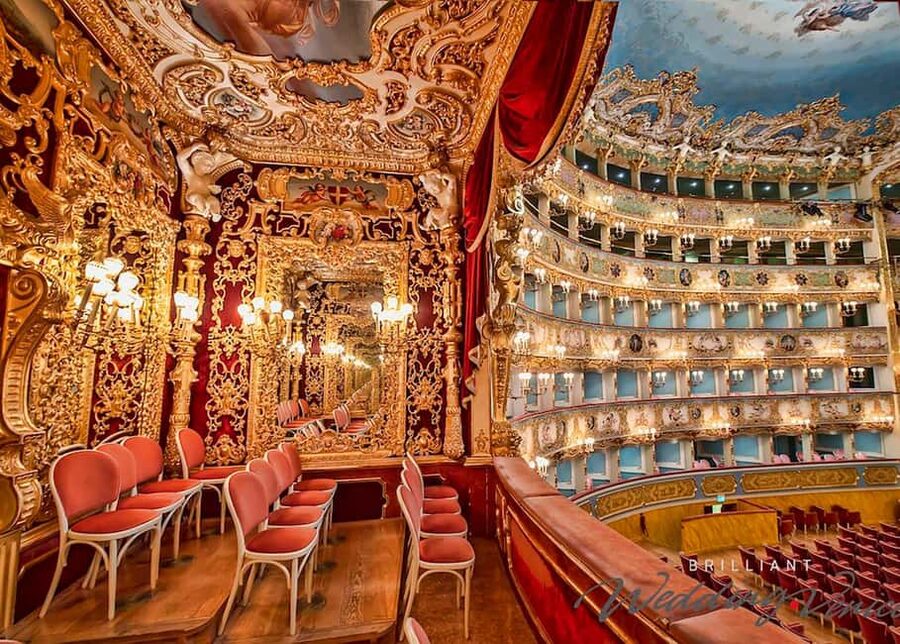
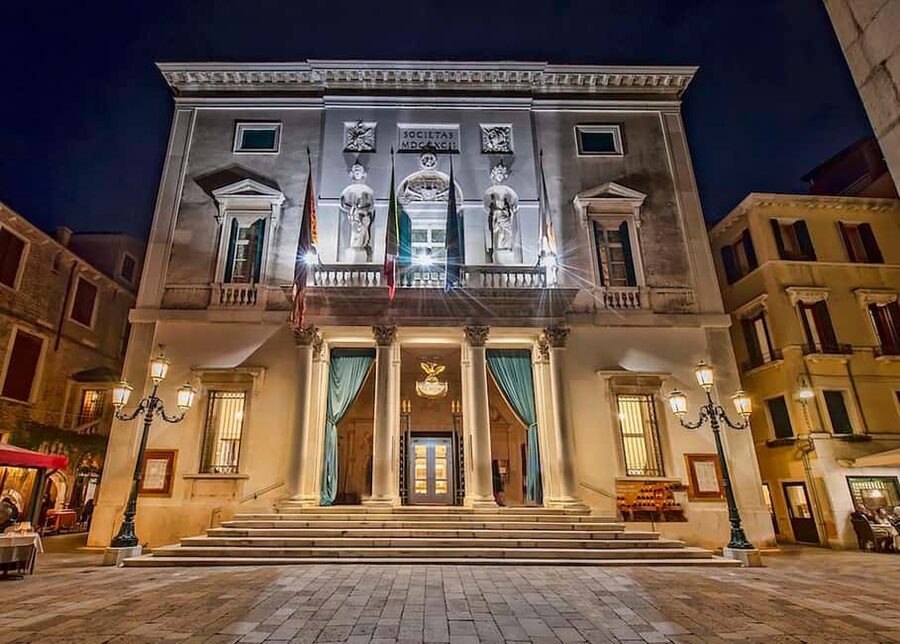
Teatro La Fenice is one of those Venice sights that keeps its best surprise indoors. From Campo San Fantin, the theater’s outside looks fairly restrained. Then you enter and find gilded balconies, red velvet, and a huge chandelier, all packed into a setting built for drama.
I like that the tour connects decoration with real opera history, not just pretty rooms. I also like the chance to sit in the auditorium and consider its acoustics, with space for more than 1,000 people and performances built around a 98-piece orchestra and 66-member chorus. The main drawback is the short one-hour format. You get a focused introduction, not a slow, behind-the-scenes theater study.
The English tour is shared, and guides such as Alberto have been praised for a well-paced, detailed explanation. Bring your passport or ID card, meet at the theater entrance, and avoid scheduling another timed tour too close to this one.
In This Review
- Key details at a glance
- Why La Fenice feels different from a standard Venice sight
- Meeting at Campo San Fantin
- Crossing from the modest exterior into the theater
- The fires and the Phoenix story
- Rossini, Bellini, and the theater’s operatic legacy
- Sitting in the auditorium
- A theater that still presents new work
- Is $77 a fair price for one hour?
- Who should book this La Fenice visit?
- Booking details worth knowing before you go
- Should you book the Teatro La Fenice tour?
- FAQ
- Where does the Teatro La Fenice tour begin?
- How long does the tour last?
- What language is the tour conducted in?
- Is transportation included?
- What should I bring?
- Is the tour suitable for wheelchair users?
- Can I cancel for a refund?
Key details at a glance
- A plain exterior with a lavish interior: The contrast makes your entrance into La Fenice especially memorable.
- Two destructive fires shaped the theater: La Fenice was rebuilt after fires in 1836 and 1996.
- Famous premieres took place here: Hear about Rossini’s Tancredi, Sigismondo, and Semiramide, along with Bellini’s I Capuleti e i Montecchi and Beatrice di Tenda.
- The auditorium is part of the experience: You can sit in a hall designed for more than 1,000 people and known for strong acoustics.
- The theater still looks ahead: The tour includes modern premieres such as Stravinsky’s The Rake’s Progress and Britten’s The Turn of the Screw.
- The practical format is simple: Meet at Campo San Fantin, take the one-hour guided tour in English, and return to the same theater.
Why La Fenice feels different from a standard Venice sight
Venice is full of ornate churches, palaces, and museums. La Fenice gives you something different: a look at the building where Venice’s public musical life unfolded.
The name means The Phoenix, a fitting title for a theater that survived repeated destruction. Fire damaged the building in 1836, and another fire destroyed it in 1996. Each time, La Fenice returned. That cycle of loss and rebuilding is not a small footnote. It explains why the theater is linked so closely with renewal, artistic ambition, and Venetian pride.
Your guide lays out this story inside the theater. Since the explanation begins indoors rather than during a walk to the venue, you can focus on the building from the moment you enter. You are not using the hour to find the theater or move between unrelated sights.
The tour also gives you useful context for the name. La Fenice is not simply an old opera house preserved in amber. It has continued to host classical works while making room for new opera. That balance matters if you want to see Venice as a living cultural center, not only as a place that protects its past.
A few more Venice days to weigh up
- Venice: Doge’s Palace Reserved Entry Ticket
★ 4.6 · 42,716 reviews - Venice: Grand Canal Gondola Ride with App Commentary
★ 4.1 · 18,908 reviews - Boat Trip: Glimpse of Murano, Torcello & Burano Islands
★ 4.3 · 15,699 reviews
Meeting at Campo San Fantin
The starting point is Campo San Fantin, directly at the entrance of Teatro La Fenice. This is a convenient arrangement because the tour begins and ends at the same place. There is no included hotel pickup, boat transfer, or walking portion with the guide.
I would allow enough time to find Campo San Fantin before the meeting time. Venice’s lanes can make even a short route feel indirect, and the activity provider asks you to leave a WhatsApp number so support can contact you after booking. Keep your passport or ID card with you, since it is listed as required for the visit.
The English-speaking assistant meets you in front of the entrance. The tour is shared, so you should expect to listen as part of a group rather than receive a private explanation. That usually keeps the price below a private tour, but it also means you will not control the pace or choose every topic.
Crossing from the modest exterior into the theater
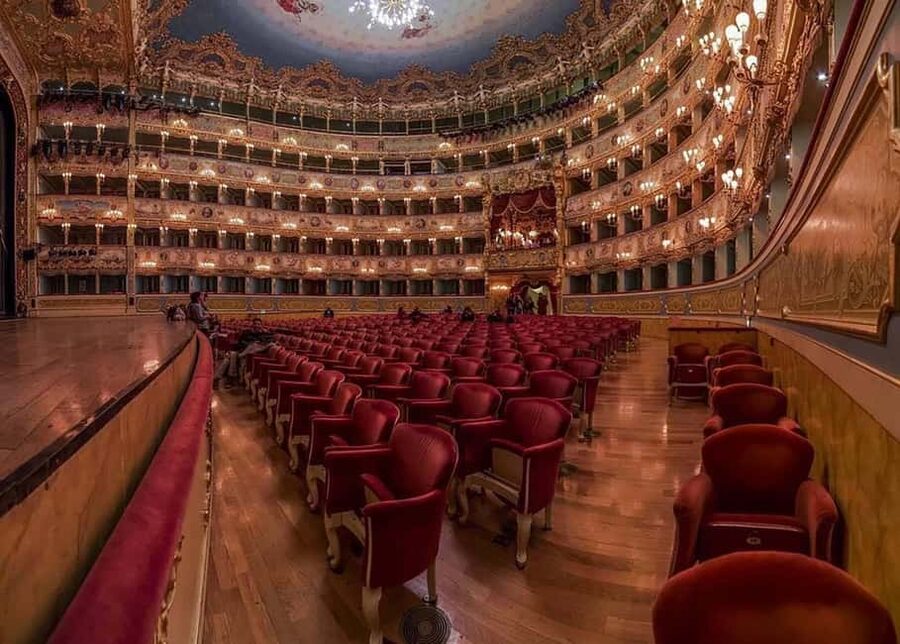
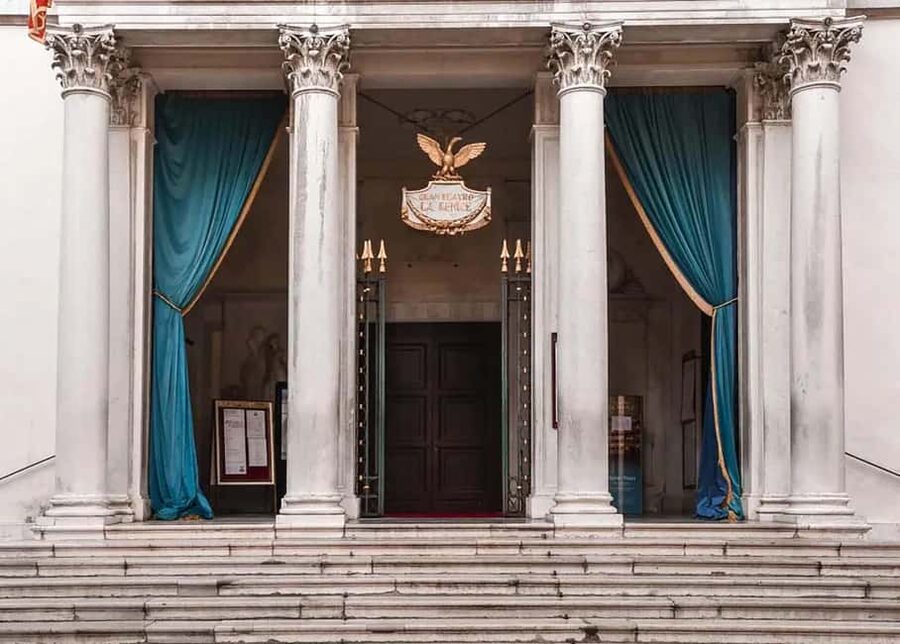
The first visual punch comes from the change in mood. The exterior does not fully prepare you for the interior, where gilded details, red velvet seating, and the large chandelier create the formal atmosphere associated with Italian opera.
This is a good place to slow down and look upward. In a theater, decoration is not only decoration. The boxes, colors, lighting, and arrangement of seats help create a sense of occasion before the performance begins. Even if you never attend an opera here, the tour lets you see how the room was designed to impress an audience.
I like this part because it gives you a clear reason to visit La Fenice even if opera is not central to your trip. You are not required to know Rossini or Bellini before arriving. The building itself provides an easy entry point, and the guide can then connect what you see to the theater’s past.
The tradeoff is that a short tour cannot cover every corridor or working area in great depth. You should book this experience for a guided introduction to the theater, not for access to every technical space.
The fires and the Phoenix story
La Fenice’s story has a darker side. The theater was destroyed by fire twice, first in 1836 and again in 1996. The second fire is especially important in the building’s modern identity because the theater had to be reconstructed before returning to use.
Your guide explains these episodes as part of the theater’s wider story of survival. The fires give the tour a strong narrative line: grand opening, artistic success, disaster, rebuilding, and renewed performance. Without that context, the opulent rooms might feel like attractive scenery. With it, the gilded interior becomes part of a building that has repeatedly had to recover.
This is also where La Fenice’s name becomes more than a poetic label. The Phoenix represents return after destruction. For you, the story adds meaning to the visit without requiring a long museum-style presentation.
The itinerary may vary at the guide’s discretion. That is worth knowing because the exact order of the rooms and explanations is not guaranteed. The central themes remain the theater, its design, its famous productions, and its continuing role in opera.
A different sort of day out around Venice:
- Venice: Grand Canal by Gondola with Live Commentary
★ 4.1 · 13,681 reviews - Venice: La Fenice Opera House Entry Ticket with Audio Guide
★ 4.6 · 11,742 reviews - Doge’s Palace & St. Mark’s Basilica with Terrace Access Tour
★ 4.7 · 10,697 reviews - Venice: Burano, Torcello & Murano Boat Tour w/Glassblowing
★ 4.4 · 10,245 reviews
Rossini, Bellini, and the theater’s operatic legacy
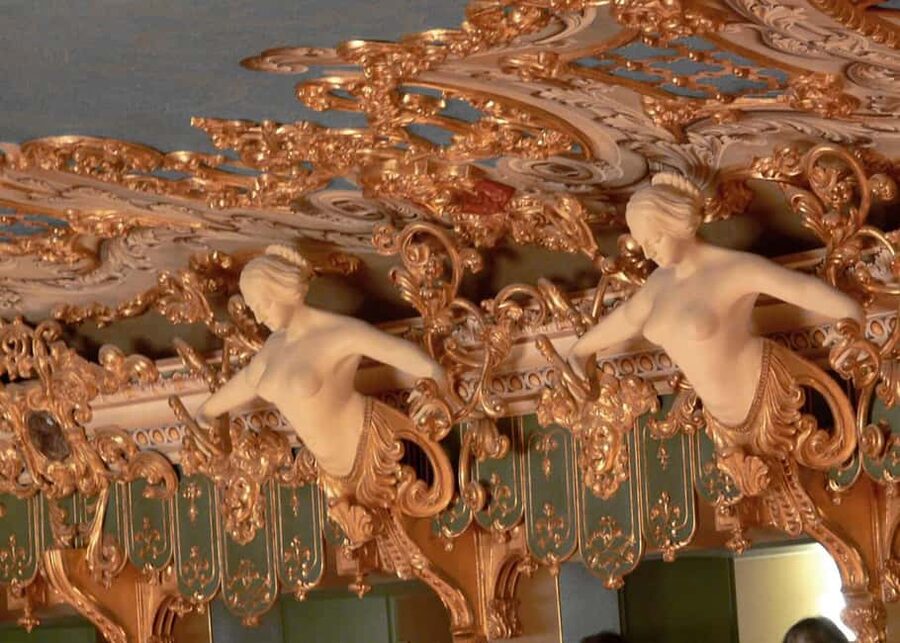
La Fenice earned its place in opera partly through the composers who brought important works to its stage. The tour discusses Rossini’s premieres of Tancredi, Sigismondo, and Semiramide. These titles show the theater’s importance during the 19th century, when a premiere could help shape a composer’s standing and a city’s cultural reputation.
Bellini also chose La Fenice for major works, including I Capuleti e i Montecchi and Beatrice di Tenda. You do not need to memorize these names. The useful point is that La Fenice was not merely a place where famous operas happened to be performed. It was a venue tied to new work and major artistic events.
I would pay attention to the guide’s explanation of why premieres matter. Hearing a familiar opera in a historic setting is one thing. Learning that a work first reached an audience there gives the room a stronger connection to the creative process.
One recent booking specifically praised the guide for giving detailed information about the opera building and its past performances. That fits the purpose of this tour: the value comes largely from the explanation. If you prefer to wander silently and read a few signs, you may find the guided format less appealing. If you want the names and events put into order, the guide makes the building easier to understand.
Sitting in the auditorium
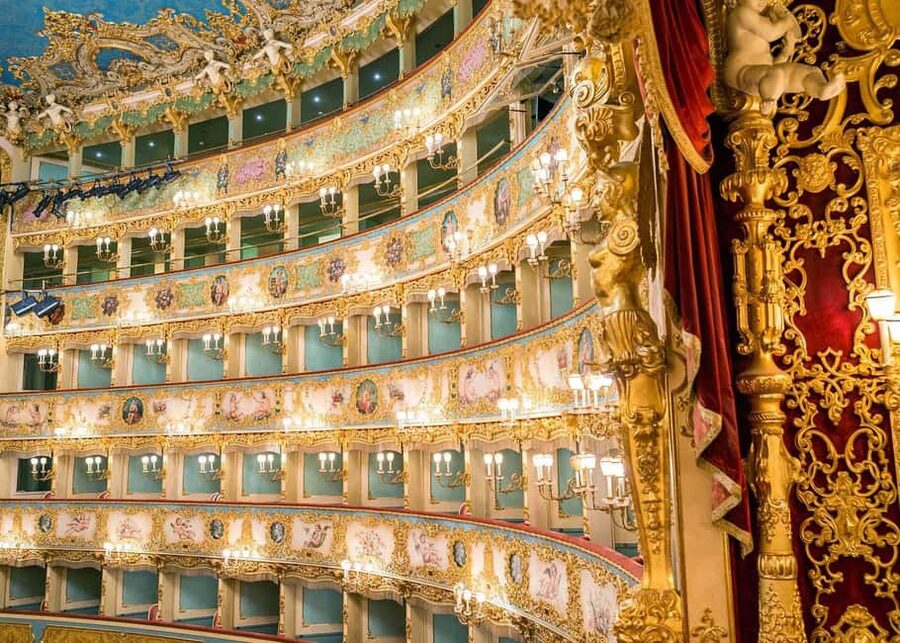
A key part of the visit is the grand auditorium. It seats more than 1,000 people and is known for its acoustics. You have the chance to sit in the room and picture the relationship between stage, orchestra, chorus, and audience.
The stated performance scale is impressive: a 98-piece orchestra and a 66-member chorus can fill this hall with sound. You will not hear a full performance during the tour, so keep your expectations clear. The point is to experience the room and learn why its design matters, not to attend an opera rehearsal.
Still, sitting in the auditorium gives the tour a physical moment that photographs cannot match. You can look across the boxes and stage area, notice the proportions of the room, and imagine how sound travels through it. For many people, this will be the most memorable part of the hour.
Access to the auditorium can also help you decide if you want to return for a performance. The tour does not include tickets to an opera, food, drinks, or transportation. It is an introduction to the venue itself.
A theater that still presents new work
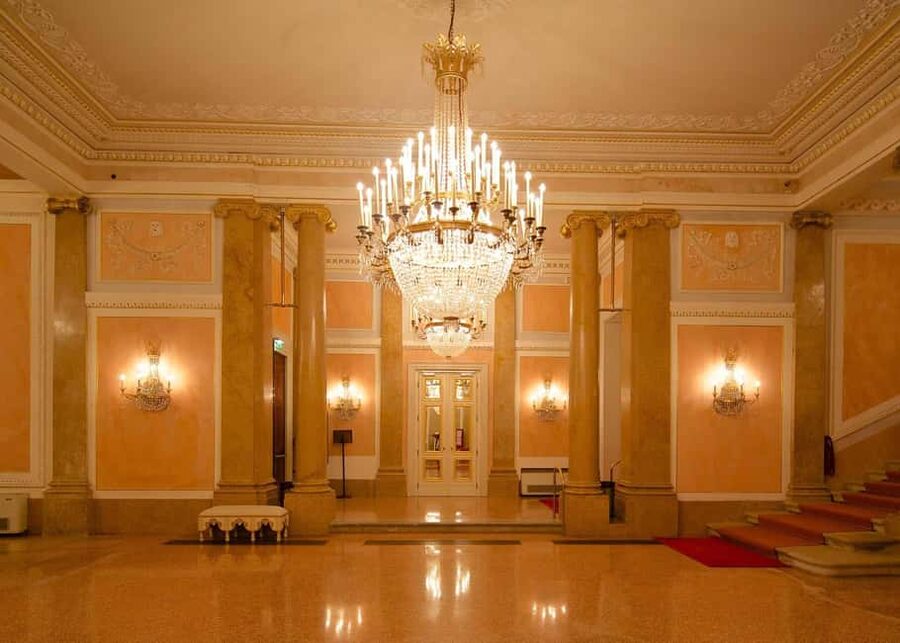
La Fenice is not presented as a shrine devoted only to Rossini and Bellini. The tour also covers its role in modern opera, including world premieres of Stravinsky’s The Rake’s Progress and Britten’s The Turn of the Screw.
That modern connection gives the visit a useful present-day angle. You can see how the theater honors its 18th-century setting while remaining linked to newer music. The building’s past is important, but the story does not stop with 19th-century opera.
This is one of the strongest reasons to choose a guided tour instead of simply entering for a quick look. A guide can show you that La Fenice has two identities: a historic Venetian theater and an active home for classical and contemporary productions.
The experience does not promise access to a rehearsal, backstage workers, or a production in progress. Its behind-the-scenes value comes through the guide’s explanation of the theater’s daily operations and continuing work. That distinction matters when you compare it with a performance ticket or a specialist theater tour.
Is $77 a fair price for one hour?
At $77 per person, this is not a bargain attraction. The fee pays for entrance and a professional English-speaking guide, but not transport, drinks, or a performance.
I think the value depends on your interest. If you already plan to attend an opera at La Fenice, the tour can help you understand the building before you return for a full performance. If opera history, architecture, or Venetian culture appeals to you, the guided context makes the cost easier to justify.
The price is harder to defend if you only want a quick photograph of the interior. The tour lasts one hour, and the shared format means you are paying for a set explanation rather than a private experience. You may also prefer to spend the money on an actual performance if one fits your schedule.
The strongest value comes from the combination of access and interpretation. You see the auditorium and opulent rooms, then hear why Rossini, Bellini, Stravinsky, and Britten matter to this place. Several recent bookings singled out the guides’ clear and pleasant delivery, with Alberto specifically praised for keeping the hour well paced.
Who should book this La Fenice visit?
I would recommend it to you if:
- You want a short cultural activity between longer Venice sightseeing stops.
- You enjoy opera, music, architecture, or theatrical design.
- You plan to attend a performance and want background first.
- You prefer having a guide explain names, dates, and artistic connections.
- You want an indoor Venice activity that does not involve boat transport.
- You appreciate a focused one-hour visit rather than a long museum tour.
I would hesitate if you need wheelchair access, since the experience is not suitable for wheelchair users. I would also think twice if your Venice schedule is packed with timed visits. The provider advises against booking tours on the same day with very close starting times, and the itinerary order can change.
The English language is another simple consideration. The listed live guide language is English, so this is a good fit if you want the explanation in English. The tour is shared, not private.
Booking details worth knowing before you go
The experience begins and ends at Teatro La Fenice. Nothing is included from your hotel, and there is no food or drink component, so plan it as a self-contained stop.
You can cancel up to 24 hours in advance for a full refund, and the reserve-now, pay-later option lets you keep your plans flexible. Same-day or last-minute bookings need extra care. If no places remain, you may be moved to the following day.
Bring your passport or ID card. Leave a WhatsApp number when booking so support can reach you. I would also arrive with the theater entrance clearly marked in your directions, rather than relying on a quick search once you are already in Venice’s maze of lanes.
Should you book the Teatro La Fenice tour?
Book this tour if you want La Fenice to mean more than a beautiful room. The guide-led format links its gilded interior to fires, famous premieres, strong acoustics, and the theater’s continuing place in opera.
At $77, it is best for visitors who value context and do not mind paying for a short, focused experience. It is less suitable for anyone seeking a full performance, extensive backstage access, or wheelchair-friendly entry.
For an opera-minded visit to Venice, I think the tour earns its place. The modest exterior, dramatic entrance, Phoenix story, and chance to sit in the auditorium give you plenty to remember after the one-hour visit ends.
FAQ
Where does the Teatro La Fenice tour begin?
Meet your English-speaking guide at Campo San Fantin, at the entrance of Teatro La Fenice.
How long does the tour last?
The guided tour lasts one hour.
What language is the tour conducted in?
The listed live tour language is English.
Is transportation included?
No. Transportation to and from your hotel is not included. The tour begins and ends at Teatro La Fenice.
What should I bring?
Bring your passport or ID card.
Is the tour suitable for wheelchair users?
No. The experience is listed as not suitable for wheelchair users.
Can I cancel for a refund?
Yes. You can cancel up to 24 hours in advance for a full refund. You can also reserve now and pay later.
Just added around Venice
- Padua: Private Pasta-Making Class at a Local’s Home★ 5.0 · 3 reviews
- Padua City Sightseeing Walking Tour of Must-See-Sites with Local Guide★ 5.0 · 3 reviews
- Gondola Ride and St Mark’s Basilica★ 4.5 · 3 reviews
- Venice: Market Tour and Meal at a Local’s Home★ 4.3 · 3 reviews
- VIRTUAL MUSEUM: Creature di Gomma – Venice Vintage Toys★ 4.7 · 3 reviews
- 3 Hour Shared Walking and Aperitivo Tour of Verona★ 5.0 · 3 reviews
- Venice: The Best of Dolomites 3Cime and Refuges with Drone★ 5.0 · 3 reviews
- Verona: Blindfolded Wine Tasting★ 5.0 · 3 reviews
Tours, compared.
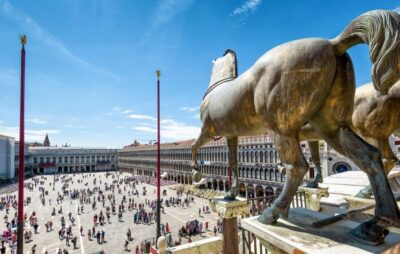
Doge’s Palace & St. Mark’s Basilica with Terrace Access Tour
Read our review →
Burano, Torcello & Murano Boat Tour w/Glassblowing
Read our review →
Murano and Burano Boat Tour with Glass Factory Visit
Read our review →
Murano, Burano and Torcello Half-Day Sightseeing Tour
Read our review →
Murano & Burano Islands Guided Small-Group Tour by Private Boat
Read our review →
Murano & Burano Panoramic Boat Tour w/ Glassblowing
Read our review →
Murano, Burano, Torcello, and Glass Factory Tour
Read our review →