
Reviewed · MUSEUMS
Venice Mestre: M9 Museum Permanent Exhibition Entry Ticket
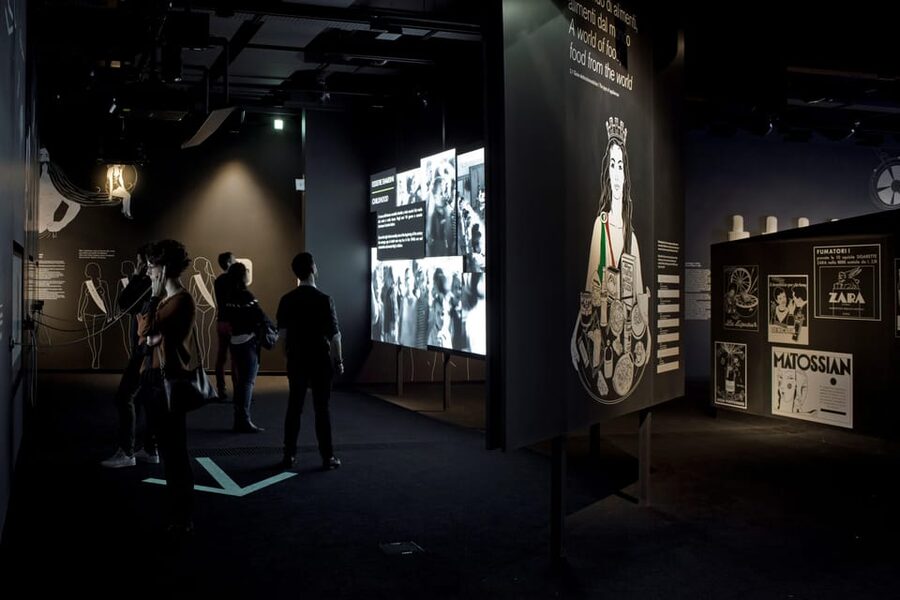
M9 turns Italy’s 20th century into a walk through changing homes, cities, politics, work, culture, and daily life. Instead of lining up old objects behind glass, you move through interactive images, films, and sound installations that explain how modern Italy took shape.
I like the clear two-floor permanent exhibition and the way it links big events to ordinary life. I also like the freedom to set your own pace, with no guided group pushing you along. The main drawback is that the $14 ticket covers only the permanent collection, not the third-floor temporary exhibitions or a guided tour.
In This Review
- Key points to know before you go
- Why M9 is different from a traditional museum
- Starting at the revolving-door entrance
- The first and second floors: Italy told in eight themes
- How images, audio, and video shape the visit
- What the permanent collection adds to a Venice visit
- The third-floor exhibitions require a separate decision
- Is $14 good value for one day?
- Who will enjoy M9 most?
- Who may want to skip it?
- A practical plan for your visit
- Should you book M9 Museum?
- FAQ
- How much does the M9 Museum permanent exhibition ticket cost?
- How long is the ticket valid?
- What does the ticket include?
- Are temporary exhibitions included?
- Is a guided tour included?
- Is the museum wheelchair accessible?
Key points to know before you go
- Eight sections across two floors: The permanent exhibition divides 20th-century Italy into eight connected themes.
- Technology does the storytelling: Expect extensive use of images, audio, video, and interactive displays rather than a traditional object-heavy museum.
- The temporary shows cost extra: Exhibitions on the third floor and in newer museum spaces are not part of this ticket.
- Plan around the opening days: M9 is closed on Mondays and Tuesdays.
- Leave your backpack behind: Backpacks are not allowed inside, so check the museum’s arrangements before arriving.
- A strong rainy-day choice: Your ticket is valid for one day, giving you time to explore at a relaxed pace.
Why M9 is different from a traditional museum
M9, the Museum of the 20th Century, is built as a permanent workshop about contemporary life. That idea matters because the museum is less concerned with presenting a tidy row of famous objects and more interested in showing how Italy changed over time.
You are not simply looking at the past. You are following the forces that shaped modern Italian life: population changes, political shifts, new industries, environmental concerns, cultural movements, and changes to towns and cities.
The result should suit you if you like museums that explain context. You might find fewer instantly recognizable masterpieces than in Venice’s art museums, but you get a broader view of the country and its people.
The format also makes the museum approachable for visitors who do not already know much about Italian history. Images, recorded sound, and video help carry the story, so you are not expected to absorb everything from long written panels.
More museums in Venice:
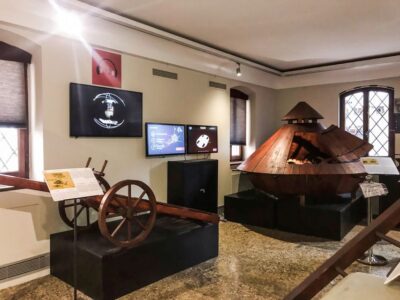
- Venice: Leonardo Da Vinci Museum Entrance Ticket
★ 4.5 · 3,560 reviews - Venice’s Best: Basilica, Doge’s Palace, Gondola & History Gallery
★ 4.5 · 2,478 reviews - Venice: Vivaldi’s Four Seasons Concert & Music Museum Visit
★ 4.8 · 2,065 reviews
Starting at the revolving-door entrance
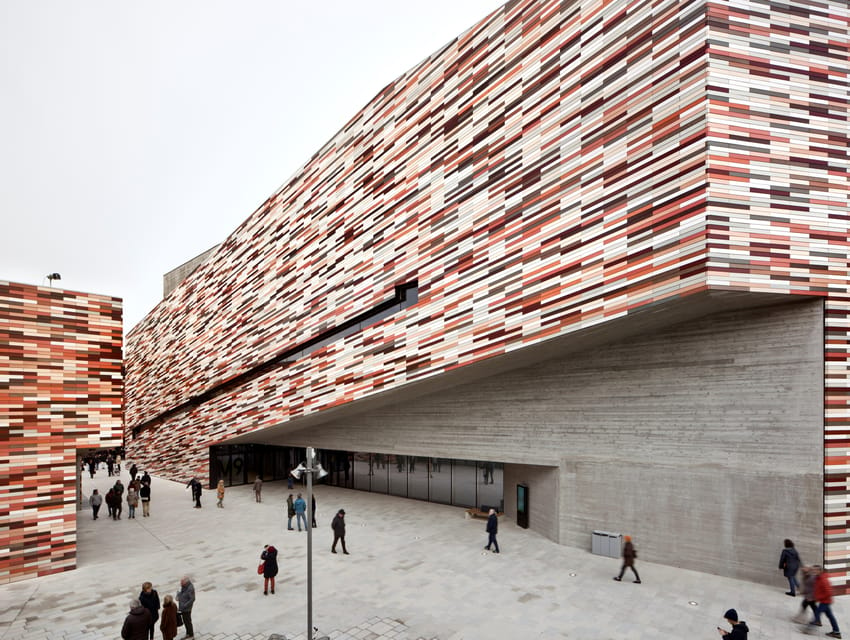
The meeting point is the museum’s revolving-door entrance. That is the landmark to look for when you arrive, and it is more useful than simply searching for a general entrance around the building.
Your ticket is for the permanent exhibition and is valid for one day. The information provided does not set a fixed visit length or a required start time, so you can check available entry times when booking and plan the museum around the rest of your day in Mestre.
M9 is closed on Mondays and Tuesdays. This is an easy detail to miss if you are planning a short Venice stay, so check the day before you build your schedule around the museum.
Backpacks are not allowed. Carry only what you need, and check the museum’s current storage arrangements before you go. The venue is wheelchair accessible, which makes this a practical choice for many visitors who need step-free access.
The first and second floors: Italy told in eight themes
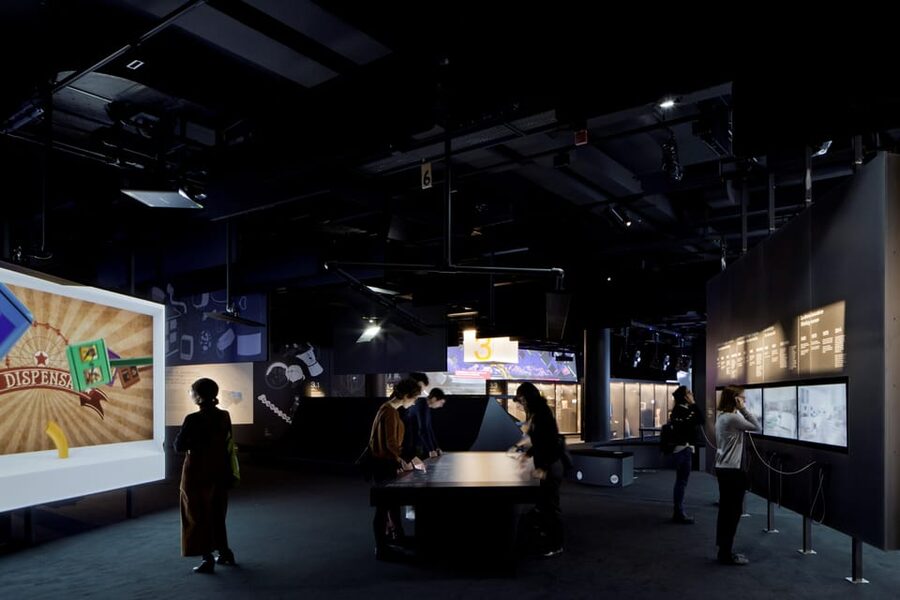
The permanent collection occupies the first and second floors. Its eight sections present Italy through the cultural and material legacy of the 20th century.
The exact order and content of your visit are not described as a stop-by-stop route, so think of the exhibition as a set of connected subjects rather than a guided march from one famous object to another. You can spend more time with themes that interest you and move faster through sections that feel less relevant.
The museum’s focus includes:
- Demographic change and the growth or movement of populations
- Social and political change
- Economic development and its effects on daily life
- Cultural shifts across the century
- Environmental concerns
- Changes to towns, cities, and the physical setting of Italian life
- The achievements and ambitions of modern Italy
- The problems, threats, and challenges created by progress
That range is one of M9’s strongest features. The 20th century can be hard to understand when it is presented only as a list of governments, wars, and dates. M9 connects those events to the way people lived and to the material world around them.
You may come away with a clearer sense of why Italy looks and feels the way it does today. The museum is designed to encourage reflection on the present and the future, not just nostalgia for an earlier time.
How images, audio, and video shape the visit
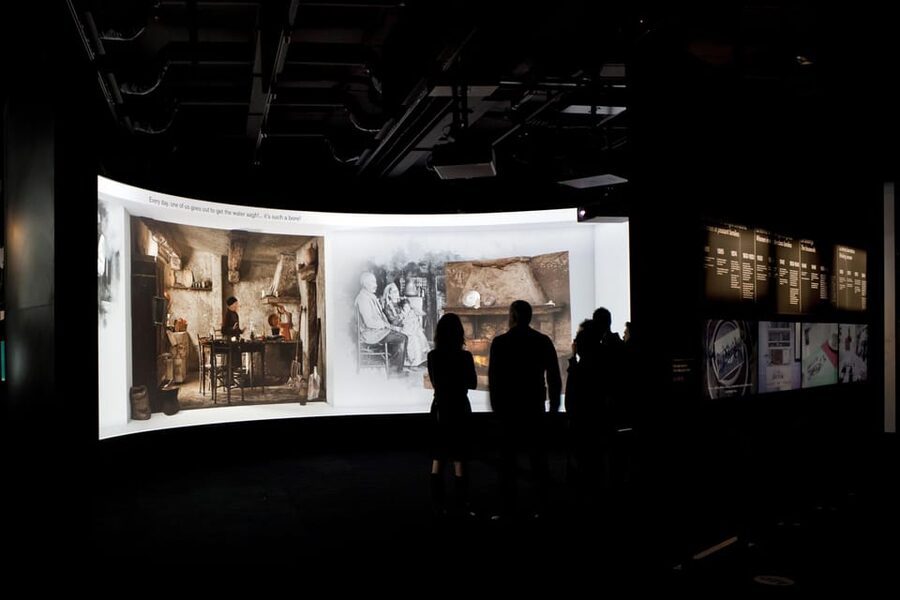
M9 makes extensive use of new technology. Large image displays, audio installations, and video help create a museum experience based on movement and interaction.
This approach is useful when the subject is social change. A photograph, voice recording, or film clip can show the texture of a period more directly than a paragraph of explanation. You may find yourself making connections between political events, consumer life, work, family, culture, and the environment.
The strength of this method is variety. If one display does not hold your attention, another format may work better. You are not restricted to reading label after label.
The tradeoff is that technology can sometimes make a museum feel more like an education center than a quiet gallery. If you prefer original paintings, sculptures, or archaeological objects, M9 may feel less traditional. It is best approached as a visual and media-based explanation of modern Italy.
Give yourself permission to pause. Interactive museums reward attention, and rushing through every screen will flatten the experience into a quick collection of impressions.
A few more Venice days to weigh up
- Venice: Doge’s Palace Reserved Entry Ticket
★ 4.6 · 42,716 reviews - Venice: Grand Canal Gondola Ride with App Commentary
★ 4.1 · 18,908 reviews - Boat Trip: Glimpse of Murano, Torcello & Burano Islands
★ 4.3 · 15,699 reviews - Venice: Grand Canal by Gondola with Live Commentary
★ 4.1 · 13,681 reviews
What the permanent collection adds to a Venice visit
Venice is famous for its older art, architecture, churches, and canals. M9 offers a useful change of subject. It shifts your attention from the city’s distant past to Italy’s recent century, when politics, industry, media, population, and technology changed at a rapid pace.
That contrast can improve your understanding of the country. After seeing historic Venice, you may be ready for a museum that asks how Italians lived through the modern era and how those changes affected the nation.
Mestre also gives you a different side of the wider Venice area. The experience is not built around canal views or Renaissance masterpieces. It is about contemporary Italy and the forces that shaped ordinary life.
I would especially consider M9 if you have already seen several traditional museums in Venice. It gives your trip more range and helps prevent every museum visit from becoming another exercise in admiring old art without understanding the modern country beyond it.
The third-floor exhibitions require a separate decision
Temporary exhibitions are located on the third floor and in additional museum spaces developed from 2021 onward. They are not included in this ticket.
That separation is important when judging the $14 price. You are paying for the permanent exhibition only. If a temporary show is the main reason you want to visit, confirm its separate admission before booking this experience.
The temporary program may add a more focused art or cultural subject to your day. One recent booking experience praised seeing works associated with Renoir and Monet, including a piece identified as The Excursionist. Those works may belong to a temporary program rather than the permanent collection, so do not assume that this ticket guarantees access to them.
If the temporary exhibition interests you, budget for it separately and check what is showing on your date. If you mainly want the museum’s account of 20th-century Italy, the permanent exhibition is the relevant ticket.
The museum also runs public events and educational activities for schools, local residents, and vulnerable groups. A calendar of events adds life to the venue, but an event is not part of the basic admission unless specifically stated.
Is $14 good value for one day?
At $14 per person, the permanent exhibition is reasonably priced if you enjoy interactive museums and want a substantial indoor activity. The ticket covers the first and second floors and gives you the full day rather than forcing you through a short timed route.
The value depends on how you visit. If you allow only 30 minutes, you may not get much from a museum built around many themes and media formats. If you give it a slower visit and stop for the displays that catch your attention, the admission makes more sense.
The price is less attractive if you expect temporary exhibitions to be included. It is also not the best match if your priority is a guided explanation, since no guided tour comes with the ticket.
I see the strongest value for visitors who want more than a quick look at famous art. Students, history-minded visitors, families with an interest in visual media, and anyone curious about modern Italy may find the format worthwhile.
Who will enjoy M9 most?
You will probably get the most from M9 if you like museums that explain how society changes. The permanent collection covers social, political, economic, cultural, environmental, and population themes, so you can follow several different threads through the century.
It also suits visitors who prefer to explore independently. There is no included guide, and that means you can choose your own rhythm. Spend time with a video or audio display, skim a section that feels familiar, and return to a subject that raises questions.
The museum can work well for families because it uses more than printed text. Still, the amount of information may be a lot for very young children, and the experience is centered on history and contemporary life rather than a dedicated children’s attraction.
Art lovers should check the current temporary program. The permanent exhibition is about Italy’s modern story, while the third-floor shows may offer more traditional or specialized art content. The Renoir and Monet sighting noted above suggests that the temporary schedule can add a strong art component, but it is not guaranteed with this admission.
Who may want to skip it?
I would not make M9 a top priority if you have only a short time in the Venice area and want canals, churches, or classic Venetian art. The museum is in Mestre and deals with Italy’s 20th century, so it serves a different purpose from the city’s best-known historic sights.
You may also prefer another museum if you dislike screens, recordings, and interactive displays. M9’s technology is central to the storytelling, not a minor extra.
Finally, be careful if your schedule falls on Monday or Tuesday. The museum is closed on both days, and a flexible cancellation policy cannot help if the venue is not open when you need it.
A practical plan for your visit
Start by checking the opening day and available entry time. Since the museum is closed Mondays and Tuesdays, Wednesday through Sunday planning is essential.
Arrive at the revolving-door entrance with a light bag. Backpacks are not allowed, so avoid bringing one unless you have confirmed a suitable storage option.
Begin with the permanent collection on the first floor, then continue upstairs to complete the eight thematic sections. Try not to treat the displays as a race. The value comes from seeing links between the different parts of modern Italian life.
Allow extra time if you plan to read, listen, and watch many of the media displays. The ticket is valid for one day, so you have more flexibility than with a short timed attraction.
Before paying, decide if you also want the temporary exhibition. The third-floor shows are separate, and the ticket described here does not cover them.
Cancellation is flexible up to 24 hours before the experience for a full refund, and you can reserve now and pay later. Those terms are useful if your Venice plans are still shifting, but they do not change the need to check the museum’s closed days.
Should you book M9 Museum?
Book this ticket if you want an accessible, technology-led account of Italy’s 20th century and you have time for a thoughtful museum visit in Mestre. The two-floor permanent exhibition, eight themes, and mix of images, sound, and video give you a broader view of modern Italian life than a standard art gallery can provide.
Skip it if you want only historic Venetian sights, a guided tour, or guaranteed access to current temporary art exhibitions. At $14, the admission is fair for the permanent collection, but you should treat any third-floor exhibition as a separate purchase.
For the right visitor, M9 is a useful change of pace. It helps you connect Italy’s recent past with the country you see today, and it does so in a format that is more active than a conventional museum.
FAQ
How much does the M9 Museum permanent exhibition ticket cost?
The ticket costs $14 per person.
How long is the ticket valid?
The ticket is valid for one day.
What does the ticket include?
It includes entry to M9 Museum’s permanent exhibition on the first and second floors.
Are temporary exhibitions included?
No. Temporary exhibitions on the third floor and in additional museum spaces are not included.
Is a guided tour included?
No. A guided tour is not included with this admission ticket.
Is the museum wheelchair accessible?
Yes. The museum is wheelchair accessible. Backpacks are not allowed, and the museum is closed on Mondays and Tuesdays.
Just added around Venice
- Padua: Private Pasta-Making Class at a Local’s Home★ 5.0 · 3 reviews
- Padua City Sightseeing Walking Tour of Must-See-Sites with Local Guide★ 5.0 · 3 reviews
- Gondola Ride and St Mark’s Basilica★ 4.5 · 3 reviews
- Venice: Market Tour and Meal at a Local’s Home★ 4.3 · 3 reviews
- VIRTUAL MUSEUM: Creature di Gomma – Venice Vintage Toys★ 4.7 · 3 reviews
- 3 Hour Shared Walking and Aperitivo Tour of Verona★ 5.0 · 3 reviews
- Venice: The Best of Dolomites 3Cime and Refuges with Drone★ 5.0 · 3 reviews
- Verona: Blindfolded Wine Tasting★ 5.0 · 3 reviews
Museums, compared.
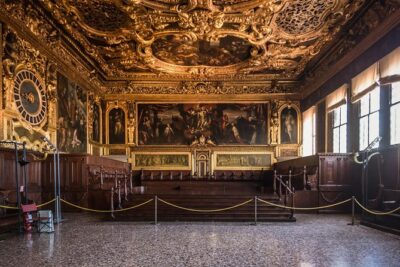
Venice’s Best: Basilica, Doge’s Palace, Gondola & History Gallery
Read our review →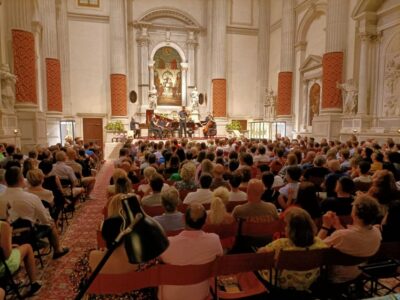
Vivaldi’s Four Seasons Concert & Music Museum Visit
Read our review →
Charming Gondola Ride on the Grand Canal & Gondola Gallery™
Read our review →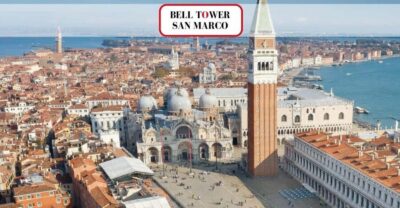
Bell Tower & St Mark’s Square History Gallery Ticket
Read our review →
Venice Museum Pass & Doge’s Palace Entrance Ticket
Read our review →
Basilica, Doge’s Palace, History Gallery & Bell Tower Option
Read our review →
Browse the lists this tour appears in