
Reviewed · HISTORICAL TOURS
Venice Palazzo Mocenigo: History of Textile, Costume and Perfume
Palazzo Mocenigo gives you a different view of Venice: not canals and churches, but waistcoats, perfume, furnishings, and the way people presented themselves. Inside this 17th-century palace, you move through decorated rooms containing historic clothing, textile displays, Murano pieces, and exhibits on the city’s perfume trade.
I like the quiet setting in Santa Croce, away from Venice’s busiest paths, and I like the freedom of a self-guided visit. You can spend an hour on the main displays or linger over the details. The main drawback is that the collection may feel modest if you expect room after room of original clothing. Some visitors also find the limited on-site explanations inconvenient.
In This Review
- Key points to know
- What Palazzo Mocenigo adds to a Venice visit
- The palace rooms and their rococo setting
- Historic clothing, with a special look at waistcoats
- Venice, perfume, and the perfumer’s organ
- A self-guided visit from one to three hours
- Is $18.52 a fair price?
- Getting there and planning your timing
- Who will enjoy this museum most
- Booking advice and final verdict
- FAQ
- Where is Palazzo Mocenigo located?
- What does the admission ticket include?
- Is this a guided tour?
- How long does the visit take?
- Can I choose my entry time?
- Are clothing and textile displays included?
- Does the museum cover the history of perfume?
- Is transportation included?
- Can I cancel or change the booking?
Key points to know
- A palace visit as much as a costume museum: You see period rooms, rococo furnishings, decorations, and historic objects along with clothing.
- 18th-century waistcoats are a highlight: The beautifully made waistcoats give the textile collection a clear and memorable focus.
- Perfume is hands-on: Displays explain scent-making, and the museum includes a perfumer’s organ used to compose fragrances.
- Self-guided and flexible: You choose an entry time and explore without a scheduled guide or fixed group route.
- A calm Santa Croce stop: The museum offers a quieter break from Venice’s central crowds.
- The collection has limits: Much of the larger textile collection is reserved for scholars, so only a selection is on public display.
What Palazzo Mocenigo adds to a Venice visit
Venice is often presented through its grand public face: St. Mark’s Basilica, palaces along the Grand Canal, and elaborate churches. Palazzo Mocenigo lets you look at the private side of that world. Its clothing and perfume displays show how status, taste, and daily life were expressed through fabric, scent, and interior decoration.
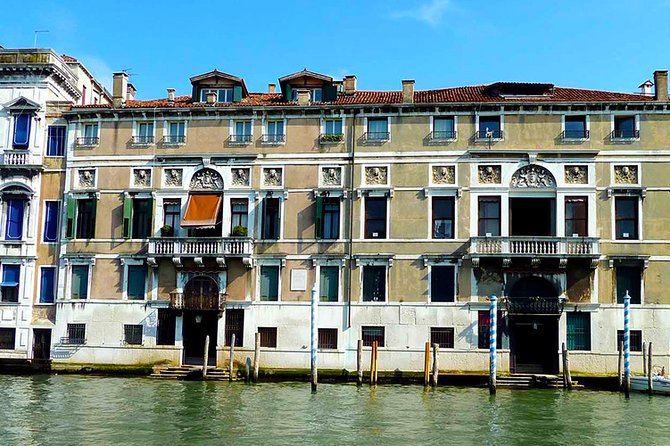
The museum is housed in Palazzo Mocenigo in the Santa Croce district, along the salizada of San Stae. The building sits beside the Grand Canal and gives you a chance to enter a noble Venetian residence rather than simply admire one from a boat or bridge.
I would not treat this as a large national museum. It is a compact, specialized visit. The appeal comes from the combination of the setting and the subject. You are not only looking at costumes in glass cases. You are also seeing the rooms where an aristocratic family lived, along with furniture, decorative details, and objects that help explain how Venetian interiors once looked.
That distinction matters when you decide if the admission is worth it. If you want a major costume collection with dozens of complete outfits, you may leave wanting more. If you enjoy old houses, decorative arts, and the small details of historical dress, the museum offers a pleasant change of pace.
More History Tours in Venice
- Venice’s Best: Basilica, Doge’s Palace, Gondola & History Gallery
★ 4.5 · 2,478 reviews - Venice: City Center Historical Guided Walking Tour
★ 4.2 · 1,873 reviews - Venice: Bell Tower & St Mark’s Square History Gallery Ticket
★ 4.3 · 910 reviews
The palace rooms and their rococo setting
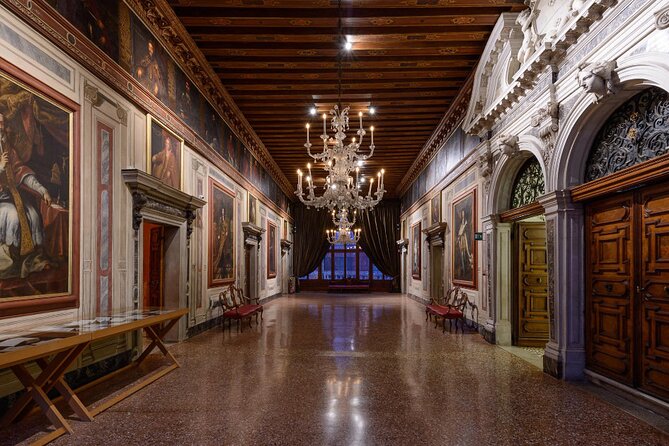
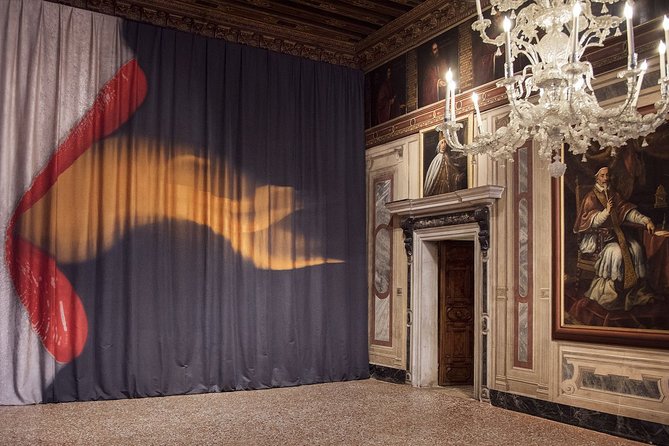
The visit begins with the building itself. Palazzo Mocenigo is described as a 17th-century palace, and its interiors include impressive furnishings with a rococo character. The rooms are not just neutral containers for the collection. Their decoration forms part of what you are paying to see.
The displays combine clothing with furniture and room decoration. This helps you picture how a waistcoat, fabric, or decorative object belonged to a larger world of ceremony and domestic life. A costume placed in a plain modern gallery can feel distant. Here, the period rooms give the objects a more natural setting.
You will also find beautiful Murano pieces among the decorative displays. These details broaden the visit beyond fabric and perfume. They remind you that Venetian taste was expressed through glass, furniture, clothing, and scent at the same time.
The room layouts receive particular praise, and I can understand why. A good palace museum does not need a huge collection to hold your attention if the route through the rooms feels coherent. At Palazzo Mocenigo, the arrangement appears designed to let the building and the objects support one another.
Still, do not expect every room to be packed with original furnishings or clothing. The public displays are selective. The bulk of the important textile collection is available to scholars, while visitors see a chosen portion. That is useful context, because it explains why the museum feels focused rather than extensive.
Historic clothing, with a special look at waistcoats
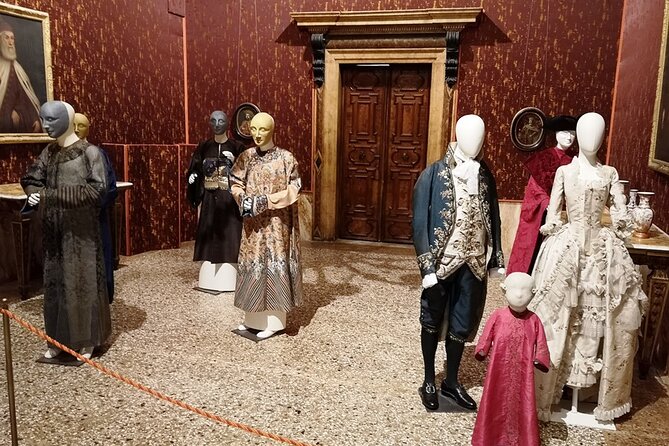
The costume collection reaches back as far as the Baroque period. You may see historic garments, mannequins, and selected textiles that show changing styles over the centuries. The presentation includes clothing from different periods, but the 18th-century waistcoats are especially memorable.
These waistcoats are small objects with a lot to say. Their cut, decoration, and fabric reveal how men’s clothing could carry social meaning. They also make the collection easier to appreciate than a general display of loosely draped fabric. Look closely at the surface work and shape rather than rushing past the cases.
One limitation is the amount of explanatory material in the rooms. Some displays rely on QR codes rather than printed sheets. If you prefer to read a clear label beside each garment, you may find this awkward, especially if you are trying to keep your phone away during a museum visit.
The limited labels also make it harder to understand individual costumes at a glance. You can still appreciate the materials and workmanship, but the historical context may not always be presented in the most immediate way. I recommend allowing extra time for the pieces that catch your eye, then using the available digital information when you want more detail.
This is not a museum where every object is explained at length. It rewards curiosity and patience more than fast sightseeing. If your interest is mainly in fashion history, the clothing section may take around half an hour. If you enjoy interiors and decorative objects as well, you can make the visit much longer.
Venice, perfume, and the perfumer’s organ
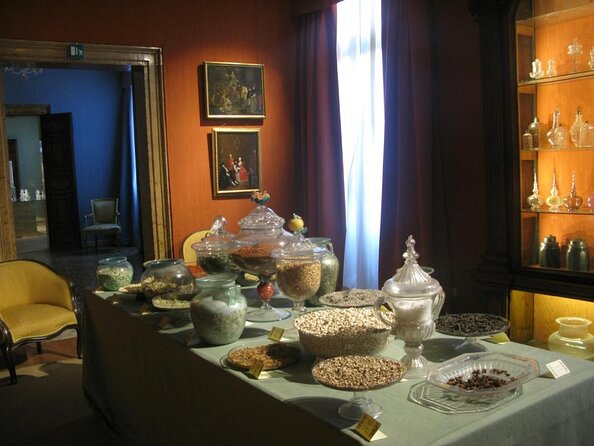
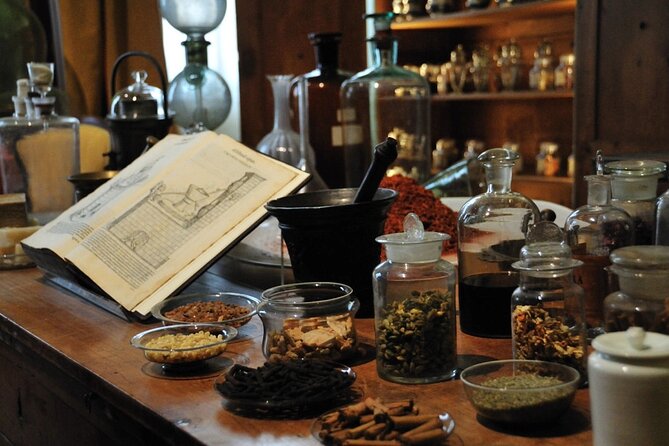
The perfume exhibits give Palazzo Mocenigo its most unusual subject. Venice’s connection with fragrance is presented as part of the city’s commercial and cultural past, alongside textiles and costume.
The museum includes displays about different scents and the role perfume played in Venice. One particularly distinctive feature is the perfumer’s organ, an apparatus associated with composing fragrances. It gives the perfume section a practical focus rather than leaving you with rows of bottles and labels.
A family visit can work well here because the scent displays are interactive in character. Children, including those around elementary-school age, may find the process of smelling different ingredients and creating a perfume more engaging than a conventional costume case. The supplied information specifically describes a perfume-making activity, but you should confirm what is operating on your date before treating it as guaranteed.
I like this part of the museum because it connects an everyday pleasure with trade, craft, and personal style. Perfume can seem like a modern luxury product. In this setting, it becomes part of a longer story about how people shaped their public image.
The fragrance section may be the strongest reason to choose this museum over a more general palace. If you have already visited several Venetian churches and art museums, perfume offers a welcome change. If scent-based displays do not interest you, the costume and room collections may not be enough to justify a special trip by themselves.
A different sort of day out around Venice:
- Venice: Doge’s Palace Reserved Entry Ticket
★ 4.6 · 42,716 reviews - Venice: Grand Canal Gondola Ride with App Commentary
★ 4.1 · 18,908 reviews - Boat Trip: Glimpse of Murano, Torcello & Burano Islands
★ 4.3 · 15,699 reviews - Venice: Grand Canal by Gondola with Live Commentary
★ 4.1 · 13,681 reviews
A self-guided visit from one to three hours
This ticket is for a self-guided visit, so there is no named guide and no set commentary from a tour leader. You select an entry time, enter the museum, and set your own pace.
The stated visit length is approximately one to three hours. In practice, I would plan for about an hour if you want the main highlights, then add time if you read the digital material, study the costumes, or spend time with the perfume displays.
The flexible format works well in Venice, where your day can change quickly because of bridges, vaporetto schedules, weather, and crowded lanes. You do not need to stay with a group or keep up with a guide. You can also leave the palace and continue your walk through Santa Croce without committing a full morning or afternoon.
Pre-booking is intended to save time at the ticket window. That may be useful during a busy sightseeing day, though it is not a reason to expect a major skip-the-line attraction. The museum is relatively specialized, and one account reports obtaining tickets without a reservation late in the afternoon.
There is also a practical warning about digital admission. One booking problem involved a ticket that could not be scanned at the entrance, even though the booking number and payment confirmation were available. I would keep the confirmation easy to access and check that the voucher format is accepted before you arrive. This is especially important because the booking is non-refundable and cannot be changed.
Is $18.52 a fair price?
At $18.52 per person, this is not an expensive Venice attraction, but value depends on your expectations. You are paying for entry to a specialized museum in a historic palace, not for a guided tour, private transportation, food, or a guaranteed workshop.
The price seems reasonable if you appreciate three things at once: the palace rooms, the selected costume and textile displays, and the perfume section. It becomes less convincing if you want a large collection of original garments with detailed labels throughout.
I would compare the cost with your daily museum plans. If you are already spending hours in major art museums, Palazzo Mocenigo makes a good shorter stop. It gives you a different subject without demanding an entire afternoon. If you have only one day in Venice and have never seen St. Mark’s Basilica, the Doge’s Palace, or the main art collections, those priorities may come first.
The museum can also be a good choice for families because the perfume displays offer something more active than looking at old clothing. Again, check the exact activities available when you book. The ticket includes entrance only, and snacks and private transportation are not included.
Getting there and planning your timing
The museum is near public transportation in Santa Croce. The address information identifies it along the salizada of San Stae, beside the Grand Canal. You should build in time to reach the entrance because Venice’s walk from a vaporetto stop can involve bridges and winding lanes.
An early or late entry may suit you best if you want a quieter visit. The museum is outside the heaviest tourist flow, and its location can fit naturally into a walk through Santa Croce. I would not rush here between two distant landmarks. Pair it with nearby sightseeing so the museum becomes part of a neighborhood route.
Day visitors should also check Venice’s access-fee rules before setting out. On certain dates, most people staying outside Venice who visit for the day must pay a €5 access fee, with exemptions and specific dates listed by the city. That fee is separate from the museum admission.
Since the visit is self-guided, your entry time matters mainly for organizing your day. You can stay within the museum for as long as you need during the visit, with the overall experience generally taking one to three hours.
Who will enjoy this museum most
I would recommend Palazzo Mocenigo to you if you enjoy:
- Historic houses and furnished interiors
- Costume and textile history
- 18th-century clothing details
- Perfume, scent, and old production methods
- Smaller museums with a calm atmosphere
- Family stops that include interactive elements
It is also a smart choice for repeat visitors to Venice. After seeing the city’s most famous sights, you may want a museum that feels more local and specialized.
I would be more cautious if your main goal is a large, densely labeled costume collection. The public display is selective, and some clothing is shown on mannequins or as draped pieces. The museum’s presentation may also feel dated in places, and the reliance on QR codes will not suit everyone.
The lack of a guide is neither good nor bad by itself. I like the freedom, but you need to provide your own structure. Before entering, decide if you want to focus on the palace, clothing, perfume, or all three. That small bit of planning will make the visit feel more satisfying.
Booking advice and final verdict
Book this ticket if you want a short, unusual museum visit that combines Venetian domestic life with costume and perfume. The strongest experience comes from taking your time in the palace rooms, examining the waistcoats, and using the scent displays rather than racing through the galleries.
I would skip it if you expect a blockbuster museum or a fully guided tour. The collection shown to the public is limited, labels may require QR-code access, and the admission covers only entry.
For most visitors with an interest in decorative arts, the $18.52 price is fair, especially if you have already seen Venice’s major landmarks. Families should check the perfume activity in advance. Since the booking cannot be refunded or changed, verify your date, entry details, and ticket access before paying.
FAQ
Where is Palazzo Mocenigo located?
Palazzo Mocenigo is in Venice’s Santa Croce district, along the salizada of San Stae and beside the Grand Canal.
What does the admission ticket include?
The ticket includes entrance to the Museum of Palazzo Mocenigo, Center for the Study of the History of Textile, Costume and Perfume.
Is this a guided tour?
No. This is a self-guided museum visit, so no guide is included.
How long does the visit take?
The approximate duration is one to three hours.
Can I choose my entry time?
Yes. The experience offers a choice of entry times to fit your Venice sightseeing schedule.
Are clothing and textile displays included?
Yes. The museum presents selected textiles and costumes, including clothing dating as far back as the Baroque period.
Does the museum cover the history of perfume?
Yes. The museum includes exhibits about perfume and its importance in Venice, as well as a perfumer’s organ connected with composing fragrances.
Is transportation included?
No. Private transportation is not included, although the museum is near public transportation.
Can I cancel or change the booking?
No. The experience is non-refundable and cannot be changed for any reason.
Just added around Venice
- Padua: Private Pasta-Making Class at a Local’s Home★ 5.0 · 3 reviews
- Padua City Sightseeing Walking Tour of Must-See-Sites with Local Guide★ 5.0 · 3 reviews
- Gondola Ride and St Mark’s Basilica★ 4.5 · 3 reviews
- Venice: Market Tour and Meal at a Local’s Home★ 4.3 · 3 reviews
- VIRTUAL MUSEUM: Creature di Gomma – Venice Vintage Toys★ 4.7 · 3 reviews
- 3 Hour Shared Walking and Aperitivo Tour of Verona★ 5.0 · 3 reviews
- Venice: The Best of Dolomites 3Cime and Refuges with Drone★ 5.0 · 3 reviews
- Verona: Blindfolded Wine Tasting★ 5.0 · 3 reviews
Historical Tours, compared.
Venice’s Best: Basilica, Doge’s Palace, Gondola & History Gallery
Read our review →
Bell Tower & St Mark’s Square History Gallery Ticket
Read our review →
Basilica, Doge’s Palace, History Gallery & Bell Tower Option
Read our review →
St. Mark’s Cathedral Priority Guided Tour & History Gallery
Read our review →
Browse the lists this tour appears in