Reviewed · TOURS
Venice: Sightseeing Tour with a Local expert
Venice reveals itself best on foot, one small bridge and narrow lane at a time. This two-hour walk starts near Ca’ Foscari University, moves through quieter parts of Dorsoduro and San Polo, crosses the Rialto Bridge, and finishes at the grand stage of St. Mark’s Square.
I like the route’s mix of major sights and overlooked corners, and I like that local guides such as Valentina, Julia, Flavia, Irene, and Gianmarco add practical advice about food, drinks, and what to see next. The main catch is that the tour stays outdoors, uses English only, and does not include entry to any church or palace.
In This Review
- Key points at a glance
- Why this walk works as a first look at Venice
- Campo San Pantalon and Campo San Rocco
- San Polo and Venice’s former trading heart
- The Basilica dei Frari and Titian’s tomb
- Crossing the Rialto Bridge
- San Giovanni and Paolo, then the final approach
- What the two-hour pace feels like
- Is $41 a fair price?
- Who should book this Venice walking tour?
- Should you book it?
- FAQ
- How long does the Venice sightseeing tour last?
- What language is the tour conducted in?
- Where is the meeting point?
- How early should I arrive?
- Does the tour include hotel pickup?
- Are entrance tickets included?
- Is the tour suitable for wheelchair users?
- What should I bring?
- Can I cancel the booking?
Key points at a glance
- Titian’s resting place: See the Basilica dei Frari from the outside and learn why this large Gothic church matters.
- A useful first-day route: Begin away from the busiest center, then finish at St. Mark’s Square with a better sense of Venice’s layout.
- Local guides with personality: Guides including Valentina, Julia, Flavia, Irene, and Gianmarco are praised for clear storytelling, humor, and helpful recommendations.
- Rialto without the grand tour price: Cross Venice’s famous bridge while learning about the city’s old trading center.
- Outdoor sightseeing only: You will not enter the Frari, St. Mark’s Basilica, or the Doge’s Palace on this walk.
- Good value at $41: For two hours in a small group with a live English-speaking guide, the price is fair, especially at the start of a Venice stay.
Why this walk works as a first look at Venice
Venice can feel confusing when you first arrive. Streets change name quickly, canals interrupt the road network, and a route that looks short on a map may involve several bridges. This tour gives you a practical introduction while showing how the city’s districts connect.
You begin at Campiello dei Squelini, near Ca’ Foscari University in the Dorsoduro district. The meeting point is beside a coloured wall, so look for that exact spot rather than simply heading toward the university. Arrive 10 minutes early. The group cannot wait more than five minutes after the scheduled start.
The route then heads toward San Polo, Rialto, and San Marco. That direction matters. You start in a less crowded setting, learn the basics before reaching the busiest sights, and finish where many people want to spend more time. I find that a route like this helps you get your bearings fast without spending the whole tour in St. Mark’s Square.
The guides are a major part of the experience. Valentina is praised for lively storytelling, humor, and restaurant suggestions. Julia is described as friendly and down-to-earth, with a strong grasp of local life. Flavia, Irene, Olga, Donata, and Gianmarco also receive warm praise for their energy and clear explanations. Your guide will vary, so do not book expecting one particular person, but the consistent strength is the human touch.
A few more Venice days to weigh up
- Venice: Doge’s Palace Reserved Entry Ticket
★ 4.6 · 42,716 reviews - Venice: Grand Canal Gondola Ride with App Commentary
★ 4.1 · 18,908 reviews - Boat Trip: Glimpse of Murano, Torcello & Burano Islands
★ 4.3 · 15,699 reviews
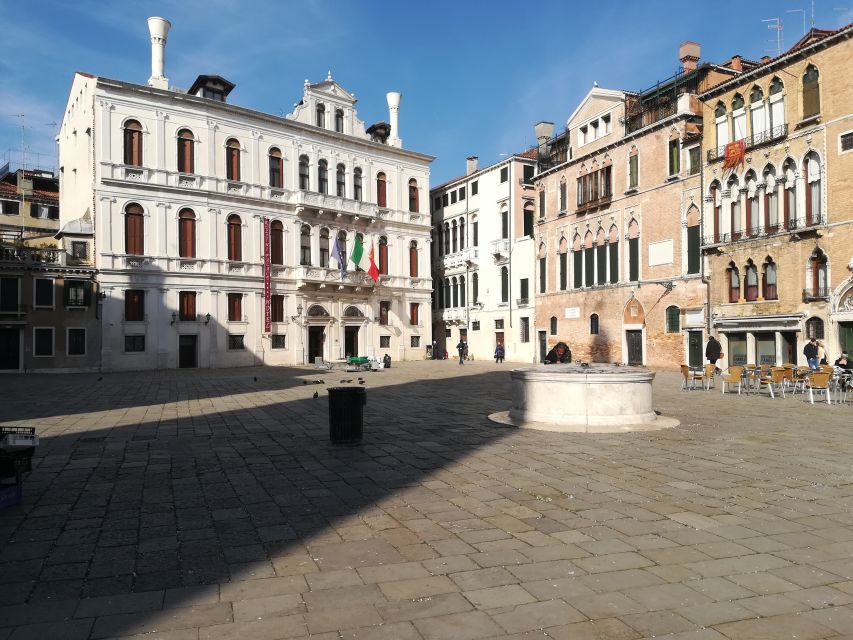
Campo San Pantalon and Campo San Rocco
The first listed sightseeing stop is Campo San Pantalon, a small Venetian square where your guide begins placing the city into context. The stop is scheduled for about 15 minutes, enough time for an explanation and a few questions without turning the tour into a long lecture.
Next comes Campo San Rocco. These early stops are useful because they show you the scale of Venice away from the postcard views. You learn to notice the relationship between squares, churches, canals, and the narrow passages linking them. The guide’s job here is not just to point at buildings, but to explain why the city developed in this unusual way.
I would pay attention to the small details. Several people who enjoyed this walk found that the guide explained things they had already passed without understanding. That is the value of a local perspective in Venice: a doorway, courtyard, or building may look ordinary until someone explains its former purpose or connection to the city’s past.
The pace is steady. You stop for roughly 15 minutes at the main points, then walk through the lanes before the next explanation. That balance suits most people, though anyone expecting a fast photo tour may find the stopping and listening more deliberate.
San Polo and Venice’s former trading heart
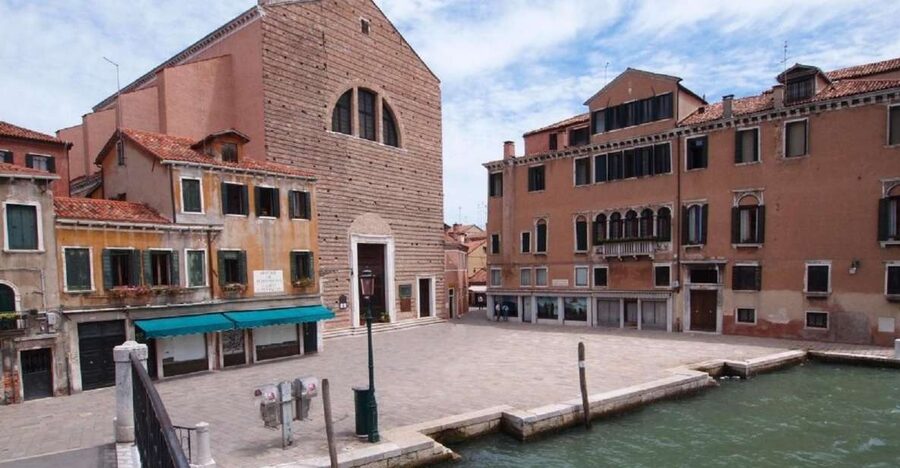
San Polo gives the walk its strongest connection to Venice’s commercial past. The area includes the old trade center associated with the Venetian Empire, and your guide explains how commerce shaped the city’s streets and public spaces.
This section is especially helpful if you want more than a list of famous buildings. Venice was not built as a normal inland city with broad roads and a central avenue. Its canals and footbridges formed a working network, and the route helps you see how people moved goods, money, and information through the city.
You will walk across small bridges and through narrow lanes rather than simply following a broad tourist corridor. Keep your group in sight at corners. One guide handled a moment when several people became separated, but Venice’s maze can still cause trouble if you stop for a photo without telling anyone.
San Polo is also a good place to ask practical questions. Guides have offered suggestions for places to eat and drink, as well as ideas for sights to visit later. Bring those questions with you. A walking tour is more useful when you treat it as a conversation rather than a one-way talk.
The Basilica dei Frari and Titian’s tomb
The Basilica di Santa Maria Gloriosa dei Frari, usually called the Frari, is one of the route’s most memorable stops. The painter Titian is buried here, and the church is an important Venetian monument even if you only see it from outside on this activity.
The tour does not include entrances, so you should not expect an interior visit or time to examine artworks inside. That limitation is worth knowing before you book. If the Frari interests you, make a note to return on your own and check opening details separately.
The outdoor explanation still gives the church a useful place in the story of Venice. Rather than rushing past it as another grand facade, you learn who is connected with the building and why it matters. The guide may also point out architectural features that you would likely miss alone.
This is a good example of the tour’s approach: it gives you a framework, then leaves you free to return later for a closer look. Several people used the walk to mark places they wanted to revisit during the rest of their stay.
A different sort of day out around Venice:
- Venice: Grand Canal by Gondola with Live Commentary
★ 4.1 · 13,681 reviews - Venice: La Fenice Opera House Entry Ticket with Audio Guide
★ 4.6 · 11,742 reviews - Doge’s Palace & St. Mark’s Basilica with Terrace Access Tour
★ 4.7 · 10,697 reviews - Venice: Burano, Torcello & Murano Boat Tour w/Glassblowing
★ 4.4 · 10,245 reviews
Crossing the Rialto Bridge
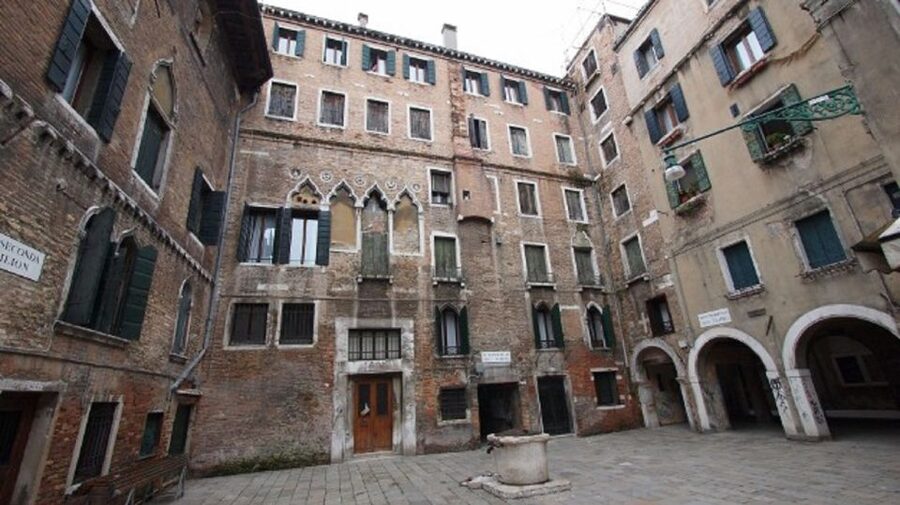
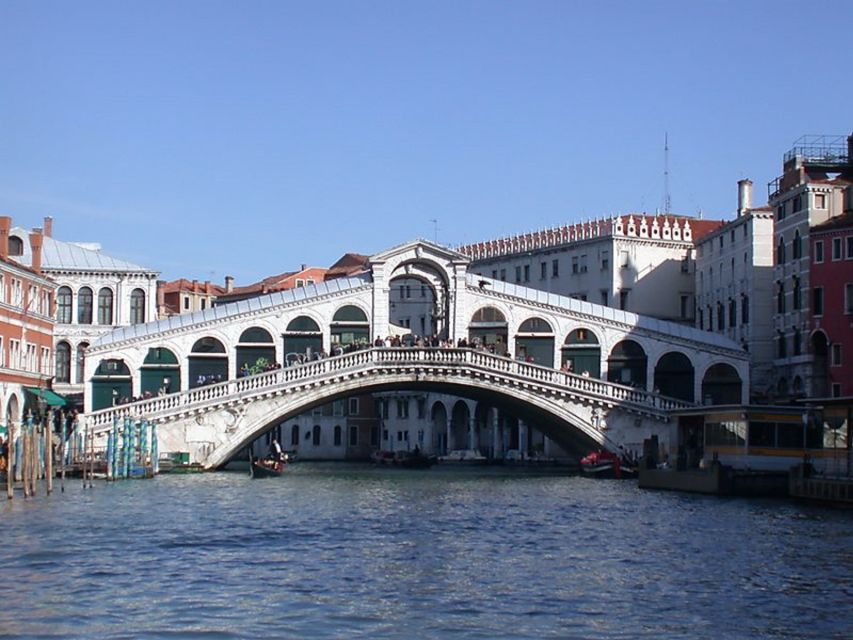
Crossing the Rialto Bridge is the route’s most obvious landmark moment. It is one of Venice’s essential views, but the experience is better when you understand the bridge as part of the city’s trading network rather than treating it as a quick photo stop.
The bridge connects the San Polo and San Marco sides of the Grand Canal. From it, you get the classic waterway view, with boats and palaces lining the canal. Crowds can make the crossing slow, especially at busy times, so keep your expectations realistic. This is not a quiet overlook.
Your guide uses the crossing to connect the physical city with its commercial past. That makes the bridge more meaningful than a stand-alone attraction. You also learn how to use it as a navigation point, which is useful when you return later without the group.
The itinerary assigns about 15 minutes to this stop, though the exact time can depend on crowd levels and the pace of the group. You should have time for a look and an explanation, but not an extended photography session.
San Giovanni and Paolo, then the final approach
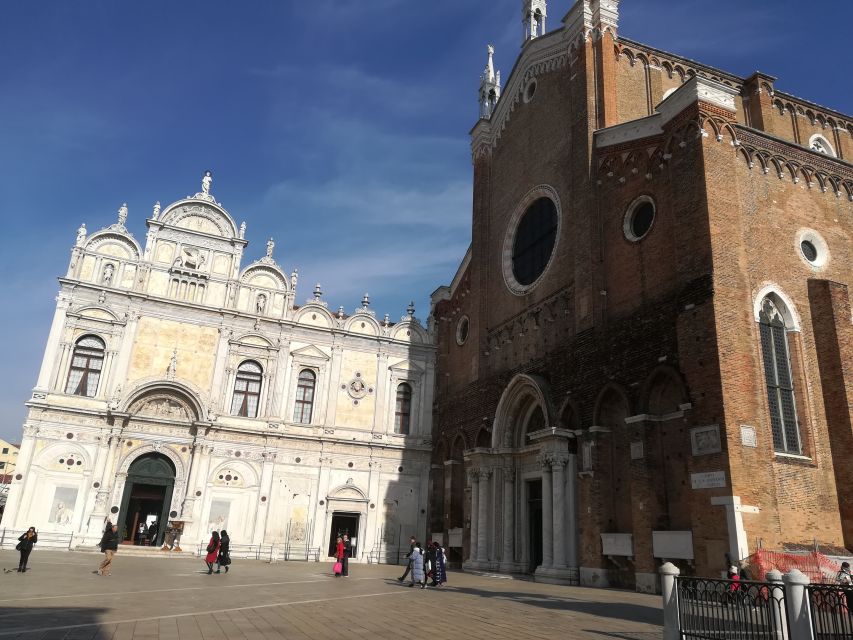
The route description also includes the Basilica of San Giovanni e Paolo, where 25 doges are buried. This adds another important church to the walk and gives your guide a chance to explain Venice’s former political order through its leaders and monuments.
As with the Frari, no entrance is included. You will be seeing the city from the street and learning how its buildings fit into the larger story. If you want to go inside, plan a separate visit.
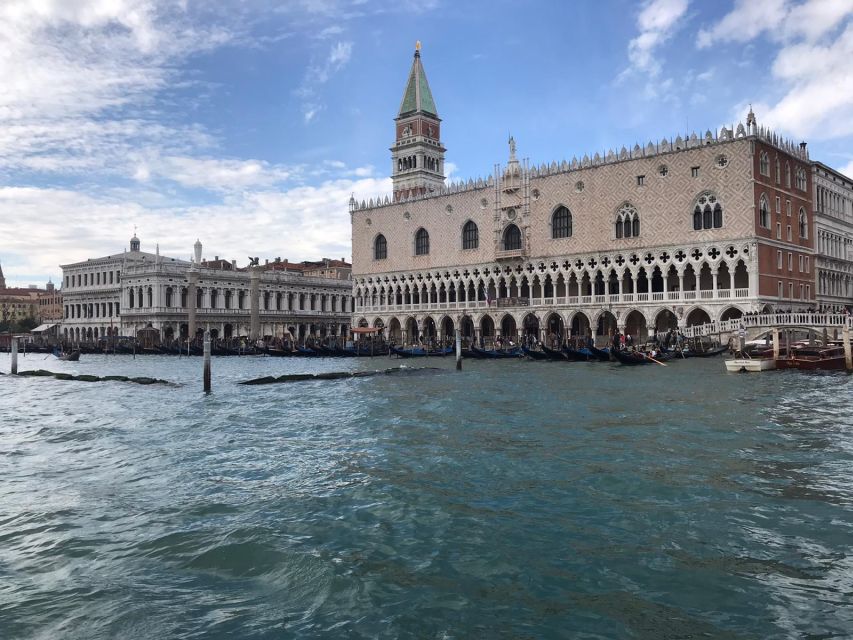
The walk eventually reaches St. Mark’s Square. This is a satisfying finish because the tour moves from local streets and smaller fields to Venice’s most famous public space. You can admire St. Mark’s Basilica and the Doge’s Palace from outside, then continue exploring on your own.
Ending here is practical. You are already in the right place for a later visit to the basilica, palace, nearby waterfront, or surrounding lanes. It also makes the tour easy to pair with an afternoon or evening plan, provided you remember that the tour itself does not include admission.
What the two-hour pace feels like
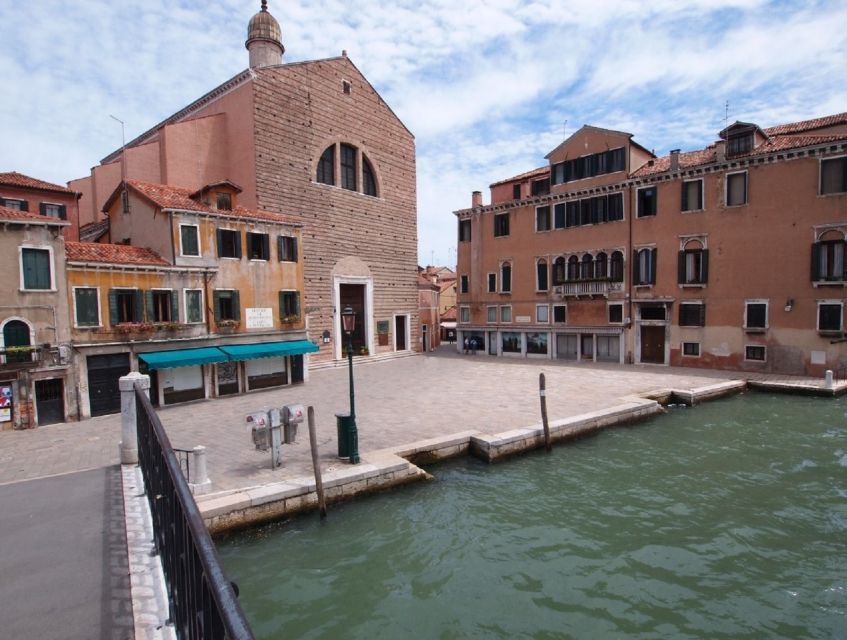
Two hours is a sensible length for this route. You cover several districts, hear the main stories, and still have energy for your own sightseeing afterward. A few people found the walk closer to two and a half hours, so allow a little flexibility if you have a fixed booking immediately afterward.
The tour includes a small group and an English-speaking local expert. Headsets have been used on some departures, which can make it easier to hear while walking through noisy streets. Do not assume every group will use the same equipment, but the format is designed to keep the guide audible.
You need comfortable shoes. Venice means hard paving, steps, bridges, and frequent changes in direction. Carry water because the tour cannot add extra stops, and the route is entirely outdoors.
Rain does not automatically spoil the experience, but it can make the paving slippery and the walk less comfortable. A rainy-day departure still follows the same basic route, so bring suitable clothing if the forecast looks poor.
This tour is not suitable for wheelchair users. The narrow lanes, bridges, and steps make the route difficult for people who need step-free access.
Is $41 a fair price?
At $41 per person, this is a reasonable price for two hours with a live local guide in a small group. You are paying for orientation, stories, and the ability to notice details that are easy to miss, not for transport or admission tickets.
The value is strongest if this is your first day in Venice. You receive a working map of the historic center, learn which districts connect, and can ask for suggestions for the rest of your visit. One useful approach is to book it early, then return to the Frari, Rialto area, or St. Mark’s Square later when you have more time.
The value is weaker if you only want interior visits. Since the Frari, St. Mark’s Basilica, and Doge’s Palace are viewed from outside, you will need separate tickets and time if those buildings are your main reason for visiting Venice.
Free cancellation up to 24 hours before the start and the option to reserve now and pay later also reduce the risk of booking ahead. Still, check the exact starting time and meeting point carefully. Missing the group is not easily fixed once the walk has begun.
Who should book this Venice walking tour?
I would choose this for a first-time visitor who wants history without a long, formal lecture. The route has enough major sights to feel substantial, while the quieter lanes keep it from becoming a simple parade between famous photo stops.
It also suits solo visitors, couples, families with older children, and anyone who likes to ask questions. The guides are praised for warmth, humor, and personal recommendations, so the experience depends as much on conversation as on monuments.
You may want another option if you need wheelchair access, dislike walking on uneven paving, or want to spend most of your time indoors. It is also not the best fit for visitors who need a tour in another language, since this activity is conducted only in English.
For the best use of the tour, book it near the beginning of your stay. Write down restaurant suggestions, places you want to revisit, and any questions about gondolas or daily Venetian life. One area that can receive less attention is the history and working side of gondolas, so ask about that if it interests you.
Should you book it?
Yes, if you want a friendly introduction to Venice that combines the Frari, San Polo, Rialto Bridge, and St. Mark’s Square with quieter streets between them. The two-hour format is long enough to teach you something useful but short enough to leave room for your own plans.
Book with clear expectations: this is an outdoor orientation walk, not an admissions tour. Wear good shoes, bring water, arrive early at the coloured wall in Campiello dei Squelini, and use the final stop at St. Mark’s Square as the start of your next adventure.
FAQ
How long does the Venice sightseeing tour last?
The advertised duration is two hours. Some departures may take a little longer, so allow extra time after the scheduled finish if you have another booking.
What language is the tour conducted in?
The tour is conducted only in English.
Where is the meeting point?
Meet at Campiello dei Squelini, near Ca’ Foscari University in Venice’s Dorsoduro district, beside the coloured wall.
How early should I arrive?
Arrive 10 minutes before the scheduled start. The group cannot wait more than five minutes, and late arrivals may not be able to join.
Does the tour include hotel pickup?
No. Pickup and drop-off are provided only from the designated meeting point, not from your hotel.
Are entrance tickets included?
No. This is an outdoor walking tour, and entrances to the Frari, St. Mark’s Basilica, and the Doge’s Palace are not included.
Is the tour suitable for wheelchair users?
No. The activity is not suitable for wheelchair users.
What should I bring?
Wear comfortable shoes and bring a bottle of water. The route includes walking through narrow lanes and across bridges, and extra stops cannot be added.
Can I cancel the booking?
You can cancel up to 24 hours in advance for a full refund. You can also reserve now and pay later.
Just added around Venice
- Exclusive Private Venice Jewish Ghetto Tour★ 5.0 · 41 reviews
- The Secret Corners of Burano★ 5.0 · 41 reviews
- Verona: Private 2-Hour Walking Tour★ 4.9 · 41 reviews
- St Mark’s Basilica & Doge’s Palace Skip the Line – Semi-Private★ 5.0 · 42 reviews
- Venice: 3-Course Dining Experience at Local Home★ 4.8 · 41 reviews
- Wine Tasting in Venice★ 4.6 · 42 reviews
- Venice Skip lines at Doge’s & St. Mark’s with Exclusive Sky Walk★ 4.5 · 42 reviews
- Venice Saint Mark’s Basilica afternoon guided tour★ 4.5 · 42 reviews
Tours, compared.
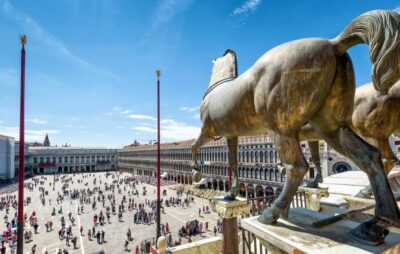
Doge’s Palace & St. Mark’s Basilica with Terrace Access Tour
Read our review →
Burano, Torcello & Murano Boat Tour w/Glassblowing
Read our review →
Murano and Burano Boat Tour with Glass Factory Visit
Read our review →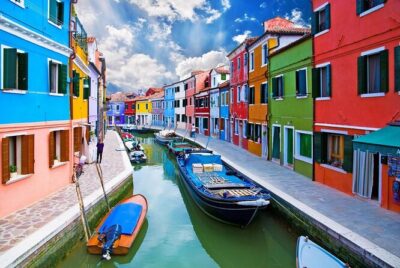
Murano, Burano and Torcello Half-Day Sightseeing Tour
Read our review →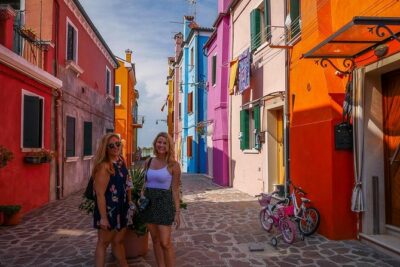
Murano & Burano Islands Guided Small-Group Tour by Private Boat
Read our review →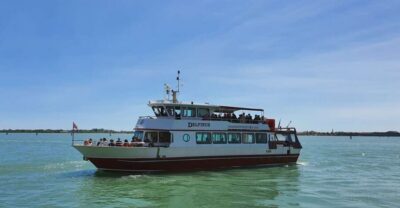
Murano & Burano Panoramic Boat Tour w/ Glassblowing
Read our review →
Murano, Burano, Torcello, and Glass Factory Tour
Read our review →