
Reviewed · PADUA TOURS
Live Padua as a local
Padua reveals itself best on foot, one square and market stall at a time. This three-to-four-hour walk links the city’s grand spaces with its everyday life, ending at Caffè Pedrocchi, where a local tasting gives the tour a pleasant finish.
I like the small maximum of eight people, which gives guides such as Chiara and Martina room to adjust the pace and answer questions. I also like the mix of famous sights and ordinary places, especially Sotto il Salone, where Padua still shops for cheese, meat, fish, produce, and other local foods. The main consideration is language: most feedback praises the English guides, but one person found communication difficult.
In This Review
- Key points to know before booking
- Why this Padua walking tour works well
- Prato della Valle sets the scale
- Il Santo, Padua’s great pilgrimage church
- The Jewish Ghetto brings you into narrower streets
- Sotto il Salone is the tour’s best everyday scene
- The twin market squares, Piazza delle Erbe and Piazza della Frutta
- Palazzo Bo offers a glimpse of Padua’s university life
- Café Pedrocchi is a fitting finish
- What the $84.10 price includes
- Timing, group size, and meeting details
- Who will get the most from this walk
- Should you book Live Padua as a local?
- FAQ
- How long does the Padua walking tour last?
- What language is the tour offered in?
- How many people can join the tour?
- Is food or drink included?
- Does the tour include admission tickets?
- Where does the tour start and end?
- Can I cancel for a full refund?
Key points to know before booking
- Small groups of up to eight: You get a more personal walk than on a large city tour.
- A useful first look at Padua: The route covers the major center sights without trying to turn every stop into a formal museum visit.
- Local food is part of the experience: Your tasting takes place at Caffè Pedrocchi or the historic market.
- The tour ends at Café Pedrocchi: This famous café is known for its mint coffee and its long tradition of staying open day and night.
- The pace can be adjusted: Guides have been praised for walking at a reasonable speed and answering questions.
- Check communication before departure: The agency may contact you by WhatsApp or email, and the meeting information has previously caused confusion.
Why this Padua walking tour works well
Padua is easy to underestimate. Many people see it as a quick stop between Venice and Verona, but its old center has grand civic squares, a major pilgrimage church, one of Europe’s largest public squares, and a university founded in 1222. The difficulty is not finding things to see. It is understanding how the pieces fit together.
This walk gives you that framework in a compact half-day. You move from the open space of Prato della Valle to the religious center of the Basilica of Sant’Antonio, then into the narrow Jewish Ghetto and the food markets at the heart of town.
I would treat it as an orientation tour rather than a full museum visit. The listed stops are short, with the most time spent walking between them and talking with your guide. That is useful if you have only one day in Padua and want help deciding where to return later.
The group limit matters. With no more than eight people, your guide can pause for questions, alter the pace, and respond to what interests you. Chiara is repeatedly singled out for her friendly manner, clear explanations, and patience. Martina has also been praised for personalizing the route, while Camilla is noted for speaking very good German, though the regular offering is in English.
A few more Padua days to weigh up
- Padua to Venice Boat Cruise of the Brenta Riviera
★ 4.5 · 418 reviews - Tasting Prosecco with appetizers
★ 5.0 · 217 reviews - Full-Day Padua to Venice Burchiello Brenta Riviera Boat Cruise
★ 4.5 · 198 reviews
Prato della Valle sets the scale
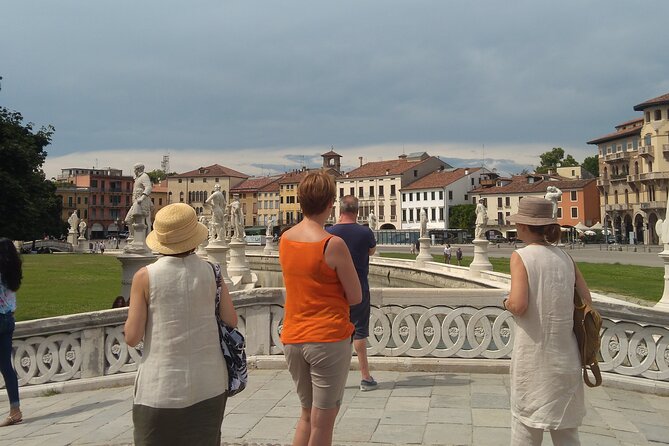
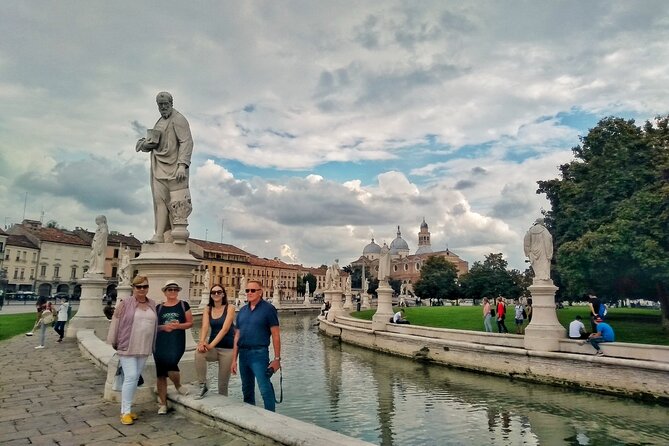
The tour begins at Prato della Valle, Padua’s largest square and one of the largest in Europe. It is an impressive opening because it gives you space to see the city on a grand scale before the route tightens into lanes and market streets.
A canal and a ring of 78 statues shape the square. Those statues represent important figures connected with Padua, so your guide can use the setting as a quick introduction to the people and events that shaped the city.
The scheduled stop is about 15 minutes, and admission is free. That is enough time to take in the layout and hear the main story, but not enough for a detailed study of every statue. If you enjoy civic art or want close photographs, you may wish to return later on your own.
The square also helps you judge the physical demands of the walk. The tour is not a hike, but it does involve several hours on city streets, with repeated standing and walking. One useful detail from the experience is that the route can work even in rain, since Padua has many covered walkways and overhangs.
Il Santo, Padua’s great pilgrimage church
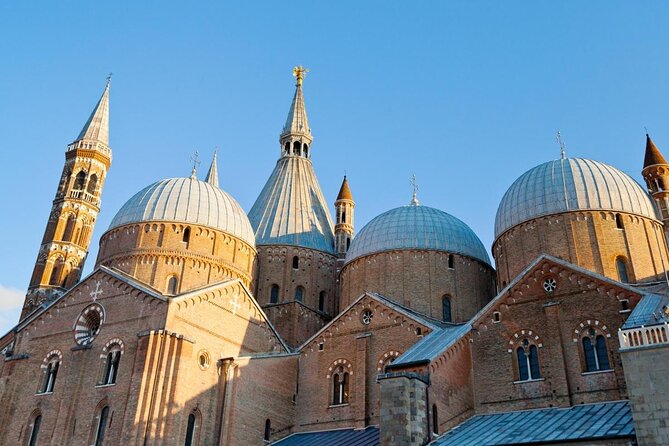
The Basilica of Sant’Antonio, usually called Il Santo, is the tour’s major religious stop. It draws millions of pilgrims and brings together several architectural styles and cultural influences. Even from a short visit, you get a sense of why the building matters so much to Padua.
The planned stop lasts about 20 minutes, and admission is free. Your guide will help you read the church as more than a grand façade or a famous pilgrimage address, explaining its place in the city’s religious life.
Do not expect a long guided examination of every chapel, artwork, or relic. Twenty minutes is an introduction. If Il Santo is central to your interests, ask your guide what deserves a later visit and allow extra time after the tour.
This is also one of the places where a personal guide helps. The building can feel crowded or visually overwhelming, particularly for a first-time visitor. A short explanation gives you a better sense of what to notice instead of leaving you to absorb a mass of domes, stone, and devotional activity without context.
The Jewish Ghetto brings you into narrower streets
South of Piazza delle Erbe, the route enters Padua’s former Jewish Ghetto. The area began operating in 1603 and was abolished in 1797, when Jews were declared free and equal under pressure from the French Revolution.
The scheduled visit is only about 10 minutes, but the setting changes the tone of the walk. After the wide spaces of Prato della Valle and the large basilica, you move through a maze of narrow streets. This is a good example of why the experience is more than a checklist of postcard sights.
The short stop means you will receive a compact explanation rather than a long social and architectural study. Still, the ghetto gives you an important piece of Padua’s past and shows how the historic center changes from one block to the next.
If questions come to mind, ask them at once. Guides such as Chiara have been praised for making time for questions and for adding practical information about life in Padua today, not only dates and names.
A different sort of day out around Padua:
- Prosecco tasting, appetizers and tour of the cellar and vineyards
★ 5.0 · 178 reviews - Padua Hop-on Hop-off Tour: 24-Hour Ticket
★ 3.5 · 134 reviews - Padova: Baptistery of the Cathedral & Museum of the Diocese
★ 4.6 · 128 reviews - Padua: Private City Walking Tour & Scrovegni’s Chapel Visit
★ 4.7 · 124 reviews
Sotto il Salone is the tour’s best everyday scene
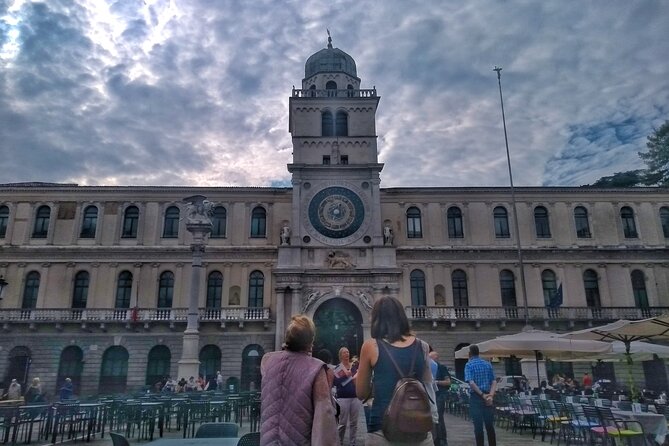
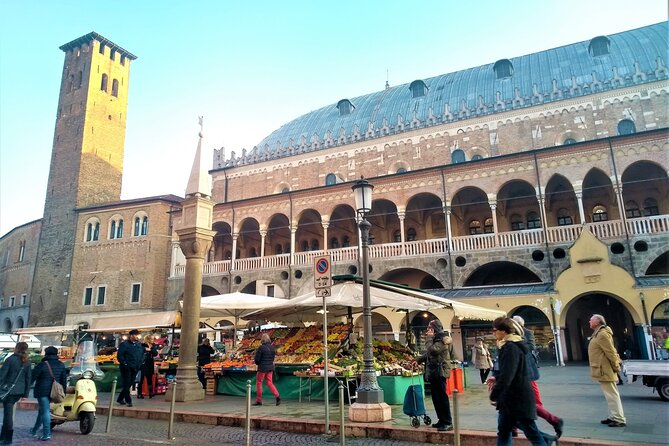
Sotto il Salone is the covered market beneath Palazzo della Ragione. It is one of the most useful stops for seeing how Padua functions as a living city rather than a collection of monuments.
Inside, you find shops selling meat, fish, vegetables, oil, cheese, and other food. The scheduled stop is 15 minutes, which gives you a quick look at the market and may also be where your typical Paduan tasting takes place.
I especially like this part of the route because food markets explain a place in a direct way. You can see what people buy, how the old center is used, and which local specialties your guide thinks are worth trying. It also gives you a break from formal sightseeing.
The timing is brief, so do not count on a leisurely market lunch. If food is a major reason you booked, check with the agency or guide whether your tasting will happen here or at Caffè Pedrocchi. Both options are included, but the exact location can vary.
The twin market squares, Piazza delle Erbe and Piazza della Frutta
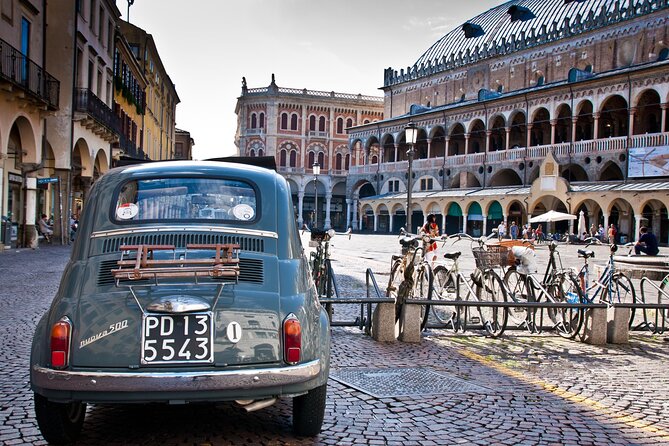
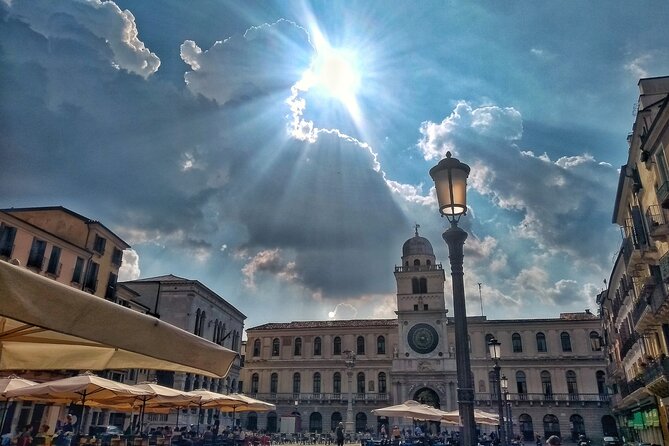
Piazza delle Erbe and Piazza della Frutta sit beside one another and form the commercial core of old Padua. For centuries, the two squares served as the city’s main market area. Their names reflect that role: one was also known as the square of hay or wine, while the other carried the older name Piazza del Peronio.
Piazza delle Erbe has also been linked with popular celebrations, in contrast with Piazza dei Signori, which hosted civic ceremonies. The square is dominated by Palazzo della Ragione, a huge medieval building that also forms part of the city’s municipal complex.
Piazza della Frutta is similarly shaped by Palazzo della Ragione and the Torre degli Anziani. Together, the two squares show how Padua’s public life was organized around trade, food, celebration, and government.
Each stop is listed at about 10 minutes. That is enough for a guide to point out the main buildings and explain the relationship between the squares. It is not enough to browse every market stand or inspect Palazzo della Ragione in detail.
I would not judge these stops by their short duration. Their value comes from seeing them as a pair. Your guide can show how the city’s daily commerce once worked and how the same public spaces remain central today.
Palazzo Bo offers a glimpse of Padua’s university life
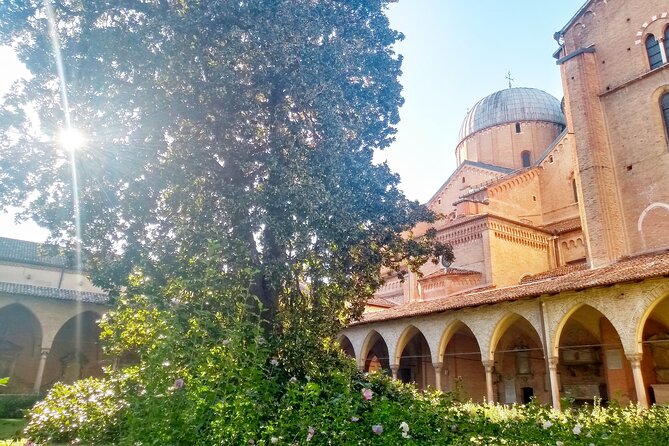
Palazzo Bo has been the historic home of the University of Padua since the university was founded in 1222. It still houses the rectorate and the School of Law, and it contains the oldest anatomical theater in the world.
The scheduled stop is only five minutes, and admission is not included. This is an important point when planning your expectations. The tour gives you an introduction to the building and its role, but it does not include a full interior visit or an anatomical theater ticket.
If you are especially interested in the university, medicine, or historic interiors, Palazzo Bo may deserve a separate visit. The walk helps you identify it and understand why it matters, but the brief timing keeps the overall tour moving.
This stop also adds balance to the itinerary. Padua is not only a pilgrimage city and market town. Its university has shaped the city for centuries, and Palazzo Bo gives that academic tradition a clear place on the route.
Café Pedrocchi is a fitting finish
The walk ends at Caffè Pedrocchi on Via VIII Febbraio. The café is known as the café without doors because it remained open day and night from its opening in 1831 until 1916.
The included tasting may happen here, and the specialty to know is Caffè Pedrocchi. It combines 100 percent Arabica espresso with fresh cream, mint syrup, and a dusting of bitter cocoa. It is a distinctive local finish, not simply a routine cup of coffee.
The café stop is scheduled for about 15 minutes. In practice, it also gives you a chance to talk with the guide after the formal sightseeing ends. One particularly useful pattern in the feedback is that guides have offered practical suggestions for dinner and other places to see in Padua during this final conversation.
That extra exchange can be one of the tour’s most useful features. Once you have walked the center together, you can ask specific questions: which square is best for a return visit, where to continue after the tour, or which local food deserves attention.
What the $84.10 price includes
At $84.10 per person, this is not the cheapest way to stroll around Padua. You can see the squares and many exterior sights without paying for a guide. The value comes from the explanation, the small group, the local food tasting, and the help you receive in arranging your limited time.
The price includes the walking tour, a local tour leader, the typical Paduan tasting, insurance, and the technical organization of a certified travel agency. Round-trip transport to the departure point is included only in the options where you select it, so read that choice carefully before paying.
Most stops have free admission. Palazzo Bo is the exception in the supplied details, with its admission not included. Since the itinerary gives only five minutes there, the main cost is not entry tickets. You are paying for the guide and the structure of the walk.
I think the price makes the most sense for a first visit, a short stay, or anyone who prefers a local introduction over independent map reading. If you already know Padua well, or plan to spend several days researching the city yourself, the value may be less clear.
Timing, group size, and meeting details
The activity lasts about three to four hours, although the listed stop times add up to less than that. The difference is walking time, explanations, transitions, and the tasting. Plan for a half-day rather than a tightly timed two-hour outing.
The starting location is in Padua at postal code 35123. The walk ends at Caffè Pedrocchi, Via VIII Febbraio 15, in postal code 35122. Because meeting details have caused confusion in the past, check the final message carefully.
The agency contacts you a few days before departure to confirm the meeting or pickup time. You must provide a working phone number with WhatsApp or an email address. Departure times are approximate and can shift slightly.
The group has a maximum of eight people. Most people can take part, service animals are allowed, and the route is near public transportation. You should still be comfortable walking and standing for several hours.
The tour is offered in English. Most of the guide feedback is strongly positive, especially for Chiara’s patience and clear answers, but one person found an English guide difficult to understand. If clear spoken English is especially important to you, confirm the guide and communication arrangements before departure.
Who will get the most from this walk
I would recommend it to you if Padua is new and you want a clear first picture of the center. It is also a good choice if you have limited time and want a guide to show you the main squares, Il Santo, the ghetto, the market, the university, and a classic café without arranging each stop yourself.
It suits people who like history but do not need a long lecture at every building. The route keeps moving, and the local angle comes through food, markets, city customs, and suggestions for the rest of your stay.
It is less suited to you if your main goal is detailed interior access. The stop at Palazzo Bo is very short, and the other timings are designed for orientation rather than extended visits. You may also want a different option if you need a guaranteed language standard beyond English.
The walk can handle less-than-perfect weather better than you might expect because Padua has covered areas and overhangs. Even so, the activity requires good weather, and poor conditions can lead to a different date or a full refund.
Should you book Live Padua as a local?
Book it if you want a small, friendly introduction to Padua with real city life mixed into the famous sights. The market at Sotto il Salone, the twin commercial squares, and the final coffee stop make the experience feel more grounded than a monument-only walk.
The strongest reason to choose it is the guide. Chiara has earned especially warm praise for her patience, personal manner, and ability to answer questions. Martina has also shown flexibility, including arranging a look at a site that was closed for a private event.
Skip it if you want long museum visits, guaranteed interior admission at Palazzo Bo, or a tour built around advanced academic detail. For everyone else, $84.10 is a fair price for a three-to-four-hour orientation, a small group, and a local tasting that helps you continue exploring Padua on your own.
FAQ
How long does the Padua walking tour last?
The experience lasts approximately three to four hours. The timing includes the walking route, stops, explanations, and the typical Paduan tasting.
What language is the tour offered in?
The tour is offered in English. The agency may contact you by phone through WhatsApp or by email before departure.
How many people can join the tour?
The group has a maximum of eight participants.
Is food or drink included?
Yes. A typical Paduan tasting is included. It takes place either at Caffè Pedrocchi or at the historical market, depending on the arrangement.
Does the tour include admission tickets?
Admission is free at Prato della Valle, the Basilica of Sant’Antonio, the Jewish Ghetto, Sotto il Salone, Piazza delle Erbe, Piazza della Frutta, and Caffè Pedrocchi. Admission to Palazzo Bo is not included.
Where does the tour start and end?
The tour starts in Padua at 35123 Padua, Province of Padua, Italy. It ends at Caffè Pedrocchi, Via VIII Febbraio 15, 35122 Padova PD, Italy.
Can I cancel for a full refund?
Yes. You can cancel at least 24 hours before the start time for a full refund. Changes or cancellations made less than 24 hours before the start time are not accepted for a refund. If poor weather or an insufficient number of participants cancels the tour, you will be offered another date or experience, or a full refund.
Just added around Padua
- Padova: Digital Guide made with a Local for your tour★ 4.1 · 53 reviews
- Best of Padova: Private Walking Tour with a Local★ 3.8 · 56 reviews
- Padua: Scrovegni Chapel Ticket and Audio Guide★ 3.9 · 61 reviews
- Padua: Jewish Heritage Museum and Synagogue Tour★ 4.9 · 109 reviews
- Padova: Baptistery of the Cathedral & Museum of the Diocese★ 4.6 · 128 reviews
- Padua Hop-on Hop-off Tour: 24-Hour Ticket★ 3.5 · 134 reviews
- Cesarine: Small group Pasta and Tiramisu class in Padua★ 4.5 · 13 reviews
- DA Padova: Wine tour in the Euganean Hills★ 5.0 · 15 reviews
Padua Tours, compared.
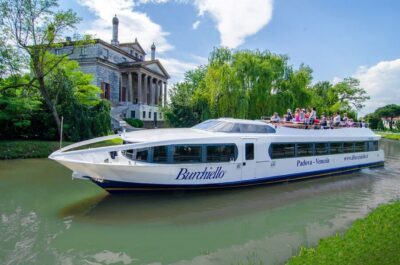
Padua to Venice Boat Cruise of the Brenta Riviera
Read our review →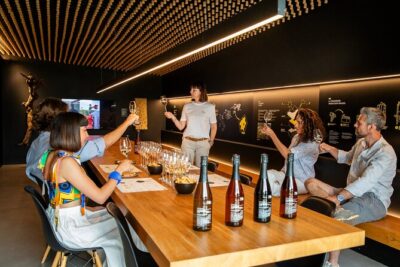
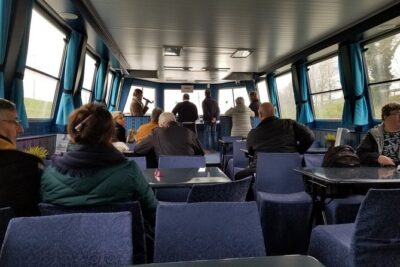
Full-Day Padua to Venice Burchiello Brenta Riviera Boat Cruise
Read our review →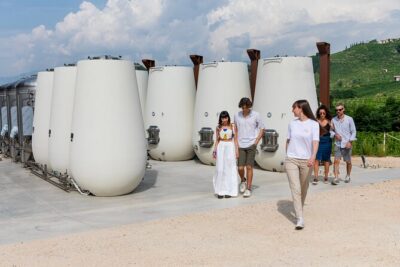
Prosecco tasting, appetizers and tour of the cellar and vineyards
Read our review →
Baptistery of the Cathedral & Museum of the Diocese
Read our review →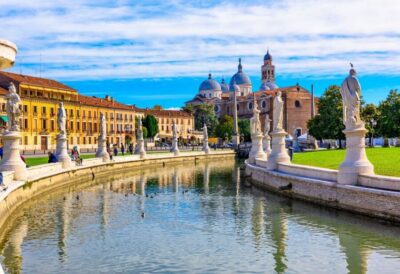
Private City Walking Tour & Scrovegni’s Chapel Visit
Read our review →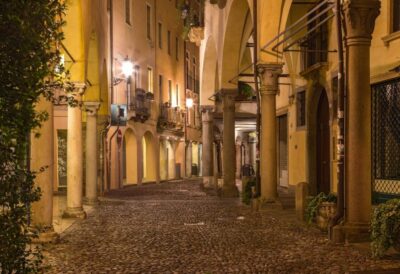
Browse the lists this tour appears in