
Reviewed · PADUA TOURS
Padua small group tour with Scrovegni Chapel entrance
Giotto’s frescoes are the star here. The Scrovegni Chapel gives you about 30 minutes with one of Italy’s great works of art, then the guide leads you through Padua’s squares, buildings, legends, and symbolic places. I like the included chapel ticket and the small-group format, which makes a short visit feel focused rather than rushed by a large crowd.
I also like that the tour helps you get your bearings in Padua before you explore on your own. Guides such as Cristina and Caterina are praised for clear, detailed explanations. The main drawback is the tight two-hour schedule: the chapel visit is brief, and the city walk leaves little time for lingering at each stop.
In This Review
- Key points at a glance
- Why Giotto’s chapel gives this short tour its purpose
- Starting at the Eremitani Museums
- The first 30 minutes at Scrovegni Chapel
- A 90-minute walk through Padua
- What the small group changes
- Guides who make the difference
- Is $67.43 a fair price?
- Who should choose this Padua tour?
- Practical details before you book
- Should you book it?
- FAQ
- How long does the Padua tour last?
- Is entrance to the Scrovegni Chapel included?
- Where does the tour begin and end?
- Is the tour offered in English?
- How large is the group?
- Is private transportation included?
Key points at a glance
- Giotto’s Scrovegni Chapel: Spend about 30 minutes with the celebrated fresco cycle, with admission included.
- A compact Padua introduction: Use the 90-minute walking portion to see major squares, architecture, and symbolic sites.
- Small-group setting: The group can include up to 20 people, a more personal scale than a large coach tour.
- English-speaking guidance: A certified tourist guide explains the art, stories, and city landmarks.
- Easy central meeting point: Start and finish at the Eremitani Museums on Piazza Eremitani.
- Good short-stay value: At $67.43 per person, the tour combines a major admission ticket with two hours of guiding.
Why Giotto’s chapel gives this short tour its purpose
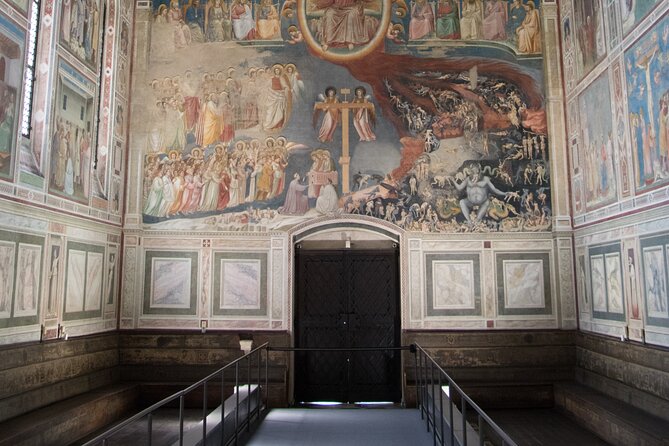
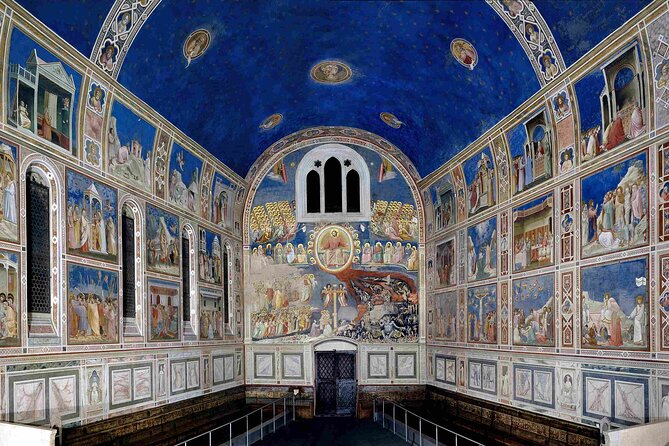
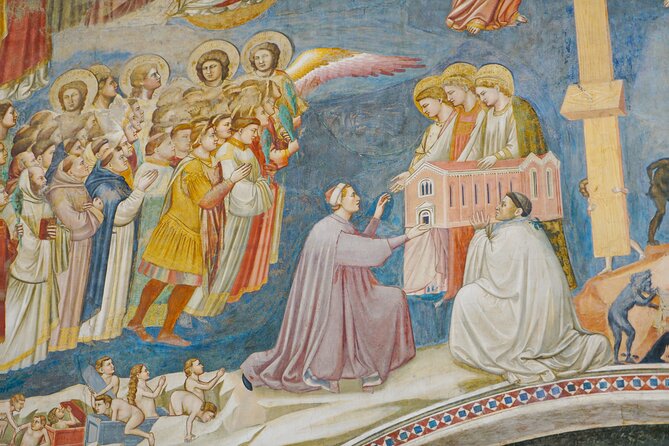
Padua has plenty to see, but the Scrovegni Chapel gives this experience a clear center. The chapel is famous for its cycle of frescoes by Giotto, whose work changed the direction of European painting through stronger human feeling, expressive faces, and scenes that are easier to follow than the stiff religious images that came before him.
You do not simply arrive, look around, and move on without context. The guide explains the chapel before you enter, giving you a framework for the images and their place in Padua’s cultural story. That preparation matters, especially if you are not used to reading medieval religious art.
Your time inside is listed as about 30 minutes. That may sound short, but it gives you a concentrated look without turning the visit into an art-history lecture that takes over your day. I would still treat this as an introduction rather than a slow study session. If you want to examine every scene closely, you may wish for more time.
The chapel admission is included in the $67.43 price, which makes the cost easier to assess. You are paying not only for a guide, but also for access to Padua’s most important artistic stop on this route.
A few more Padua days to weigh up
- Padua to Venice Boat Cruise of the Brenta Riviera
★ 4.5 · 418 reviews - Tasting Prosecco with appetizers
★ 5.0 · 217 reviews - Full-Day Padua to Venice Burchiello Brenta Riviera Boat Cruise
★ 4.5 · 198 reviews
Starting at the Eremitani Museums
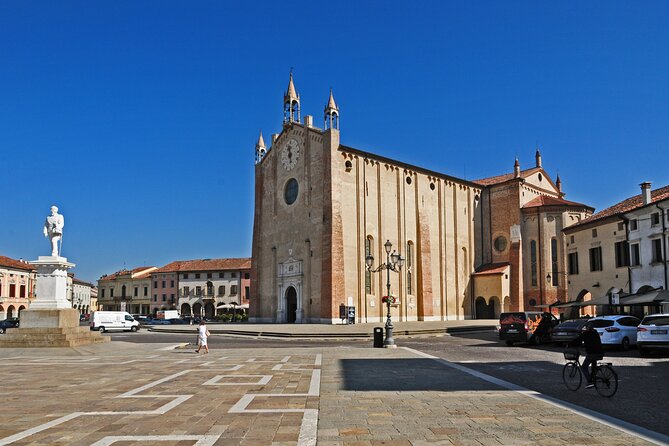
The tour begins at the Eremitani Museums, Piazza Eremitani 8. It also ends back at the meeting point, so you do not have to work out a separate finish location or arrange a transfer after the walk.
That central start is useful for a short visit to Padua. The meeting point is near public transportation, and the experience does not include private transport. In practical terms, you should plan to reach the museums on your own and arrive ready to walk.
The location also puts you close to the chapel area and the city’s central sights. Since the entire experience lasts about two hours, a late arrival would cut into the most valuable part of the tour. Your confirmation arrives at booking, so check the meeting details and local start time before setting out.
The first 30 minutes at Scrovegni Chapel
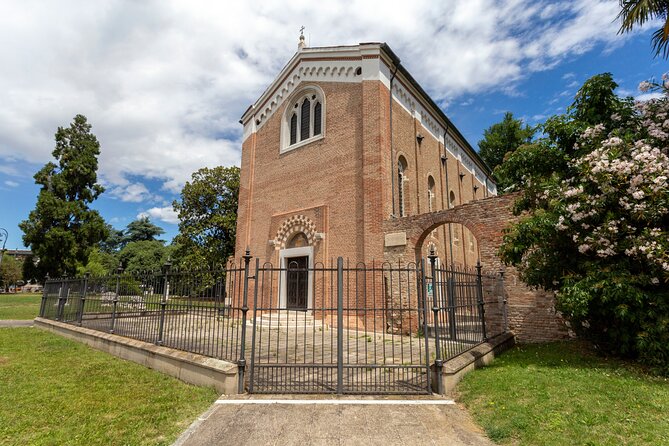
The chapel visit comes first and lasts about half an hour. This is the part of the experience that requires the most attention, since Giotto’s frescoes are best appreciated when you can focus on the sequence of scenes and the guide’s explanation.
Expect the guide to set up the visit before you enter. One guide, Caterina, is specifically praised for explaining the chapel before the group went inside, a useful approach because it lets you look with a basic map in mind instead of trying to absorb every detail at once.
The fresco cycle carries religious themes, but you do not need specialist training to appreciate the storytelling. Watch how the scenes are arranged, how figures express fear or grief, and how the images guide your eye from one episode to the next. The guide’s role is especially useful here because a quick visit can otherwise become a blur of painted walls.
A short introductory video may also form part of the regulated chapel entry process. The available information does not promise exactly how this is handled at every departure, but one account describes the initial video as interesting and useful. It may help you understand why visits are carefully timed.
The chapel is the clear highlight, but the strict timing has a benefit. You receive a clean, concentrated presentation rather than a long stop that leaves little energy for Padua itself. If you are an art specialist or want extended time with Giotto, this format may feel limited. If you are visiting Padua for the first time, 30 minutes gives you a strong first look.
A 90-minute walk through Padua
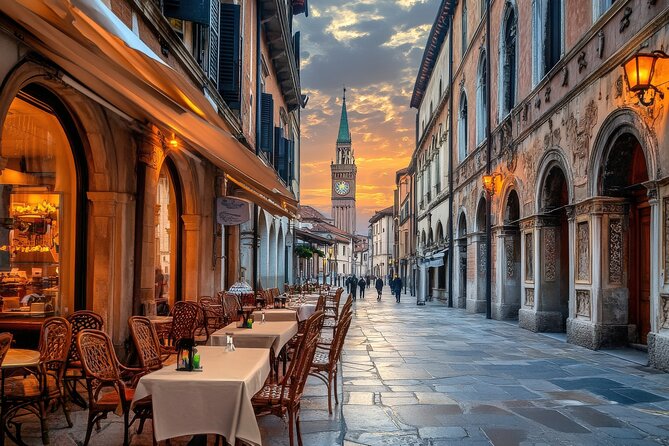
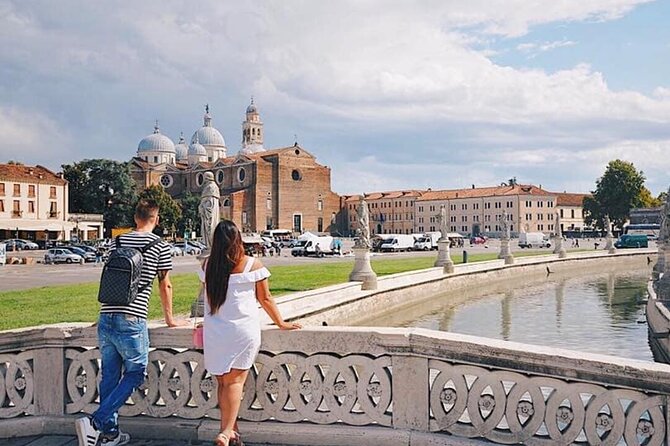
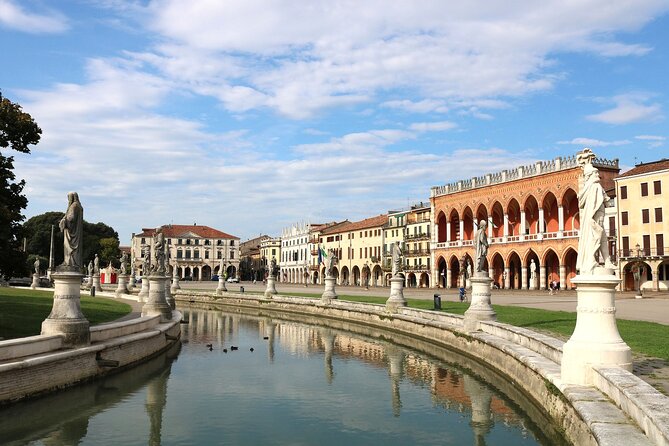
After the chapel, the guide takes you through Padua for about an hour and a half. The route is described through elegant squares, architectural works, symbolic places, local legends, and events that shaped the city’s identity.
The strength of this portion is its range. You are not only looking at buildings. You are hearing why certain places matter and how Padua’s public spaces connect to its past. A guide can point out meaning that would be easy to miss if you walked the same route with only a map.
The tour is also designed to help you get your bearings fast. One guide, Christina, is praised for giving a clear sense of many sights and helping the group learn its way around. That is practical value for anyone staying in Padua longer than a few hours. After the tour, you should have a better idea of where to return for a closer look, a meal, or a museum visit.
The wording of the route leaves the exact list of squares and landmarks open, so you should not book this expecting a fixed checklist of named monuments. The experience is better understood as a guided introduction to the city’s character, with the chapel as its artistic anchor.
The time is also worth keeping in mind. Ninety minutes sounds generous, but a walking tour can cover ground quickly when it includes explanations and several stops. You will likely hear a useful overview rather than receive a long treatment of every building. That is ideal for a first visit, but less suited to someone who already knows Padua well.
A different sort of day out around Padua:
- Prosecco tasting, appetizers and tour of the cellar and vineyards
★ 5.0 · 178 reviews - Padua Hop-on Hop-off Tour: 24-Hour Ticket
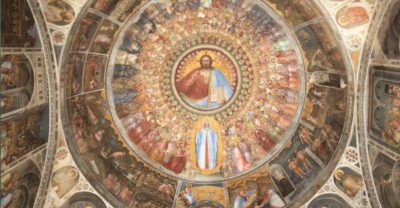
★ 3.5 · 134 reviews - Padova: Baptistery of the Cathedral & Museum of the Diocese
★ 4.6 · 128 reviews - Padua: Private City Walking Tour & Scrovegni’s Chapel Visit
★ 4.7 · 124 reviews
What the small group changes
The maximum group size is 20 people. That is not a private tour, but it is small enough to keep the guide’s voice and explanations more accessible than they would be in a large group.
A small group also helps the tone of the visit. The experience is intended to feel pleasant and personal, with room to follow the guide’s thread through the city. You can ask a question without stopping a crowd of dozens, though the actual amount of personal attention will depend on the final group size.
The format works particularly well at the chapel. Art explanations lose their force when a guide is speaking to a large, scattered group. A group capped at 20 keeps the visit more manageable, while the included entry removes one important task from your hands.
Still, do not confuse small group with private. You will share the guide, pace, and schedule with other people. If you prefer to stop for photographs, sit in a square, or change the route on a whim, a private walk would offer more freedom. This tour is built for structure.
Guides who make the difference
The guide is a major part of the tour’s value. The experience includes a certified tourist guide, and the strongest praise centers on clear, well-prepared explanations rather than theatrical performance.
Cristina is described as very good and well prepared, while Caterina receives praise for detailed explanations at the sights and before entering the chapel. Christina is also credited with making the city easier to understand and navigate. The names appear in slightly different forms, so you should not assume a particular guide will lead your departure, but they give you a useful sense of the standard to expect.
The best guiding here is not about filling every second with facts. It is about choosing the right facts. At the chapel, that means explaining what you are about to see. In the city, it means linking squares, architecture, legends, and important events into a story that makes Padua more readable.
Several descriptions also point to a short but intense experience. That is a fair way to think about it. You receive a concentrated introduction, not an unhurried full-day study of Padua.
Is $67.43 a fair price?
At $67.43 per person, this is not the cheapest way to walk around Padua. You can see many public squares on your own for nothing, and a self-guided visit costs only your time and perhaps an audio guide.
The comparison changes once you include the Scrovegni Chapel admission and a certified guide. You receive two hours of organized touring, a ticket to the city’s headline art site, and an explanation that helps you understand both the chapel and the surrounding city. For a first visit, that combination gives the price a reasonable foundation.
The value is strongest if you have limited time. Instead of arranging chapel entry, researching the artwork, and mapping out a city walk, you get one compact booking. It also reduces the risk of spending your short Padua visit looking at buildings without understanding why they matter.
The value is weaker if you plan to stay for several days and enjoy slow, independent exploration. In that case, you might prefer to visit the chapel separately and spend a full day wandering Padua at your own pace. You would give up the guide’s context, but gain flexibility.
The fact that the experience is often booked 36 days ahead is worth noting. It suggests that you should not leave this until the last moment, particularly if the chapel visit is the main reason you are coming to Padua. Confirmation is provided when you book, and free cancellation is available if you cancel at least 24 hours before the local start time.
Who should choose this Padua tour?
I would recommend it most strongly to a first-time visitor who wants a clear introduction without giving up an entire day. It suits anyone who wants to see Giotto’s chapel but would rather have the art explained than simply enter with no background.
It is also a good fit if you are traveling through northern Italy on a tight schedule. Two hours can give you a useful sample of Padua’s art and city center, especially when you start and finish in the same central place.
Art lovers should consider it, but with realistic expectations. The chapel is essential, yet the 30-minute visit is only enough for a focused overview. If you want to linger over individual frescoes, make sure you are comfortable with the set schedule.
Families and mixed-interest groups may find the balance useful. The chapel provides a major cultural stop, while the city walk adds movement and variety. The available information says most people can participate, but the tour does involve walking, so anyone with specific mobility concerns should assess the format before booking.
Independent travelers who dislike fixed routes may want to skip it. The guide, group pace, and planned duration are part of the product. You gain context and convenience, but you lose the freedom to decide how long to stay at each square.
Practical details before you book
The tour is offered in English and uses a mobile ticket. Keep the booking confirmation available on your phone, since the ticket is part of the practical advantage of booking this experience.
Private transport is not included. You are responsible for reaching the Eremitani Museums at Piazza Eremitani 8, though the meeting point is near public transportation. The activity returns to that same meeting point at the end.
The group can include up to 20 people. Most people can participate, but the tour is not described as a private or fully customized experience.
Cancellation is flexible up to a point. You can receive a full refund by canceling at least 24 hours before the start time. Cancellations or changes made less than 24 hours before the local start time are not accepted for a refund.
Should you book it?
Book this tour if you want Giotto’s Scrovegni Chapel and a guided first look at Padua in one efficient package. The included admission, certified guide, central meeting point, and group limit of 20 make it a sensible choice for a short stay.
Skip it if you want long, unstructured time with the frescoes or prefer to explore every square alone. For most first-time visitors, though, the tour earns its price by combining Padua’s most important artwork with the city context that helps you appreciate everything around it.
FAQ
How long does the Padua tour last?
The experience lasts approximately two hours. About 30 minutes are spent at the Scrovegni Chapel, followed by about 90 minutes exploring Padua with a guide.
Is entrance to the Scrovegni Chapel included?
Yes. The ticket entry to the Scrovegni Chapel is included in the tour price.
Where does the tour begin and end?
The tour begins at the Eremitani Museums, Piazza Eremitani 8, 35121 Padova. It ends back at the same meeting point.
Is the tour offered in English?
Yes. English is one of the available tour languages.
How large is the group?
The experience has a maximum of 20 participants.
Is private transportation included?
No. Private transport is not included. The meeting point is near public transportation, so you must make your own way to the Eremitani Museums.
Just added around Padua
- Padua City Sightseeing Walking Tour of Must-See-Sites with Local Guide★ 5.0 · 3 reviews
- Padua: Private Pasta-Making Class at a Local’s Home★ 5.0 · 3 reviews
- Tour to the Walled City of Monselice DA Abano and Montegrotto Terme★ 4.5 · 3 reviews
- E-bike rental – Road bike – Mountain bike★ 5.0 · 3 reviews
- CSTRents – Padova Segway PT Authorized Tour★ 3.5 · 3 reviews
- Padua: guided walking tour with an art historian★ 5.0 · 3 reviews
- DA Venezia : Experience Padua like a local★ 5.0 · 4 reviews
- Street Food Walk in Padova★ 5.0 · 4 reviews
Padua Tours, compared.

Padua to Venice Boat Cruise of the Brenta Riviera
Read our review →

Full-Day Padua to Venice Burchiello Brenta Riviera Boat Cruise
Read our review →
Prosecco tasting, appetizers and tour of the cellar and vineyards
Read our review →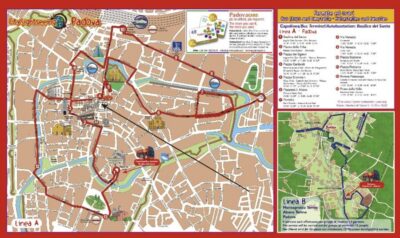
Baptistery of the Cathedral & Museum of the Diocese
Read our review →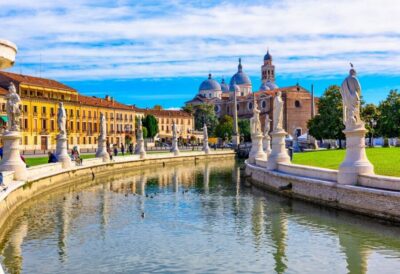
Private City Walking Tour & Scrovegni’s Chapel Visit
Read our review →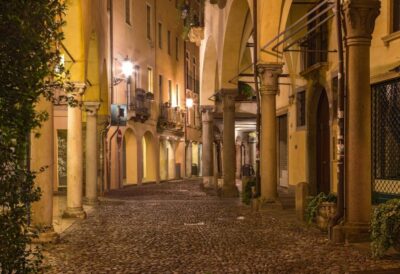
Browse the lists this tour appears in